
⚡ Quick Answer
AI agents in public offices South Korea signal a shift from simple chatbots to task-oriented systems that can assist with drafting, search, workflow routing, and administrative support. The real story is not just adoption, but how the Korean government handles security, oversight, accuracy, and measurable public value.
In South Korea, AI agents in public offices are no longer a policy thought experiment. They're edging into actual government practice. That's a bigger shift than it sounds. Once a national ministry starts rolling out agent-style systems inside public work, the conversation stops centering on flashy demos. It turns to accountability, security, and service delivery. And this isn't like launching another consumer app. Public-sector AI has to get through audits, procurement rules, and political scrutiny. Worth noting. That's why this story deserves a closer look.
AI agents in public offices South Korea: what is the government actually planning?
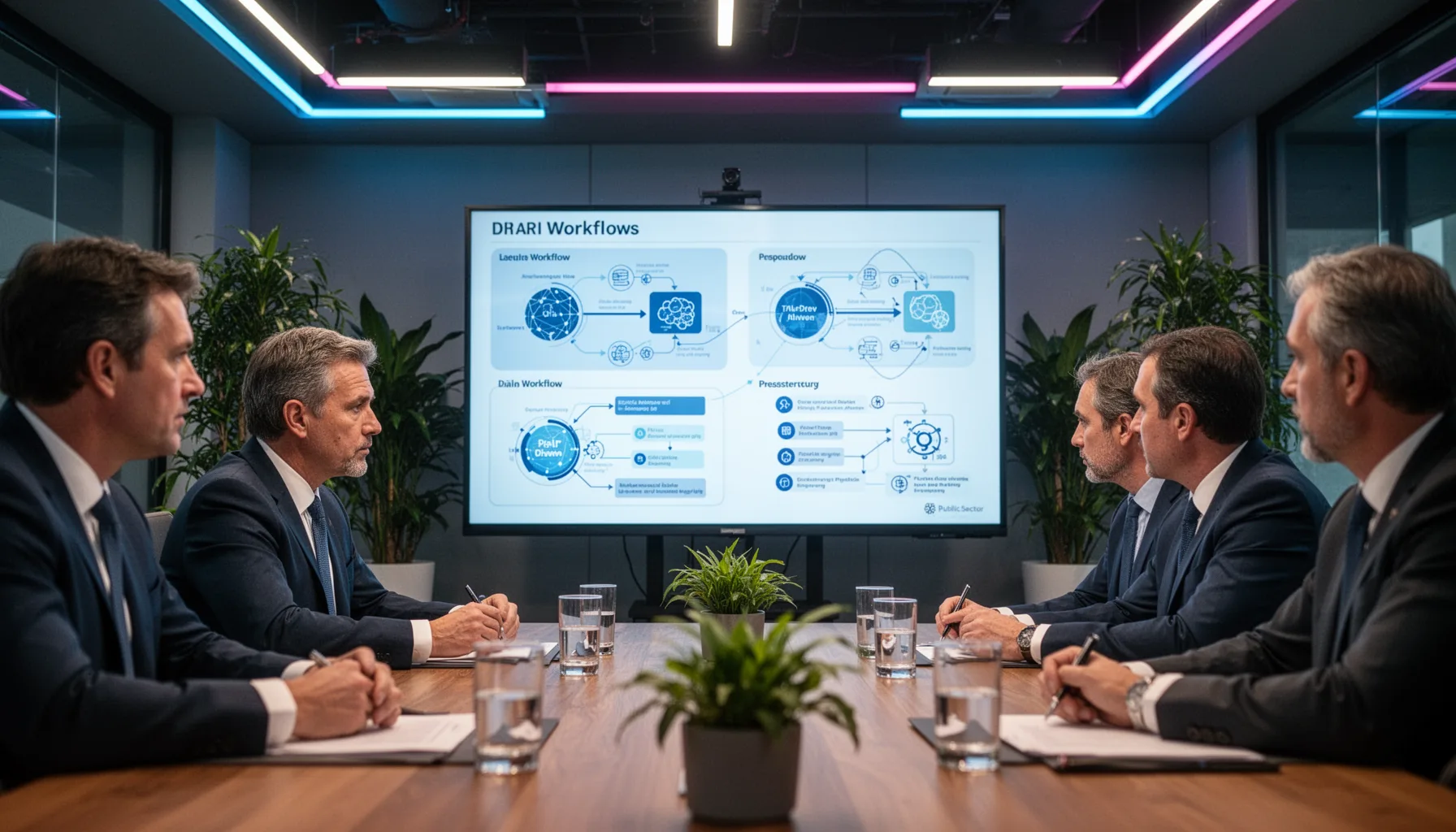
AI agents in South Korea's public offices look set to back up administrative work across agencies, not push civil servants aside outright. That's the basic idea. The Ministry of Science and ICT has sat near the center of the country's digital policy drive, and this step matches South Korea's wider push to expand AI infrastructure, digitize public services, and strengthen domestic competitiveness. That's the policy frame. On the ground, government AI agents usually handle things like pulling documents, condensing regulations, drafting routine replies, routing internal requests, and assisting staff with repetitive workflows. Pretty practical. South Korea has already poured serious effort into e-government services, so these deployments build on an existing digital foundation instead of starting from zero. That matters. We'd expect the first rollouts to stay focused on internal productivity before ministries try broader citizen-facing autonomy, because agencies usually want controlled settings first. Seoul offers the concrete example here.
What are the most likely government use cases for AI agents?
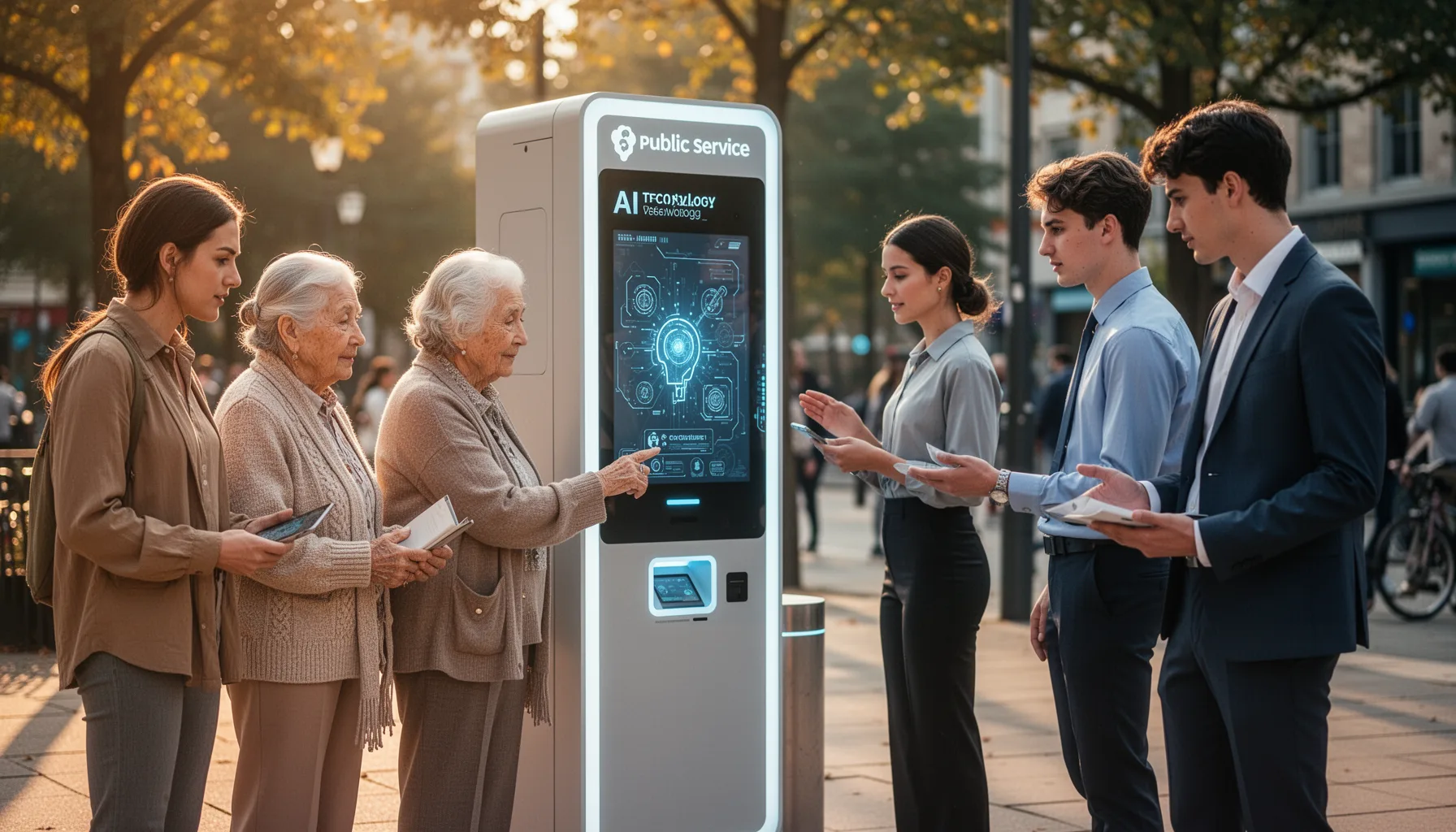
The clearest government use cases for AI agents include document handling, case triage, policy search, scheduling support, and citizen-service assistance. That's the likely starting list. These jobs come in high volume and run on rules, which means staff often lose hours to repetitive work. An agent can make the difference without taking final decisions on its own. That's the sweet spot. For instance, an agent could assist a municipal office in summarizing permit requirements, drafting internal memos, classifying incoming complaints, or surfacing relevant precedents from ministry guidance. Simple enough. Singapore and Estonia have both tested nearby forms of public-sector automation, though each country works under a different governance setup. South Korea's edge, according to UN e-government assessments, is that it already runs one of the more mature digital government systems in the world. Worth noting. Our view is plain: the first strong wins will come from narrow administrative workflows, not from oversized all-purpose government copilots.
Why AI agents for government administration raise security and trust questions
AI agents in government administration bring security and trust issues to the front because public offices hold sensitive data, legal obligations, and records that citizens may later contest. Not trivial. Any rollout has to cover data residency, access controls, audit logs, model behavior under ambiguity, and clear human review. No shortcuts here. Standards groups such as NIST and ISO have already mapped out risk-management and AI-governance practices that agencies can adapt, including documentation, monitoring, and incident response. That's useful. In South Korea, those controls may matter even more if ministries rely on AI agents across multiple agencies with different security postures. Here's the thing. A citizen asking about benefits, immigration, or local permits needs accurate guidance and traceable reasoning, not polished guesswork that only sounds right. We'd argue trust in government AI will rise or fall on process discipline, not on how human the interface feels. Incheon is an easy real-world reference point for local permit questions.
Key Statistics
Frequently Asked Questions
Key Takeaways
- ✓South Korea is pushing AI agents beyond pilot programs and into everyday public administration.
- ✓The Ministry of Science and ICT will influence early standards and adoption patterns across government.
- ✓Government AI agents tend to work best on bounded tasks with clear audit trails.
- ✓Security, procurement, and oversight will determine whether these deployments earn trust.
- ✓Public-sector success will hinge on service quality, not flashy automation claims.