
⚡ Quick Answer
The AI chatbots miss diagnoses study found that consumer-facing AI systems can overlook plausible diagnoses and fail to provide safe medical reasoning consistently. That doesn't make all medical AI useless, but it does mean people shouldn't treat chatbots as reliable diagnostic tools without clinician review.
The AI chatbots miss diagnoses study hits a raw nerve in digital health. People already reach for chatbots to check symptoms. And when an AI reply shows up in polished, self-assured prose, it's easy to confuse style with medical judgment. Recent reporting, including NBC Boston's coverage, suggests a stubborn problem. These systems often leave out possible diagnoses that any safe medical assessment should at least put on the table.
What did the AI chatbots miss diagnoses study actually find?
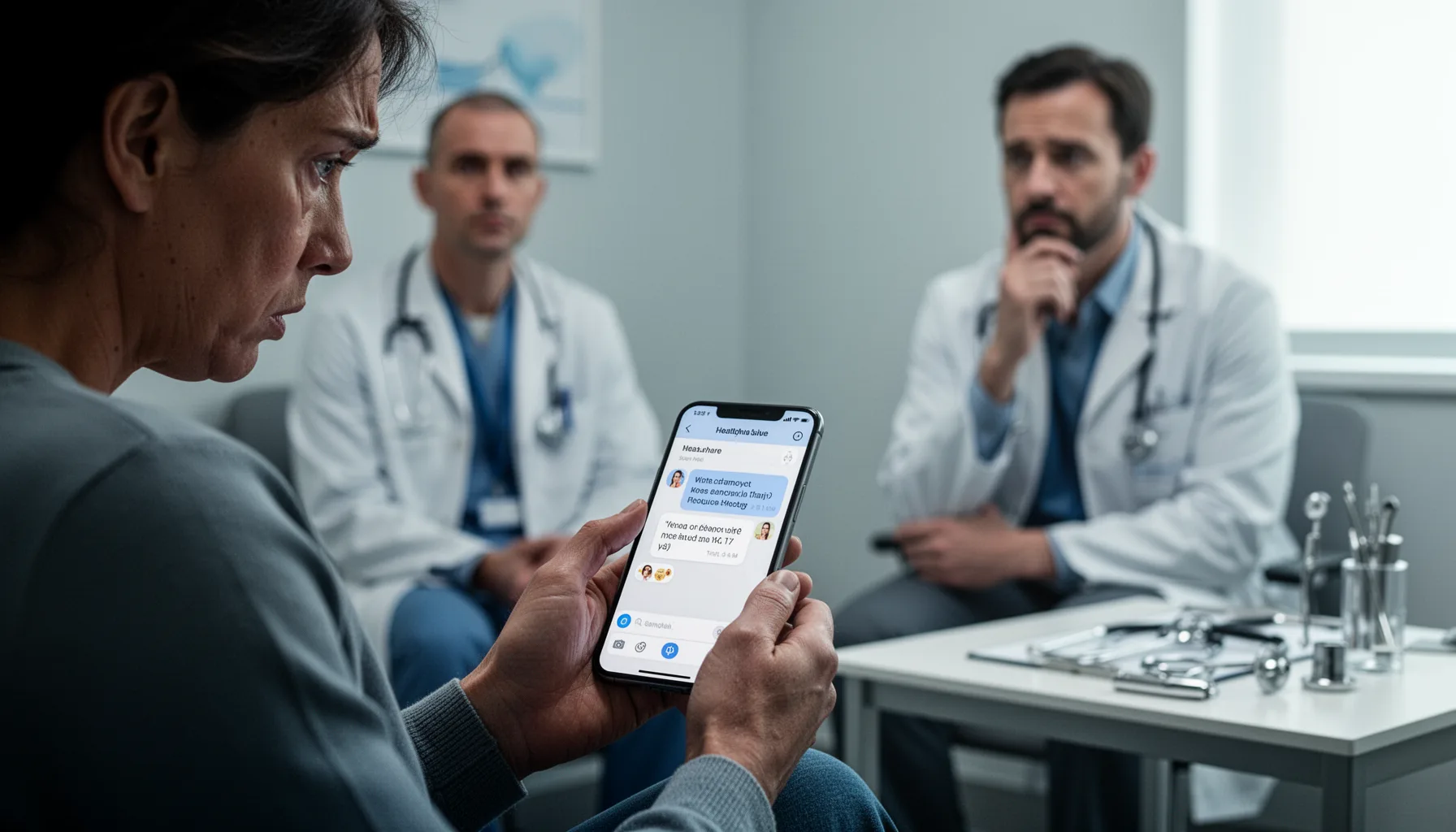
The AI chatbots miss diagnoses study found that widely used AI systems often failed to name all plausible diagnoses in clinical scenarios, even when the clues were sitting right there. That matters. Diagnosis isn't only about picking the most likely condition. It's also about keeping dangerous alternatives in view, especially the ones you can't afford to miss. Researchers usually test chatbot performance by matching symptom descriptions or case vignettes against clinician-built differentials. Then they check whether the AI includes the right possibilities. In NBC Boston's coverage, the concern was plain: these systems often missed possible diagnoses instead of reliably surfacing a safe list. That's a bigger shift than it sounds. A chatbot that mentions acid reflux but skips a cardiac issue may sound useful while nudging someone toward delay. We'd argue that's the central hazard with medical chatbots. Incomplete reasoning, dressed up in fluent language, can feel more trustworthy than it has any right to feel.
Are AI chatbots accurate for medical diagnosis?

AI chatbots aren't accurate enough to serve as standalone medical diagnosticians, especially when ordinary symptoms overlap with urgent conditions. Not quite. Some models do well on board-style questions or tidy symptom prompts, but real diagnosis depends on history, physical exam, timing, risk factors, and follow-up questions. And many chatbots handle those pieces badly. The American Medical Association and other clinician groups have warned, repeatedly, that consumer AI tools can produce plausible yet unsafe advice outside supervised care settings. Worth noting. But the issue isn't just wrong answers. It's missed urgency cues. It's failure to ask the next question. It's low-confidence output delivered in a calm, final-sounding voice. Consider abdominal pain. Appendicitis, ectopic pregnancy, gastroenteritis, and kidney stones can begin with similar descriptions, yet one follow-up question can change the whole picture. A system that can't reliably shrink that uncertainty shouldn't play doctor. Simple enough.
Why do medical chatbot diagnostic accuracy results fall short?
Medical chatbot diagnostic accuracy results come up short because large language models predict likely text, not verified clinical truth, and that basic setup creates blind spots. Here's the thing. These systems learn from vast internet-scale data and tuned examples, not from bedside reasoning in the way clinicians train over years. So when a prompt is vague, missing context, or a little misleading, the model may still produce a coherent answer instead of plainly stating uncertainty. That's bad medicine. Researchers at Stanford, Harvard Medical School, and Mass General Brigham have all flagged calibration, uncertainty expression, and clinical validation as weak spots in healthcare AI. We'd argue that's not a side issue. Another problem is benchmark mismatch: a chatbot may ace multiple-choice exams, then stumble badly in open-ended triage because the task requires interaction rather than recall. Babylon Health became a concrete warning sign here. Its rise, then collapse, made clear how a polished front end can outrun claims of clinical reliability.
What are the real risks of using AI for diagnosis?
The real risks of using AI for diagnosis include false reassurance, delayed care, biased recommendations, and plain user confusion about what the tool can actually do. That's not trivial. If a chatbot downplays chest pain, shortness of breath, neurological symptoms, or pregnancy complications, the cost of waiting can be severe. Yet even when an answer isn't obviously wrong, users may anchor on the first explanation and dismiss worsening symptoms. That's a classic cognitive trap. And conversational software speeds it up. The U.S. Food and Drug Administration regulates certain software functions as medical devices, but many general-purpose chatbots sit outside that tighter system because they present themselves as informational tools. That leaves consumers in a gray zone. The language sounds expert; the accountability doesn't. We think the most dangerous phrase in consumer health AI isn't a wrong diagnosis. It's a soothing maybe that convinces someone not to seek care. Worth noting.
How should people and health systems use chatbots after the AI chatbots miss diagnoses study?
People and health systems should treat chatbots as support tools for question generation and information summarizing, not as primary diagnostic authorities, after the AI chatbots miss diagnoses study. That's the practical takeaway. For consumers, that means relying on AI to prepare for a doctor visit, decode terminology, or draft a symptom timeline rather than decide whether something serious is going on. And for hospitals and clinics, it means keeping consumer chatbots separate from validated clinical decision support systems built under tighter governance. The National Institute for Health and Care Excellence in the UK has stressed evaluation standards for digital health tools, and that same mindset should carry over here. A symptom chatbot should disclose limits, push users to escalate red-flag symptoms, and avoid fake certainty. Cleveland Clinic and Mayo Clinic both publish patient education that still centers clinician assessment for diagnosis. We'd say that's the right instinct. The safe role for chatbots is assistant, not arbiter.
Key Statistics
Frequently Asked Questions
Key Takeaways
- ✓The study suggests chatbots still miss key diagnoses too often for solo use.
- ✓Diagnostic confidence can sound polished even when the answer is incomplete.
- ✓Consumer AI tools aren't tested like clinical decision systems in hospitals.
- ✓The biggest risk is false reassurance after a serious symptom is downplayed.
- ✓Chatbots work better as question organizers than as diagnosis engines.