
⚡ Quick Answer
Anthropic vs OpenAI now centers on more than model quality; investors are pricing revenue mix, enterprise trust, governance optics, and cloud alignment. If Anthropic tops OpenAI valuation in the latest round, the deeper story is that durable AI company value depends on who can convert model leadership into reliable enterprise cash flow.
Anthropic vs OpenAI has moved into a different chapter. Bigger than a fresh model drop. Stranger than the usual startup chest-thumping. If Anthropic now edges past OpenAI on valuation, that funding number matters, but not for the reason social media keeps repeating. We're not just watching one company outrun another in a paper-wealth contest. We're watching investors state, pretty plainly, what they think creates lasting value in generative AI. That's a bigger shift than it sounds.
Why Anthropic vs OpenAI valuation comparison matters right now

Anthropic vs OpenAI valuation comparison matters because private-market pricing works like a noisy scorecard for the wider AI business. Not quite. A higher valuation doesn't automatically mean one company built the smartest model or the splashiest chatbot. It suggests what investors expect around future revenue, cost control, governance, and market position. In the reported setup, Anthropic rising above OpenAI would make clear that investors currently prefer its mix of enterprise traction, safety branding, and partner alignment. That's not trivial. Procurement teams at banks, insurers, and software vendors often read valuation momentum as a clue about vendor staying power, even though they shouldn't treat it as proof. When Databricks, Snowflake, and Stripe built enterprise trust, private valuation often boosted customer confidence instead of just mirroring it. Here's the thing. That's why this comparison carries weight: capital shapes perception, and perception steers enterprise buying. We'd argue that's the part people miss.
Why Anthropic is worth more than OpenAI, according to investor logic
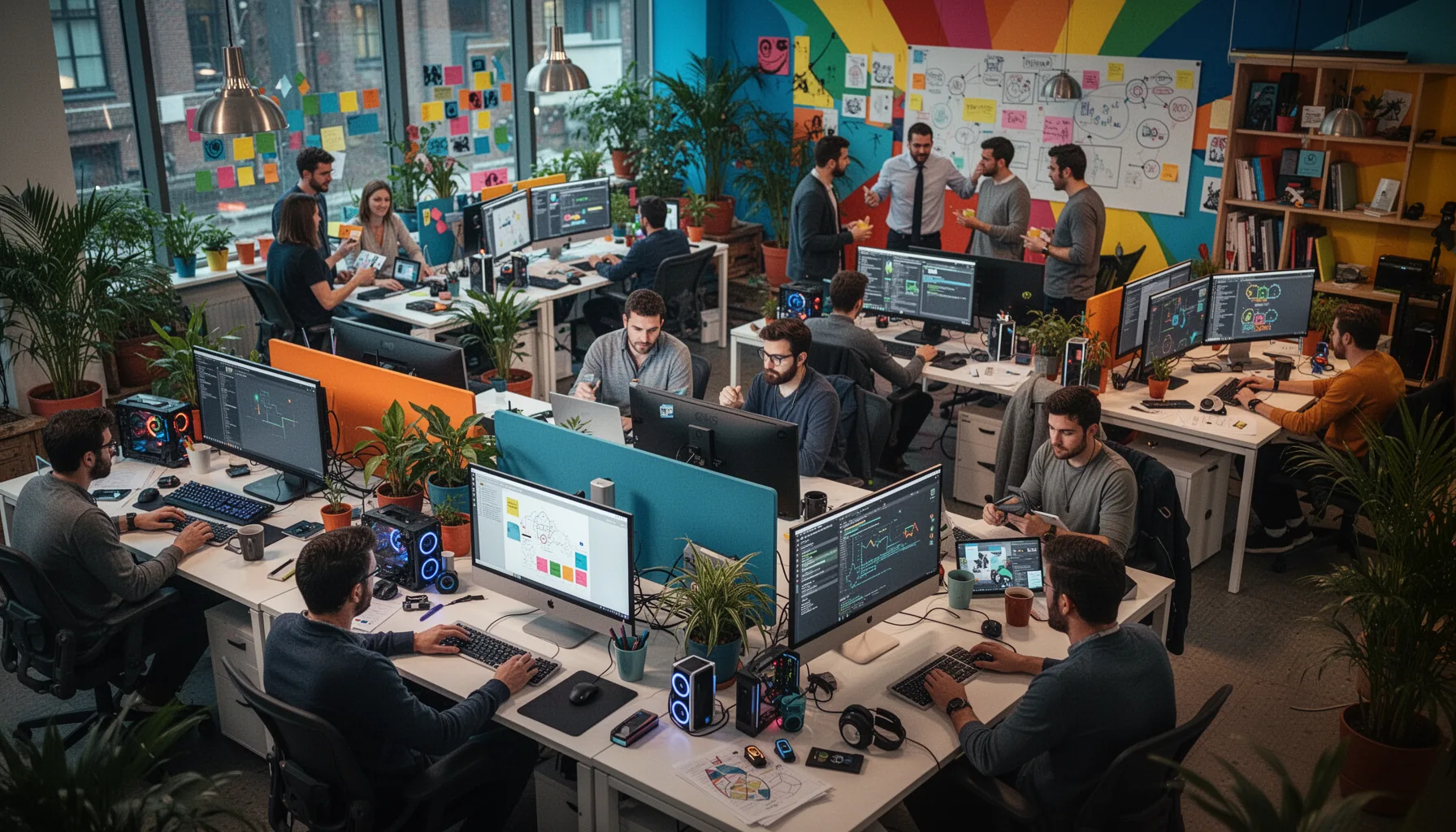
Why Anthropic is worth more than OpenAI, if this round sticks, probably comes down to how investors judge revenue quality and control. And enterprise revenue tends to earn a different sort of respect than consumer buzz. Anthropic's Claude family has earned a reputation for strong writing, coding support, and safer enterprise deployment, especially in workflows where tone, reliability, and policy control carry real weight. Its close ties with Amazon and Google also create a cleaner cloud-distribution story than most startups can claim. Simple enough. That doesn't make OpenAI weak. But OpenAI carries a knottier mix of consumer scale, developer dependence, partnership complexity, and governance baggage from its 2023 leadership crisis, which investors may still price in as risk. Markets often reward companies that look predictable over companies that merely look famous. Worth noting. We'd argue that's what this valuation gap is actually saying.
How Anthropic vs OpenAI changed with enterprise trust and Claude traction

Anthropic vs OpenAI changed once Claude stopped being the quiet alternative and turned into a serious enterprise shortlist contender. So this isn't only a benchmark story now. Claude's adoption in coding, knowledge work, and enterprise assistants gave Anthropic a reputation for practical usefulness, not just research credibility. Companies such as Slack, Notion, Quora, and Zoom have all worked with major foundation-model providers in ways that pushed enterprises to care more about integration, privacy controls, and reliability than consumer virality. That's a real shift. Anthropic benefited because its brand became tightly linked to safety-minded deployment and constitutional AI messaging. In enterprise software, trust can be sold. That sounds a bit cynical. Still true. Procurement teams often prefer a vendor that feels governable over one that feels culturally chaotic. We'd say that's more common than many founders want to admit.
What Anthropic funding round 2026 signals about AI startup valuation leaders
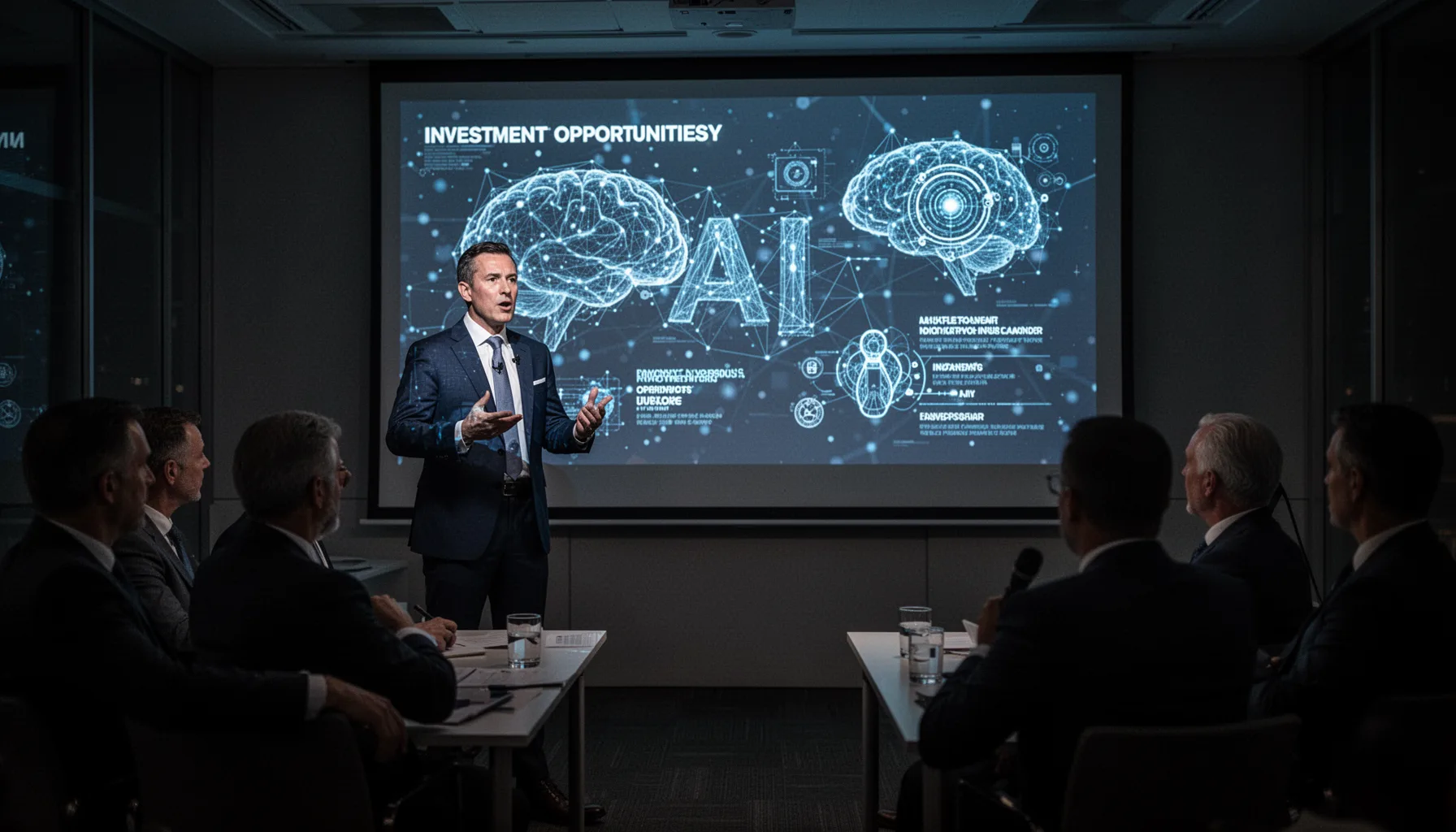
Anthropic funding round 2026, at the level described, would suggest that AI startup valuation leaders now need four things at once: model credibility, distribution, compute access, and governance optics. Yet too much coverage treats valuation like a horse-race trophy instead of an operating system for future power. A company valued above its nearest rival can recruit harder, bargain from a stronger position with cloud providers, and calm customers who want reassurance on long contracts. Nvidia's grip on AI compute, plus the role Microsoft, Amazon, and Google play in cloud distribution, means capital stays tightly tied to infrastructure access. That's the hinge point. And that changes a lot downstream. A better-funded Anthropic can put more money into safety teams, inference optimization, and enterprise sales, while also shaping developer mindshare through Claude integrations. In other words, valuation isn't just a number; it's fuel. Worth noting.
Anthropic vs OpenAI: what actually creates durable AI company value

Anthropic vs OpenAI ultimately comes down to whether a company can turn costly intelligence into repeatable economic output. And that's a harsher test than demo quality. Durable value in AI comes from high-retention enterprise accounts, predictable inference margins, sticky developer ecosystems, and the ability to keep regulators and customers reasonably comfortable. OpenAI still has big strengths here, including brand dominance, Microsoft distribution, and a larger public footprint in consumer AI. Not quite a small edge. But Anthropic may look more investable at a given moment if buyers believe its product mix creates cleaner enterprise expansion and fewer governance shocks. We've seen this movie before in software. The market often favors the company that feels easier to buy from, easier to integrate, and easier to explain in a board meeting. That's probably the clearest lesson from this Anthropic tops OpenAI valuation moment. We'd argue that's the lasting takeaway.
Key Statistics
Frequently Asked Questions
Key Takeaways
- ✓Anthropic vs OpenAI is now a business model story, not just a model race
- ✓Investors often reward enterprise trust and cleaner governance with higher multiples
- ✓Valuation headlines matter less than revenue quality and retention durability
- ✓Cloud partnerships and compute access can shift startup power fast
- ✓Anthropic topping OpenAI valuation changes talent, procurement, and market signaling