
⚡ Quick Answer
The best LLM for tabletop RPG game master isn't always the largest model, because tabletop play rewards pacing, scene control, memory discipline, and improvisation over raw parameter count. In this kind of benchmark, a well-tuned 27B model can beat a 405B model if its inference style fits live storytelling better.
Best LLM for tabletop RPG game master sounds like an odd question at first. But it's less odd once you look at what most AI benchmarks reward. They favor coding, math, or tidy short-answer recall, while tabletop GMing demands something sloppier and more human: narration, rules, pacing, memory, callbacks, and the instinct to react when players do something gloriously foolish. That's the real test. And that's why a 27B model beating a 405B model on narrative quality isn't some cute gimmick. It's a clue. Mainstream LLM evaluation still misses a big slice of what makes a model feel good to actually play with.
Why best LLM for tabletop RPG game master is a different benchmark entirely
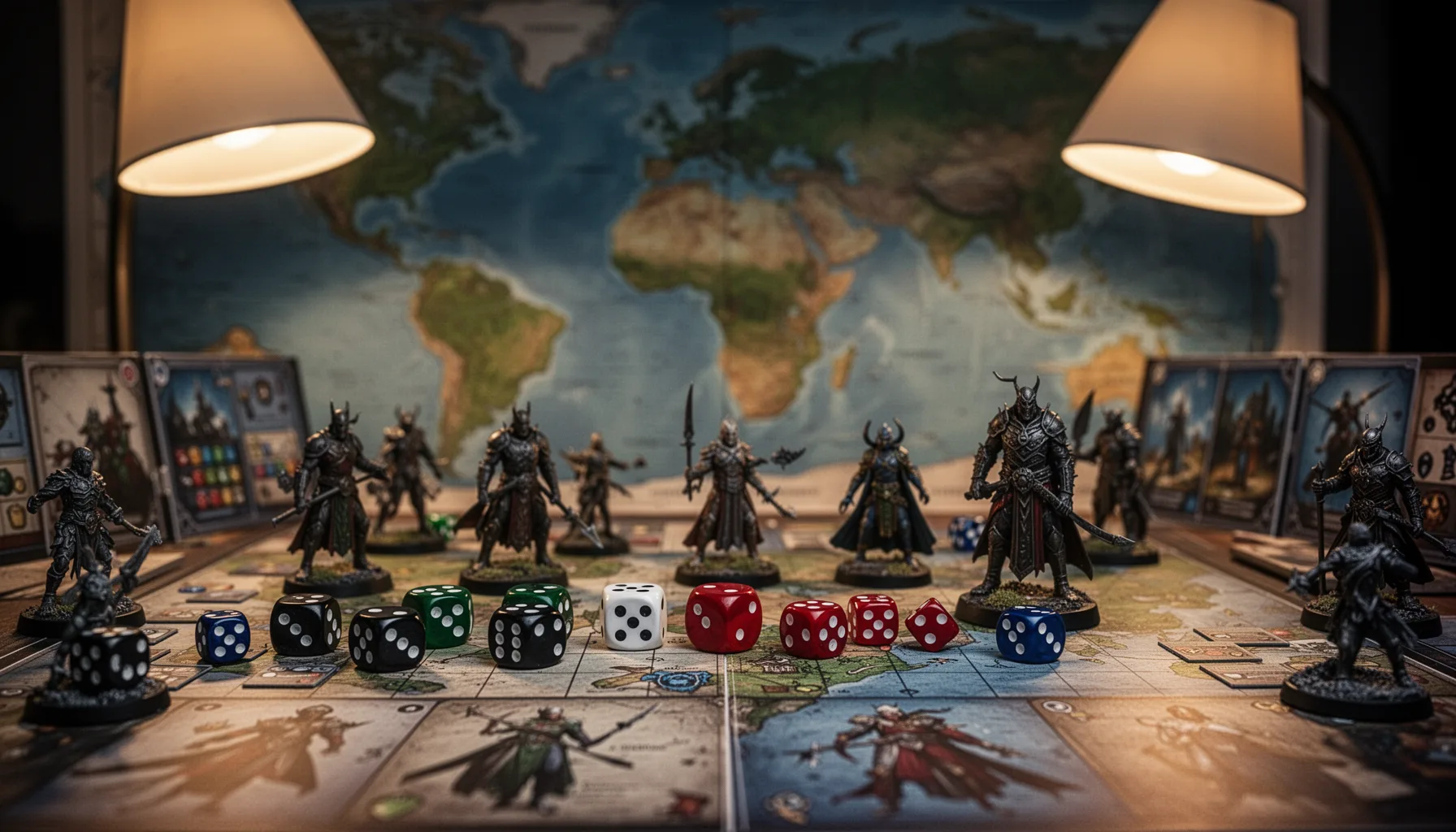
The best LLM for tabletop RPG game master has to run a live narrative loop. That's a very different exam from standard benchmark work. MMLU, GSM8K, and HumanEval capture useful skills, sure, but they don't tell you whether a model can frame a scene, remember why an NPC is lying, and react coherently when players walk straight past the obvious quest hook. That's the whole assignment. A tabletop GM also needs to balance exposition with tempo, enforce rules without sounding mechanical, and keep the fiction moving when the party derails the plan. In open source projects built to stay model-agnostic, like agentic GM stacks with tool support and memory layers, those traits become visible across many turns instead of one-shot prompts. Worth noting. We'd argue tabletop play is one of the best stress tests for conversational coherence because it punishes stiffness and rambling in equal measure. A model that aces a benchmark but wrecks pacing won't last through a real session. Not quite.
How did a 27B vs 405B model narrative quality result happen?

A 27B vs 405B model narrative quality upset can happen for a simple reason: the smaller model may follow session structure more cleanly and waste less momentum. Bigger models often know more. But they don't always tell a better story at the table. Some explain too much, dissolve tension too fast, or write with a swollen, theatrical sprawl that reads nicely in a sample and drags badly in play. By contrast, a 27B model with disciplined prompting, shorter output targets, and solid tool scaffolding can keep scenes tighter and callbacks easier to track. That's a bigger shift than it sounds. Think of a D&D tavern encounter with a barkeep like Yagra Stonefist watching the party from across the room. If the 405B model turns one suspicious glance into four paragraphs of ornamental prose, players lose the thread. If the 27B model offers a sharp description, tracks clues, and waits for player action, the room feels alive. So inference style can beat raw size in subjective storytelling. Simple enough.
What should an AI game master LLM benchmark actually measure?

An AI game master LLM benchmark should score scene management, memory continuity, rule handling, player adaptation, and narrative pacing over many turns. Short samples won't cut it. A credible rubric needs to check whether the model introduces scenes with useful specificity, keeps NPC behavior consistent, references earlier events naturally, applies system rules well enough to keep play fair, and adjusts when players make weird choices instead of collapsing into filler. Tool use matters too. Especially for dice rolls, initiative tracking, world state, and retrieving campaign notes. In a transparent setup, transcripts plus evaluator notes can point to whether the model reused an old clue at exactly the right moment or forgot a key item outright. That's far more revealing than a single prompt asking it to write a fantasy scene. We'd also add a harsh penalty for pacing failure, because a GM that won't stop talking is still a bad GM. Here's the thing.
Best open source LLM for DnD: what smaller models get right
The best open source LLM for DnD often gets the basics right before it reaches for grandeur. Smaller open models can work surprisingly well when they stay grounded in turn order, concise narration, and tool-backed memory. Models in the 7B to 30B range are also easier to run locally or semi-locally, which matters for hobbyists using consumer hardware or modest cloud budgets. Meta's Llama family, Qwen variants, and Mistral-derived models have all drawn interest in agentic RPG setups because they strike a workable balance between cost and responsiveness. Worth noting. Speed matters here. If a GM model takes too long to answer, table energy drops, jokes die, and players start checking their phones. We'd argue that, for actual play, a good smaller model that answers quickly and remembers enough will often beat a larger one that sounds impressive but slows the whole room down. That's the difference.
Model agnostic AI tabletop GM setup: how to test fairly and choose well

A model agnostic AI tabletop GM setup should keep prompts, tools, memory policy, and evaluation criteria fixed across models. That's the only fair comparison. If one model gets a different context window, a different dice tool, or a softer system prompt, the result points more to scaffolding than model quality. A good test harness should lock the adventure seed, player personas, rules reference, memory summaries, and turn cadence, then log transcripts for review. Human evaluators should score narrative quality with a published rubric and, ideally, compare anonymised outputs to reduce brand bias. That's worth watching. This matters because open source communities often over-credit parameter count and under-credit orchestration quality. So if you're choosing a GM model right now, don't ask which one is biggest; ask which one keeps a campaign coherent, responsive, and fun over time. Not trivial.
Key Statistics
Frequently Asked Questions
Key Takeaways
- ✓Tabletop GMing exposes model weaknesses that standard LLM benchmarks often fail to measure.
- ✓A smaller 27B model can outperform 405B on pacing, callbacks, and player adaptation.
- ✓Narrative quality depends on prompting, tool use, memory, and turn structure, not size alone.
- ✓The best open source LLM for DnD should handle rules, scenes, and improvisation together.
- ✓Transparent rubrics and transcripts matter more than vague claims about storytelling quality.