
⚡ Quick Answer
ChatGPT ads South Korea will only work if OpenAI adapts the ad format to local discovery habits, strict trust expectations, and intense platform competition from Naver and Kakao. A simple copy-paste of search ads into chat won't be enough, because conversational recommendations need clearer disclosure, safer targeting, and better local relevance.
ChatGPT ads South Korea looks like a plain expansion story at first glance. Not quite. South Korea runs one of Asia's most mature digital markets, with strong local platforms and users who can tell utility from promotion fast. So if OpenAI wants an ads pilot to land, it can't just drop sponsored answers into chat. It has to earn trust in a market where discovery already feels local, quick, and familiar.
Why ChatGPT ads South Korea is not just another market launch

ChatGPT ads South Korea isn't just another market launch, because South Korea's search, commerce, and messaging habits differ sharply from places shaped by a single US platform. That's the first thing marketers should grasp. Naver built a powerful local discovery setup around search, blogs, shopping, maps, and creator content, while Kakao's reach across messaging and services shapes how people find products and act on recommendations. That's a bigger shift than it sounds. We'd argue OpenAI is stepping into a market where users already expect contextual discovery with local texture, not generic sponsored links. So ad relevance has to account for language patterns, shopping behavior, and domestic brand familiarity at a very high level. A Korean user searching for skincare, cram schools, or a weekend trip expects specifics tied to local forums, map context, and review culture. And if ChatGPT answers feel broad or imported, the ad unit will look flimsy next to existing discovery surfaces. According to Korea Communications Commission data and market reporting across 2024, Naver and Kakao still hold outsized influence in South Korea's digital attention economy, which makes local adaptation mandatory, not optional.
What would ChatGPT ads South Korea need to look like to succeed?
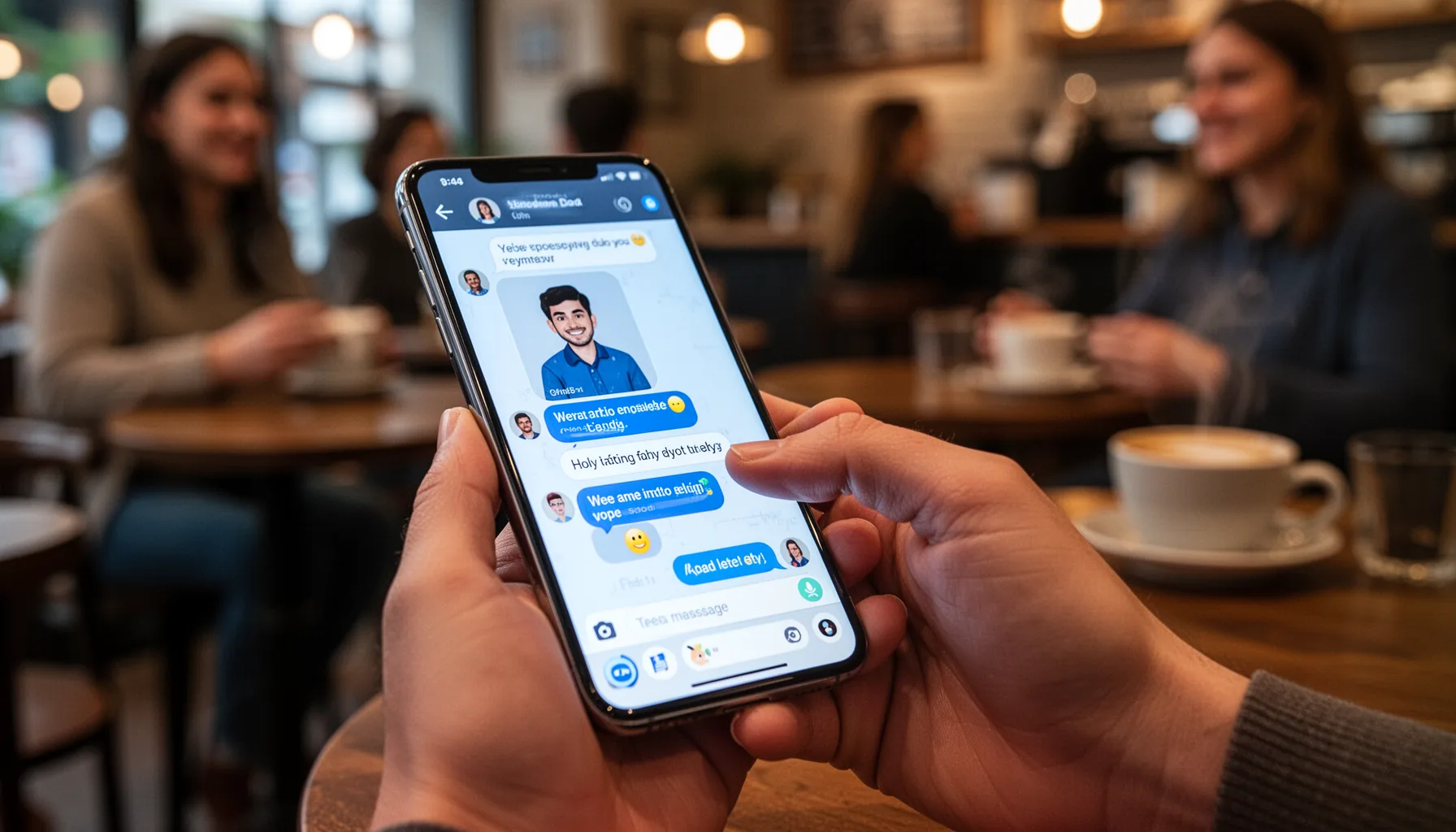
ChatGPT ads South Korea would need to feel like clearly labeled, genuinely useful recommendations that respect the conversational setting instead of barging through it. That's the product design problem. A sponsored placement will probably need visible disclosure, a concise rationale, and links tied to real user intent, like restaurant booking, electronics research, or beauty product comparison. Simple enough. But just dropping ads into a chat response won't work if the promotion interrupts trust or makes users think the answer got bought. We think OpenAI should lean toward formats closer to assisted discovery than old-school display logic. For example, a user planning a Jeju trip could get one clearly marked hotel suggestion or activity offer tied to the question, not a pile of cluttered promos. Worth noting. South Korean users are used to dense information environments, yes, but they're also quick to spot awkward UX. According to Statcounter's 2024 market snapshots and local ad-market analysis, mobile-first behavior still dominates in South Korea, so ad formats have to stay compact, readable, and action-oriented on phones.
ChatGPT ads vs search ads in South Korea: what changes for marketers?

ChatGPT ads vs search ads in South Korea comes down to intent capture versus intent shaping, and that split changes campaign strategy. Here's why. Search ads on Naver or Google usually intercept demand after a user enters a direct query, while chatbot ads may steer the path earlier by framing options inside an assistant response. And that can appeal to categories where users want guided comparison, such as finance, travel, education, or consumer electronics. We'd argue marketers should tread carefully, though, because conversational persuasion creates messy measurement problems. If a user sees a sponsored suggestion during a chat and later converts through Naver Shopping or a direct app visit, attribution gets tangled fast. Coupang, for instance, has trained many Korean consumers to prize speed and convenience in commerce flows. So chatbot ads need a short path from suggestion to action. According to IAB and regional ad-tech trend reporting through 2024, advertisers increasingly demand cross-channel measurement, and OpenAI will need that discipline if it wants meaningful budget share from established platforms.
How user trust, disclosure, and brand safety shape ChatGPT ads South Korea

User trust, disclosure, and brand safety will probably decide whether ChatGPT ads South Korea grows past a pilot. That's the hard part. In conversational AI, the assistant voice feels closer to advice than to a page of links, so fuzzy sponsorship can damage confidence faster than a normal ad placement would. And South Korean users, regulators, and brands probably won't accept vague labeling if the system presents promotional content as neutral help. We'd argue OpenAI should over-disclose at launch. Not subtle. That means explicit tags, ad explanations, and controls that let users separate organic answers from paid recommendations without guessing. Brand safety matters too, because advertisers won't want placements next to harmful, inaccurate, or culturally tone-deaf responses. Worth noting. South Korea's Personal Information Protection Act, or PIPA, has already set a serious compliance tone around data handling, and any ad pilot that touches targeting or personalization will be judged in that context.
Can ChatGPT ads South Korea win against Naver and Kakao?
ChatGPT ads South Korea can attract some marketer interest, but only if OpenAI offers a use case local incumbents don't already serve well. That's the commercial reality. Naver and Kakao already control large pieces of discovery, messaging, local commerce, and ad relationships, so OpenAI needs to show that conversational ads create incremental intent rather than recycled clicks. Here's the thing. A plausible opening exists in high-consideration categories where users ask layered questions and want help narrowing options. Think overseas study programs, B2B software, premium health devices, or travel planning with multiple constraints. We'd argue local partnerships will matter just as much as ad inventory. If OpenAI wants durable traction, it may need integrations with Korean commerce, payments, maps, content, or booking ecosystems instead of a standalone sponsored-answer test. According to eMarketer and regional digital ad forecasts published in 2024, South Korea remains one of Asia's most sophisticated ad markets, which means buyers will test new formats aggressively but abandon them just as quickly if conversion quality disappoints.
Key Statistics
Frequently Asked Questions
Key Takeaways
- ✓ChatGPT ads South Korea faces strong local competition from Naver and Kakao ecosystems
- ✓Users will expect ad disclosure that feels obvious, not buried inside assistant replies
- ✓Local merchants need measurable intent signals before shifting budget into chatbot ads
- ✓Brand safety and trust will shape adoption as much as click-through rates
- ✓ChatGPT ads vs search ads is really a format and behavior question