
⚡ Quick Answer
The CSU OpenAI contract renewal extends systemwide access to ChatGPT for three more years, signaling that California State University sees enough operational value to keep paying for broad deployment. The bigger story isn't the headline but how the deal affects pricing, governance, teaching workflows, accessibility, and whether campuses can prove measurable return.
The CSU OpenAI contract renewal isn't just routine paperwork. It's a signal. California State University didn't merely keep a buzzy chatbot on hand; it seems to have decided generative AI belongs inside core academic and administrative systems. That's a bigger shift than it sounds. Once a university system signs a multi-year AI deal, procurement, policy oversight, and everyday classroom habits start moving in the same direction.
What does the CSU OpenAI contract renewal actually signal?
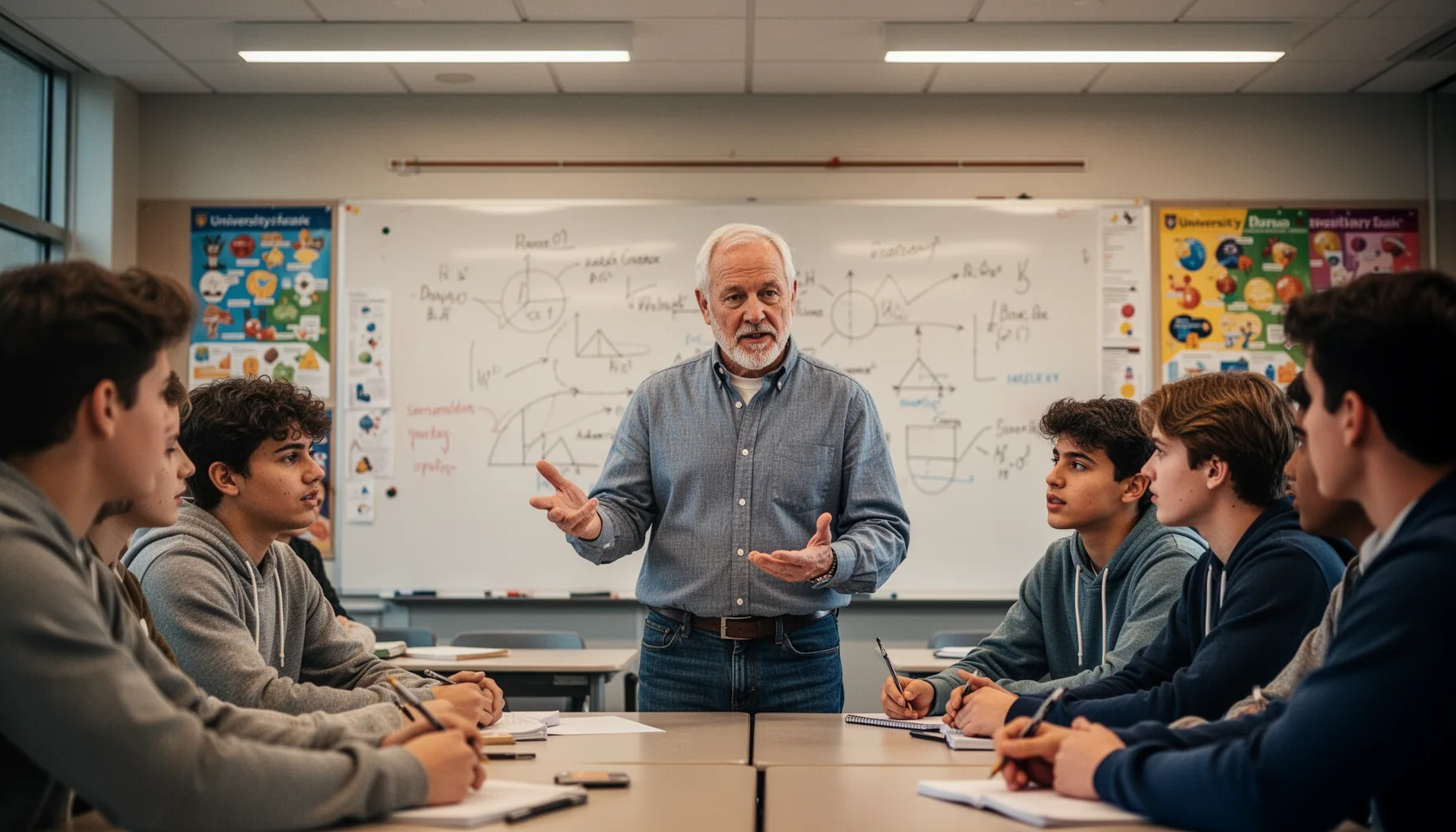
The CSU OpenAI contract renewal suggests ChatGPT at California State University has probably moved past experimentation and into repeatable campus workflows. That's the real shift. Universities don't often renew systemwide software agreements for three years unless procurement officers, IT leaders, and campus administrators think adoption has cleared a threshold. Pulling the tool away would create friction. LAist's report points to continuation, yes, but the sharper question is why CSU saw the platform as worth extending across a huge public system serving roughly 460,000 students and more than 63,000 faculty and staff on 23 campuses. Those figures count. When an institution that large standardizes on one tool, even a small per-user price drop can reshape purchasing logic. We'd argue this renewal puts CSU near the front rank of OpenAI higher education partnerships, alongside schools that treat generative AI less like a classroom novelty and more like shared digital infrastructure. Worth noting. Arizona State University offers a useful comparison here.
How does California State University ChatGPT contract pricing probably work?

The California State University ChatGPT contract likely pencils out because systemwide buying gives CSU more negotiating muscle than campus-by-campus licensing ever would. That's standard enterprise math. Large education buyers usually want volume discounts, centralized security review, shared identity management, and one legal framework for data handling, support terms, and service levels. Gartner estimated in 2024 that organizations relying on centralized software procurement cut overlapping SaaS spending by 20% on average, and higher education has started chasing those same efficiencies as budgets tighten. CSU's size gives it unusual room to bargain. A centralized ChatGPT agreement can cut down on shadow subscriptions purchased by departments, research centers, or individual colleges that might otherwise pay retail rates with weaker controls. But here's the thing. When you buy systemwide, you centralize risk too, because a miss on retention, accessibility, or acceptable use can hit every campus at once. That's why procurement specialists care less about sticker price than total cost, including training, governance staffing, and support overhead. Worth noting. Think of UCLA Health-style centralized review, even if CSU's setup differs.
How is CSU renews ChatGPT deal changing teaching, advising, and accessibility?

CSU renews ChatGPT deal because the product likely found practical footing in advising, student support, drafting work, and accessibility-oriented workflows. That's usually where value appears first. Faculty often rely on tools like ChatGPT to generate quiz variants, draft rubrics, summarize readings, or build first-pass lesson materials. Advisors and student success teams often use AI to rewrite dense policy language into something clearer. Arizona State University, another early OpenAI partner, has publicly discussed ChatGPT Enterprise in tutoring and staff productivity pilots, and that gives CSU a plausible peer model. And students don't all work with these tools the same way. Some reach for them for brainstorming, coding feedback, or language support. Others stay away. They don't trust the output, or they worry about academic-integrity fallout. The accessibility angle deserves closer attention than it usually gets, because AI can aid students with dyslexia, language barriers, or executive-function challenges. But uneven interface design and shaky output can create fresh obstacles. Not quite simple. We think the next phase of university AI adoption gets judged here: not by novelty, but by whether it actually removes friction from real academic work. That's a bigger shift than it sounds. A campus like San José State makes the point.
What governance risks come with the CSU OpenAI contract renewal?

The CSU OpenAI contract renewal raises governance questions that matter just as much as price, especially around data retention, model updates, labor concerns, and campus-level control. Procurement alone won't fix that. Universities operate under FERPA duties, accessibility rules, records policies, and collective bargaining conditions, which make AI deployment more politically sensitive than a normal software rollout. The U.S. Department of Education warned in a 2023 AI report that institutions need clear guardrails for privacy, bias, and instructional use, and that guidance looks even more relevant now as campuses broaden adoption. Model drift is another issue. If OpenAI changes default behavior, moderation thresholds, or enterprise controls during the contract term, faculty and staff could see workflows shift with little warning. And labor concerns aren't theoretical, because unions and faculty senates often ask whether AI tools move administrative burdens, change teaching expectations, or pressure staff to do more with fewer people. A smart campus policy needs opt-out paths, clear use guidelines, audit rights, and plain-language disclosure rules instead of blanket enthusiasm. Worth noting. The City University of New York has wrestled with similar governance questions.
Are systemwide OpenAI higher education partnerships delivering measurable value?
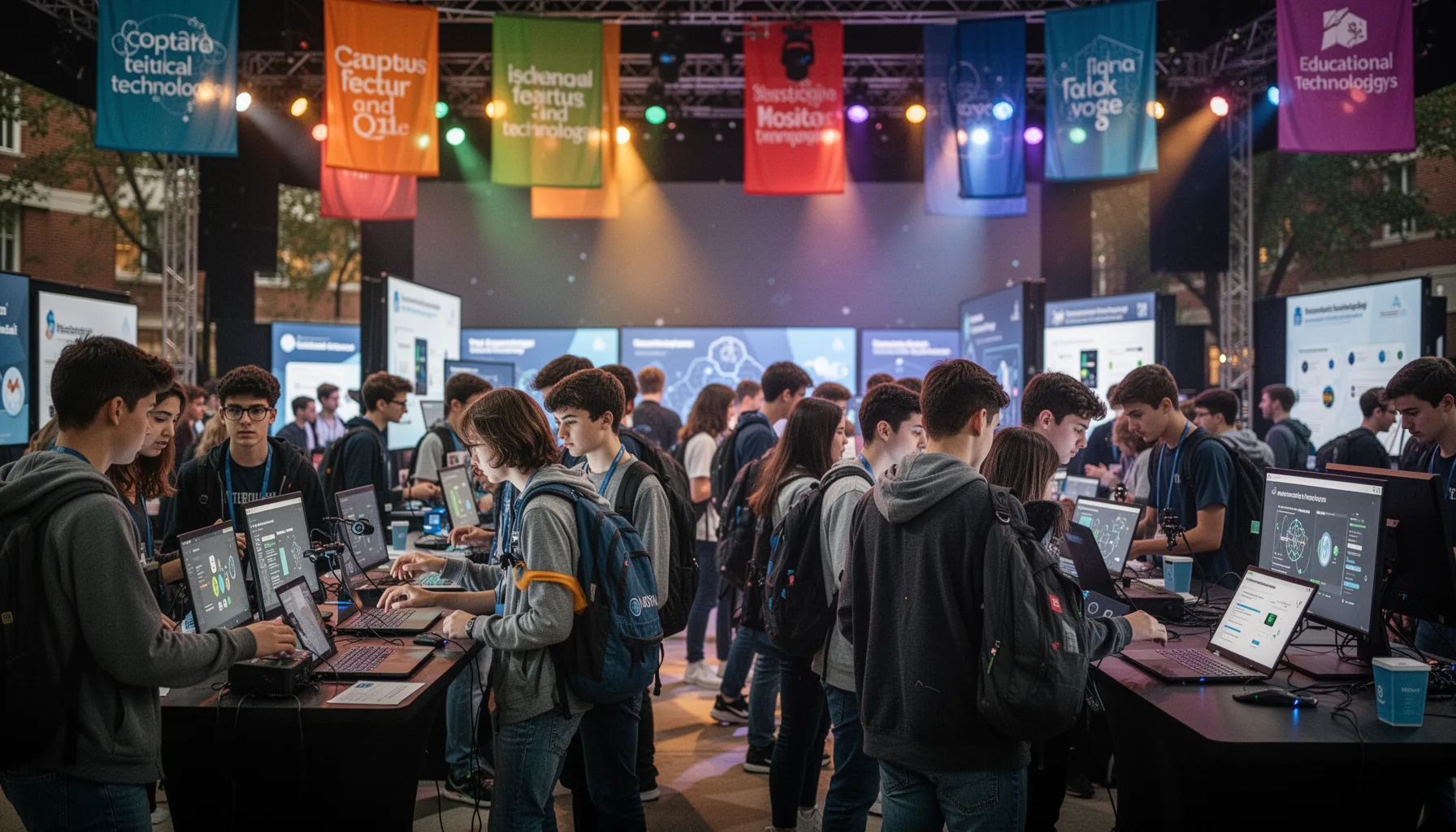
OpenAI higher education partnerships create measurable value only when universities track actual outcomes instead of counting logins or collecting publicity clips. That's where many institutions still stumble. A renewal suggests CSU saw enough internal evidence to keep going, but outsiders still don't know the most useful figures: active usage by role, cost per active user, time saved in advising, student satisfaction, or whether learning outcomes changed in any meaningful way. EDUCAUSE survey data from 2024 found that higher education leaders increasingly expect AI tools to improve operational efficiency, yet many campuses still lack mature ROI frameworks for generative AI purchases. That's a warning sign. If a university system can't tell the difference between broad curiosity and durable value, it may end up paying for a convenience layer instead of a not trivial capability. The best evidence would come from campus-by-campus reporting on administrative throughput, support response times, accessibility outcomes, and faculty adoption patterns. Simple enough. Until then, the CSU OpenAI contract renewal looks rational, but not fully proven, and that distinction matters. We'd argue that's the right way to read it. Georgia State would be another useful benchmark.
Key Statistics
Frequently Asked Questions
Key Takeaways
- ✓CSU renews ChatGPT deal because pilot use likely shifted into everyday campus operations
- ✓Systemwide pricing can lower per-user costs, but governance tradeoffs become much sharper
- ✓Faculty and students care less about hype and more about workflow fit
- ✓OpenAI higher education partnerships now turn on compliance, accessibility, and procurement discipline
- ✓The California State University ChatGPT contract matters because universities are becoming enterprise AI buyers