
⚡ Quick Answer
DeepSeek API pricing 2026 became more consequential the same week ByteDance’s Doubao quietly moved from free access to paid subscriptions. Together, those moves signal that China’s consumer and developer AI market is entering a monetization phase where price, not just model quality, will shape adoption.
DeepSeek API pricing 2026 now looks like more than a plain developer discount. ByteDance changed the mood. On May 4, 2026, Doubao’s Apple App Store page quietly picked up paid plans at 68 yuan, 200 yuan, and 500 yuan a month. Then it just sat there. In plain sight. Weeks passed before wider media coverage caught up, which makes the timing more consequential than it first appears. Because it landed beside DeepSeek price cuts, two separate pricing updates suddenly read like one market signal. China’s biggest AI companies now want actual revenue, not just pretty user-growth charts. That’s a bigger shift than it sounds.
What does DeepSeek API pricing 2026 tell us about China AI apps charging users?
DeepSeek API pricing 2026 suggests China’s AI market moved into a monetization phase sooner than plenty of users expected. Worth noting. DeepSeek cut API prices to pull in developer volume, while Doubao’s subscription tiers sketch out a consumer revenue ladder. Two halves of the same maneuver. The old bet said Chinese AI apps would stay free longer while they chased scale against ChatGPT-style rivals and local incumbents. But inference costs, cloud bills, and model training spend don't disappear just because a dashboard looks healthy. ByteDance can afford to subsidize a lot, yet it still nudged Doubao toward paid plans. That points to strategic realism, not retreat. We'd argue China AI apps charging users was always on the way; the surprise is how casually the market stepped over that line. Not quite a shock. More like a shrug.
How ByteDance Doubao paid tiers change DeepSeek vs Doubao pricing
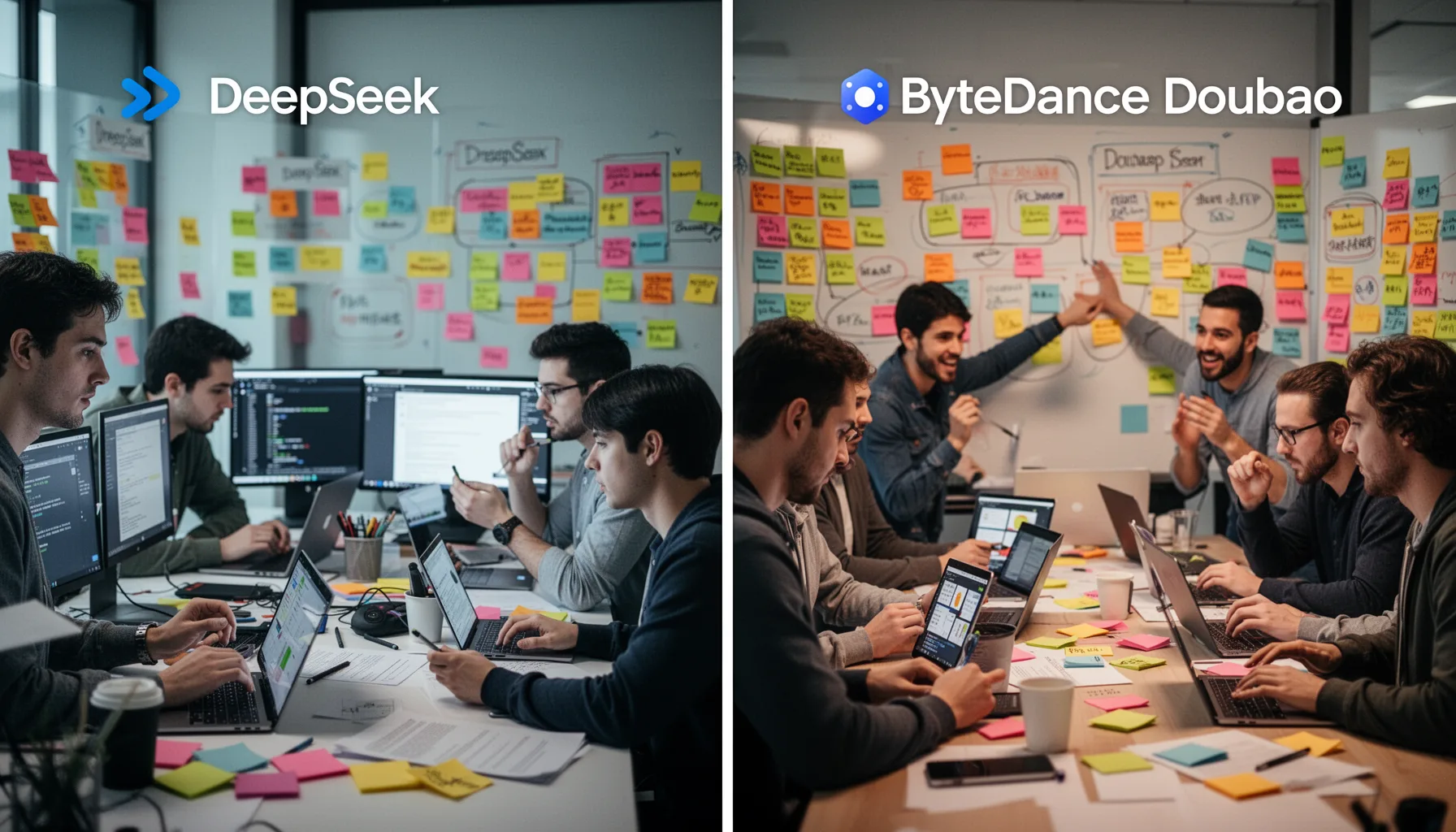
ByteDance Doubao paid tiers change DeepSeek vs Doubao pricing because they make the comparison less theoretical and more segmented. That's the real hook. Doubao now has visible monthly anchors at 68 yuan, 200 yuan, and 500 yuan, which likely line up with heavier usage, premium features, or higher caps, even if ByteDance skipped the usual flashy launch routine. DeepSeek, by contrast, competes hard on API economics, and that matters more to builders than to everyday app users. So the two companies aren't selling the exact same thing. Here's the thing. One is shaping what consumers will pay. The other is shaping what startups can afford to build. Alibaba’s Qwen and Baidu’s ERNIE ecosystem sit in the same broad fight, but ByteDance and DeepSeek made the pricing story impossible to ignore in a single week. We'd say that makes this feel like a market turn, not some tiny pricing footnote.
Why did DeepSeek cut prices the same week Doubao started charging?

DeepSeek probably cut prices because lower API costs are the quickest way to win developer mindshare once consumer apps start charging. That's a smart pressure point. If Doubao asks users for money up front, DeepSeek can make itself attractive to startups and product teams building alternatives, wrappers, and enterprise tools on top of model APIs. Classic platform logic. Amazon Web Services, Google Cloud, and Microsoft Azure trained the software market to react fast when infrastructure prices dropped, and AI APIs are starting to behave the same way. The timing may not have been coordinated, but the contrast is sharp: Doubao monetizes the front end, while DeepSeek squeezes the back end. And when both moves land together, buyers start benchmarking every layer of the stack. We'd expect more Chinese model vendors to answer with credits, bundles, or tighter premium plans. Simple enough.
Is DeepSeek API pricing 2026 cheap enough to reshape developer demand?
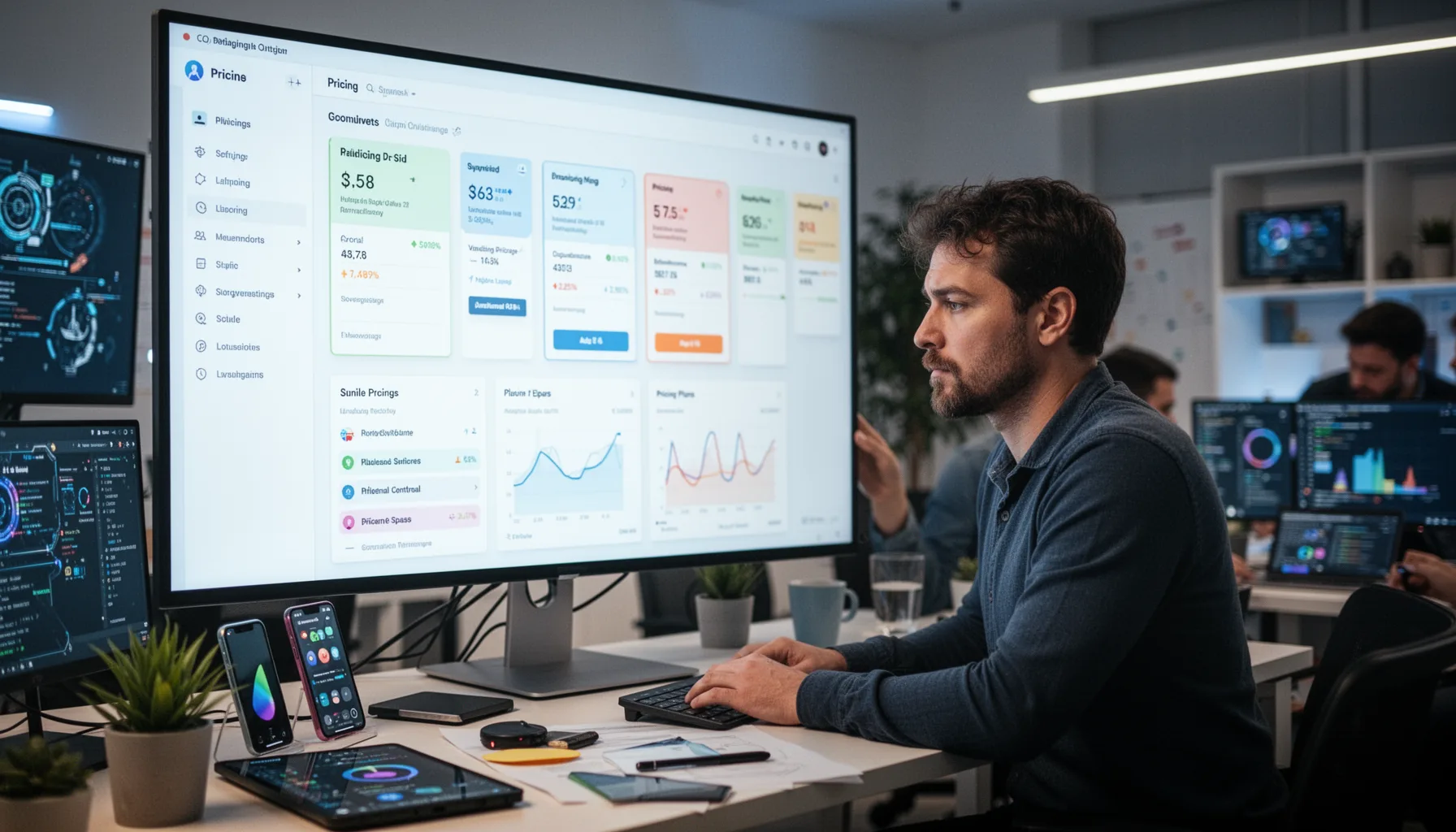
DeepSeek API pricing 2026 is cheap enough to matter if developers care more about margins than brand prestige. That's where the pressure builds. For a startup handling heavy inference traffic, even small per-token changes can swing gross margin, especially in customer support, code generation, document analysis, and search-heavy workloads. That's why price cuts can reshape architecture choices faster than people expect. OpenAI’s past pricing resets did this globally, and DeepSeek appears to be applying the same playbook in China and nearby markets. Still, cheap APIs alone won't guarantee migration if latency, reliability, safety layers, and enterprise support fall short. Developers buy total operating cost, not just the sticker price. But once one major vendor cuts, everyone else has to explain why they cost more. Not trivial.
Key Statistics
Frequently Asked Questions
Key Takeaways
- ✓DeepSeek API pricing 2026 now sits inside a tougher Chinese AI pricing fight
- ✓ByteDance Doubao paid tiers ended the quiet free-forever assumption for many users
- ✓China AI apps charging users marks a shift from growth mode to revenue mode
- ✓DeepSeek versus Doubao is really developer pricing versus consumer subscription economics
- ✓Cheaper APIs don’t always mean cheaper AI if app makers keep premium upsells