
⚡ Quick Answer
Florida sues OpenAI Sam Altman in a case that could test whether consumer AI firms owe users a stronger duty of care when products cause foreseeable harm. The lawsuit matters beyond OpenAI because courts may use it to examine safeguards, disclosures, product design choices, and whether chatbot failures fit existing liability rules.
Florida is suing OpenAI and Sam Altman, and yes, the headline practically writes itself. But the filing matters for reasons that run well past political theater. We're watching AI litigation grow up a bit. It isn't just broad panic anymore. It's turning into specific legal arguments about product safety, deceptive conduct, and the obligations companies may owe users when model outputs cause harm. That's a bigger shift than it sounds. And it could shape a lot more than a single courtroom clash. Consumer AI companies have reason to sweat.
Why does florida sues openai sam altman matter beyond one lawsuit?
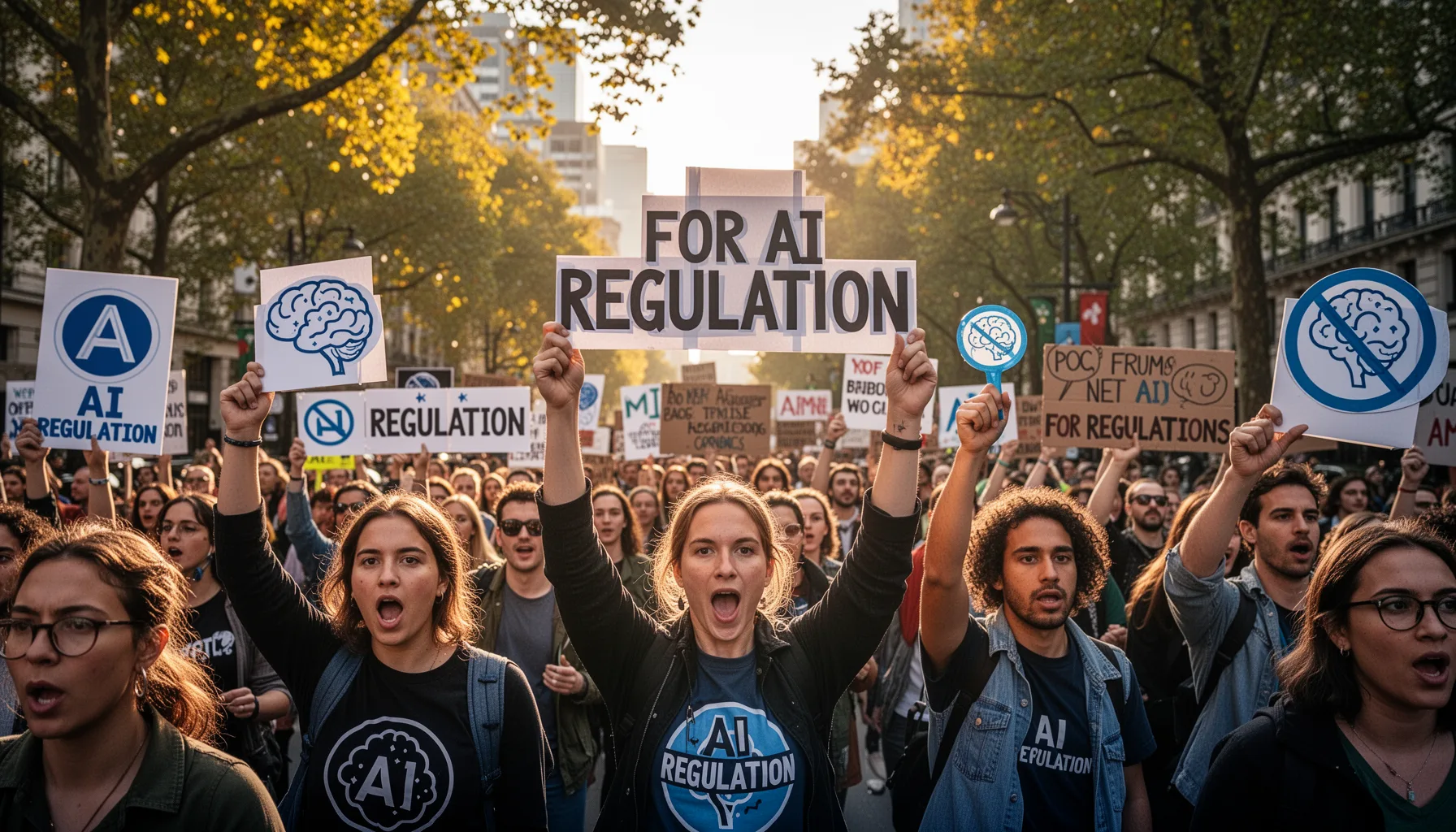
Florida sues OpenAI Sam Altman at a point when AI cases are shifting from copyright brawls into consumer-harm claims. That's the real story. For months, plenty of suits against AI firms centered on training data, scraping, or market power. This one pushes somewhere else. Toward user protection. It asks what happens when a model allegedly creates risk, or makes an existing risk worse, for the people who rely on it. That's not trivial because consumer-protection law can reach product design, warning labels, and internal safety testing in a fairly direct way. We saw something similar with social media cases. Courts and regulators slowly moved attention away from broad speech defenses and toward product features plus foreseeable harm. If a state can frame ChatGPT not merely as a speech tool but as a consumer product with design duties, the legal map changes quickly. And that shift could spread beyond OpenAI to Character.AI, Google Gemini, Anthropic Claude, and smaller startups shipping chatbots to the public. Worth noting.
What legal theories could support the chatgpt user risk lawsuit?
The chatgpt user risk lawsuit will likely lean on a mix of product liability, deceptive practices, negligence, and duty-of-care arguments. None is easy. None is especially exotic either. Product liability asks whether the product had a design defect or lacked adequate warnings, even though courts still argue over whether software outputs fit neatly inside that box. Deceptive-practices claims may target marketing language if OpenAI described ChatGPT as safe, reliable, or responsibly constrained in ways the plaintiff says didn't match reality. Negligence claims turn on knowledge and response. Did OpenAI know about recurring harmful-output patterns, and did it fail to take reasonable steps to reduce them. And duty-of-care arguments press on foreseeability: if a company knows some users may lean on a model during distress, should it build firmer guardrails or clearer escalation behavior. Similar logic has shown up in cases over recommendation algorithms, youth-safety suits against Meta, and wrongful-death claims tied to digital product design. We'd argue the new wrinkle lies less in the legal doctrines themselves than in applying them to generative AI's conversational style, which can sound sure of itself even when it's flatly wrong. That's a bigger shift than it sounds.
How courts may assess model safeguards in the openai florida legal case
In the openai florida legal case, courts will probably study what safeguards existed, how well they worked, and what OpenAI knew internally about failure modes. That's where these fights get real. Safety won't be judged by a press release. Or a policy page. Judges and litigators will want to know whether the system had risk classifiers, refusal rules, escalation paths for self-harm or dangerous prompts, post-deployment monitoring, red-team work, and a documented process for fixing repeat failures. OpenAI, like other frontier labs, has published safety framework materials and system cards for some releases, including GPT-4-era documentation. But court scrutiny goes deeper than transparency pages built for public consumption. Discovery may seek logs, internal incident reports, benchmark scores, user-complaint patterns, and decisions about model tuning versus product growth. So the legal question isn't simply whether safeguards existed. It's whether they matched known risks, were applied consistently, and were described honestly to users. Here's the thing. That's where cases tend to turn.
Is this ai safety lawsuit against openai legally novel or mostly performative?
This ai safety lawsuit against OpenAI is somewhat new in packaging, but the legal machinery underneath is familiar. That's why it's worth watching. Politicians and state officials often bring high-profile tech cases that mix legal argument with public signaling, so some performative element is nearly guaranteed. Still, courts don't need an all-new doctrine to make this matter. They can adapt standard negligence, consumer-protection, and warning-law analysis to a new product category, much like they did with social platforms, app stores, and digital health tools. The fresh part is really the evidence. Generative AI systems produce stochastic outputs, change after updates, and operate through a messy mix of model behavior, policy layers, and interface design, which makes causation harder to prove and harder to defend against. Yet that complexity doesn't wipe away exposure. Not quite. It can invite more scrutiny, because companies that say they can't predict every output still make very deliberate choices about defaults, disclaimers, friction, and who gets access to what. Worth noting.
What florida sues openai sam altman could mean for every consumer AI product
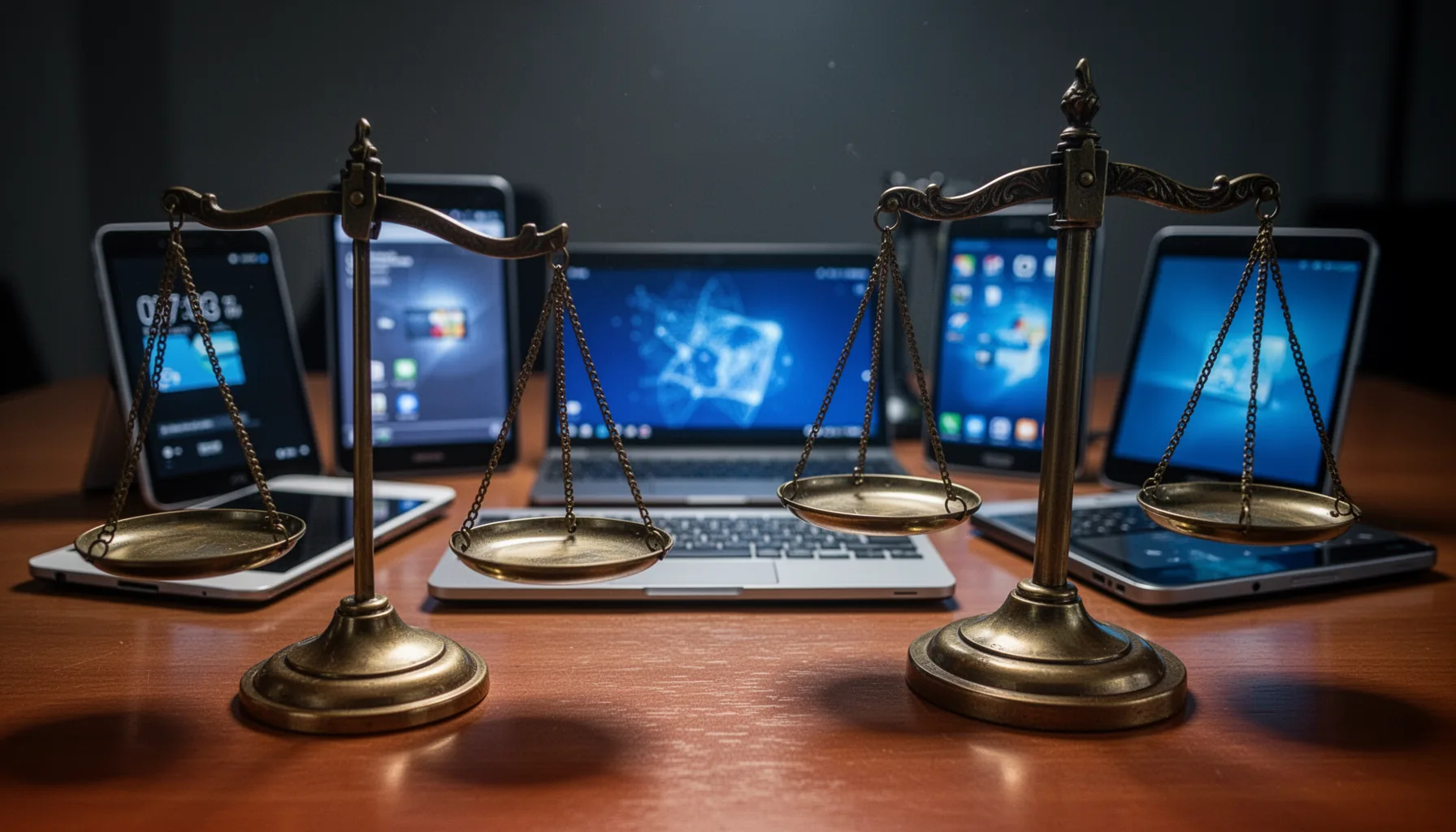
What florida sues OpenAI Sam Altman could mean for the market is fairly simple: consumer AI products may need to act more like regulated digital services and less like open-ended experiments. That's the practical takeaway. Companies could face pressure to document intended use, spell out prohibited reliance scenarios, and build clearer interventions for vulnerable users. We may also see more age gates, rate limits, crisis-resource prompts, human handoff tools, and audit trails for harmful interactions. Microsoft already uses layered governance in enterprise Copilot deployments, where data access, admin controls, and compliance settings shape how the product behaves. Consumer AI has usually been looser. If this suit gains traction, that gap could narrow fast, and startups that treated safety as a policy memo instead of a product function may feel it first. To be fair, courts probably won't want to freeze software progress. But they may insist that if companies sell assistants that sound credible, they bear more responsibility for foreseeable misuse and user overreliance. Simple enough. We'd say that's the market signal here.
Key Statistics
Frequently Asked Questions
Key Takeaways
- ✓Florida sues OpenAI Sam Altman as part of a broader rise in AI liability claims
- ✓The case may turn on duty of care, product design choices, and warning obligations
- ✓Courts will likely examine safeguards, logs, escalation paths, and evidence of known risks
- ✓This isn't just about ChatGPT; consumer AI apps across the market should pay attention
- ✓Some claims may carry political theater, but the legal questions are still real