
⚡ Quick Answer
In the age of AI, strength matters as much as intelligence because machines can automate many cognitive tasks, but they still can't replace human resilience, judgment, and character. Students who pair technical fluency with persistence, adaptability, and ethical sense will be better prepared for school, work, and life.
In the age of AI, strength now carries almost as much weight as intelligence. That's the claim hitting schools, employers, and families all at once as they try to sort out machines that write essays, spin up code, and answer questions almost instantly. But raw brainpower by itself no longer looks like the whole edge. The students most likely to do well next won't just think fast. They'll keep going. They'll bounce back after setbacks and make sound calls when the easiest answer sits one click away.
Why in the age of AI strength matters as much as intelligence

In the age of AI, strength matters as much as intelligence because cognitive ability no longer stands alone as the rare asset. Tools like ChatGPT, Claude, and Google Gemini can draft, summarize, and explain on command, so the premium shifts toward traits machines still don't reliably possess. A 2023 World Economic Forum Future of Jobs report ranked resilience, flexibility, and agility among the fastest-rising workforce capabilities. That's telling. We'd argue that rewrites the old school script, where high grades acted as the main stand-in for future success. When Microsoft and LinkedIn said in their 2024 Work Trend Index that knowledge workers already rely on AI for drafting and ideation at scale, the message was hard to miss. Being smart still matters. But staying steady under pressure matters just as much. Intelligence gets you to the starting line; strength often decides whether you finish. That's a bigger shift than it sounds.
What skills students need in the age of AI
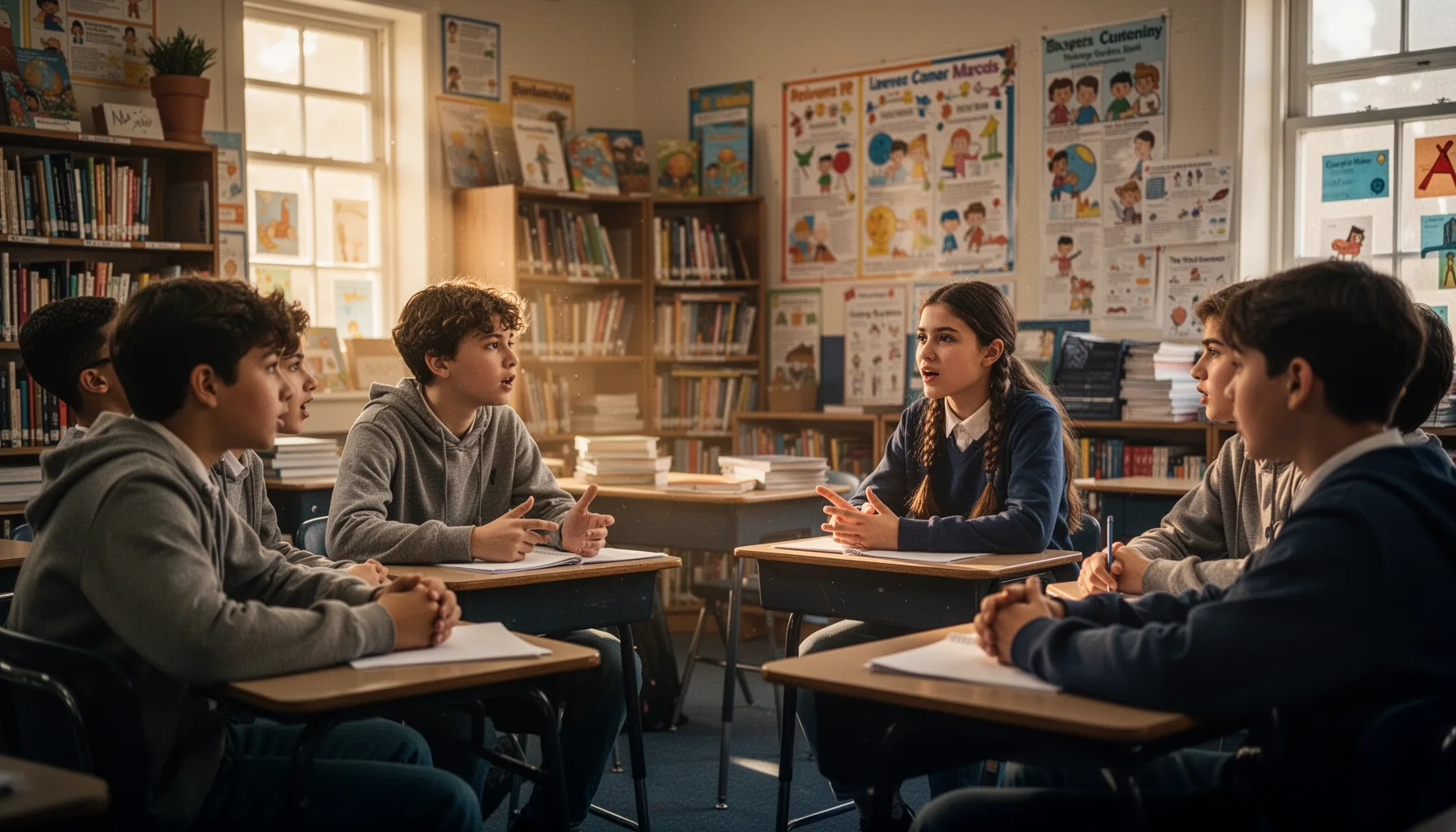
The skills students need in the age of AI mix technical fluency with a steadier kind of human ballast. They should grasp how AI systems work at a basic level, including prompting, verification, bias, and privacy, but they also need persistence, communication, and self-management. UNESCO has pushed member states to treat AI literacy as part of broader digital and ethical education, not as a narrow software skill. That's the right frame. A student who can work with Perplexity or Copilot but can't tell when an answer goes off the rails will run into trouble fast. And a student who folds the first time a workflow changes will hit trouble even faster. Not quite enough. The strongest profile now looks less like the classic top test-taker and more like a curious builder who can learn, unlearn, and keep their footing. Worth noting.
Why resilience matters in an AI future
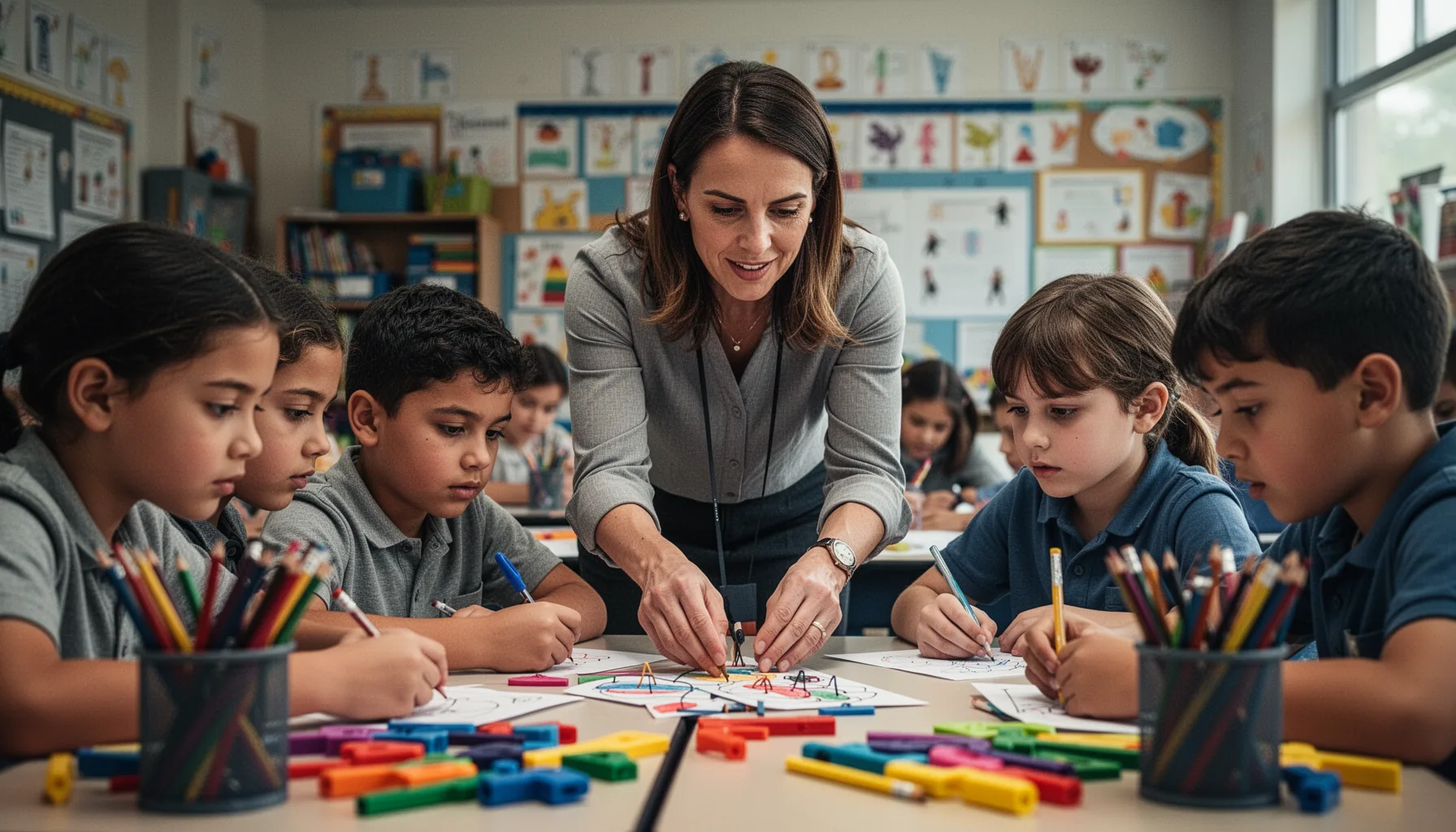
Why resilience matters in an AI future comes down to volatility. Students are walking into a world where job tasks, hiring filters, and even the meaning of expertise will keep shifting as models improve, interfaces spread, and employers redesign work. The OECD has spent years warning that automation changes task composition more often than it simply wipes out whole occupations. That matters. Because adaptation wears people down, and not everyone absorbs that strain well. Think about a first-year analyst at Deloitte now expected to use AI assistants on day one while still proving they can think independently. The same squeeze is moving into universities and even secondary schools. Resilience isn't a soft extra. It's a working skill that lets people absorb change without freezing, quitting, or handing over their judgment to a chatbot. We'd argue that's not trivial.
Which human strengths that matter in the AI era schools should teach
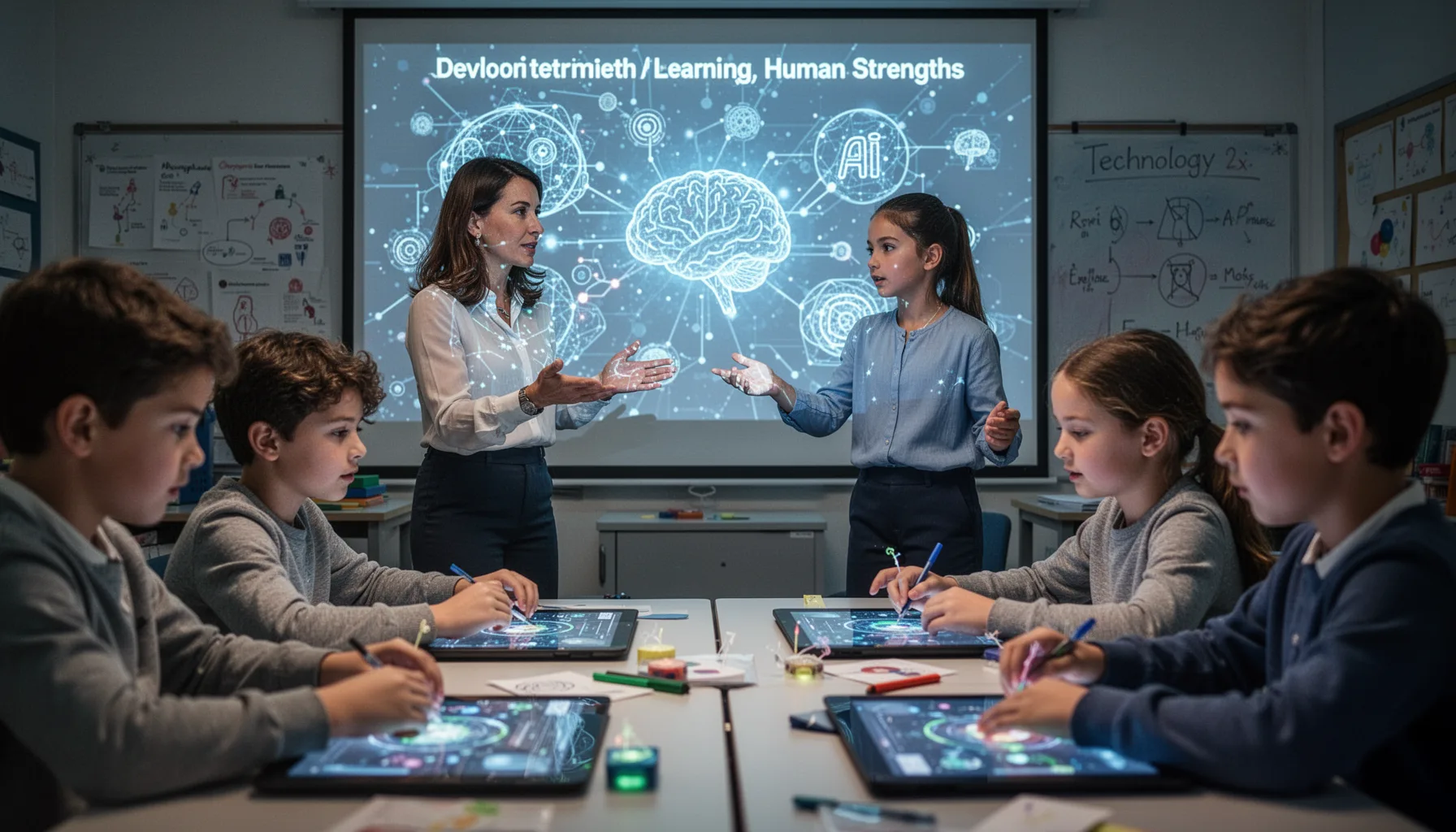
The human strengths that matter in the AI era include judgment, discipline, courage, empathy, and collaborative trust. Those traits can sound old-fashioned. But old-fashioned doesn't mean obsolete. Stanford's Human-Centered AI institute has repeatedly stressed that human oversight, context, and accountability remain central limits in deployed AI systems. Here's the thing. A model can produce a polished answer and still miss the social, legal, or moral stakes. A teacher deciding whether a student truly understands a concept, or a nurse weighing an AI triage suggestion at Mayo Clinic, needs character as well as intellect. We think schools should spend more time rewarding revision, team accountability, and ethical reasoning instead of only polished first-pass output. Simple enough. If AI makes fluent answers cheap, integrity and discernment become more valuable, not less. That's worth watching.
How education for the age of artificial intelligence should change
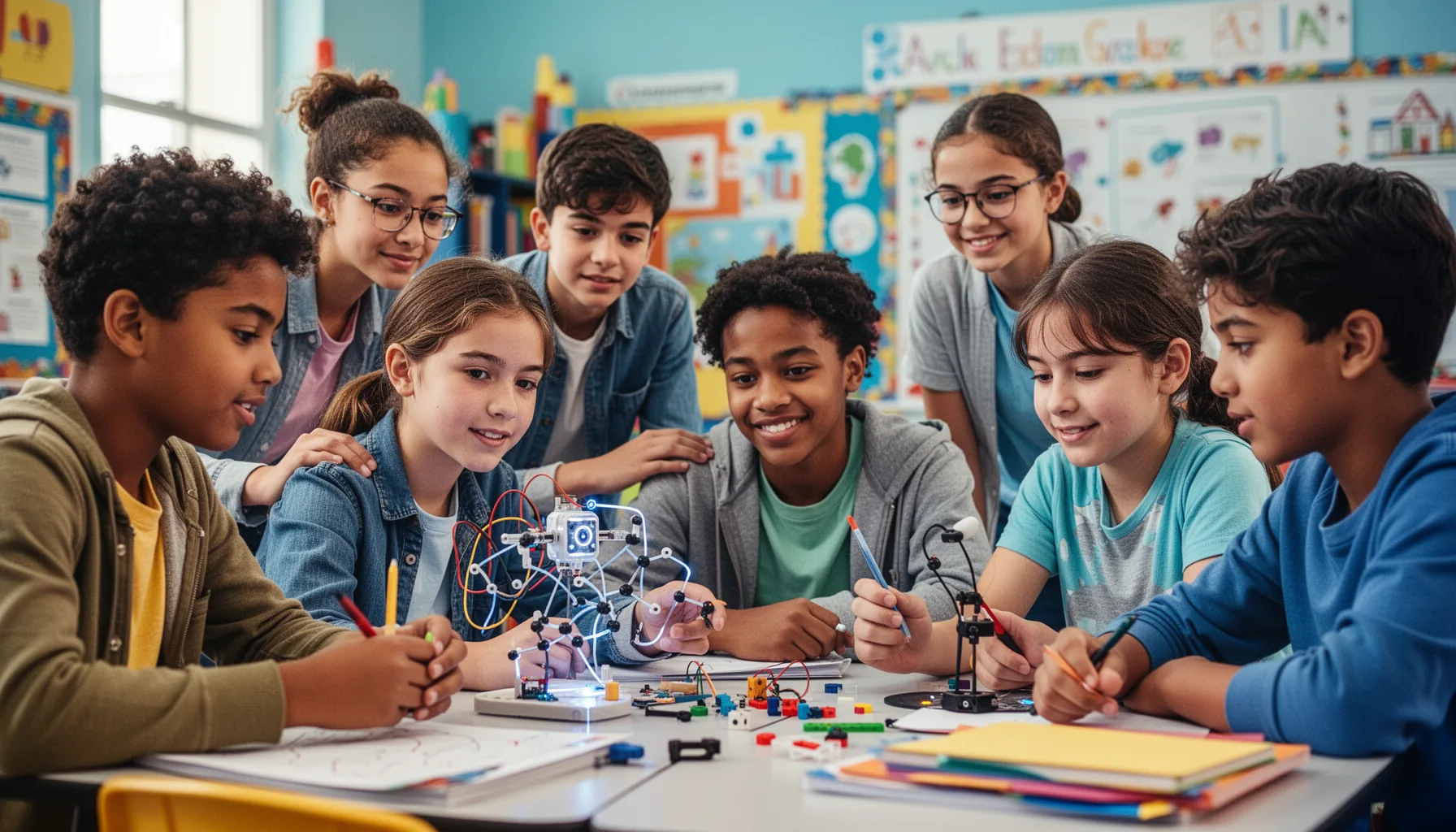
Education for the age of artificial intelligence should move away from memorization-first teaching and toward evaluation, creation, and durable habits. Students still need knowledge, because you can't critique what you don't understand, but the classroom model has to go beyond asking for answers a chatbot can produce in ten seconds. The International Society for Technology in Education has urged schools to teach responsible AI use through inquiry, verification, and transparent classroom norms. That's a sensible baseline. A history assignment, for example, should ask students to compare AI-generated interpretations with primary sources, not just produce a summary. And schools should assess process more often. Drafts. Oral defense. Peer critique. Reflection. Intelligence vs strength in the AI age isn't a false choice, but education systems that reward only speed and recall are probably training students for a world that's already fading. We'd say that's consequential.
Key Statistics
Frequently Asked Questions
Key Takeaways
- ✓AI raises the value of resilience, judgment, and adaptability alongside academic intelligence.
- ✓Students need human strengths that matter in the AI era, not just test scores.
- ✓Education for the age of artificial intelligence should reward character and problem-solving.
- ✓Why resilience matters in an AI future comes down to uncertainty and constant change.
- ✓The smartest students won't always win; the most durable learners often will.