
⚡ Quick Answer
Introduction to generative AI means understanding systems that learn patterns from huge datasets and then generate new text, images, music, code, or video from those patterns. It feels creative because the outputs are often original combinations, but the models don’t think or imagine the way people do.
Generative AI starts with a plain idea: machines can study patterns inside human-made content, then produce new material that feels oddly original. It sounds almost magical. But the machinery is far less mystical than the hype implies. Text systems predict the next token. Image systems peel away noise, one step at a time. And both depend on giant training runs spread across data centers operated by OpenAI, Anthropic, Google, and Meta. The bigger story isn't that machines turned into artists overnight. It's that statistical prediction got good enough to mimic many outer layers of creativity. Worth noting.
What is introduction to generative AI for beginners really explaining?
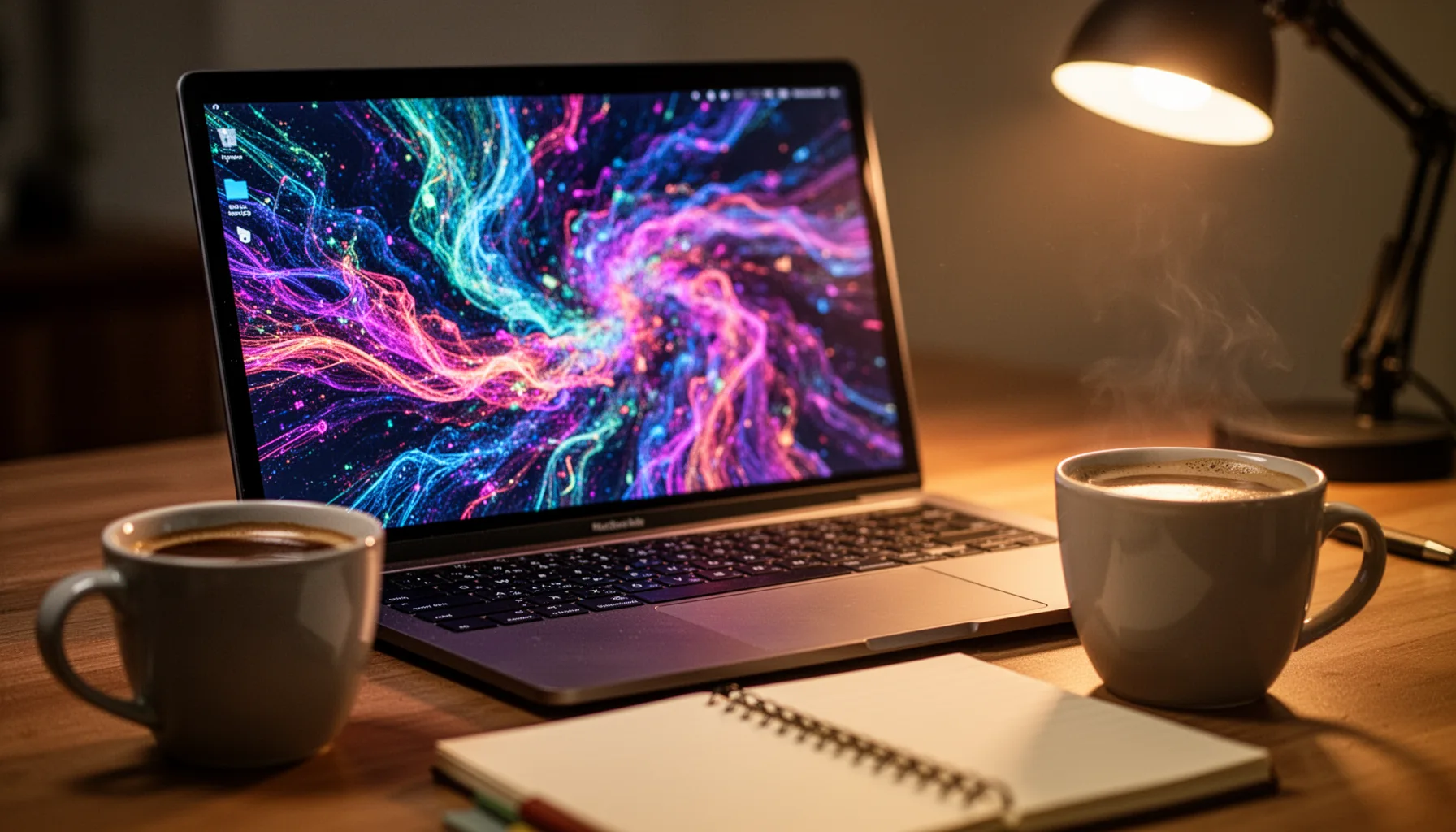
For beginners, generative AI really means learning how models absorb patterns and then produce new outputs from those learned structures. Put more simply, a generative model studies examples, compresses statistical relationships, and returns likely continuations or variations when you hand it a prompt. In text systems like ChatGPT or Claude, the core units are usually tokens. Not full ideas. Just chunks of words or subwords. That's a key detail. A transformer then relies on attention mechanisms, first laid out in Google's 2017 paper "Attention Is All You Need," to decide which earlier tokens matter most for predicting the next one. We'd argue plenty of beginner explainers miss the point here. They rush to the flashy demo. They skip the engine. Think less "novelist with inspiration" and more "extremely fast prediction system" trained on a huge share of written language and its recurring patterns. That's a bigger shift than it sounds.
How do generative AI models work with tokens, transformers, and diffusion?
Generative AI models learn probability distributions over data, then sample from them in structured ways. For language models, training usually means pushing trillions of tokens through transformer networks and tuning billions of parameters with gradient descent so next-token prediction gets better over time. Sounds abstract. Yet the practical outcome is pretty direct: you type a prompt, and the model estimates which token sequence most plausibly follows from your input and training history. Image generators like Midjourney, Stable Diffusion, and Adobe Firefly often rely on diffusion methods. Here's the thing. The system learns to reverse a process that gradually corrupts images with noise. During generation, it starts from random noise and strips that noise away step by step until a coherent image appears, often with guidance from a text encoder. The result can feel imaginative because the output wasn't copied verbatim. But the model still doesn't "see" the world the way a human painter does. And that's the heart of it: these systems can synthesize, but synthesis isn't lived experience. Worth noting.
What is generative AI with examples across text, images, music, and code?
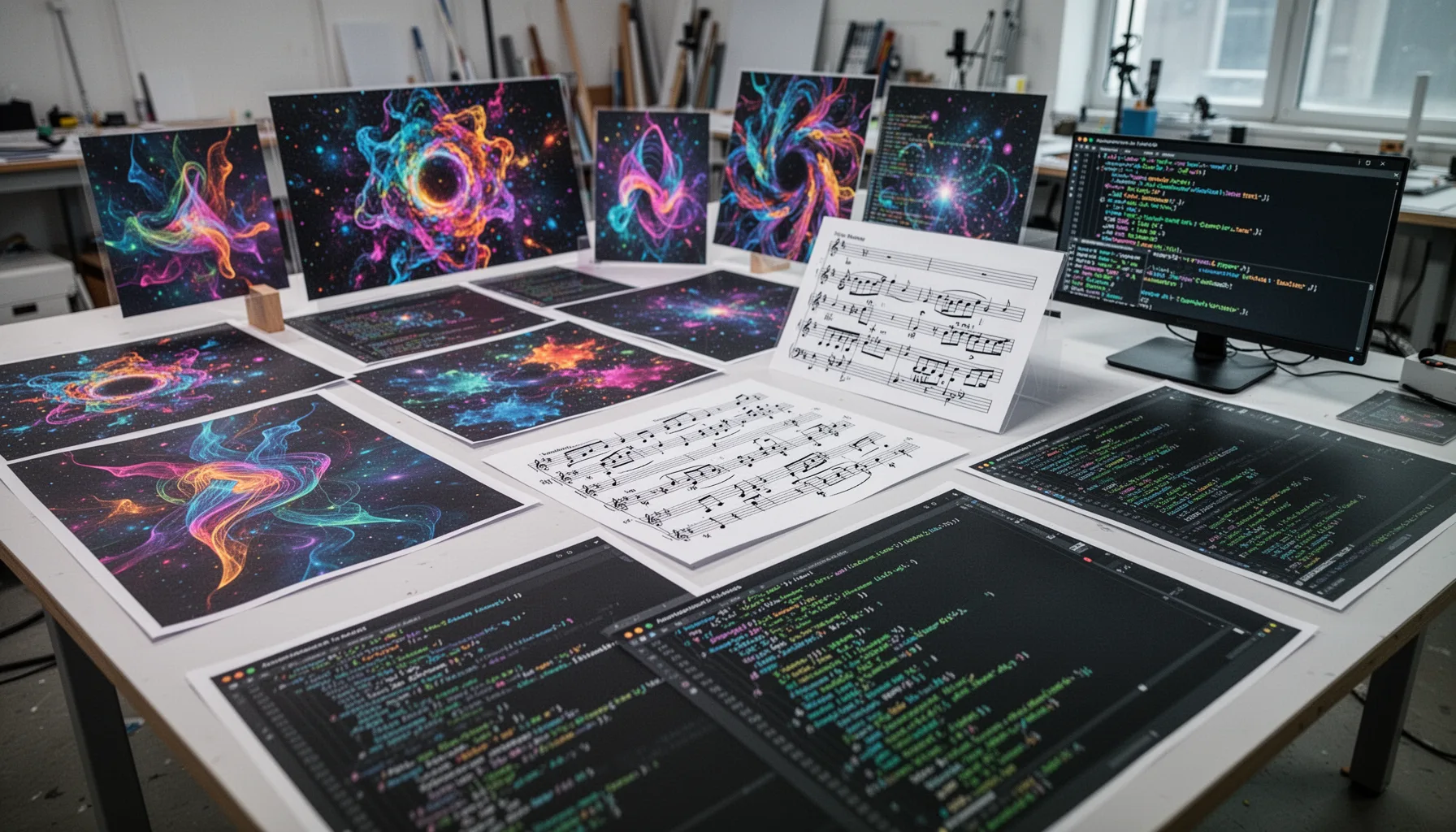
The easiest way to answer "what is generative AI" is to look at what kinds of media it can produce. In text, Claude, ChatGPT, and Gemini can draft emails, summarize reports, or spin up fictional dialogue by predicting likely token sequences. In images, DALL-E, Firefly, and Stable Diffusion can turn a prompt like "a rainy Tokyo alley in watercolor" into a polished visual in seconds. Music tools such as Suno and Udio create songs by modeling relationships among melody, rhythm, lyrics, and production patterns. Code assistants like GitHub Copilot and Claude Code suggest functions, tests, and refactors based on learned software patterns from public and licensed repositories. We're seeing a broad pattern. Not quite. What we're seeing is software that can move across styles and mediums with unusual fluency, which is why it feels creative in the first place. But output quality still depends heavily on prompt clarity, data quality, and how narrow the task is. That's a bigger shift than it sounds.
How generative AI is changing creativity and where the illusion breaks down

How generative AI changes creativity comes down to speed, iteration, and access. But the illusion of machine originality weakens once you inspect intent and understanding. A designer can produce twenty logo directions before lunch. A marketer can test headline variations in minutes. An indie developer can scaffold app copy and starter code without hiring a full team. That's real change. Adobe has folded generative features into Photoshop, and Canva now sells AI-assisted design flows that sharply reduce routine production work for small businesses. Still, these systems don't know why a poem stings, why a melody releases tension, or why a character arc matters to a reader beyond patterns found in earlier examples. So generative AI widens access to making things, yet it can also flatten style into average taste when creators lean on it too hard. Our view is blunt: AI works best as a creative amplifier and worst when people pretend it has a point of view. Worth noting.
What are the benefits and risks of generative AI in practice?
The benefits and risks of generative AI sit right next to each other, and beginners need both sides of the story. On the upside, these systems cut production costs, speed up brainstorming, support accessibility through translation and summarization, and give non-specialists a real leg up when they need decent first drafts in text, image, or code. McKinsey estimated in 2023 that generative AI could add trillions of dollars in annual economic value across industries, mostly through productivity gains in knowledge work. That's the upside. The risks are just as concrete: hallucinated facts, embedded bias, copyright fights, opaque training data, security misuse, and huge waves of synthetic content that make trust online harder to hold onto. The U.S. National Institute of Standards and Technology AI Risk Management Framework gives teams a practical starting point for governing these systems. And companies should work with that kind of framework instead of relying on vibes. If you're learning this field, keep one line in mind: generative AI can produce convincing output far more reliably than dependable truth. We'd argue that's the part people forget first.
Key Statistics
Frequently Asked Questions
Key Takeaways
- ✓Generative AI predicts patterns, not meaning, and that distinction isn't trivial.
- ✓Transformers power text tools, while diffusion models drive many image generators.
- ✓The creative magic comes from remixing learned structure at massive scale.
- ✓Generative AI can speed up writing, design, coding, and music ideation.
- ✓Its risks include hallucinations, bias, copyright disputes, and synthetic spam.