
⚡ Quick Answer
An LLM chess coach explains moves in human terms by turning engine evaluations into plans, patterns, and positional ideas. For most club players, that makes analysis more useful than staring at centipawns or five-move engine lines.
"LLM chess coach" is the phrase that really matters here, because raw engine analysis usually tells improving players far too little. It gives the move. Then it leaves. That's the hole this kind of tool tries to fill. For players under roughly 1800, the real issue isn't reading a +0.7 eval; it's grasping why a backward pawn, weak dark squares, or a misplaced knight changed the entire game. Worth noting.
Why an LLM chess coach makes more sense than raw engine lines

An LLM chess coach makes sense because most amateurs lose on understanding, not calculation depth. Stockfish still sets the standard for move selection, but its output assumes the player can turn evaluations into strategic language on the fly. That's a big ask. In a typical Chess.com rapid game, someone may see that 18...Rc8 beats 18...Re8, yet still have no idea the rook belongs on the half-open file to hit c2 and back a later ...d5 break. That's where an explanation-first tool makes the difference. We'd argue it's a better match for real improvement. People remember plans longer. Here's the thing. That's a bigger shift than it sounds.
How this LLM chess coach explains moves like a grandmaster
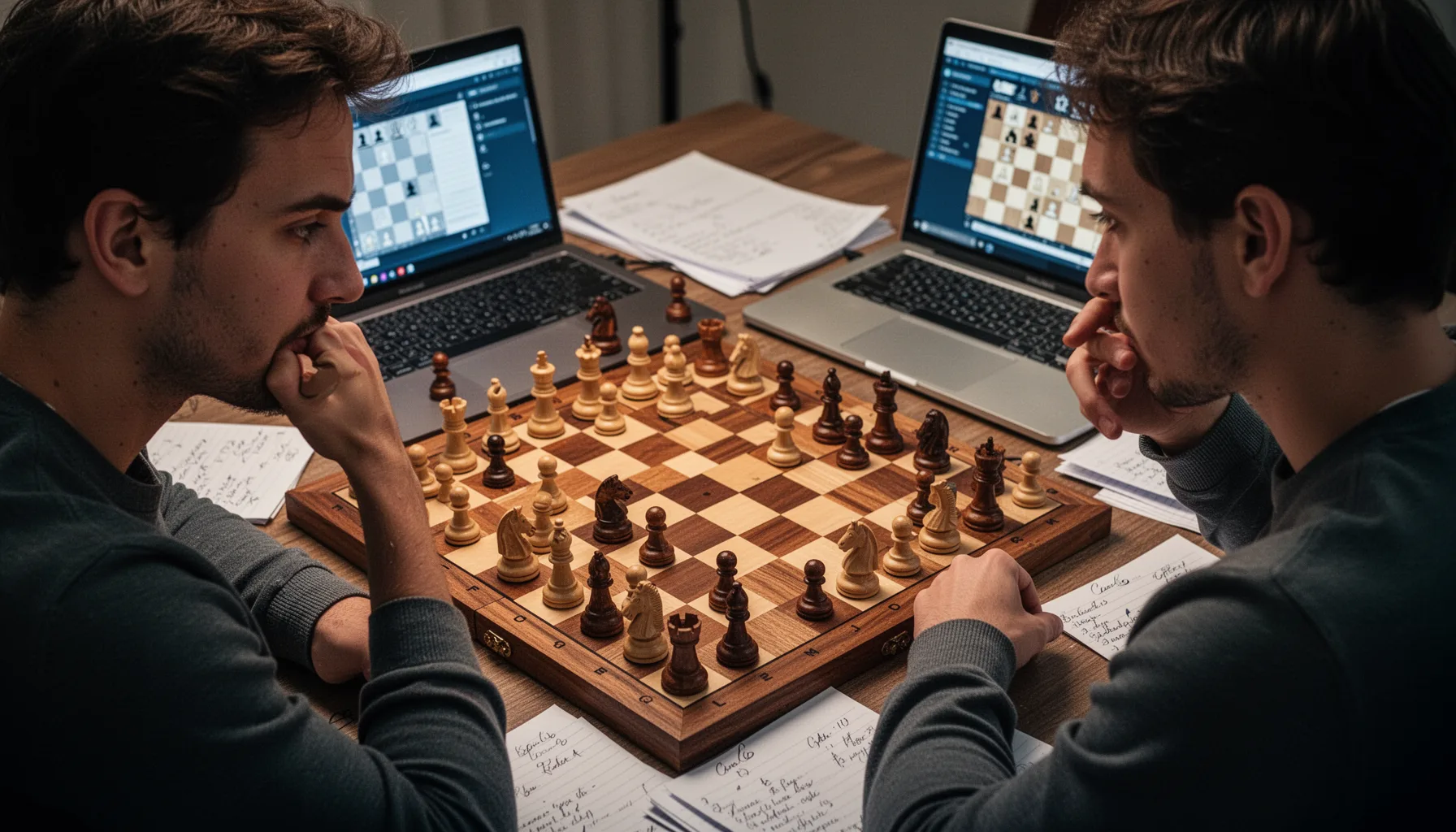
This LLM chess coach works by pairing engine truth with language that sounds more like a strong human coach. The workflow is simple enough. Import a game from Chess.com or Lichess, run engine review, spot the critical moments, then let the model describe plans, key squares, structural imbalances, and candidate ideas in plain speech. So instead of saying only "-1.2 after 23.Bf4," the system might say White gave Black a stable outpost on e5, weakened the c-file, and missed the chance to trade into a favorable minor-piece ending. That's much closer to how grandmasters teach in books and post-game notes. Capablanca did this constantly. Databases like Lichess studies and annotated classics from players such as Capablanca or Karpov suggest the same thing: good explanation ties moves to long-term ideas. And when the tool flags motifs like isolated queen's pawns or bishop-versus-knight endgames, it starts to feel less like a calculator and more like a coach. Not quite human. Still. Worth noting.
Is an LLM chess coach a real Stockfish alternative for explanations
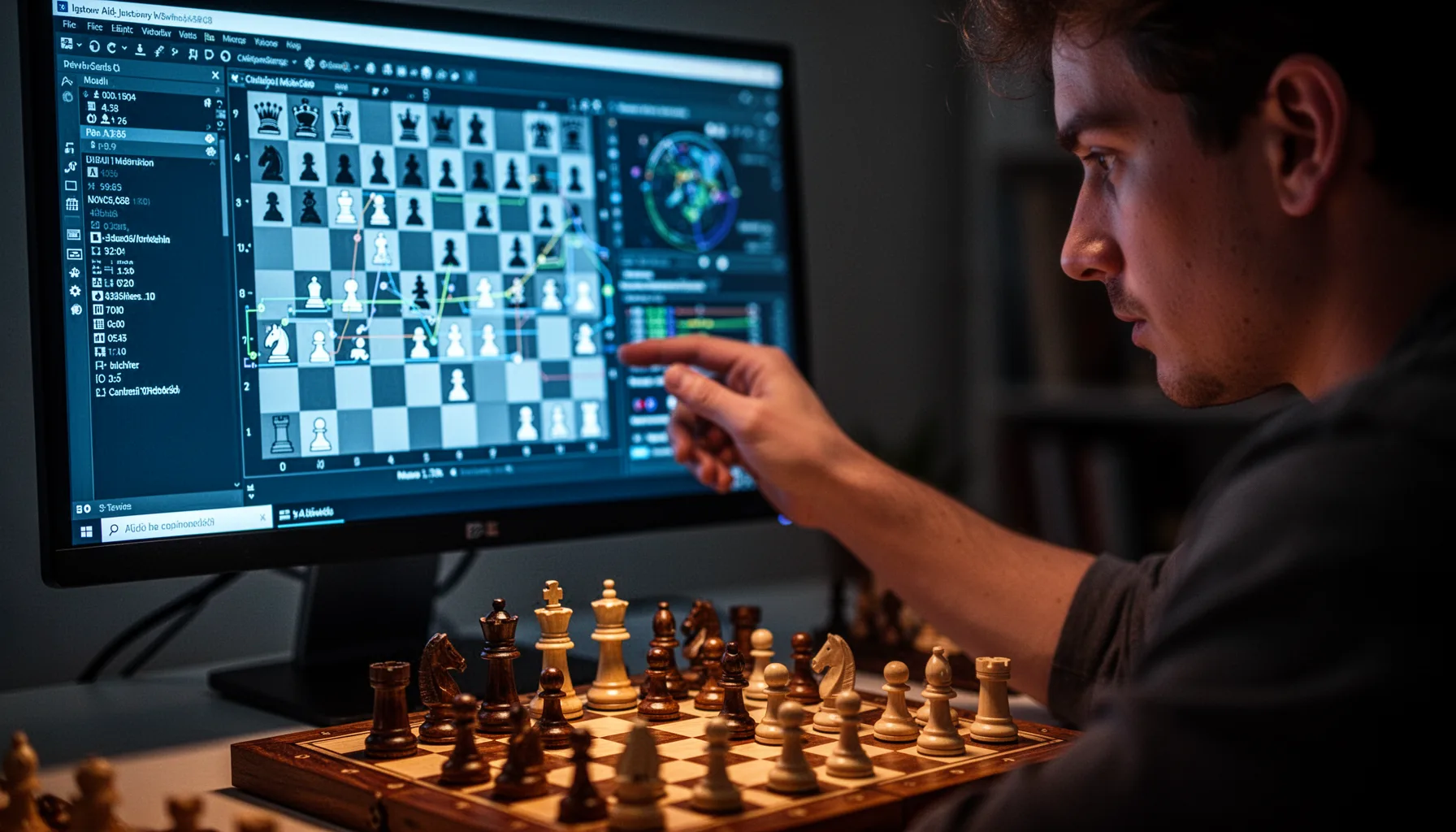
An LLM chess coach is a real Stockfish alternative for explanations, but it isn't a substitute for engine accuracy. That's the key distinction. You still want Stockfish, Leela Chess Zero, or another top engine to evaluate the position, because language models can invent tactical stories when you let them roam alone. But as a translation layer, they can be excellent. Think of it this way. The engine finds the move. The model explains the lesson. That mix is probably the best chess analysis tool for beginners, especially next to interfaces that dump three top lines and expect pattern recognition to do all the work. We’re seeing a clearer split of duties here. And the strongest products in this space won't beat Stockfish; they'll make Stockfish finally readable for humans. That's a smarter goal than it sounds.
What makes the best chess analysis tool for beginners actually useful

The best chess analysis tool for beginners gives specific, actionable coaching instead of vague praise or blame. It should tell you why a move failed, what plan should have replaced it, which piece sat badly, and what type of position you handled poorly. That's the bar. A useful AI chess coach that explains moves also needs clean imports from Chess.com and Lichess, because friction kills review habits fast. If players have to paste PGNs manually every single time, many just won't study. We'd also want recurring mistake detection, such as overpushing flank pawns, trading the wrong defender, or missing basic prophylaxis in equal positions. Simple enough. And the best versions will separate tactical blunders from conceptual errors, since those get fixed in very different ways. Magnus Carlsen may not need that split. Most club players do. Worth noting.
Key Statistics
Frequently Asked Questions
Key Takeaways
- ✓An LLM chess coach turns engine output into plain-English coaching players can actually work with.
- ✓Beginners usually need plans and patterns, not ten-move tactical lines with no context.
- ✓Chess.com and Lichess imports make post-game review faster and far more practical.
- ✓The best tools pair Stockfish accuracy with grandmaster-style explanation, not engine output by itself.
- ✓If you're under 1800, explanation quality often matters more than raw evaluation depth.