
⚡ Quick Answer
OpenAI ChatGPT ads visual upgrade matters because it turns ads into a new conversational interface format, not just prettier placements. Brands will need creative built for dialogue, trust cues, and answer context rather than standard search or social ad habits.
OpenAI ChatGPT ads visual upgrade sounds cosmetic at first. But it isn't. Once ads turn more visual inside a conversational product, they start steering how people read answers, infer intent, and decide what to trust. That's a bigger shift than many ad buyers assume. And if brands treat these placements like search ads in prettier wrapping, they'll likely burn budget. And irritate users, too.
What does OpenAI ChatGPT ads visual upgrade actually change?

The OpenAI ChatGPT ads visual upgrade changes the interface's grammar by making commercial messages feel tucked into the answer experience itself. In a plain-text setting, users can usually tell system output from sponsored material without much strain. Visual treatment changes that equation. New cards, richer imagery, branded modules, or tighter recommendation blocks can make scanning easier, but they can also look like product guidance rather than advertising. That's not trivial. We've seen a version of this in search, where sponsored shopping units gained more visual heft over time and shifted click behavior even when labels remained. Perplexity has already tested sponsor-style commerce prompts and question flows, which gives the market an early look at how conversational monetization can blur utility and promotion. Here's the thing. OpenAI isn't just refreshing creative templates; it's shaping a new interface category where ad design and answer design are getting hard to pull apart.
Why OpenAI ChatGPT ads visual upgrade raises trust and disclosure questions

The OpenAI ChatGPT ads visual upgrade raises trust questions because users judge answer credibility partly by layout, not just by wording. If a sponsored element looks too close to a suggested next step or cited source, people may give it more editorial weight than it deserves. That's a real problem. The US Federal Trade Commission has repeatedly said digital ad disclosures must stay clear and conspicuous, and those principles don't vanish because the ad lives inside a chatbot. In search, users bring decades of learned behavior to sponsored results; in AI assistants, those cues are still forming, which makes design choices more consequential. Worth noting. Imagine a travel recommendation in ChatGPT that pairs itinerary advice with a polished hotel module from a paying brand: even with a label, users may read the visual confidence of the card as algorithmic endorsement. We'd argue OpenAI has to overinvest in disclosure here, because conversational interfaces borrow authority from tone and flow in ways banner ads never could. Better visuals can raise performance, sure, but one sloppy disclosure pattern could do far more damage to trust than it adds to click-through rate.
How does OpenAI ChatGPT ads visual upgrade compare with search and Perplexity?

OpenAI ChatGPT ads visual upgrade differs from search and Perplexity because the user expects synthesis first, not a ranked menu of options. Google Search ads interrupt or complement a page of links, while ChatGPT ads appear inside a turn-based dialogue where the model already feels like an assistant. That difference is huge. Perplexity's commercial tests often keep one foot in search behavior by framing sponsored prompts and shopping queries around discovery tasks, but ChatGPT users may show up with broader, less transactional intent. So ad units have to do more contextual work without hijacking the answer. Search advertisers can often win with intent matching and a strong headline; conversational advertisers probably need answer-aware creative, timing logic, and stricter relevance thresholds. Not quite the same playbook. We saw something similar when voice assistants struggled with ad insertion years ago, because users had little patience for anything that felt off-script or opportunistic. And while marketers will compare OpenAI's moves with Google and Perplexity, the smarter comparison is a hybrid of search UX, recommendation design, and assistant trust mechanics.
What should ChatGPT ads for brands look like in a conversational interface?

ChatGPT ads for brands should look like useful, compact answer extensions rather than mini display ads dropped into a chat. The best creative will likely answer an immediate sub-question, point to one or two proof points, and make the commercial relationship unmistakable. Less is more. A finance brand, say Chase, shouldn't flood the chat with rate tables and slogans; it should offer a clearly labeled comparison card, an eligibility note, and one next action the user can take. Shopify merchants, Expedia-style travel marketers, and software vendors will probably do better with structured utility modules than image-heavy brand stunts. And conversational-native creative needs to respect that users are in a reasoning flow, not a browsing mood, which changes copy length, visual density, and CTA design. We'd argue that's a bigger shift than it sounds. We think marketers who repurpose search extensions or social cards without adaptation will underperform badly. The winning ad won't look louder. It will look more helpful.
How to advertise on ChatGPT without hurting performance or user experience
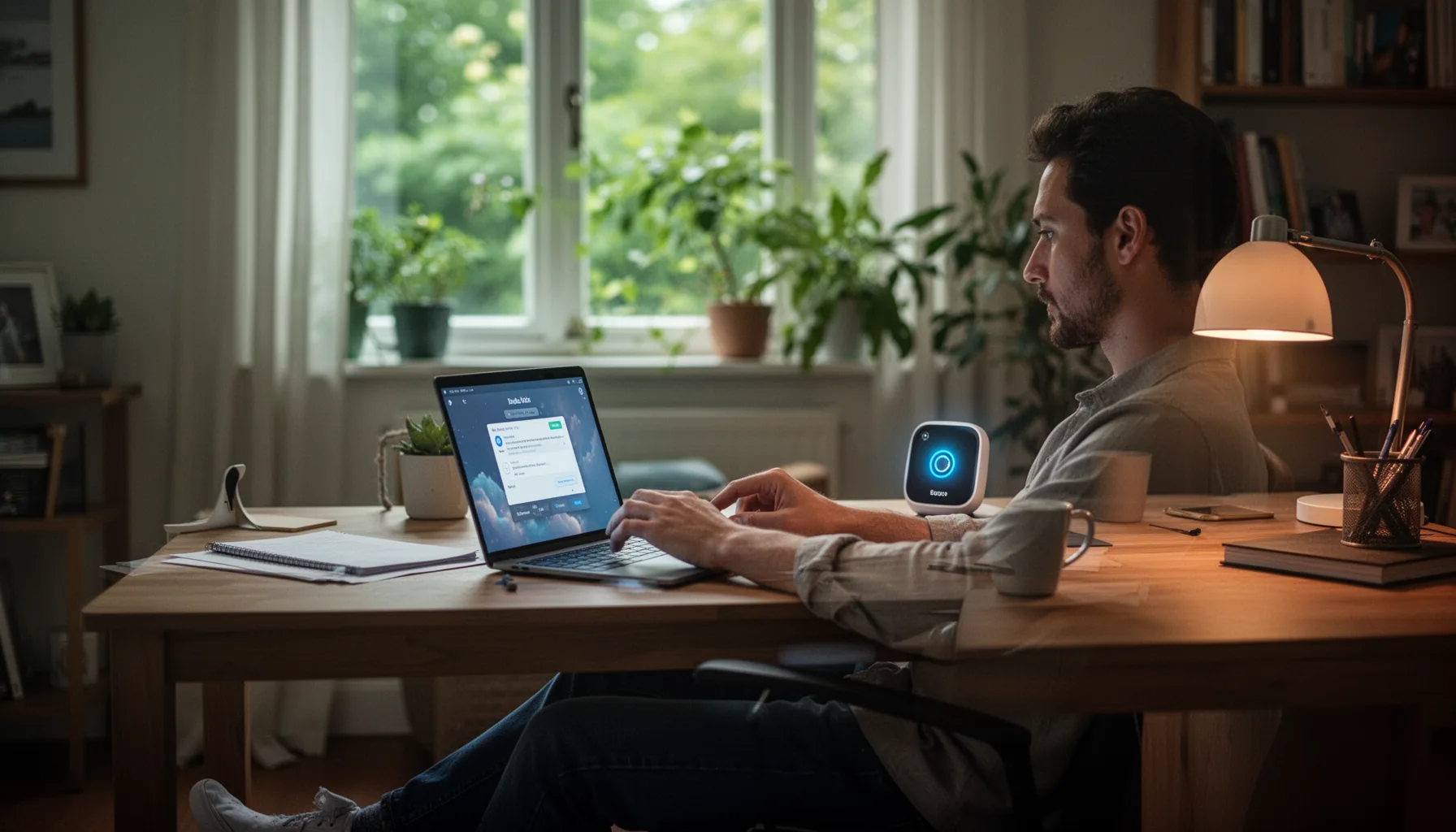
To advertise on ChatGPT well, brands should design for relevance, transparency, and interaction quality before they chase volume. Start by mapping the user journey around questions, follow-ups, and decision stages, because conversational intent unfolds over several turns rather than a single query. That changes targeting. Marketers should test whether an ad belongs in the initial answer, after clarification, or only when the user signals purchase intent, and they should measure assisted outcomes rather than relying on last-click habits alone. Adobe, Google, and Microsoft have spent years teaching marketers that format changes require new measurement frameworks, and ChatGPT will likely force another reset around attention, trust, and answer completion. Simple enough. A bad placement here doesn't just waste spend; it can make the whole interaction feel less credible, which turns into a brand safety issue in different clothing. My advice is early but firm: brands should treat OpenAI ChatGPT ads visual upgrade as a product design challenge first and a media buying opportunity second.
Step-by-Step Guide
- 1
Map conversational intent paths
Identify the questions users ask before they become ready to click, compare, or buy. Separate exploratory prompts from high-intent prompts so you don’t force ads into the wrong moment. And build creative around the next likely user need, not just the first query.
- 2
Write utility-first ad copy
Create copy that resolves a sub-question quickly and clearly. Use plain language, one benefit, and a visible disclosure instead of promotional clutter. Chat users reward relevance more than volume.
- 3
Design compact visual modules
Build ad units that scan fast inside chat without overpowering the answer. Limit visual noise, keep hierarchy obvious, and make sponsorship labeling impossible to miss. Trust starts with layout.
- 4
Test disclosure treatments aggressively
Run experiments on labels, spacing, iconography, and placement to see what users understand at a glance. If people confuse an ad with an answer, the design failed even if clicks rise. Short-term gains can become long-term damage.
- 5
Measure answer-ad interaction quality
Track more than CTR by watching dwell patterns, follow-up questions, answer abandonment, and downstream conversions. Conversational ads affect perception of the whole session. You need session-level reporting, not only ad-unit metrics.
- 6
Adapt creative by intent segment
Use different assets for discovery, evaluation, and purchase-ready moments. A branded explainer may work earlier, while comparison modules and booking prompts fit later stages. One-size-fits-all creative usually breaks in chat.
Key Statistics
Frequently Asked Questions
Key Takeaways
- ✓The OpenAI ChatGPT ads visual upgrade changes interface design as much as monetization
- ✓Better visuals can lift attention, but they can also weaken trust if labeling slips
- ✓ChatGPT ads for brands will need conversational-native creative, not repurposed display units
- ✓Perplexity and search offer useful comparisons, but ChatGPT's interaction model is different
- ✓Marketers should prepare for disclosure, measurement, and creative testing to shift quickly