
⚡ Quick Answer
OpenAI targets small advertisers as it looks for scalable ways to monetize ChatGPT beyond subscriptions and enterprise deals. If ads arrive, they will probably look less like classic search placements and more like disclosed, context-aware conversational sponsorships with tighter trust controls.
OpenAI is going after small advertisers, and that single move hints at more than the headline lets on. This isn't only about slipping ads into ChatGPT. It's about whether conversational AI can support a real ad market without damaging user trust, answer quality, or the product's basic identity. And if OpenAI gets that balance right, the aftershocks won't stop with ChatGPT. That's a bigger shift than it sounds.
Why OpenAI targets small advertisers now

OpenAI is targeting small advertisers because small-business budgets bring scale, repeat spend, and a far wider field of possible buyers than a short list of giant brands. OpenAI already brings in money from consumer subscriptions, API revenue, and enterprise deals, but ad revenue would add a different stream tied to usage and commercial intent. That's not trivial. It looks appealing if ChatGPT keeps settling into everyday life as a daily utility. Smaller advertisers also put up with self-serve tools more readily than big brands do. So OpenAI can test product-market fit without assembling a full Madison Avenue machine on day one. We've watched this playbook before on platforms from Google to Meta. Start simple. Pull in SMB demand. Then add targeting and measurement later. But conversational interfaces aren't search result pages. Not quite. Any advertising move inside ChatGPT has to respect the fact that people treat the assistant like an answer engine, not a banner dump. Reuters reported in 2024 that OpenAI had grown revenue quickly and explored several monetization paths, which makes the financial logic behind this push pretty plain. Worth noting.
What advertising in ChatGPT could realistically look like

Advertising in ChatGPT will probably work only if the format feels native to the conversation and stays clearly labeled for users. The most believable options include sponsored follow-up prompts, paid placement in commercial recommendation flows, shopping-style product cards, or premium business profiles that appear when a user signals buying intent. Not every format will make it. We'd argue display-style clutter inside a chat thread would fade fast because it would make the product feel cheap in a hurry. A better route may look more like sponsored option modules with disclosure, pricing, reviews, and a reason they're there. Think Perplexity. Or Microsoft's Bing AI. Both have already tested versions of ads and commerce mixed into AI-driven experiences. Here's the thing. The design rule is harsh but simple: the ad can't break the answer's core usefulness. If OpenAI succeeds with small advertisers, it'll probably do it through low-friction units that look more like recommendations than standard creative. That's the part worth watching.
OpenAI targets small advertisers, but who actually wins?

OpenAI is aiming at small advertisers, but advertisers won't be the only winners if this works. SMBs could benefit if the platform gives them easier access to buying intent than SEO or Meta's increasingly pricey auction system. Agencies may come out ahead too, especially smaller performance shops that can bundle prompt-aware copy, landing pages, and conversational attribution into one service. Users win only if disclosure stays obvious and answer quality holds up. That's the bargain. OpenAI wins if it builds a fresh revenue engine without nudging people toward Claude, Gemini, or Perplexity instead. And Google and Meta have the most to lose in strategic terms because ChatGPT captures time and commercial curiosity that might otherwise run into search or social discovery. We'd say this looks less like a direct hit on search ads and more like a new front in intent capture, where the assistant becomes the place people figure out what they want before they click anything. That's a bigger shift than it sounds.
ChatGPT ads impact on digital marketing and attribution

ChatGPT ads impact on digital marketing will depend on whether marketers can measure influence, not just clicks. Search ads work because user intent, ad placement, and conversion paths line up in a fairly neat way. In conversational AI, the path gets messier. A person might ask five exploratory questions, compare options, leave for a browser, and buy days later. That muddies attribution for SMBs that need proof quickly. So OpenAI may need assisted-conversion metrics, downstream analytics integrations, or merchant-side reporting to make the ad platform genuinely useful. And privacy rules won't let it copy the old ad-tech script line for line. The Interactive Advertising Bureau and regulators on both sides of the Atlantic have pushed harder on disclosure and consent in AI-mediated experiences, which means any openai ad platform for advertisers has to be transparent by design. Simple enough. If measurement stays fuzzy, big brands may test the waters, but smaller advertisers won't hang around long. Shopify merchants would notice that fast. Worth noting.
ChatGPT advertising strategy 2025 will rise or fall on trust
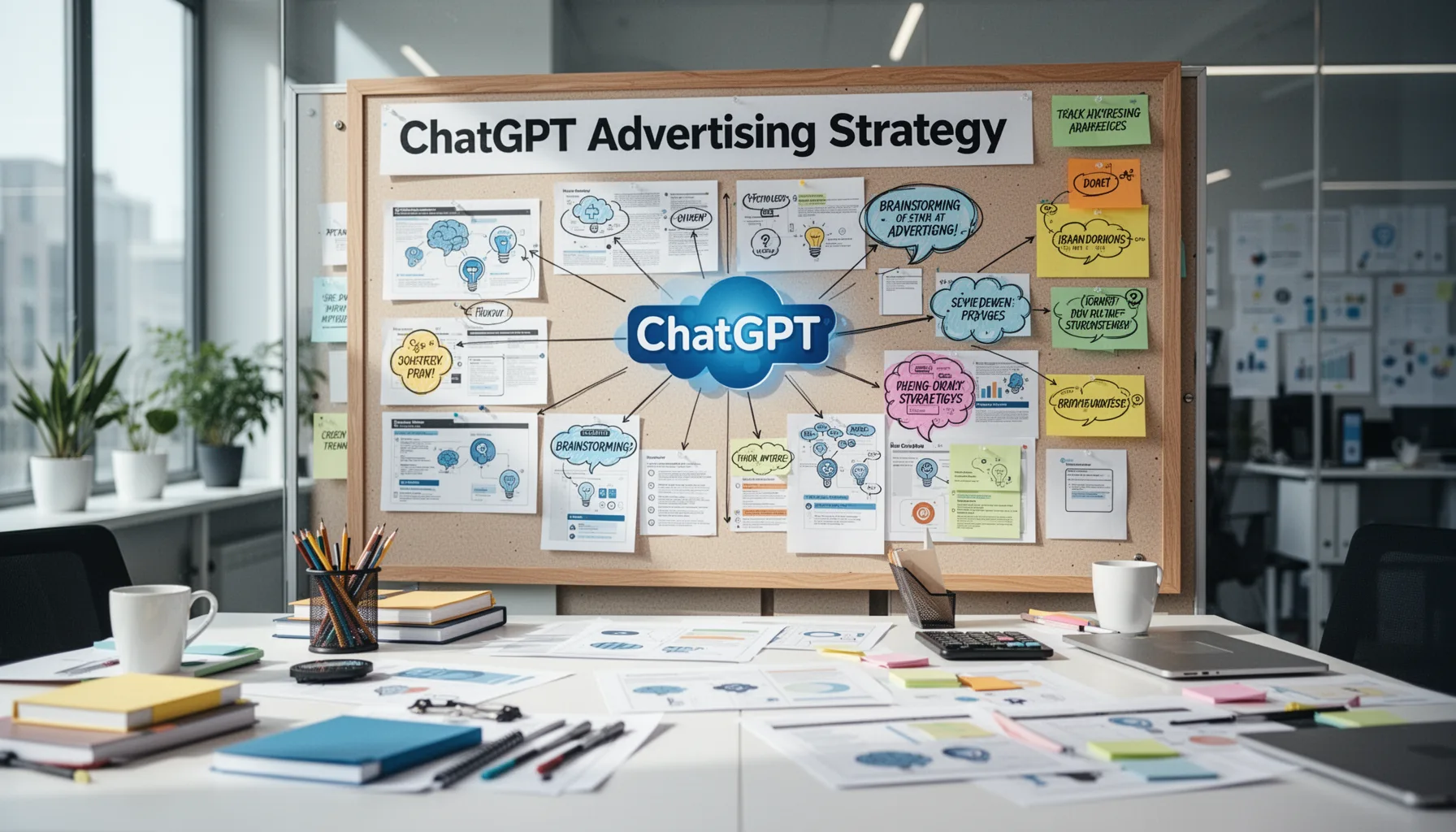
ChatGPT advertising strategy 2025 will stand or fall on trust because conversation feels personal in a way search results usually don't. When an assistant recommends a product, people may read that as advice instead of placement unless the interface makes sponsorship unmistakable. That's why disclosure language, ranking logic, merchant verification, and relevance controls matter so much more here. OpenAI can't afford a trust shock. The company already sits under heavy scrutiny around safety, copyright, and platform power, so a sloppy ad rollout would give critics fresh ammunition. Amazon offers a useful comparison. Once ads take over product search too aggressively, users adapt, but they also grow more skeptical. Yet ChatGPT has less room for that skepticism because the product promise is guidance, not simple retrieval. If OpenAI targets small advertisers and wants this strategy to pay, it has to keep the feeling that the answer serves the user first. We'd argue that's the whole thing.
Key Statistics
Frequently Asked Questions
Key Takeaways
- ✓OpenAI targets small advertisers because enterprise revenue alone may not satisfy long-term growth goals.
- ✓ChatGPT advertising strategy 2025 will likely lean toward lightweight, disclosed conversational ad formats.
- ✓SMBs could gain lower-friction reach, but attribution will be harder than in search.
- ✓Trust and disclosure rules may matter more in ChatGPT than raw placement volume.
- ✓Google and Meta won't ignore any ad product that captures commercial intent inside chat.