
Vercel zero-native framework: a serious Electron alternative
Vercel zero-native framework brings Zig and native WebViews to desktop apps, offering a leaner Electron alternative for many teams.

Table of Contents
Quick Answer
The Vercel zero-native framework is a new open-source desktop app framework that uses Zig and native OS WebViews instead of bundling Electron’s full runtime. The pitch is smaller binaries, lower overhead, and a more native feel for teams that still want web-style UI development.
Vercel’s zero-native framework lands at exactly the right moment. Electron fatigue isn’t imagined. Developers still like web stacks for desktop apps, but they’re tired of shipping a whole Chromium copy for every little utility, dashboard, or launcher. And Vercel Labs thinks zero-native, written in Zig and powered by native WebViews, offers a lighter route. Worth watching.
What is the Vercel zero-native framework and why is Vercel open-sourcing it?

The Vercel zero-native framework is an open-source system for building desktop apps with native OS WebViews instead of the bundled browser runtime Electron relies on. That’s the pitch. Vercel Labs seems to be betting that plenty of desktop apps don’t need Chromium and Node stuffed into every build, especially utilities, internal tools, and productivity software. On macOS, teams often work with WKWebView. On Windows, Microsoft’s WebView2 fills a similar role. Linux usually leans on WebKitGTK or nearby components. And that setup changes the trade-off in a real way. By open-sourcing the project, Vercel pulls in developer attention beyond its cloud business and steps into a broader trend shaped by tools like Tauri, which also pushed hard for lighter desktop packaging. We’d argue that’s a smart move. Developer mindshare often starts with side projects. Then it wanders into bigger platform choices later. The actual news here isn’t just another framework release; it’s Vercel making clear that desktop developer experience still counts inside a web-first company. That’s a bigger shift than it sounds.
How does the zero-native Zig desktop framework work compared with Electron?
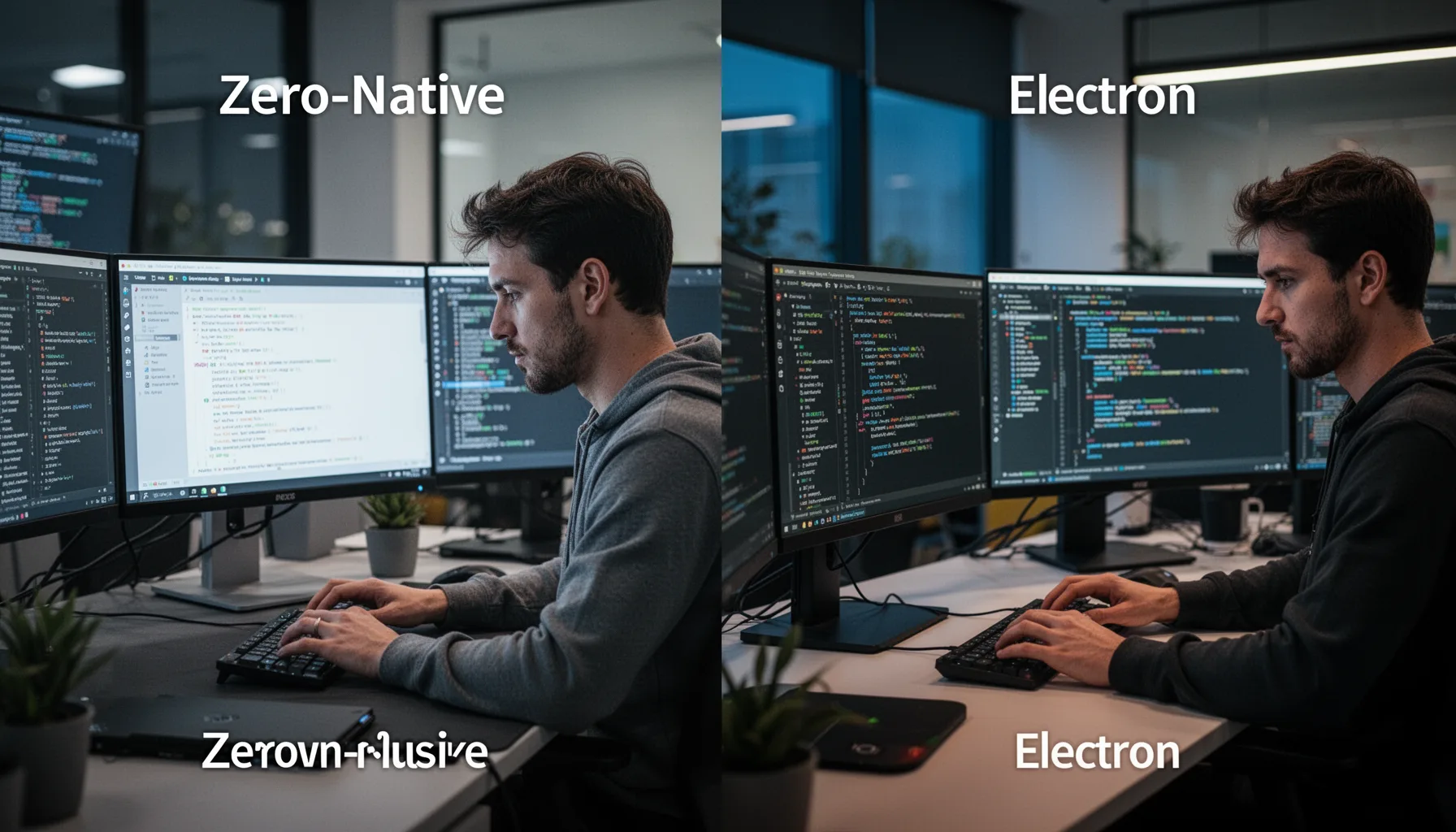
The zero-native Zig desktop framework wraps native WebView features and system APIs rather than embedding a separate browser engine inside every app bundle. That’s the dividing line. Electron ships Chromium and Node.js together, which gives teams consistency across platforms but often adds app size, memory use, startup drag, and a heavier patching burden. By contrast, zero-native relies on the browser engine the operating system already maintains, and Zig gives it a systems-language base known for small binaries, C interoperability, and cross-compilation support. But there’s no free ride. Electron’s draw has always been predictability: one Chromium version, one runtime story, fewer machine-to-machine surprises, and that logic explains why Slack, Notion, and Visual Studio Code went that direction. Zero-native likely asks developers to accept more platform variation in exchange for lower overhead. Fair trade for some apps. Not quite for others. Our view is pretty direct: if your product mostly renders forms, dashboards, editors, and account workflows, zero-native vs Electron stops being a theoretical debate. It’s a live decision now. Worth noting.
Is zero-native vs Electron a real choice for production desktop apps?

Zero-native vs Electron is a real choice for some production apps, but it’s not a blanket replacement for the entire desktop software market. Context matters. Electron remains the safest pick when teams need deep browser compatibility, a huge plugin ecosystem, mature debugging tools, and battle-tested packaging flows across Windows, macOS, and Linux. Still, lighter options have already proved demand exists here; Tauri, for example, passed 90,000 GitHub stars by 2025, which suggests serious developer appetite for smaller native-wrapper desktop apps. And zero-native joins that same discussion with a different flavor through Zig. Here’s the thing. The sharper question is whether Vercel can make developer ergonomics good enough to outweigh the missing comfort blanket of Electron’s mature ecosystem. We’ve watched this play out before. Technical elegance alone doesn’t win. Friction kills promising frameworks fast. If Vercel ships stable APIs, clear packaging guidance, and sharp security boundaries, zero-native could become the Electron alternative native WebView teams actually try instead of merely bookmarking. That matters more than hype.
How do you build native desktop apps with zero-native, and who should care?

Teams will probably build native desktop apps with zero-native by keeping familiar web UI layers while the framework’s Zig-based host exposes native capabilities and packages the result for each platform. That should appeal to a specific crowd. Internal enterprise tool teams, startup builders, and indie developers often want desktop distribution without dragging along a full browser runtime, especially when the app’s value comes from workflows rather than custom rendering engines. Native WebView approaches also fit security-conscious organizations fairly well because they reduce bundled runtime surface area, though they do create dependence on OS-level browser patching and version behavior. And that trade-off needs plain documentation. Microsoft Edge WebView2 offers a concrete comparison, since many Windows apps already rely on it to render modern interfaces inside native shells with lower distribution costs than full-browser bundling. We’d say the sweet spot for the cross-platform native app framework Zig approach is broad, but not universal. Admin consoles fit. AI copilots too. Launchers, settings panels, and companion apps look like obvious candidates. Big IDEs, media-heavy apps, or products that demand exact browser parity may stick with Electron a while longer. Simple enough.
Frequently Asked Questions
What is the Vercel zero-native framework in simple terms?
How is zero-native Zig desktop framework different from Electron?
Why are developers looking for an Electron alternative native WebView option?
Can you build native desktop apps with zero-native for all major platforms?
When should teams choose zero-native vs Electron?
Key Takeaways
- Vercel zero-native framework swaps Electron’s packaged runtime for native system WebViews.
- It’s written in Zig. That keeps the toolchain lean and portable.
- The central promise is smaller apps with less memory overhead.
- Zero-native won’t suit every desktop app, especially products that need deeply custom runtimes.
- For many internal tools, it looks like a credible Electron alternative.