
World of Claudecraft Open Source MMORPG Explained
World of Claudecraft open source MMORPG shows how Claude and Fable 5 can speed AI-made game development in public.
Table of Contents
Quick Answer
World of Claudecraft open source MMORPG is a public experiment in building a playable MMORPG with AI-generated code, assets, and rapid community iteration. Its real significance isn't novelty alone; it's proof that open source plus Claude Fable 5 workflows can compress early game development cycles dramatically.
World of Claudecraft open source MMORPG showed up with a pitch that normally sounds a little overcooked. A 100 percent AI generated game project? In public? And open source too, with developers already shipping updates inside a day. That's why people aren't shrugging it off. The real story isn't only that AI made something playable. It's that a community instantly started pressure-testing whether AI can build a full game under real conditions. Worth noting.
What is World of Claudecraft open source MMORPG?
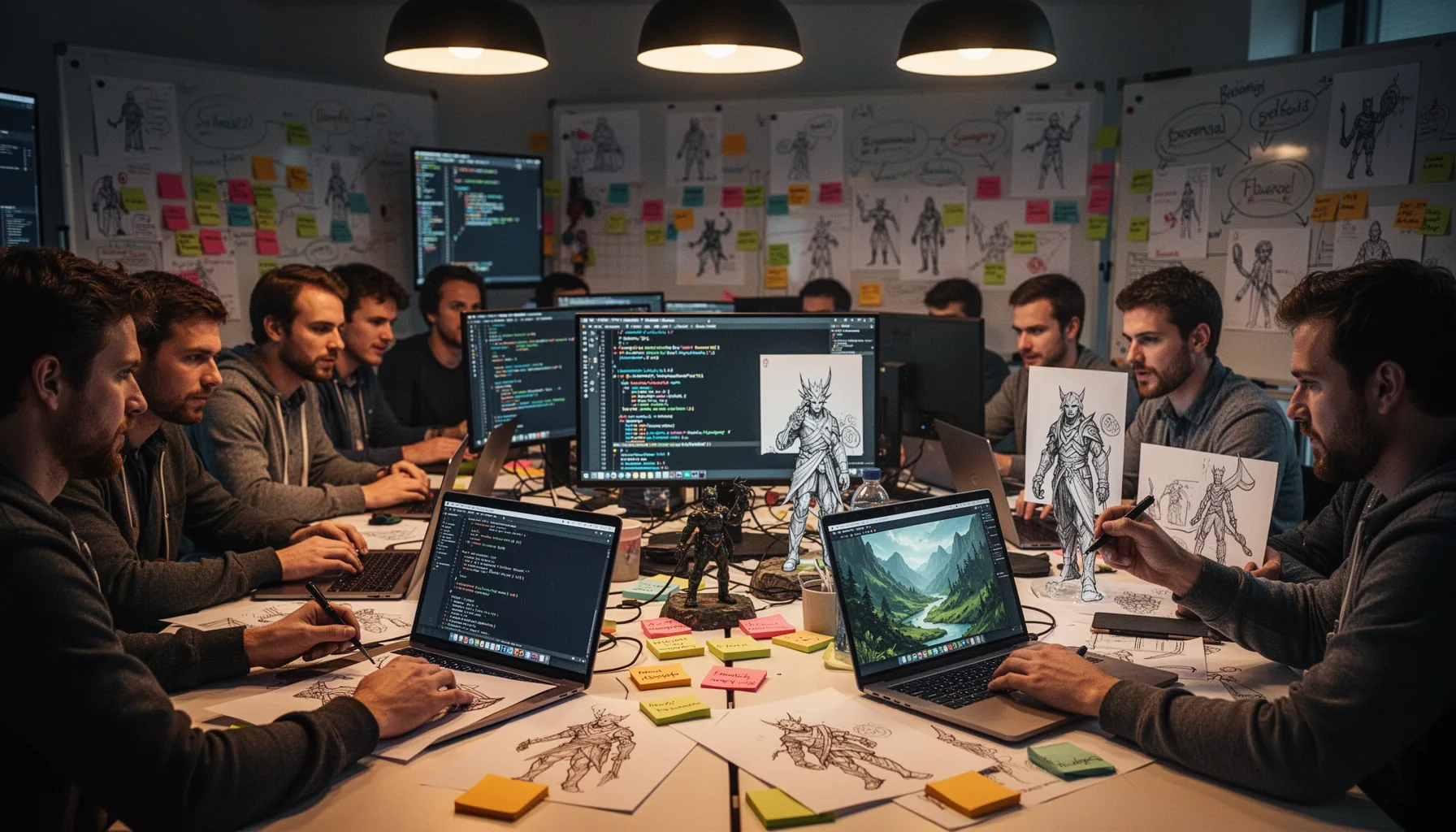
World of Claudecraft open source MMORPG is an openly shared, AI-driven game project built to test how far generative tools can push multiplayer game creation. That's the hook. The central claim is blunt: code, systems, content, and much of the implementation came from AI-heavy workflows instead of a standard studio pipeline. So the project hit developer radar fast. Unlike a sealed tech demo, this one asks the internet to inspect the repo, play the game, and submit changes. That makes the outcome harder to wave away. GitHub's 2024 developer surveys and product updates have repeatedly pointed to rising AI-assisted coding adoption, so the timing doesn't look random. We'd argue the open-source angle matters more than the MMO label, because transparency lets people judge what the AI actually did. That's rarer than it should be. Think of GitHub here as the stage, not just the filing cabinet. That's a bigger shift than it sounds.
Can AI build a full game or only a flashy prototype?
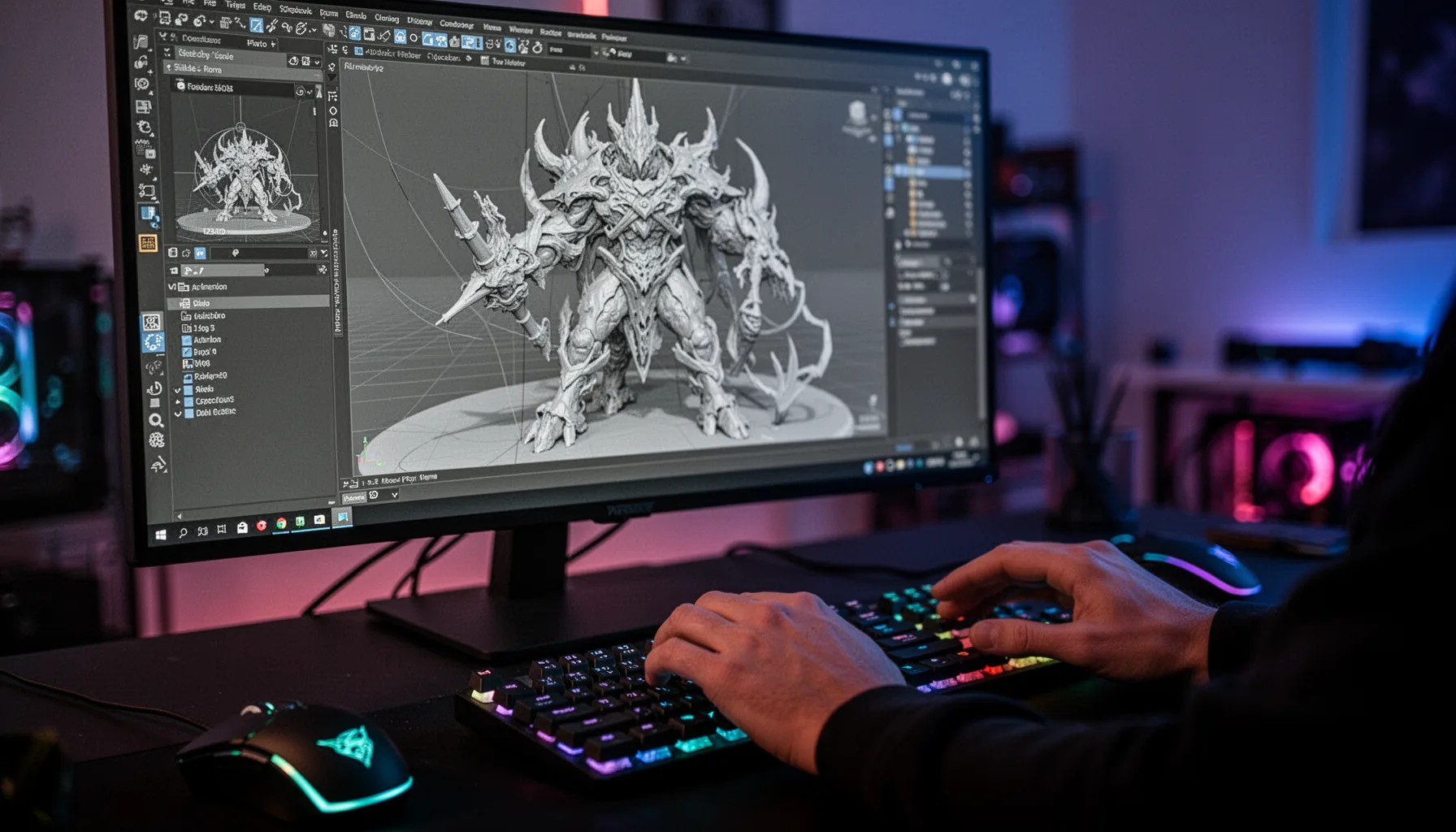
AI can assemble a full game in chunks, but turning that into a stable, live, full game still leans on human judgment and relentless cleanup. Not quite automatic. World of Claudecraft stands out because it moves past concept art and one-off scripts into something users can touch, break, and improve. That's the real exam. Plenty of teams already rely on AI for boilerplate code, quest text, NPC dialogue, item descriptions, and debug support. But an MMORPG brings state management, server logic, progression balance, and uptime headaches. Those constraints are nasty. Epic Games' Unreal Engine ecosystem and Unity's tooling have lowered barriers for years, yet neither one removes the need for architecture discipline. Our read is simple. AI can get a game to first playable much faster, while humans still decide whether it becomes a product instead of a curiosity. We'd argue that's the consequential line. Ask any live-ops team at Roblox and you'll hear why.
How Claude Fable 5 game development changes the pace of iteration
Claude Fable 5 game development seems to matter most because it shrinks the distance between idea, prompt, patch, and playtest. That's the appeal. So projects like World of Claudecraft can feel oddly alive within hours of launch. A developer spots a rough edge, asks the model for a fix, reviews the output, and pushes an update. Then the community piles in. That loop is the headline. Anthropic has positioned Claude models as strong coding assistants, and public benchmarks such as SWE-bench have become a common yardstick for how useful these systems are in practical software work. We'd still be careful about treating benchmark gains as proof of production quality. Here's the thing. For indie and experimental game teams, speed grabs attention before polish does, and this project seems to understand that instinct perfectly. That's worth watching. SWE-bench may set the scorecard, but players still judge the feel.
Why the vibecoded MMORPG GitHub model matters more than the marketing line
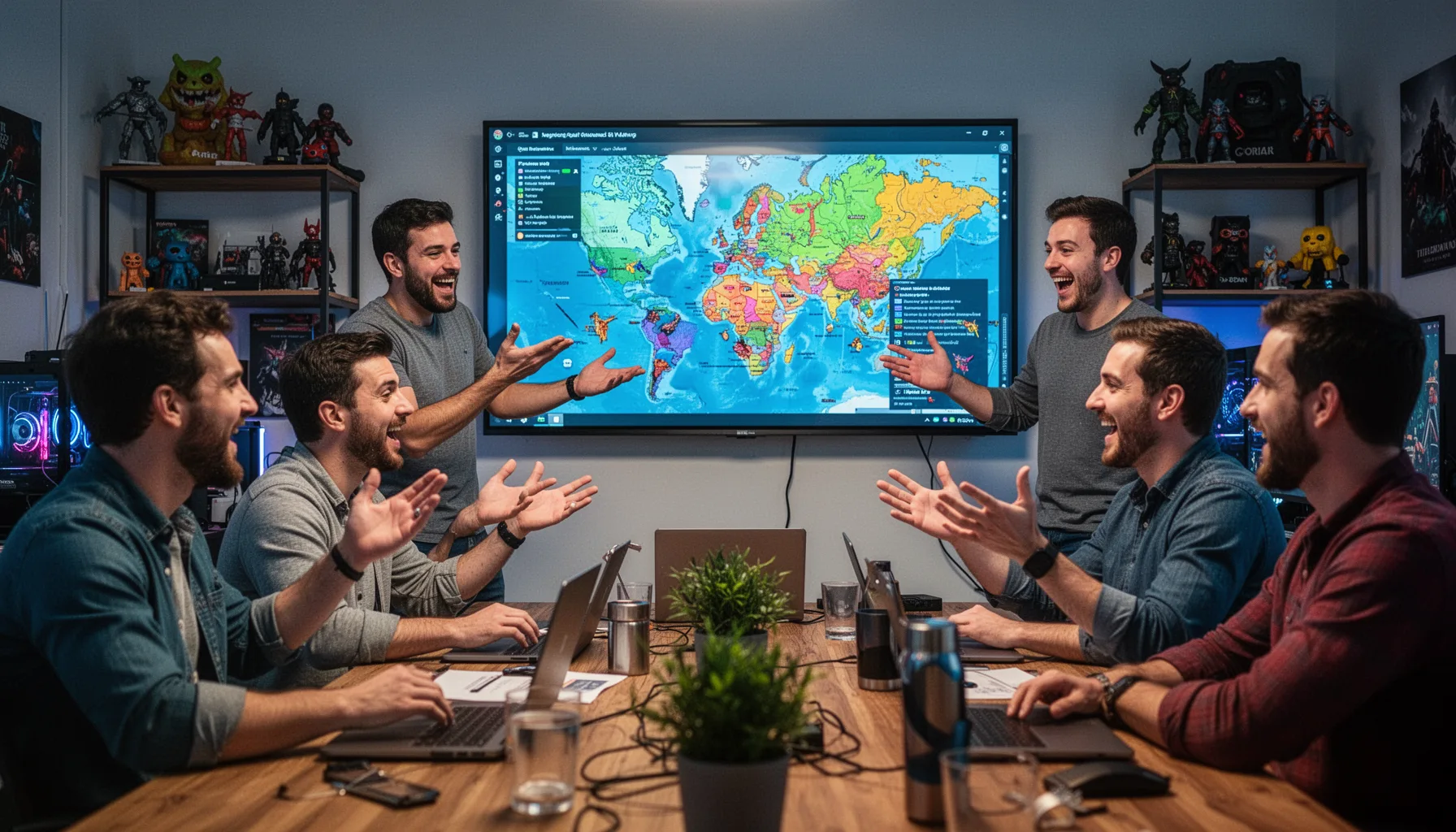
The vibecoded MMORPG GitHub model matters because open repositories turn AI hype into work people can actually inspect. Simple enough. Anyone can check commit history, issue threads, project structure, and contribution quality to see whether the build holds together or only barely runs. That's healthy. Open source also adds a social layer around AI-made software, where developers teach each other prompt patterns, refactor generated code, and swap weak assets for better ones. We've seen that pattern in projects built around Stable Diffusion, Llama, and AutoGen, and now it appears to be spilling into game production. The phrase 100 percent AI generated game project is catchy, sure. But the cleaner reading is probably AI-generated first drafts plus human-guided correction at internet speed. That's still a major shift. We'd argue the honesty there makes the story stronger, not weaker. Llama communities took a similar path.
What World of Claudecraft open source MMORPG says about AI made MMORPG open source development
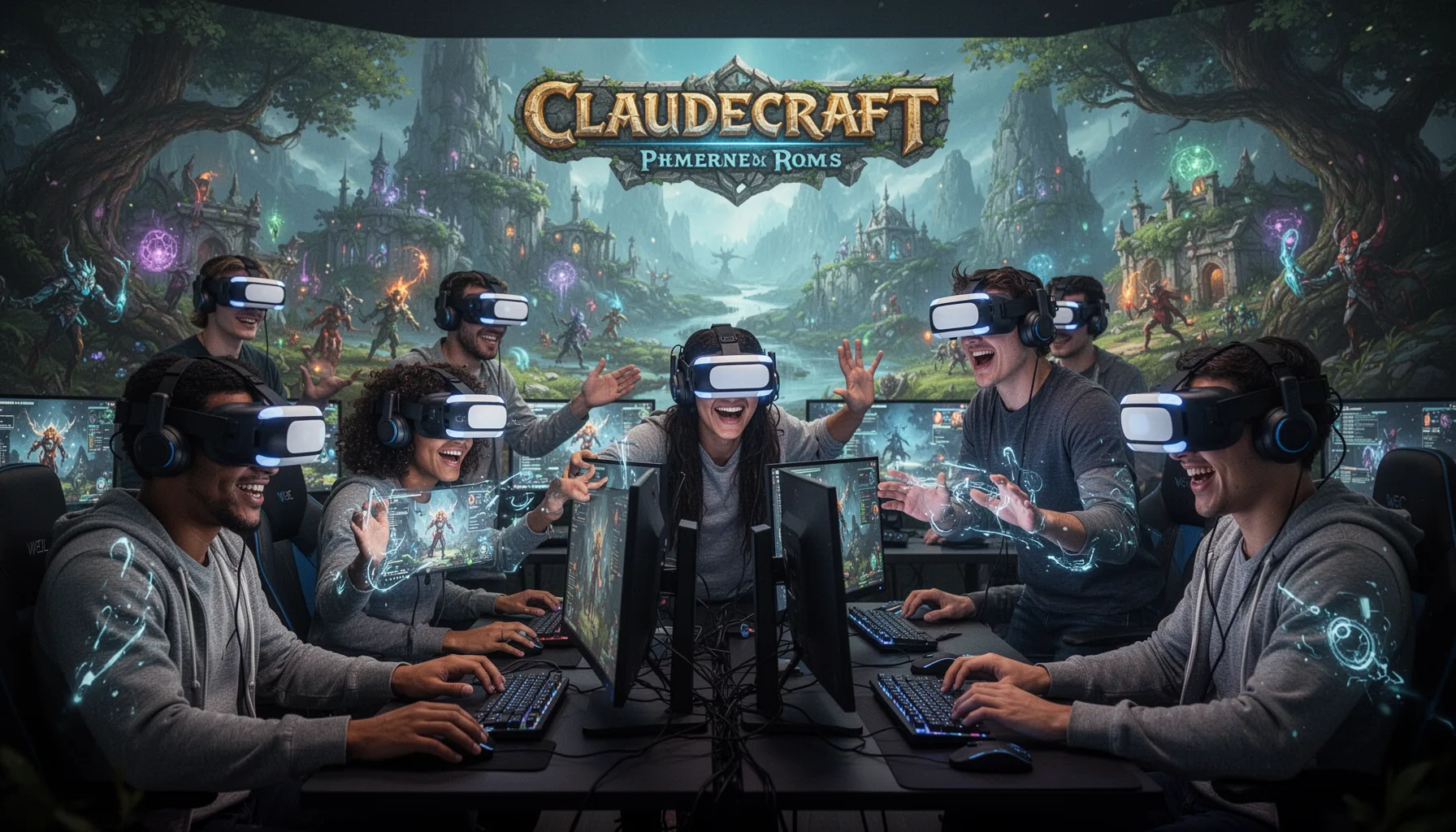
World of Claudecraft open source MMORPG points to a future where early-stage online games look more like software communities than traditional studios. That's not trivial. But that doesn't mean salaried teams vanish. It means pre-production, prototyping, and live iteration get cheaper and more public. Valve, Roblox, and Minecraft each proved in their own way that communities can shape games as much as original creators do, and AI adds a fresh production layer to that idea. Here's the thing: the bottleneck is moving. Asset creation and baseline coding are getting easier, while design coherence, moderation, economy balance, and anti-cheat work are becoming the expensive parts. If this project keeps improving in public, it won't prove AGI. It will prove that AI plus open source can create a new kind of messy, fast, very real game development workflow. We'd say that's the bigger lesson. Minecraft modding hinted at this years ago.
Key Statistics
- GitHub said in 2024 that more than 1.8 million developers had used Copilot in some form, with tens of thousands of organizations adopting it.That adoption matters because World of Claudecraft sits inside a wider move toward AI-assisted software creation, not an isolated novelty.
- Newzoo estimated in prior market analyses that MMORPG and persistent online game audiences number in the hundreds of millions globally.A public AI-made MMORPG matters because the genre demands retention, progression, and infrastructure, not just visual flair.
- SWE-bench Verified results published in 2024 showed leading frontier models solving a meaningful share of real GitHub issues under benchmark conditions.Benchmarks don't equal shipping games, but they explain why developers now trust models with more serious coding tasks.
- Unity reported in earlier annual gaming reports that a majority of game developers work in small teams or independently.That is exactly the segment most likely to experiment with AI-heavy and open-source workflows to compress production time.
Frequently Asked Questions
What is World of Claudecraft open source MMORPG?
Can AI build a full game from start to finish?
How does Claude Fable 5 game development work in practice?
Why does open source matter for an AI made MMORPG open source project?
Is World of Claudecraft proof that AI will replace game developers?
Key Takeaways
- World of Claudecraft open source MMORPG is more than a demo; people are already shipping fixes in public.
- The project tests whether AI can build a full game while humans steer quality, structure, and judgment.
- Open sourcing the code matters because contributors can inspect, fork, and improve everything.
- Claude Fable 5 game development stands out most in iteration speed, not flawless first drafts.
- The hardest problems now are balance, architecture, moderation, and live-service reliability, not raw asset generation.