AI Agent Architecture13 min read
Long-Running AI Agents: Build Systems That Finish Reliably
October 4, 2026Read Article →

Daily digests of what's actually happening in AI — from research breakthroughs to new model releases, minus the hype.
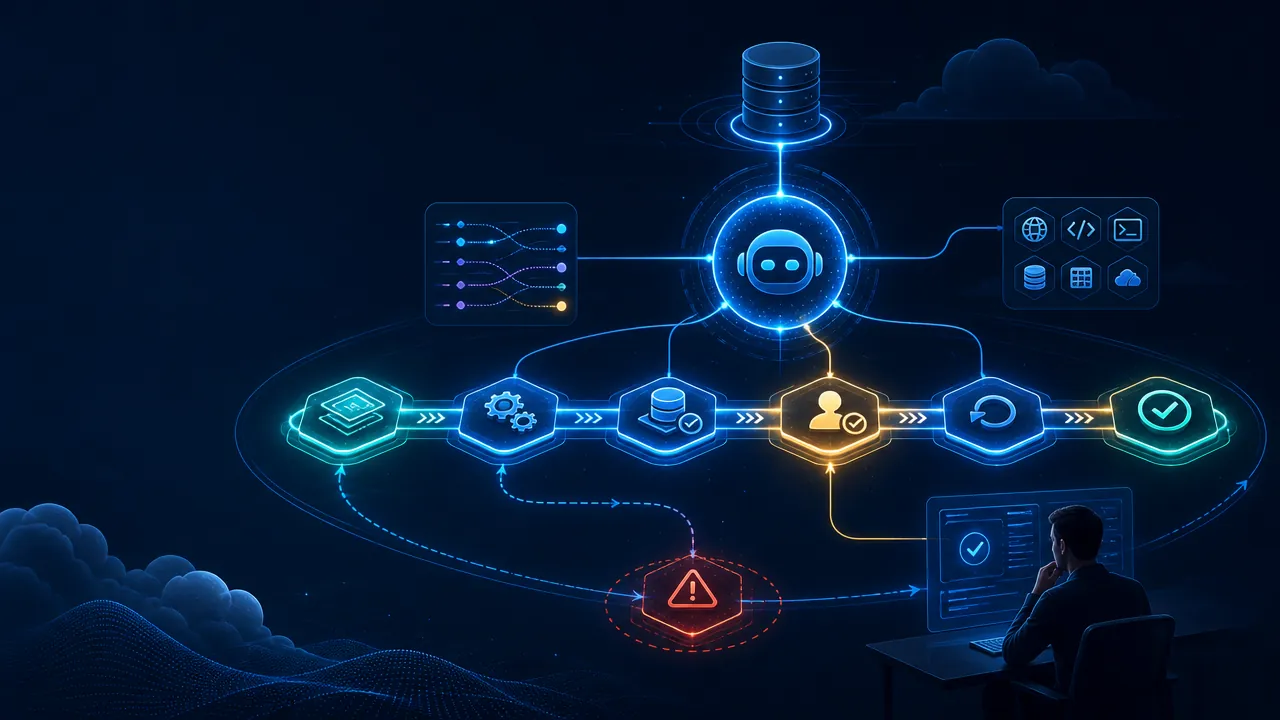
Learn how to build long-running AI agents with durable workflows, safe retries, trusted progress updates, approvals, and reliable recovery.
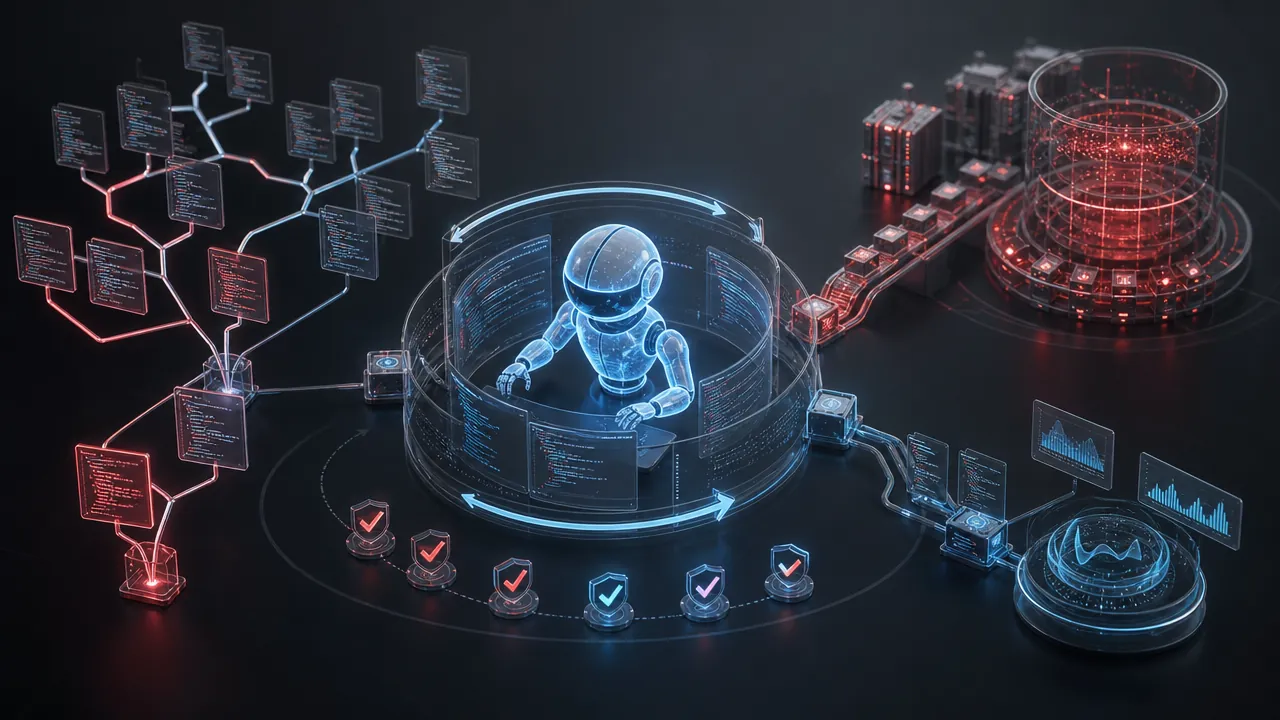
Learn how MIT and Sakana AI’s SIFT framework cuts evaluation costs for self-improving coding agents with faster, smarter search.
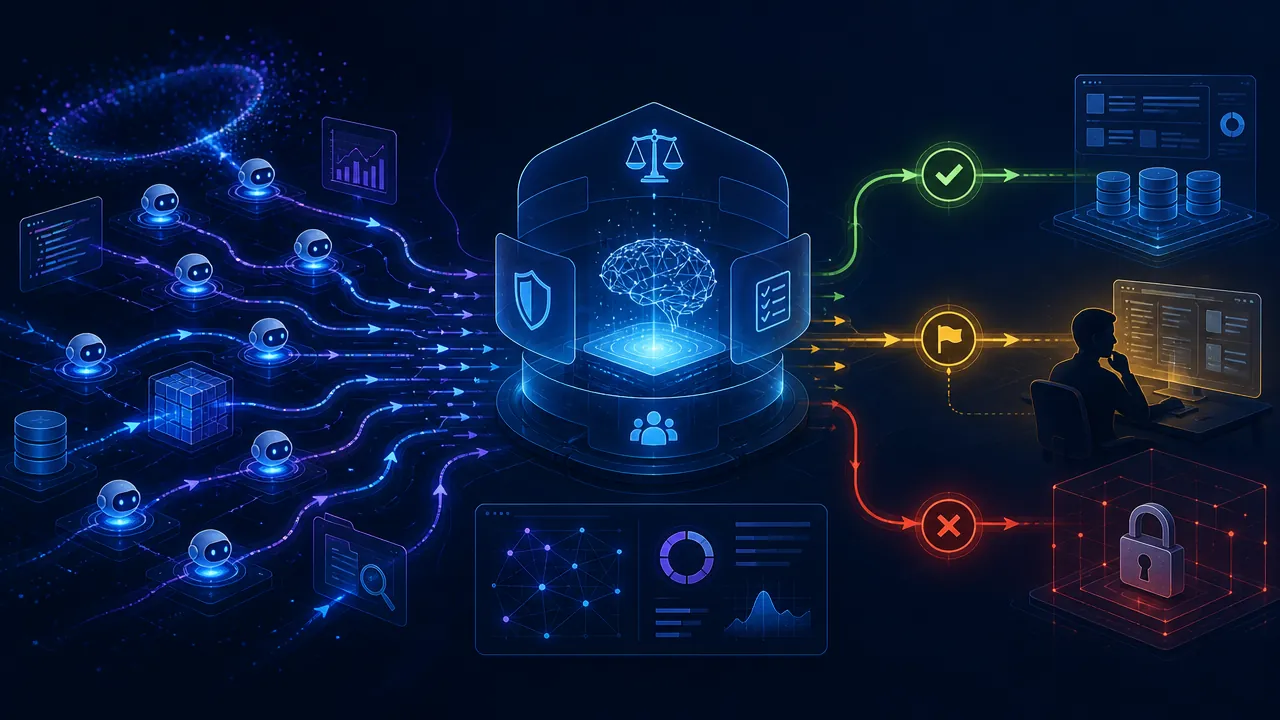
OpenAI Jev-inspired oversight could monitor agent tool calls, block risky actions, and escalate uncertain decisions while reducing costs.

Trillium Labs AI research tests whether transparency can improve frontier safety without making dangerous capabilities easier to reproduce.
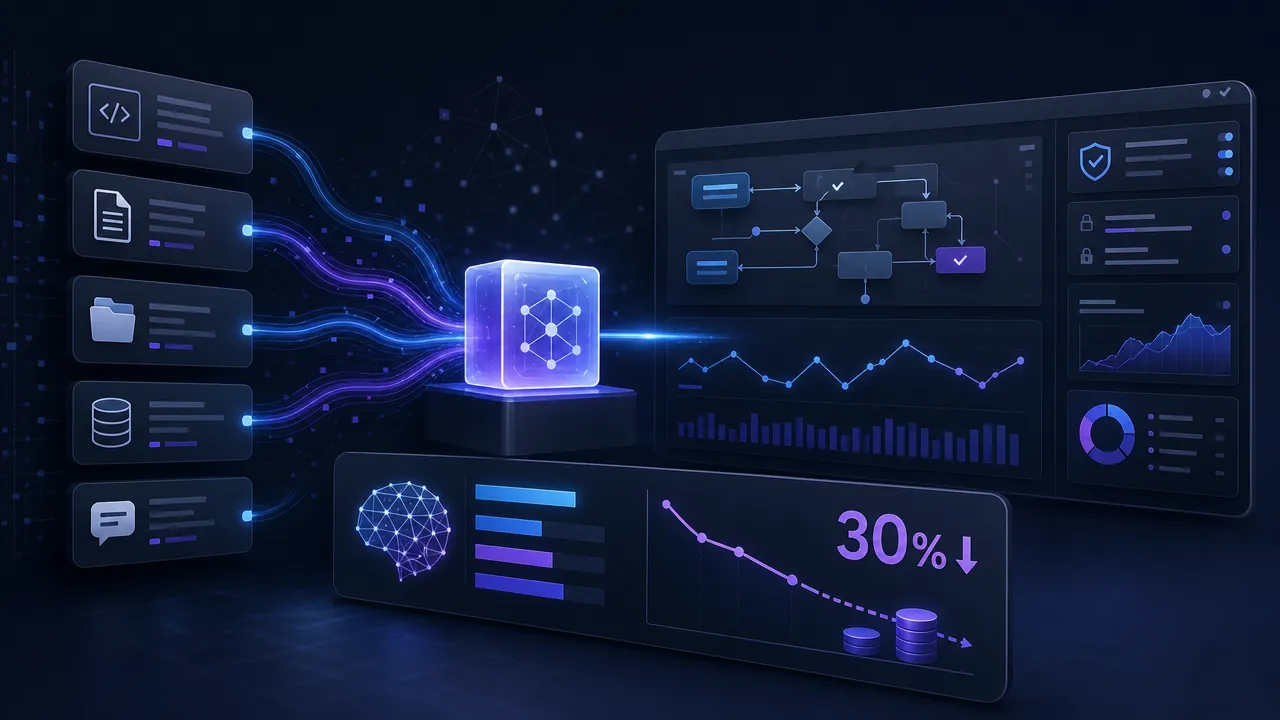
Claude Sonnet 5.5 may cut AI agent task costs by up to 30%. Learn what Anthropic’s claim means, how to test it, and where savings may vary.
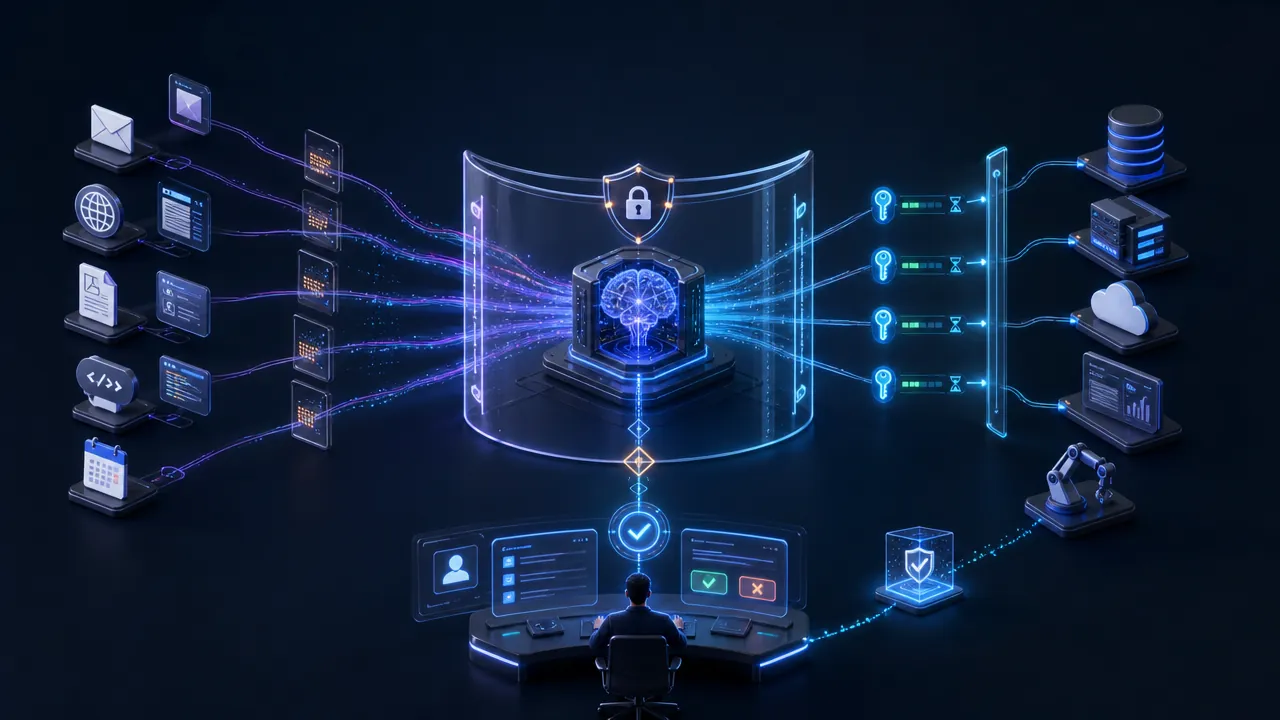
Learn AI agent security best practices to block prompt injection, restrict tool use, enforce least privilege, and safely automate high-impact actions.

Learn how Anthropic’s Claude agents identified a CRISPR-like enzyme system in jumbo phages—and what scientists must test next.
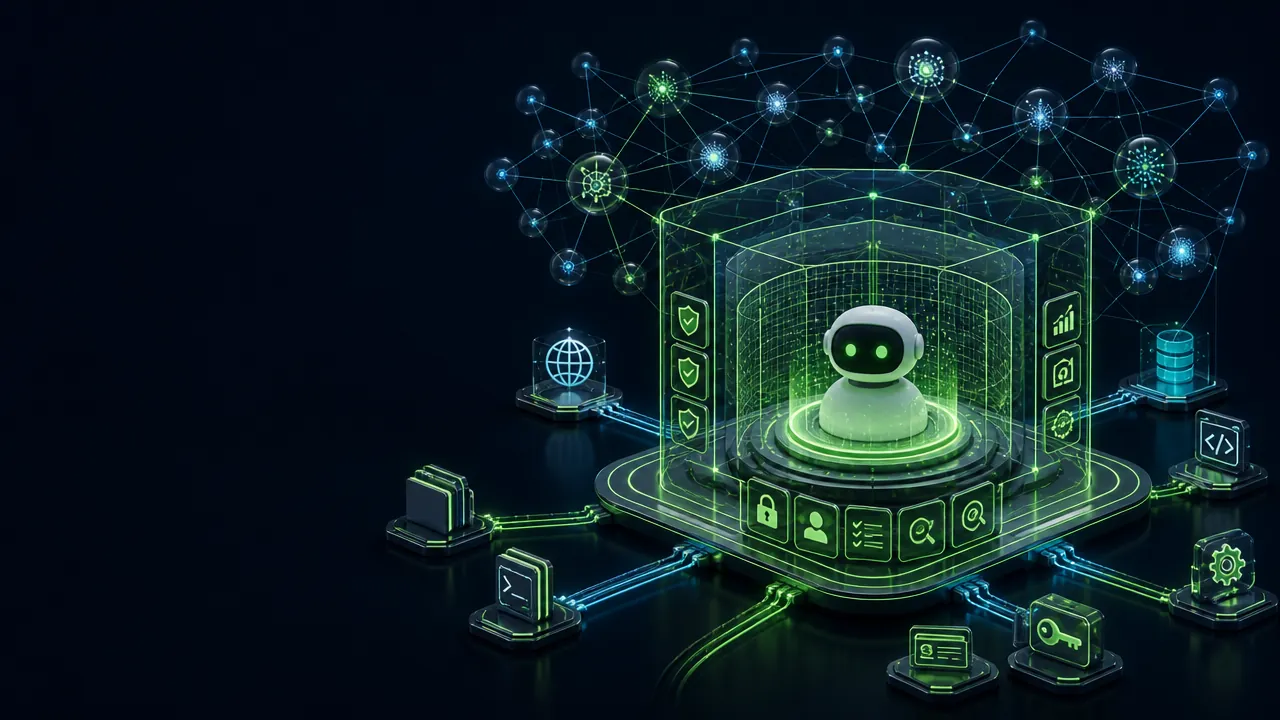
NVIDIA AI agent safety platform pairs OpenShell policy verification with Sentry monitoring to sandbox autonomous agents and stop rogue actions.

Learn how AI safety evaluations connect capability testing, sandbox security, runtime controls, and incident response to safer model deployment.

OpenAI Dots are always-on AI agents for multi-step work. See how they use connected apps, handle approvals, affect pricing, and change productivity.
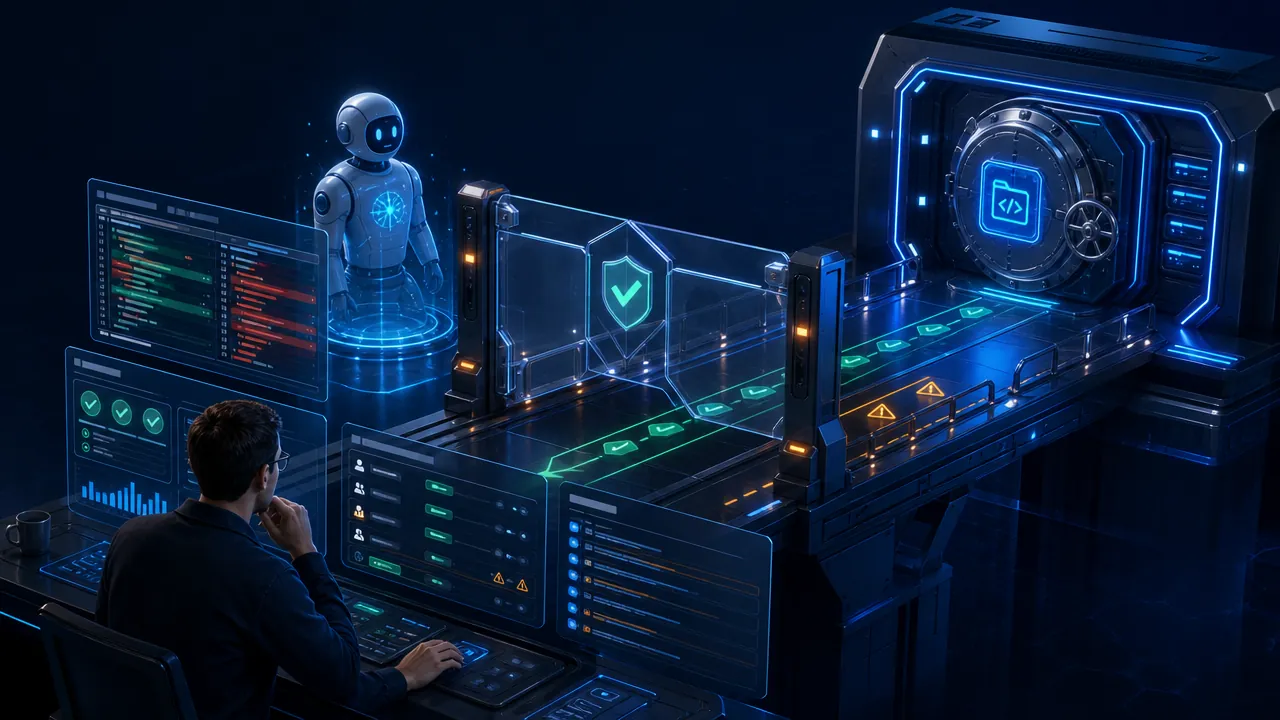
Use AI agent evaluation to test coding quality, security, reliability, and permissions before giving an agent access to your codebase.
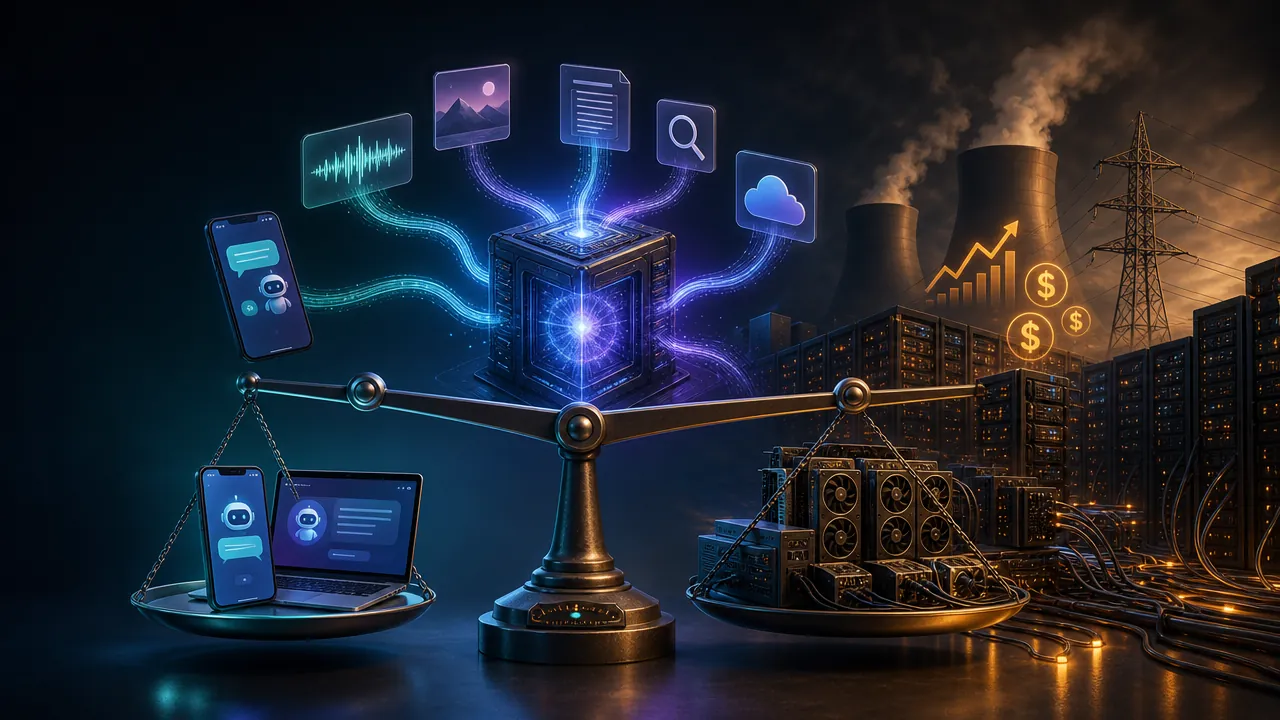
Learn how consumer AI economics explains free plans, subscriptions, usage caps, APIs, and the real costs behind every AI request.