
⚡ Quick Answer
A 5 agent AI research pipeline can populate niche knowledge bases, but local multi-agent systems fail fast without queue discipline, quality checks, and clear task boundaries. The biggest lesson is that orchestration mistakes, not model weakness alone, usually cause the worst breakdowns.
A 5 agent AI research pipeline looks tidy on paper. Then the real world barges in. Build one for a folklore encyclopedia with Ollama, qwen2.5, and a MongoDB job queue, and the hard part isn't getting five agents to talk to each other. It's getting them to stop making things up, duplicating effort, and trampling each other's outputs. That's the part that matters. So the real value in a builder story like this isn't architecture porn. It's the postmortem.
What a 5 agent ai research pipeline actually needs to work

A 5 agent AI research pipeline works best when each agent owns one narrow, testable job with explicit input and output contracts. Otherwise, chaos sneaks in fast. In a folklore encyclopedia workflow, a sensible split could cover source discovery, source extraction, claim summarization, taxonomy assignment, and editorial validation. Each stage should write structured artifacts, not fuzzy prose. That's a bigger shift than it sounds. And that structure matters even more in niche research than many builders expect, because folklore sources often clash on names, origins, transliterations, and category lines. A local setup with Ollama and Qwen2.5 can handle this surprisingly well when prompt scope stays tight and artifacts move through the system as JSON-like records instead of free-form chat logs. Simple enough. The engineering lesson is blunt: multi-agent systems aren't magical collaborators. They're distributed software components with language models wedged in the middle. We've seen the same pattern in LangGraph and AutoGen projects, where success usually tracks with crisp state transitions and visible logs. We'd argue most builders should spend more time designing contracts and less time inventing personalities for their agents.
Why local models in an ollama qwen2 5 multi agent setup fail in predictable ways

An Ollama Qwen2.5 multi agent setup usually falls apart around context pressure, stacked latency, and inconsistent instruction following. None of this is mysterious. Local models can be cheap to run and private by default, which makes them attractive for research pipelines, but they punish loose orchestration because every extra handoff adds delay and ambiguity. If one agent produces bloated output, the next one inherits noise. By the fourth or fifth stage, the whole system starts drifting away from the original research question. Not quite subtle. That's especially painful in folklore work, where the difference between a local spirit, a regional monster, and a literary reinterpretation may rest on one shaky source note. Qwen2.5 is a solid family for local experiments, yet it still benefits from hard constraints like response schemas, bounded context windows, and lightweight retrieval instead of giant prompts. Worth noting. Builders who skip those controls often blame the model, when the real issue is sloppy state management. We'd argue local models are best treated like talented interns with short memory and zero patience for implicit assumptions.
How mongodb job queue for ai agents breaks under retry and consistency pressure
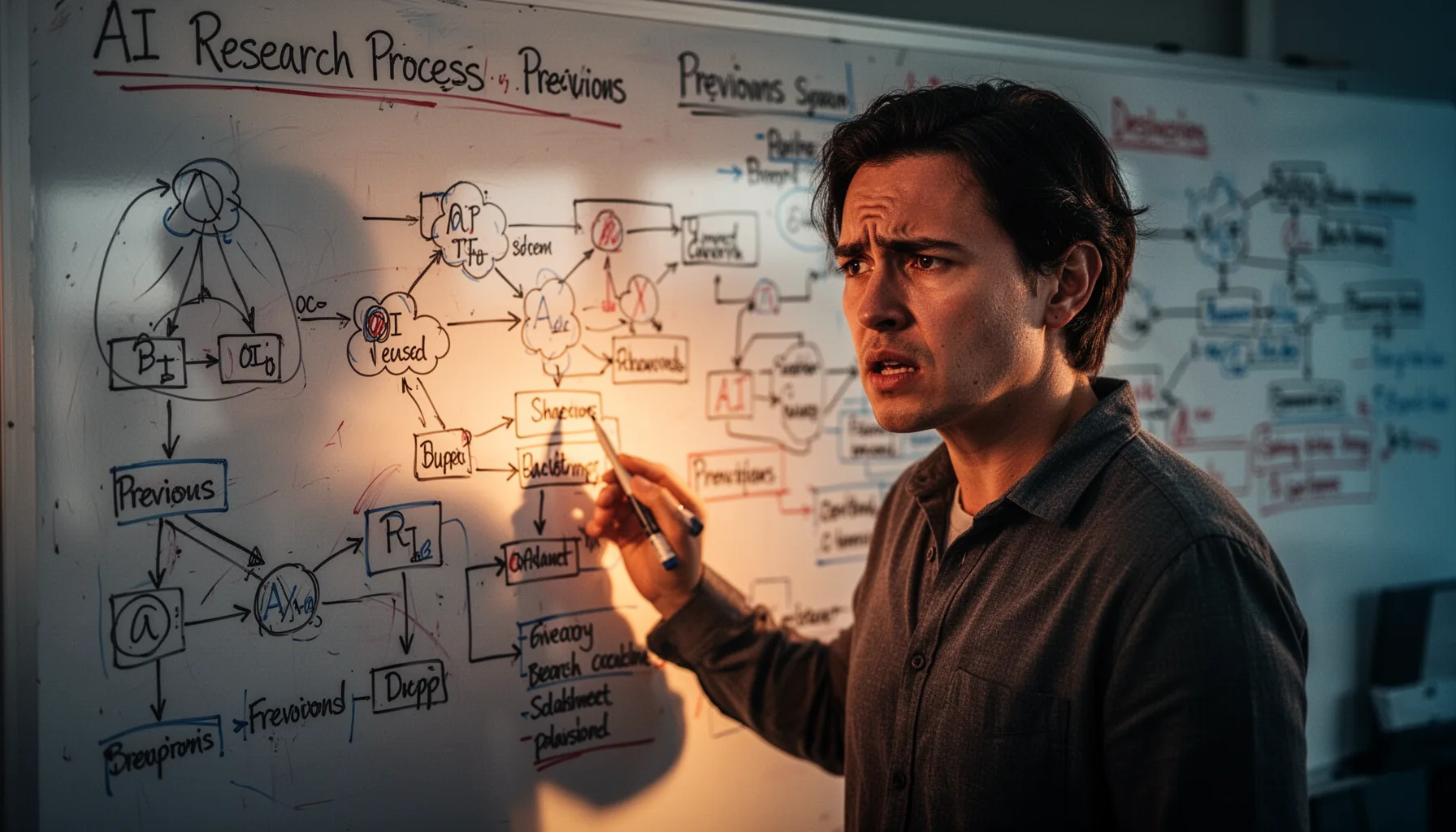
A MongoDB job queue for AI agents works fine at small scale, but it breaks fast if retries, locks, and idempotency aren't designed from the start. That's where plenty of builder projects get scorched. MongoDB is convenient because teams already know it, and a queue built on collections, status flags, and worker polling can ship quickly. But local multi-agent systems create edge cases that basic CRUD thinking doesn't cover. If a worker crashes after generating output but before updating status, another worker may repeat the task. Now you've got duplicate records and contradictory downstream summaries. Here's the thing. When folklore entities carry alternate names, duplicate generation gets messy because the system may treat one character as three separate entries. The practical fix is boring but consequential: rely on unique job keys, lease-based locking, explicit retry counters, and write-once artifact tables that downstream agents reference instead of mutating casually. MongoDB's document model can support this pattern well enough, especially with change streams and transaction-aware updates in the right places. We'd put it plainly: if your queue logic isn't boring and auditable, your agents aren't doing research. They're producing entropy.
What went wrong in the ai folklore encyclopedia pipeline
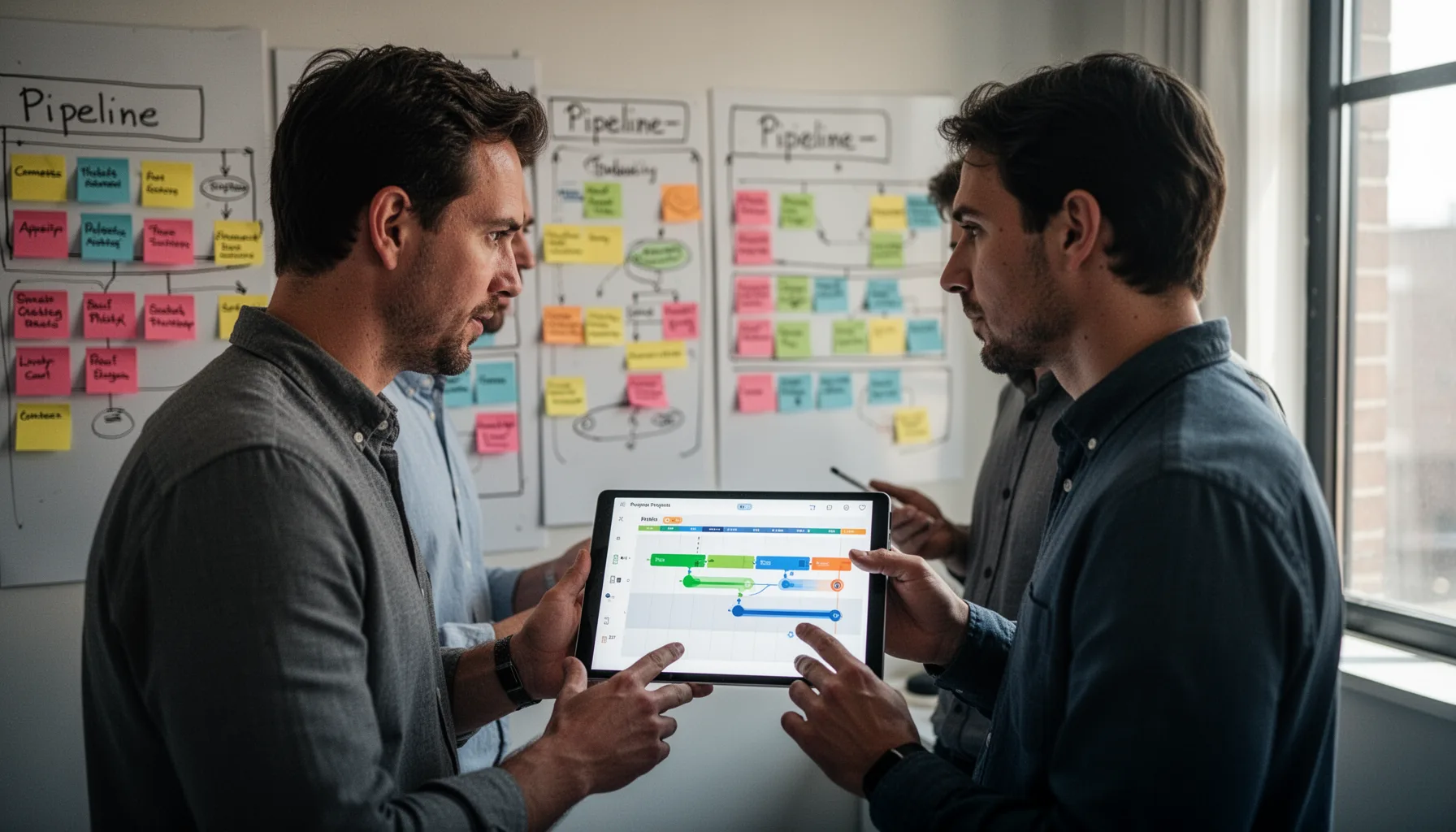
The AI folklore encyclopedia pipeline likely went off the rails where niche-domain ambiguity collided with weak editorial controls. That's the core of the postmortem. Folklore is a brutal test bed because sources conflict, categories shift across cultures, and many references come from secondary retellings rather than stable primary documents. So an agent that performs acceptably on product research or coding docs can unravel when asked to decide whether a creature belongs under demonology, regional legend, oral tradition, or later fiction. Wikipedia offers a concrete example. Even Wikipedia pages on folklore entities often contain disputes over origin stories, naming, and cross-cultural equivalence, and human editors still argue over them. That's telling. In a five-agent setup, those ambiguities multiply if taxonomy rules are weak, source provenance isn't preserved, or confidence scoring gets skipped to save time. The fix isn't just better prompts. It's editorial metadata, source ranking, alias resolution, and human review at the exact points where ambiguity peaks. We think niche knowledge creation is where multi-agent hype hits the wall fastest, because truth there is often contested, partial, and stubbornly context-bound.
How to build local ai research agents without repeating the same mistakes

Build local AI research agents by narrowing task boundaries, preserving provenance, and treating quality control as part of orchestration rather than a final cleanup step. That's the line between a demo and a usable system. Start with deterministic scaffolding: typed outputs, job leases, retry limits, and an artifact store that records prompts, model versions, and source URLs for every stage. Then add a validator agent or a rule-based checker that looks for empty citations, schema mismatches, duplicate entities, and category drift before records move forward. Simple enough. Projects using Haystack, LangGraph, or custom Python workers often improve dramatically once they replace conversational handoffs with structured state objects and validation gates. And for local deployment, keep models specialized where possible, using a lighter model for classification and a stronger one for synthesis instead of forcing one model to do everything. We'd argue that's a not trivial shift. The lesson keeps repeating: multi-agent systems become reliable when you reduce freedom at the handoff points, not when you give each agent more room to improvise.
Step-by-Step Guide
- 1
Define strict agent boundaries
Give each of the five agents one narrow job with a fixed schema for outputs. Don't ask a single agent to both research and classify, or to summarize and edit for publication. Clear contracts make debugging possible when outputs start drifting.
- 2
Design the queue before the prompts
Build your MongoDB job lifecycle with leases, retries, dead-letter handling, and idempotent writes before tuning prompts. Queue bugs create silent corruption that looks like model failure. If a task can run twice, assume that one day it will.
- 3
Constrain model outputs aggressively
Force agents to return short, typed, machine-checkable fields whenever possible. Long natural-language responses feel richer, but they create brittle downstream parsing and hidden ambiguity. In local setups, small disciplined outputs usually beat grand verbose ones.
- 4
Preserve source provenance at every step
Store citation URLs, document snippets, retrieval timestamps, and model versions alongside each artifact. That gives you a way to trace bad claims back to the exact handoff where they entered the system. Without provenance, you can't run a meaningful postmortem.
- 5
Validate taxonomy and entity identity
Add checks for aliases, duplicate entities, contradictory categories, and low-confidence classifications before publishing entries. Folklore data drifts fast because names and traditions overlap across regions. A simple alias table and confidence threshold can prevent hours of cleanup.
- 6
Review failures as system bugs
Treat hallucinations, duplicates, and dropped jobs as engineering faults with reproducible causes, not as random AI weirdness. Log failed cases, cluster them by cause, and patch the workflow where the pattern starts. That's how builder intuition turns into infrastructure discipline.
Key Statistics
Frequently Asked Questions
Key Takeaways
- ✓Most local multi-agent failures come from orchestration bugs, not weak model outputs alone.
- ✓MongoDB job queues work, but retries and idempotency need real design upfront.
- ✓Qwen2.5 via Ollama is viable locally, though context and latency constraints still bite.
- ✓Niche domains like folklore expose taxonomy drift and hallucinations much faster than generic tasks.
- ✓The best postmortems explain mistakes plainly, because that’s what builders can actually reuse.