
⚡ Quick Answer
To access 100 AI models cheaper API, developers often use an API aggregation platform that combines multiple providers under one billing and routing layer. That can lower costs and ease access in blocked or underserved markets, but you still need to check compliance, latency, uptime, and model provenance before committing.
Getting access to 100 AI models through a cheaper API isn't just a slick marketing line anymore. It's become a search problem. Developers in blocked or poorly served regions know this firsthand: cards get rejected, endpoints stay unavailable, and pricing can crush experimentation before a product even launches. So aggregator platforms are drawing attention fast. EcomAI sits right in that debate, offering broad model access at lower prices and in places where the default vendors don't always come through. That's a bigger shift than it sounds.
How can developers access 100 AI models cheaper API through one platform?

Developers can reach for 100 AI models through cheaper API options on one platform by choosing an aggregator that standardizes endpoints, billing, and authentication across many model vendors. That's the core setup. Instead of creating separate accounts for OpenAI, Anthropic, Google, DeepSeek, Mistral, or Cohere, a developer calls one API layer and lets it route requests to the selected model. EcomAI seems to frame itself this way, and that's appealing for teams that want one key, one wallet, and fewer regional roadblocks. We'd argue that pitch matters more than the raw “100+ models” headline. Setup friction usually comes from operational mess, not simple model shortage. A startup in Pakistan or Nigeria, say, may struggle less with prompt design than with card acceptance, sanctions screening, or unsupported local billing rails. If one platform removes those blockers and keeps the docs consistent, it can win real loyalty. Worth noting.
Why is an AI API for restricted regions getting so much attention?

An AI API for restricted regions is getting noticed because access inequality remains one of the least discussed choke points in global AI development. Price matters, yes. But availability often hits first. Many developers run into region locks, export controls, payment failures, or slow onboarding when they try to buy directly from top-tier model vendors, even when the use case is fully legitimate. The World Bank has repeatedly pointed to how digital payment and cross-border commerce friction limits software participation in many markets, and AI APIs now sit inside that same knot. And here's the thing: developers don't stop building because access gets tougher. They hunt for workarounds. Resellers too. Aggregator platforms and alternative routing layers can accept local payment methods or sit between the developer and the vendor. That's why an alternative to OpenAI API in blocked countries isn't just about price. It's an infrastructure story. We'd say that's not trivial.
Is EcomAI API aggregation platform a credible low cost AI model API access option?
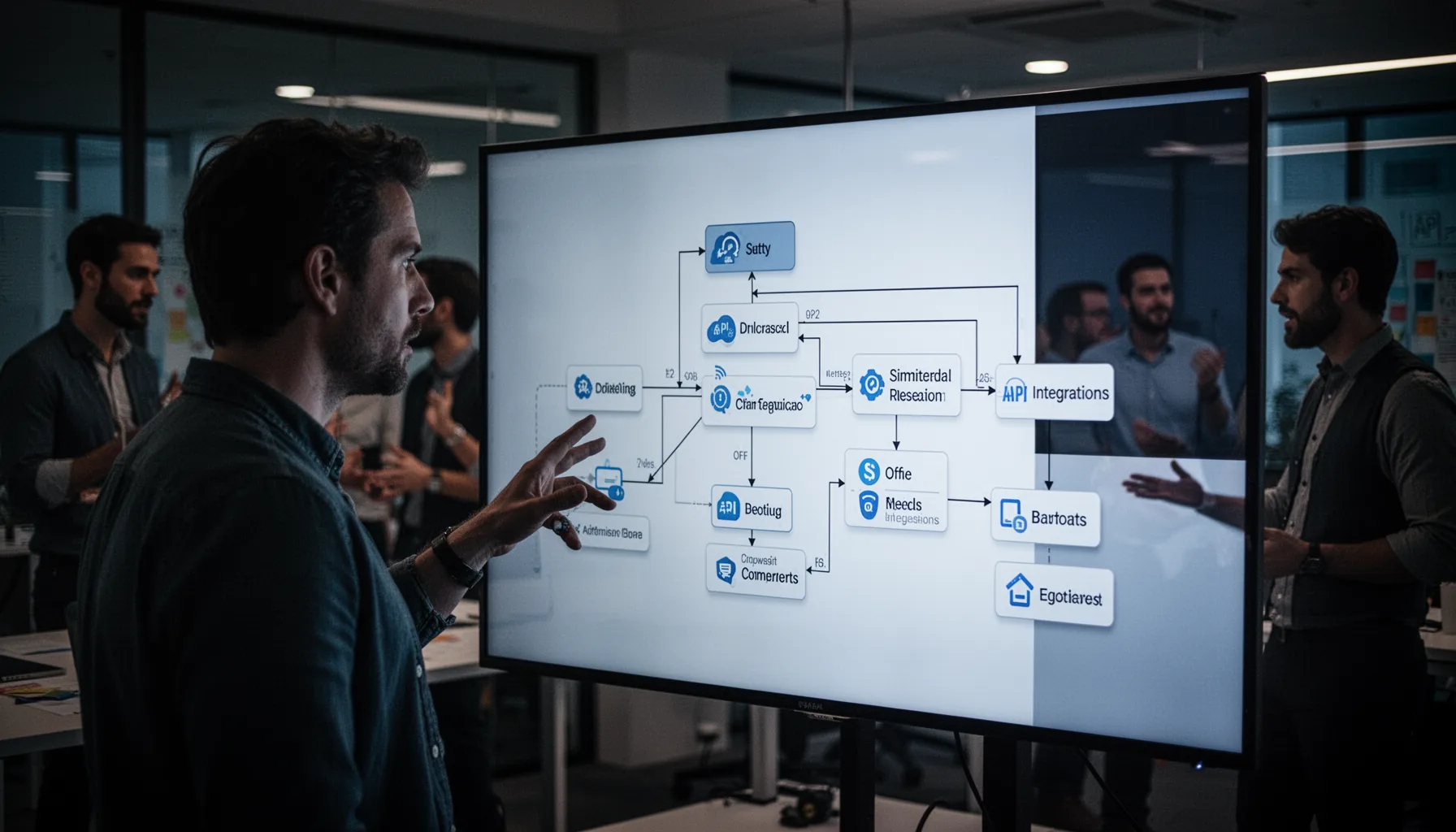
EcomAI API aggregation platform looks credible as a low cost AI model API access option if it offers transparent model listings, stable routing, and clear terms for supported regions. Those details count more than the homepage. Plenty of aggregators promise cheap access, but the serious ones publish rate limits, latency expectations, provider mappings, and billing logic so developers know what they're really buying. OpenRouter offers a useful comparison here. It gained traction by making multi-model access straightforward for developers who wanted one API across open and commercial models. EcomAI seems to aim at a similar need, especially around affordability and access in restricted regions. Still, we'd be careful. If a platform can't tell you which upstream provider serves a given model, how failover works, or what data retention policy applies, you're not buying simplicity. You're buying ambiguity. Simple enough. Worth noting.
What should you check before choosing the cheapest multi model AI API?

Before picking the cheapest multi model AI API, check compliance, uptime, latency, token accounting, and whether the named models are actually the models being served. Cheap can turn expensive fast. A low per-token price means very little if the platform adds retries, routes traffic to slower backends, or swaps in a substitute model under a familiar name without saying so plainly. We've seen this concern surface again and again in developer communities around model marketplaces and proxy APIs, especially when benchmark behavior doesn't line up with the advertised tier. A concrete test is simple. Run the same prompt set through the aggregator and the direct provider, then compare latency, output consistency, and token usage reporting. That gives you evidence you can work with. Our take is blunt: if your app handles customer data, regulated content, or production SLAs, pricing should be your fourth question. Not your first. That's a consequential distinction.
Key Statistics
Frequently Asked Questions
Key Takeaways
- ✓API aggregators can simplify access when direct model accounts are blocked.
- ✓Lower prices matter, but routing quality matters just as much.
- ✓EcomAI fits developers who want one endpoint for many models.
- ✓Restricted-region access can solve payment friction, not just censorship issues.
- ✓The cheapest multi model AI API isn't always the best long-term choice.