
⚡ Quick Answer
AI in grocery retail is turning supermarkets into data-rich, partially automated environments where cameras, sensors, and models track inventory, reduce shrink, and speed checkout. Computer vision in supermarkets matters most where it solves ordinary retail problems fast: out-of-stocks, long lines, spoilage, and thin margins.
AI in grocery retail isn't a concept deck anymore. It's already in aisles, checkout lanes, back rooms, and inventory systems. Grocery is a brutal business. Margins stay thin, labor costs keep climbing, and shoppers don't forgive empty shelves or a self-checkout that freezes at the worst moment. That's why computer vision in supermarkets has real pull right now. It goes after messy, costly problems store operators deal with every day. Worth noting.
Why AI in grocery retail is getting serious now
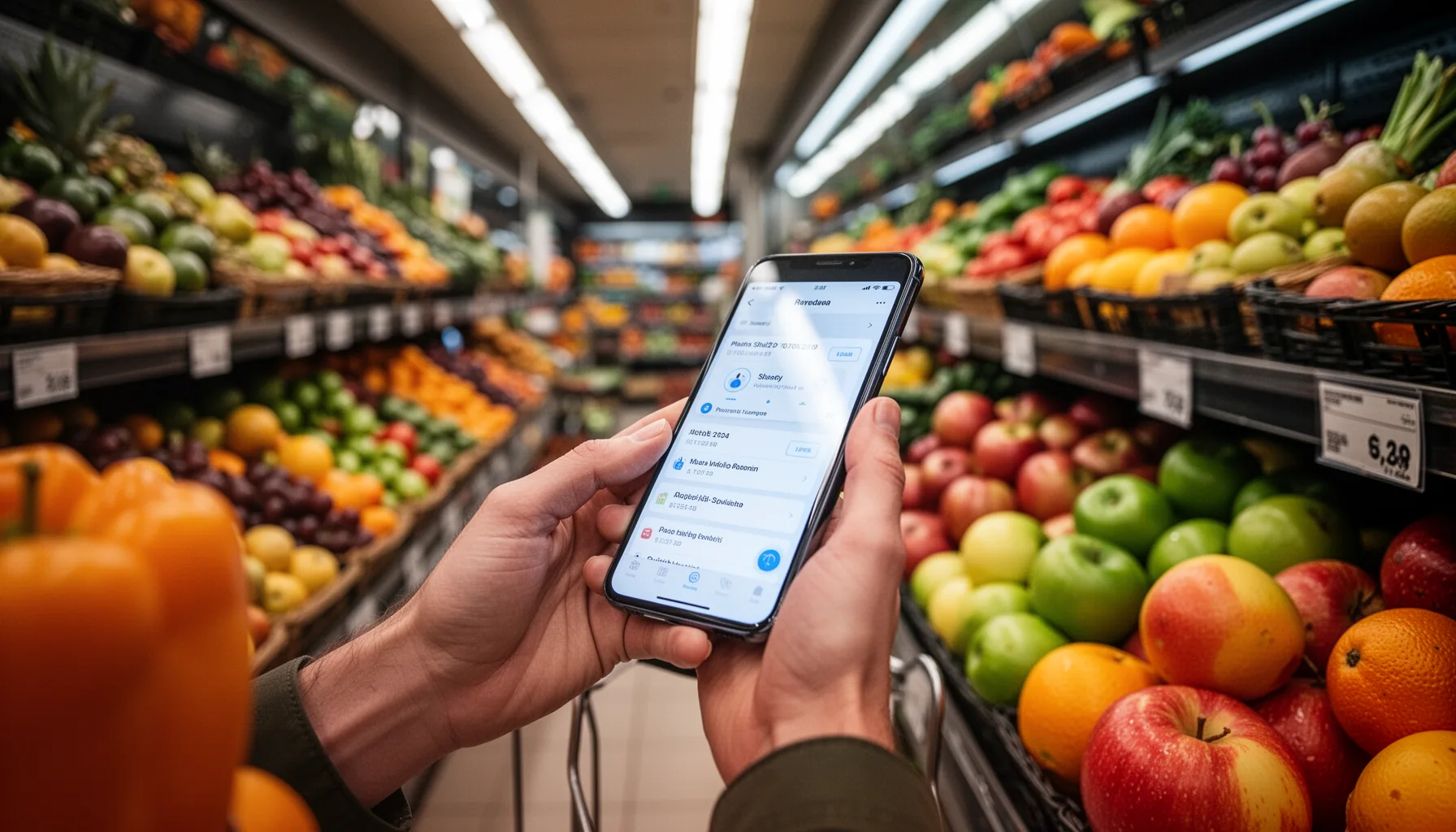
AI in grocery retail keeps gaining ground because grocers finally have a business case they can defend to finance teams. Grocery chains run on unusually thin operating margins, often around 1% to 3% in North America, so even modest gains in shrink reduction or labor efficiency matter. And that's the crux. Unlike fashion or electronics, grocers juggle perishables, fast replenishment cycles, and shelves that change constantly, which makes automation more useful and much harder to fake. Kiosk Marketplace's focus on the future of grocery AI technology arrives at a well-timed moment. Retailers like Kroger, Walmart, and Tesco have spent the last few years testing computer vision, smart carts, shelf analytics, and cashierless formats in controlled environments. We'd argue the market has moved from curiosity to procurement. A flashy pilot doesn't win on style alone anymore. Retailers want proof that a system cuts stockouts, trims food waste, or lifts basket size without irritating shoppers. That's a bigger shift than it sounds. So AI retail automation for grocery stores now revolves around measurable store economics, not sci-fi theater.
How computer vision in supermarkets is changing store operations
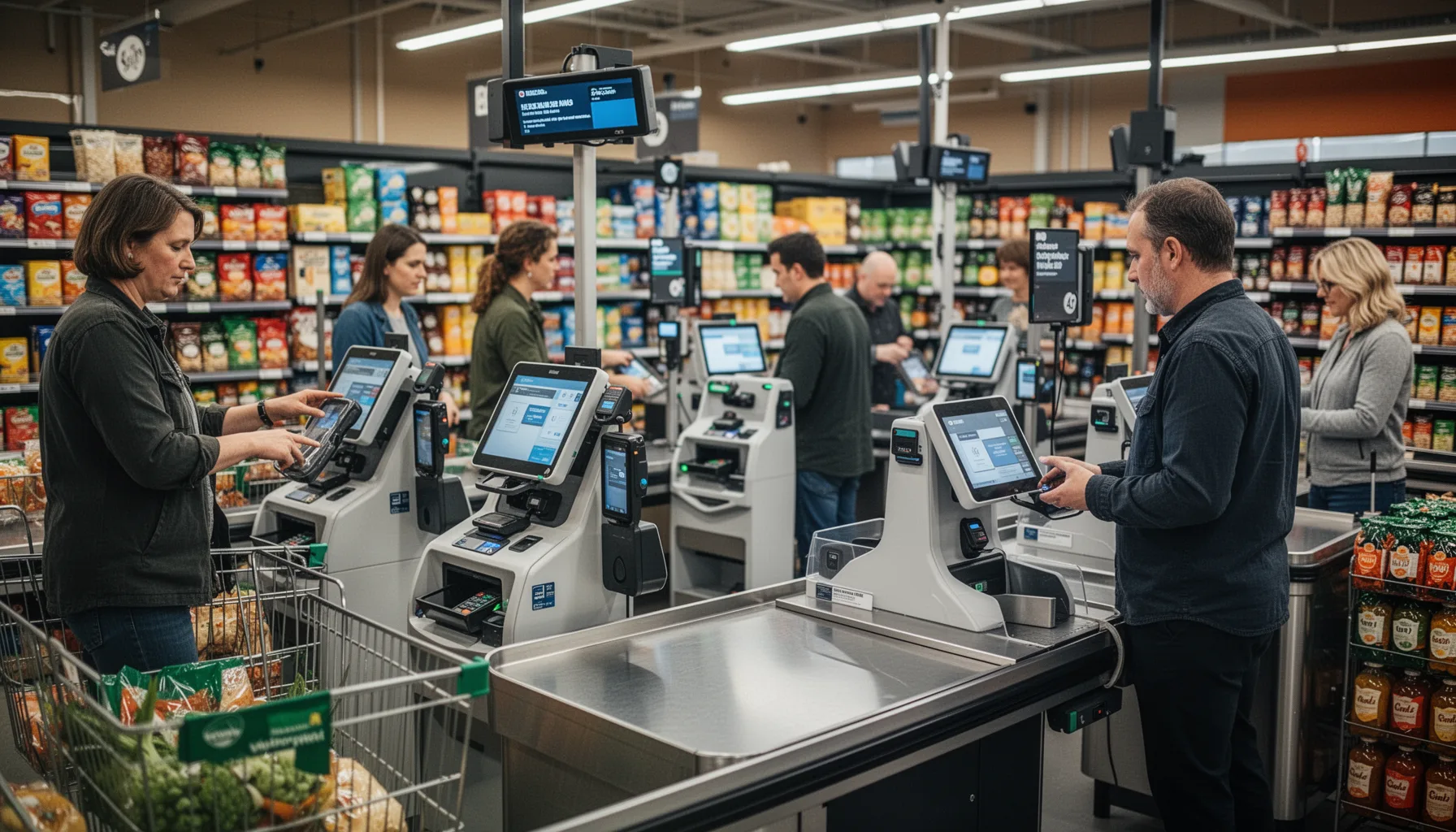
Computer vision in supermarkets does its best work when cameras turn into operational signals for staff and systems. That can mean spotting empty facings, catching misplaced items, flagging spill hazards, estimating queue length, and checking whether fresh departments match planogram standards. Here's the thing. A ceiling camera that catches an out-of-stock on milk can be worth more than a flashy front-end kiosk if it prevents lost sales all day. Companies like Standard AI, Trigo, Amazon, and Focal Systems have built versions of that model, though they differ on hardware density, edge processing, and how much store redesign they require. According to the National Retail Federation, shrink stayed a major concern for retailers in 2023, with inventory loss still draining billions from the sector, and grocery feels that pressure sharply because spoilage and theft hit at the same time. So operators now treat computer vision use cases in retail as an execution layer, not just surveillance. Our take is simple. The winners will be the systems staff barely notice because they quietly improve replenishment, compliance, and checkout flow. Simple enough.
What smart grocery store technology actually includes
Smart grocery store technology now reaches well beyond cashierless checkout. It usually blends computer vision, shelf sensors, POS data, loyalty systems, forecasting models, electronic shelf labels, and handheld tools for associates who need real-time tasks instead of weekly reports. And yes, that stack can get messy. A grocer might rely on Microsoft Azure for analytics, Zebra devices for store workflows, NCR Voyix systems at checkout, and another vendor for vision-based shelf intelligence. Integration often decides the outcome. One practical example comes from Instacart's Caper smart cart push, which aimed to reduce checkout friction while gathering richer in-store shopping data, though retailers still had to weigh hardware cost and maintenance demands. We think the future of grocery AI technology probably won't look like one monolithic platform. Not quite. It'll look more like a stitched operating layer where different tools share product, pricing, and inventory signals fast enough to matter during a packed trading day. That's less glamorous than a fully autonomous store. But it's much closer to how supermarkets actually buy technology.
Which computer vision use cases in retail matter most for grocers
The most valuable computer vision use cases in retail for grocers are shelf availability, shrink detection, fresh food monitoring, and checkout exception handling. Those use cases connect directly to revenue protection and labor productivity, so they tend to survive budget reviews while more speculative ideas usually don't. But priorities shift by format. A convenience-heavy urban chain may care most about grab-and-go throughput, while a suburban supermarket puts more weight on produce freshness, queue management, and planogram compliance across thousands of SKUs. Everseen, for example, has worked on vision systems that help detect checkout scanning issues, a concrete case of AI retail automation for grocery stores aimed at loss prevention rather than novelty for shoppers. According to McKinsey's retail analyses in 2024, AI applications in merchandising, supply chain, and store operations can produce meaningful margin gains when paired with process redesign, not just software rollout. We'd argue grocers should rank use cases by how quickly a department manager can act on the signal. Insight without action is just expensive wallpaper. Worth noting.
What the future of grocery AI technology means for jobs, privacy, and trust
The future of grocery AI technology will hinge as much on governance and worker design as on model accuracy. Supermarkets collect data in public-facing physical spaces, so privacy disclosures, retention limits, and security controls matter more here than many vendors admit in sales decks. And workers notice everything. If associates think computer vision in supermarkets exists mainly to watch them, adoption will drag. If they see it as a tool that cuts repetitive checks and late-night manual audits, uptake usually improves. Aldi, Carrefour, and Walmart have all run into the broader retail truth that automation has to coexist with staffing shortages, union concerns in some markets, and customer expectations around frictionless shopping. To be fair, shoppers will accept a surprising amount of automation when it saves time and feels fair. But they won't accept mystery charges, bad signage, or a store that treats every movement like a security event. That's the real test. So the next phase of AI in grocery retail needs strong policy every bit as much as better models.
Key Statistics
Frequently Asked Questions
Key Takeaways
- ✓AI in grocery retail works best when it fixes waste, queues, and stock gaps
- ✓Computer vision in supermarkets is moving from pilots into everyday store operations
- ✓Retailers want measurable ROI, not flashy demos that slow staff down
- ✓Smart grocery store technology depends on good data, store design, and privacy controls
- ✓The future of grocery AI technology is operational, not just customer-facing