
⚡ Quick Answer
A global AI ethics review points to the same core tension everywhere: societies want AI's productivity gains without giving up fairness, accountability, privacy, and human control. The ethical implications of artificial intelligence now vary less by principle than by enforcement, political culture, and institutional capacity.
Global AI ethics review work has grown up fast. Just not evenly. That's the first thing to get straight. Most countries now speak the same language around fairness, transparency, safety, and accountability, yet they still clash over who should police those ideals and how hard the rules should bite. And that gap isn't abstract. The social impacts of artificial intelligence don't arrive as theory; they land in classrooms, hiring systems, hospitals, border control, and welfare decisions, where policy mistakes hit actual people.
What does a global AI ethics review actually show?

A global AI ethics review finds broad agreement on ethical principles, then real conflict over enforcement, trade-offs, and state power. UNESCO's 2021 Recommendation on the Ethics of Artificial Intelligence, the OECD AI Principles, and the NIST AI Risk Management Framework all gesture toward familiar goals: human oversight, privacy, fairness, safety, and accountability. But common wording can mask deeper splits. The European Union has shifted toward formal legal duties through the AI Act, while the United States still leans more on sector rules, agency action, procurement policy, and voluntary commitments from companies like Google, Microsoft, OpenAI, and Anthropic. China, by contrast, connects AI governance more directly to platform control, content regulation, and state oversight, especially in generative AI and recommendation systems. We'd argue the biggest lesson is plain. Ethics frameworks matter, but institutional teeth matter more. That's a bigger shift than it sounds. A principle without enforcement often amounts to public relations with nicer formatting.
How do the social impacts of artificial intelligence differ across sectors?

The social impacts of artificial intelligence change by sector because the stakes, data quality, and power imbalance swing sharply from one setting to the next. In healthcare, for example, AI can support radiology review, triage, and documentation, but model bias or weak validation can also delay care for underrepresented groups; studies in journals such as Nature Medicine have repeatedly stressed the need for external validation across populations. That's not a small caveat. In hiring, Amazon famously scrapped an experimental recruiting tool after it showed bias against resumes containing signals associated with women, and it still stands as one of the clearest warning shots in enterprise AI. And policing brings even harder questions. Facial recognition has improved on the technical side, yet civil liberties groups and researchers such as Joy Buolamwini have made clear how uneven performance and weak governance can amplify wrongful surveillance, especially in public-sector settings. Education looks different. Generative AI tools can widen access to tutoring while also intensifying worries around misinformation, deskilling, and assessment integrity. So responsible AI social impact analysis has to stay sector-specific, because there isn't one ethical profile that fits every AI system. Worth noting.
Why AI ethics across countries still looks so uneven
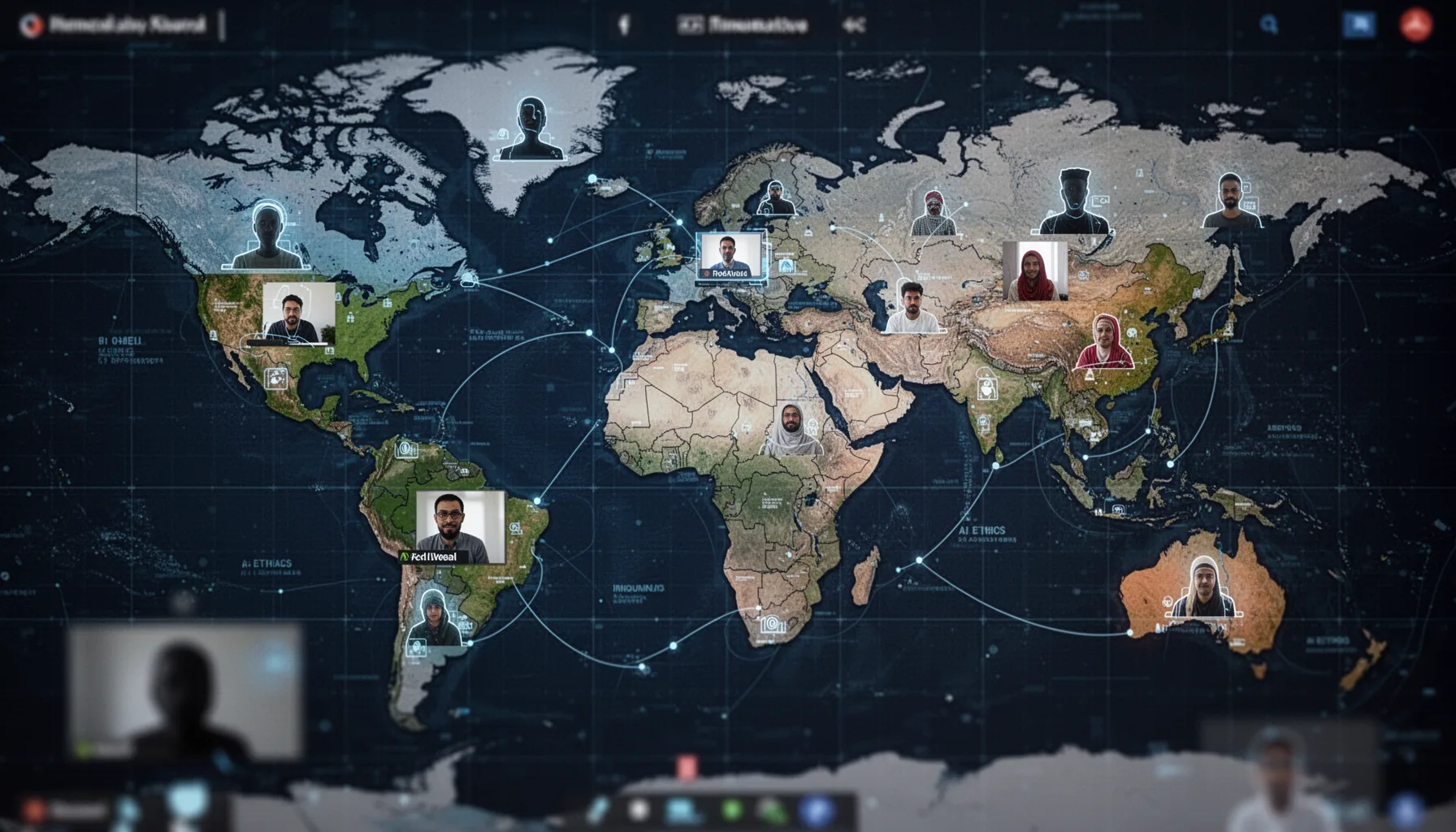
AI ethics across countries looks uneven because regulation follows legal culture, economic priorities, and state capacity, not just moral consensus. The EU usually favors ex ante rules and rights-based oversight, which explains why the AI Act classifies systems by risk and restricts some uses before harm occurs. The U.K. has leaned toward a lighter, regulator-led model, while countries such as Canada, Brazil, Singapore, and India keep refining their own mixes of innovation policy, privacy law, and sector guidance. And low- and middle-income countries face a different bind. They often import AI systems, cloud infrastructure, and standards from larger markets, which means they absorb social risks shaped elsewhere without always having the local research capacity or enforcement budget to respond. That's the hard part. The Global South has raised this point again and again in digital policy forums tied to the UN and regional bodies such as the African Union. We think any serious global AI ethics review has to include power asymmetry, because governance isn't only about rules; it's also about who gets to write them and who carries the fallout. That's worth watching.
What are the ethical implications of artificial intelligence for work and public life?

The ethical implications of artificial intelligence for work and public life center on agency, dignity, and how risk gets distributed. Workers increasingly deal with algorithmic management in warehouses, call centers, logistics fleets, and platform work, where systems can score performance, assign tasks, and shape schedules with little room to contest errors. That's not a niche issue. The International Labour Organization and OECD have both tracked how AI can raise productivity while also deepening surveillance and job-quality concerns when employers treat optimization as the only goal. Public life brings parallel problems in benefits administration, immigration screening, predictive policing, and education policy, where automated systems can make it harder for citizens to understand or challenge decisions. The Dutch childcare benefits scandal, though not caused by generative AI, remains a stark lesson in how automated risk scoring and weak oversight can devastate families. We'd argue the core ethical question isn't whether AI enters public life; it already has. Here's the thing. The real question is whether institutions preserve human appeal, transparency, and recourse when those systems fail. That's a consequential test.
Which AI governance and ethics trends matter most now
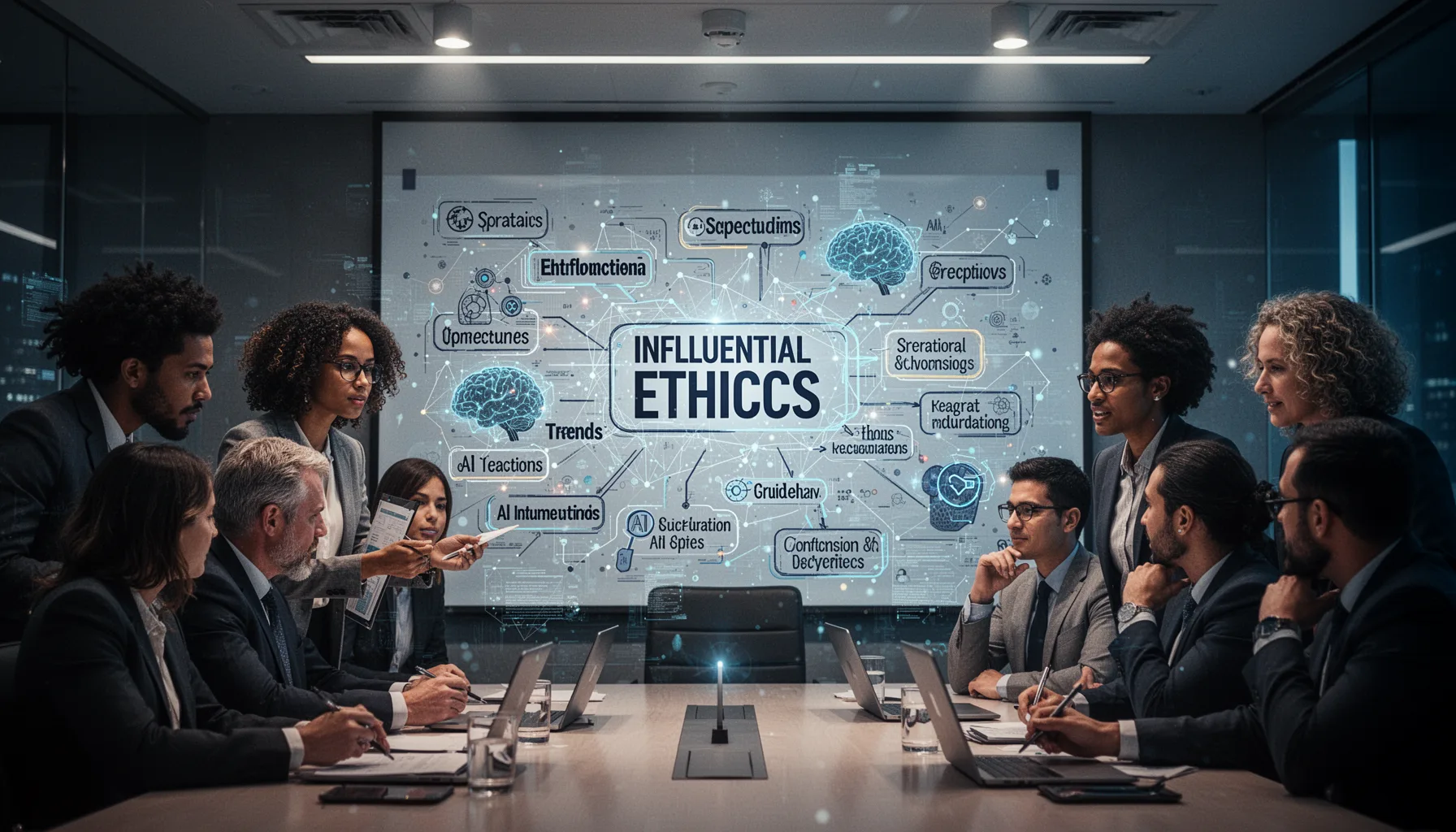
AI governance and ethics trends now point toward risk-based regulation, model documentation, third-party auditing, and stricter rules for high-impact uses. Companies increasingly publish system cards, model cards, red-team findings, and safety frameworks because buyers, regulators, and courts now expect evidence of process rather than broad ethical promises. Still, disclosure alone won't fix much. The next phase of responsible AI social impact analysis will probably turn on mandatory impact assessments, incident reporting, provenance tools for synthetic media, and procurement standards that force vendors to substantiate claims before governments buy. That's where things get real. The White House AI executive actions in the U.S., the EU AI Act, and ISO/IEC work on AI management systems all suggest that direction. We see a genuine market shift: enterprise customers no longer ask only whether a model performs well, they ask whether it can be governed at scale. That's healthy pressure. And frankly, overdue.
Key Statistics
Frequently Asked Questions
Key Takeaways
- ✓Global AI ethics review debates now center on enforcement, not just abstract principles
- ✓The social impacts of artificial intelligence differ sharply across labor, health, policing, and education
- ✓AI ethics across countries reflects politics, legal traditions, and state capacity
- ✓Responsible AI social impact analysis needs measurement, not just brand-friendly principles
- ✓AI governance and ethics trends are converging slowly around risk-based oversight