
⚡ Quick Answer
AI regulation changes in Congress are likely to focus on transparency, risk management, federal procurement rules, and sector-specific oversight rather than one sweeping law. Businesses should expect tougher documentation, disclosure, and governance expectations even before a single comprehensive statute passes.
AI regulation changes in Congress aren't just an abstract policy fight anymore. They're turning into a practical business issue. That's worth watching. Hearings, draft bills, agency moves, and election-year politics still don't amount to one tidy federal code, but they point the same way: more oversight, more paperwork, and less tolerance for fuzzy AI governance claims. And for companies that build or buy AI systems, that means compliance work starts before Congress finishes the statute book. The sharpest teams are getting ready now. Not later.
What do AI regulation changes in Congress actually look like right now?
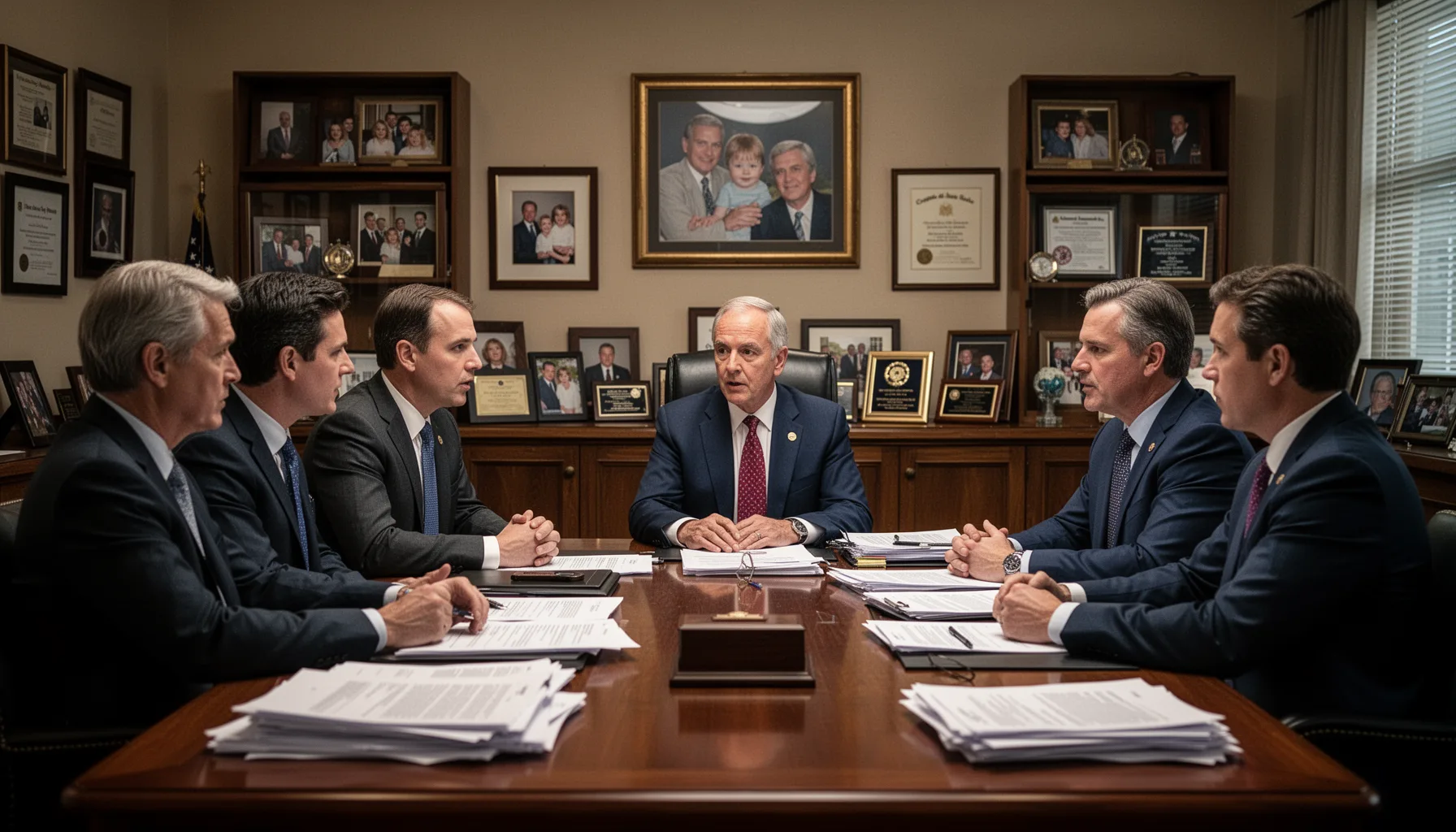
AI regulation changes in Congress currently look less like one finished statute and more like a jumble of hearings, draft proposals, bipartisan pressure points, and agency coordination. That's not elegant. Lawmakers have zeroed in on deepfakes, election integrity, child safety, intellectual property, critical infrastructure, and AI in hiring and national security. That piecemeal shape may irritate executives who want one clean rulebook. But it's a pretty normal US pattern for tech regulation, especially when lawmakers try to balance innovation politics against public risk. In October 2023, the Biden administration's executive order on safe, secure, and trustworthy AI told agencies to set standards for testing, reporting, procurement, and federal use, and Congress has treated that move as a policy baseline rather than a replacement for lawmaking. NIST's AI Risk Management Framework keeps coming up too, because it gives companies and lawmakers a usable vocabulary for governance. We'd argue the real story isn't whether Congress passes one giant AI bill tomorrow. It's that the oversight architecture is already forming. That's a bigger shift than it sounds.
How Congress may regulate artificial intelligence for businesses

Congress will probably regulate artificial intelligence for businesses through disclosure duties, liability hooks, procurement standards, and rules aimed at high-risk use cases. That's the likely route. One path would require companies to document training data practices, model evaluations, incident response procedures, and content provenance safeguards in a way regulators can inspect later. Another path runs through sector law. Healthcare AI will run into HHS and FDA expectations, financial AI will meet CFPB, SEC, and banking regulators, and employment AI will draw EEOC scrutiny. We already saw a strong signal in 2024 when the Colorado AI Act created obligations around high-risk decision systems, even though it's state law rather than federal legislation. That matters. Congress often writes law with state pressure humming in the background. So businesses shouldn't think only about Capitol Hill headlines. They should think about stacked compliance layers. Worth noting.
Why new AI oversight laws 2026 may focus on governance instead of model bans
New AI oversight laws 2026 are more likely to target governance processes than ban foundation models outright. That's the practical read. Lawmakers know broad bans are hard to define, easy to challenge, and politically messy when US competitiveness sits in the middle of the argument. Governance rules are easier to put to work: require testing, require notice, require audit trails, require reporting after material incidents. The European Union already handed policymakers a visible model with the AI Act, which classifies systems by risk and sets obligations accordingly, even if US lawmakers won't copy it line for line. According to McKinsey's 2024 State of AI survey, 65% of organizations reported regular use of generative AI in at least one business function, which makes blanket restrictions less likely and targeted safeguards more plausible. Here's the thing. That's the policy tradeoff. Congress seems more interested in controlling risky deployment than freezing development altogether.
What AI compliance requirements for businesses are most likely to emerge?
The AI compliance requirements for businesses most likely to emerge are documentation, testing, human oversight, and consumer disclosure. Simple enough. Expect pressure to maintain model cards, data lineage records, vendor due diligence files, and internal sign-off processes for systems that materially affect people. If a company relies on AI in hiring, lending, healthcare triage, or insurance pricing, the standard will probably climb fast. So will expectations around explainability at the point of decision, especially when people face denial, ranking, or adverse outcomes. IBM, Microsoft, and Google have all published AI governance playbooks and internal control frameworks in recent years, and that corporate behavior gives lawmakers a de facto benchmark for what mature practice looks like. Early data suggests many mid-market firms still lag here. That's a problem. Regulators often punish missing process almost as much as bad outcomes. We'd say that's not trivial.
How should companies prepare for a federal AI governance framework now?
Companies should prepare for a federal AI governance framework now by treating AI inventory and risk classification as immediate work, not someday work. Start there. Begin with a list of every model or AI-enabled feature in use, including vendor systems tucked into HR software, customer support tools, coding assistants, and analytics platforms. Then classify where those systems touch legal, financial, employment, health, safety, or reputation risk. NIST's AI RMF gives teams a real leg up because it breaks governance into map, measure, manage, and govern activities that compliance teams can actually turn into policy. And procurement teams should get involved early, since many future obligations will first show up in vendor contracts and public-sector buying rules. A good example is Salesforce, which has publicly framed trust, human oversight, and acceptable-use controls as part of enterprise AI deployment rather than optional ethics wording. We'd put it bluntly. If your AI program doesn't have documentation, ownership, and incident response, it isn't really governed. Not quite ready, anyway.
Key Statistics
Frequently Asked Questions
Key Takeaways
- ✓Congress seems more likely to build layered oversight than pass one giant AI law.
- ✓Federal agencies already shape AI compliance through procurement, privacy, and sector rules.
- ✓Model documentation and risk assessments will probably become routine business requirements.
- ✓High-risk use cases in hiring, healthcare, and finance face the closest scrutiny.
- ✓Companies that wait for final laws may end up scrambling to catch up.