
AI Supercycle Supply Chain 2026: Why War Won't Stop It
AI supercycle supply chain 2026 outlook: how war, chokepoints, chips, and energy risks are reshaping AI infrastructure planning.
Table of Contents
Quick Answer
The artificial intelligence supercycle will probably survive war because demand for compute, models, and data infrastructure remains strong across cloud, enterprise, and government buyers. But the AI supercycle supply chain 2026 story has changed because geopolitical risk now affects chips, memory, shipping lanes, energy, and where capacity gets built.
The AI supercycle supply chain 2026 story has gotten trickier than a plain demand forecast suggests. Wars don't automatically end tech booms. But they do shift where risk lands, who gets first call on supply, and how quickly new capacity comes online. That's the part many investors glossed over. The supercycle may keep running, even as the route feeding it gets redrawn almost in real time.
Will the AI supercycle supply chain 2026 survive geopolitical shock?

The AI supercycle supply chain 2026 will probably hold up through geopolitical shock because end demand stretches far beyond any one conflict. Microsoft, Amazon, Google, and Meta keep pouring money into data centers, while sovereign buyers and enterprises still fund AI rollouts built on accelerators, networking gear, and storage. Demand didn't disappear. What changes in a conflict is the price and order of supply. If insurers hike shipping rates, energy markets tighten, or export controls spread wider, procurement teams get stuck with longer lead times and pricier redundancy even when order books stay packed. That's the real frame. We'd argue the artificial intelligence supercycle survives war not because war doesn't matter, but because AI has shifted from a speculative software category to strategic infrastructure for both private and state-backed spending. That's a bigger shift than it sounds.
How does Iran war impact on AI supply chain actually show up?
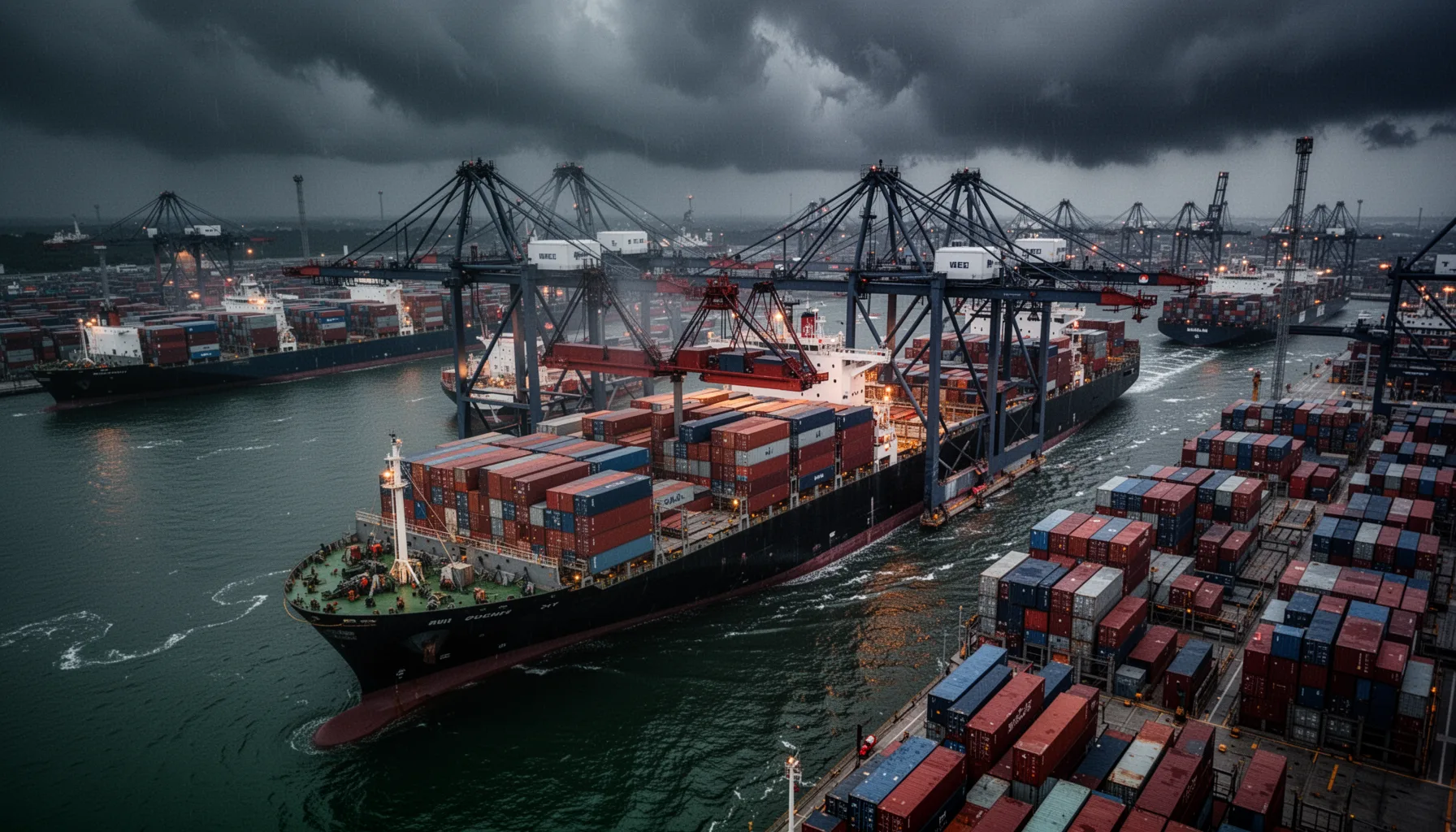
Iran war impact on AI supply chain tends to appear first through second-order effects, not just a headline about a direct chip shortage. The fastest channels are energy pricing, shipping security, air freight disruption, and investor risk premiums. All of them matter. They can hit semiconductor fabrication, packaging, and large-scale data center construction. That's where the pressure starts. TSMC in Taiwan, Samsung in Korea, SK hynix in memory, and ASML in lithography aren't in the conflict zone, yet each sits inside a global system that relies on stable transport, power inputs, specialty gases, and predictable financing. If conflict pushes oil or LNG into sharper swings, electricity-hungry fabs and cloud buildouts feel it downstream. Take a concrete case: if a Gulf shipping corridor turns less dependable, vendors may reroute components or carry extra inventory. That ties up cash. It also slows deployment. So the war changes AI infrastructure supply not by wiping out demand, but by making every dependency harder to insure and schedule. Worth noting.
Why AI chip supply chain geopolitical risk now extends beyond GPUs
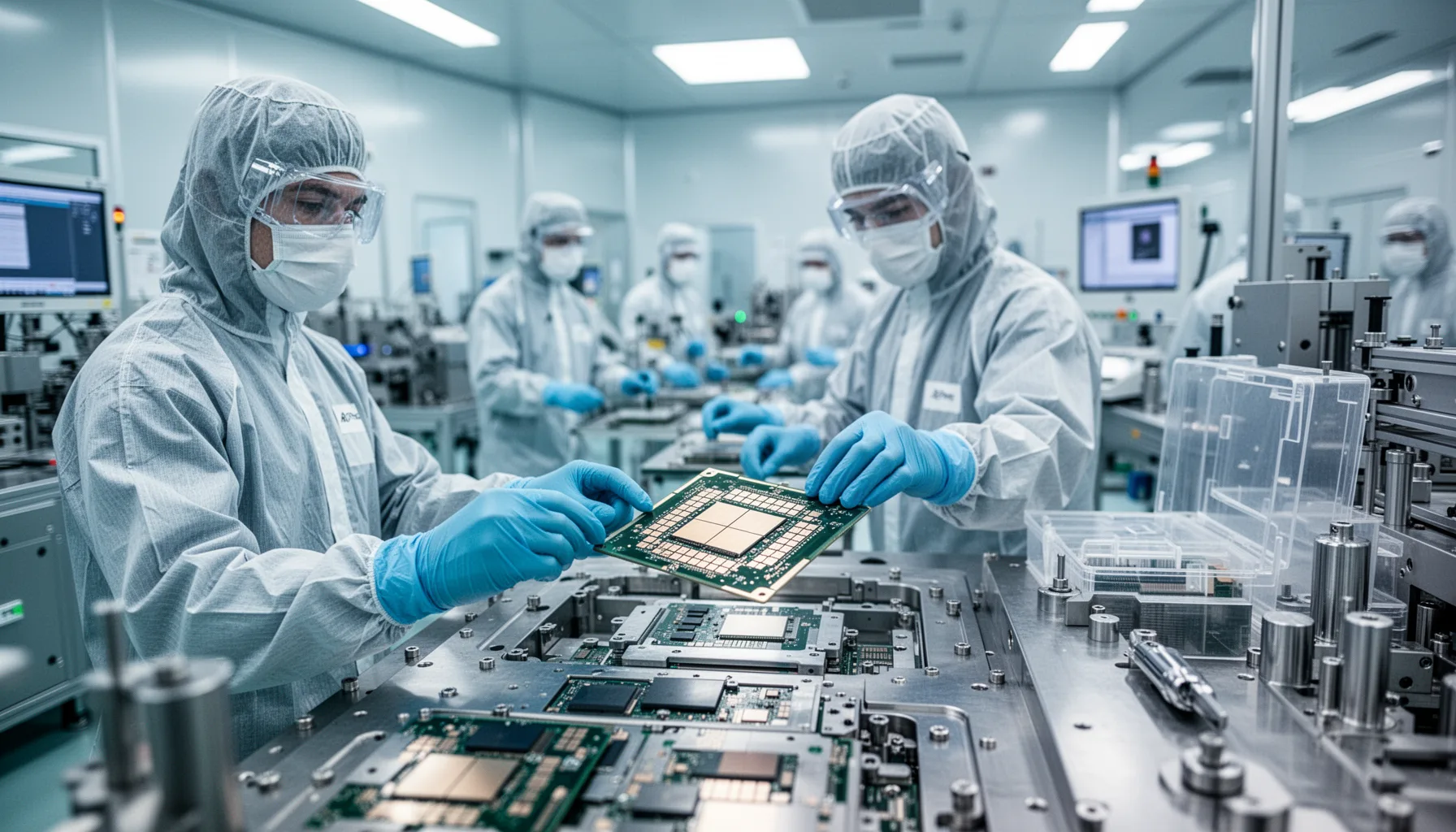
AI chip supply chain geopolitical risk now runs well beyond GPUs because modern AI capacity rests on a tightly coupled stack. NVIDIA accelerators still anchor spending, but HBM from SK hynix, Micron, and Samsung, advanced packaging from TSMC and ASE, networking from Broadcom and NVIDIA, and power and cooling gear from Schneider Electric or Vertiv all sit on the critical path. That's the missed layer. If one link tightens, the whole rack slips. We'd argue the market spent too long acting as if GPUs were the entire story, when the actual chokepoints now include CoWoS packaging, transformer capacity for data centers, and even diesel backup systems needed to bring sites online. Not quite simple. Look at xAI, Oracle, or CoreWeave-scale infrastructure projects: they don't stall only because chips go missing; they can jam on power gear, fiber, permits, or memory allocation. War risk intensifies that dynamic because it adds friction across several supplier tiers at once. That's a bigger shift than it sounds.
How war changes AI infrastructure supply for cloud and enterprise buyers
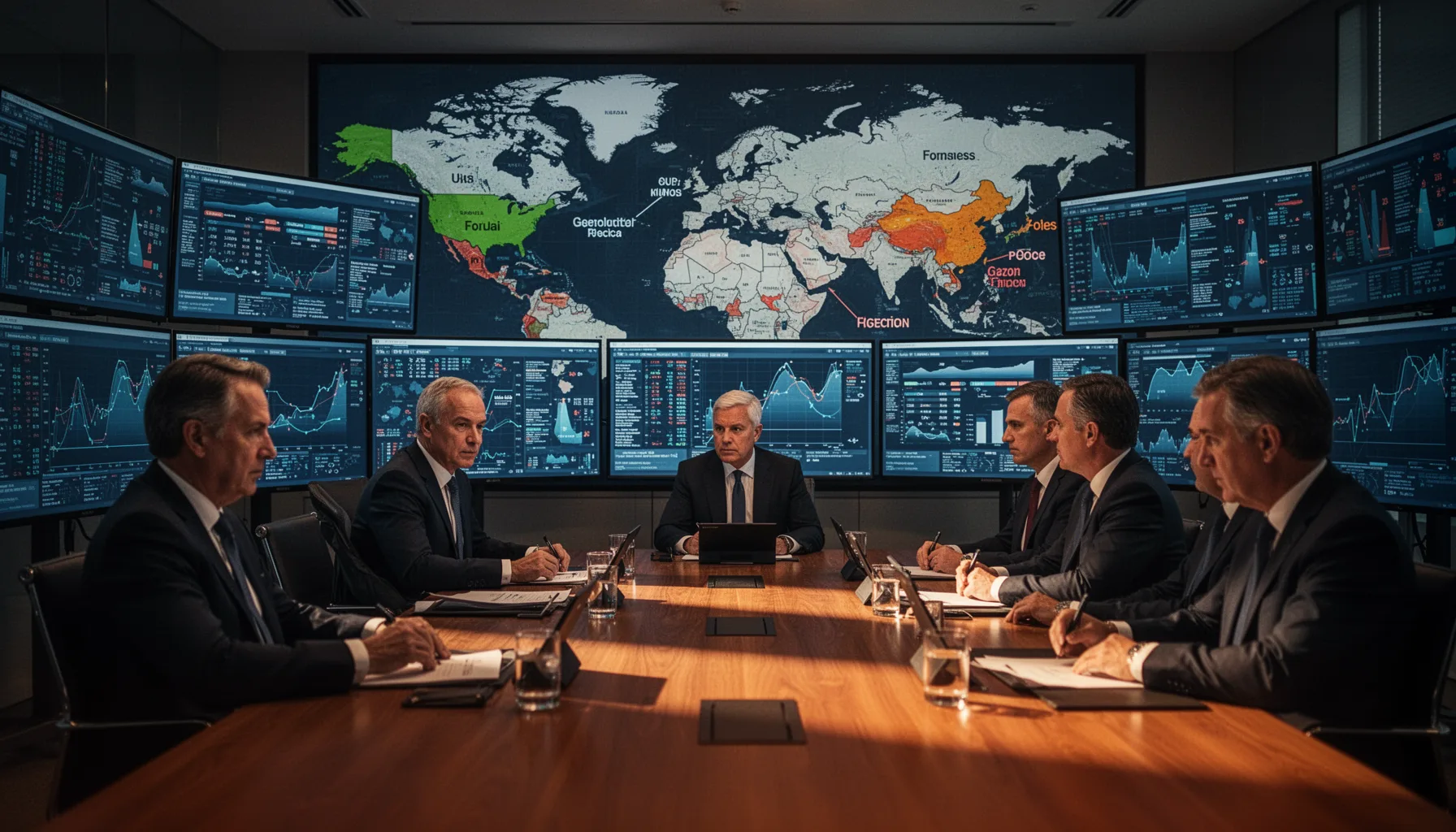
How war changes AI infrastructure supply depends a lot on whether you're a hyperscaler, a startup, or an enterprise buyer placing smaller orders. Hyperscalers can still lock in priority allocations because they buy at huge scale and sign long-term agreements, while startups and mid-market enterprises usually eat the delays, price swings, or lower-tier hardware substitutions. That's the pecking order. In this setup, cloud commitment strategy becomes more consequential than model choice by itself. A bank or manufacturer that once compared GPU instances mostly on hourly price may now care just as much about region diversity, reserved capacity, and backup suppliers, especially when workloads carry compliance deadlines or customer-facing SLAs. Here's the thing. We think that's why the next phase of the AI supercycle supply chain 2026 debate turns operational in a hurry. Buyers need sourcing plans, not just cheerful demand charts. Worth noting.
What should companies do as the artificial intelligence supercycle survives war?

Companies should treat geopolitical risk as a design variable in AI planning, not as the occasional macro footnote. That means scenario planning across chips, memory, cloud regions, energy exposure, and deployment models, including whether some workloads should shift on-prem or move to smaller models that cut compute dependence. Simple enough. It's basic resilience, yet plenty of teams still skip it. If you run a high-volume inference service, map which parts of your stack rely on one vendor, one region, or one memory class, then test substitutes before you're forced to. And if you're an enterprise buyer, negotiate flexibility into cloud and hardware contracts so you can switch providers or delay capacity commitments without wrecking the economics. A concrete example: use a mix of public cloud GPUs, reserved colocation space, and optimized open models for non-critical jobs. The supercycle probably stays intact. The old assumption of frictionless hardware expansion doesn't.
Frequently Asked Questions
Will the artificial intelligence supercycle survive war?
How does war affect the AI chip supply chain?
Why is HBM memory so important in the AI supercycle supply chain 2026?
Who is most exposed to AI supply chain geopolitical risk?
What should enterprises change in response to AI infrastructure disruption?
Key Takeaways
- AI demand likely holds, but supply routes and hardware planning are being redrawn.
- War raises risk premiums across chips, energy, logistics, and cloud infrastructure buildouts.
- The biggest shift is regional diversification, not a collapse in AI spending.
- HBM memory, advanced packaging, and power equipment now matter as much as GPUs.
- Buyers should treat geopolitical risk as an infrastructure input, not background noise.