
⚡ Quick Answer
Receipts before AI tool calls create a verifiable record of what an agent knew, planned, and invoked before it touched an external tool. XAIP’s latest update matters because it puts MCP, LangChain.js callbacks, and OpenAI-compatible tool-call loops into one portable trust graph.
Receipts before AI tool calls sound niche right up until an agent does the wrong thing. Then the idea gets urgent, fast. XAIP’s latest update nudges that concept out of theory and into something people can actually inspect in public, with a new demo, refreshed live numbers, and support for MCP, LangChain.js callbacks, and OpenAI-compatible loops inside one trust graph. Big shift. And that mix matters because the hardest part of agent safety usually isn’t the final answer a model produced. It’s what the system decided just before it acted.
What are receipts before AI tool calls and why do they matter?

Receipts before AI tool calls are signed, or otherwise verifiable, records that capture an agent’s pre-action state before it invokes a tool. That's the whole point. Ordinary logs may tell you a tool call occurred, but they often can't prove which prompt context, plan, or intermediate reasoning state actually led to that call in that exact moment. Not quite enough. XAIP wants to fix that by making trust portable across providers and frameworks instead of pinning it to one vendor’s telemetry. We’d argue that’s the right bet. Agent systems now mix OpenAI-compatible APIs, MCP servers, framework callbacks, and custom internal tools all at once. Think of Stripe, for a concrete example. If an agent transfers money, pulls a patient record, or opens a production ticket, teams need more than a hopeful replay. They need evidence that travels. That's a bigger shift than it sounds. So pre-call receipts carry more weight than after-the-fact explanations.
How XAIP portable trust AI receipts work across MCP and LangChain callbacks

XAIP portable trust AI receipts matter because they try to capture one audit story across different execution paths instead of leaving trust split apart by framework. That fragmentation gets expensive. The update folds receipts from MCP, LangChain.js callbacks, and OpenAI-compatible tool-call loops into the same public trust graph. Worth noting. That’s more than a tidy demo. It suggests a shared evidence layer for agent actions whether the agent used a protocol-native tool discovery flow or a framework-level callback chain. Here's the thing. Plenty of teams already know this pain: the model response sits in one log store, the callback trace in another, and the tool result somewhere else entirely. Then an incident hits. And stitching it all back together can eat hours. By unifying those artifacts, XAIP is basically saying trust should live as portable metadata, not as a vendor-only feature. We’d side with that.
Why receipts before AI tool calls beat ordinary AI tool call audit trail logging
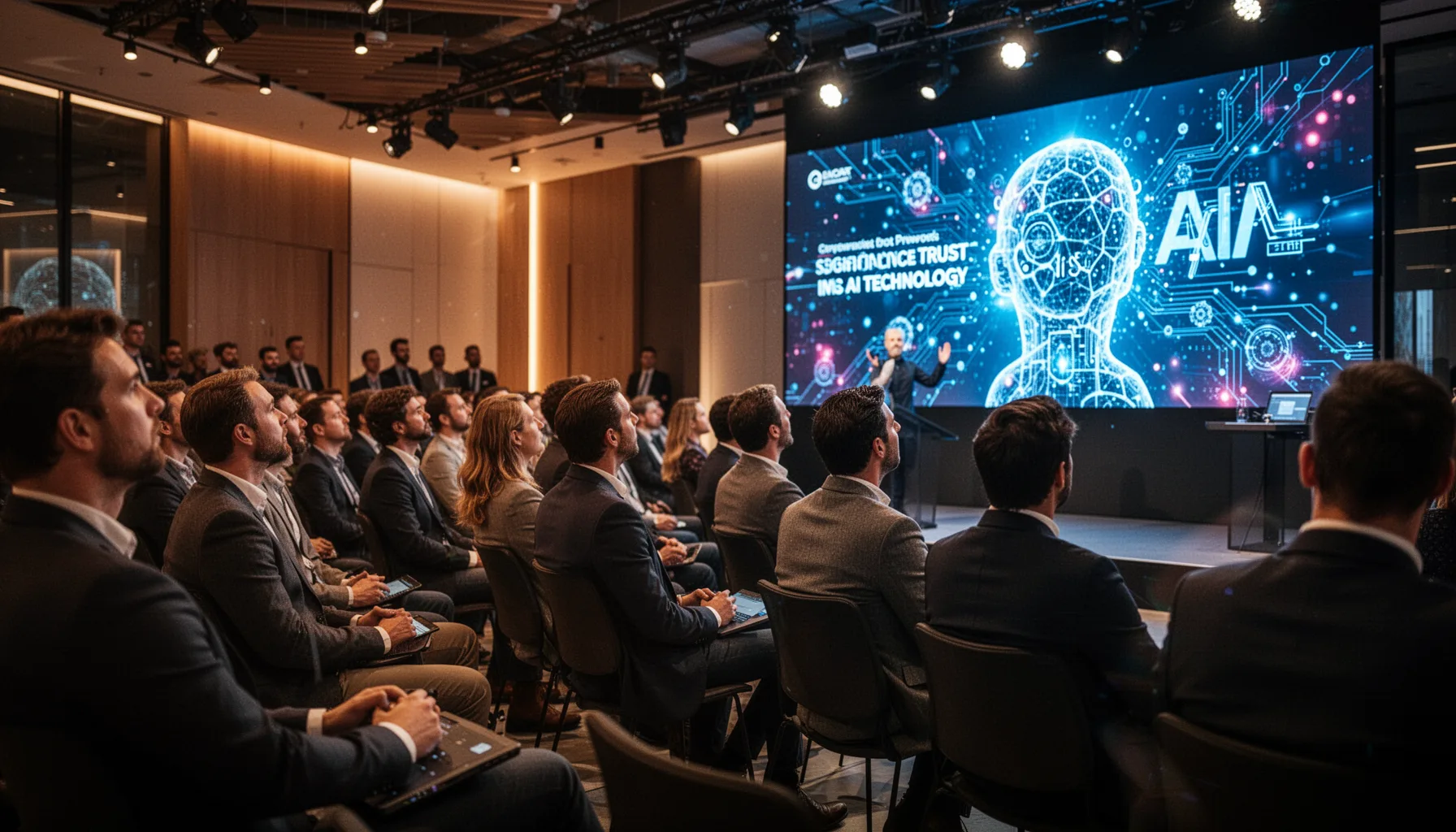
Receipts before AI tool calls beat ordinary audit logs because they capture intent and context before side effects happen. Timing changes everything. In a standard AI tool call audit trail, you usually get timestamps, tool names, parameters, and outputs after execution, which still leaves investigators guessing about whether the system had enough authorization, enough context, or a valid plan before making the call. That's the gap. Think about an OpenAI-compatible agent loop writing to an internal Salesforce CRM endpoint. A post-call log tells you what happened. A pre-call receipt can support claims about why the system believed the action was allowed at that moment. We'd say that's consequential. That difference pushes compliance review out of guesswork and closer to software forensics. And as agents move into regulated workflows, software forensics won’t be optional. It’ll show up in procurement checklists.
How public demos and live trust graphs change adoption of receipts before AI tool calls
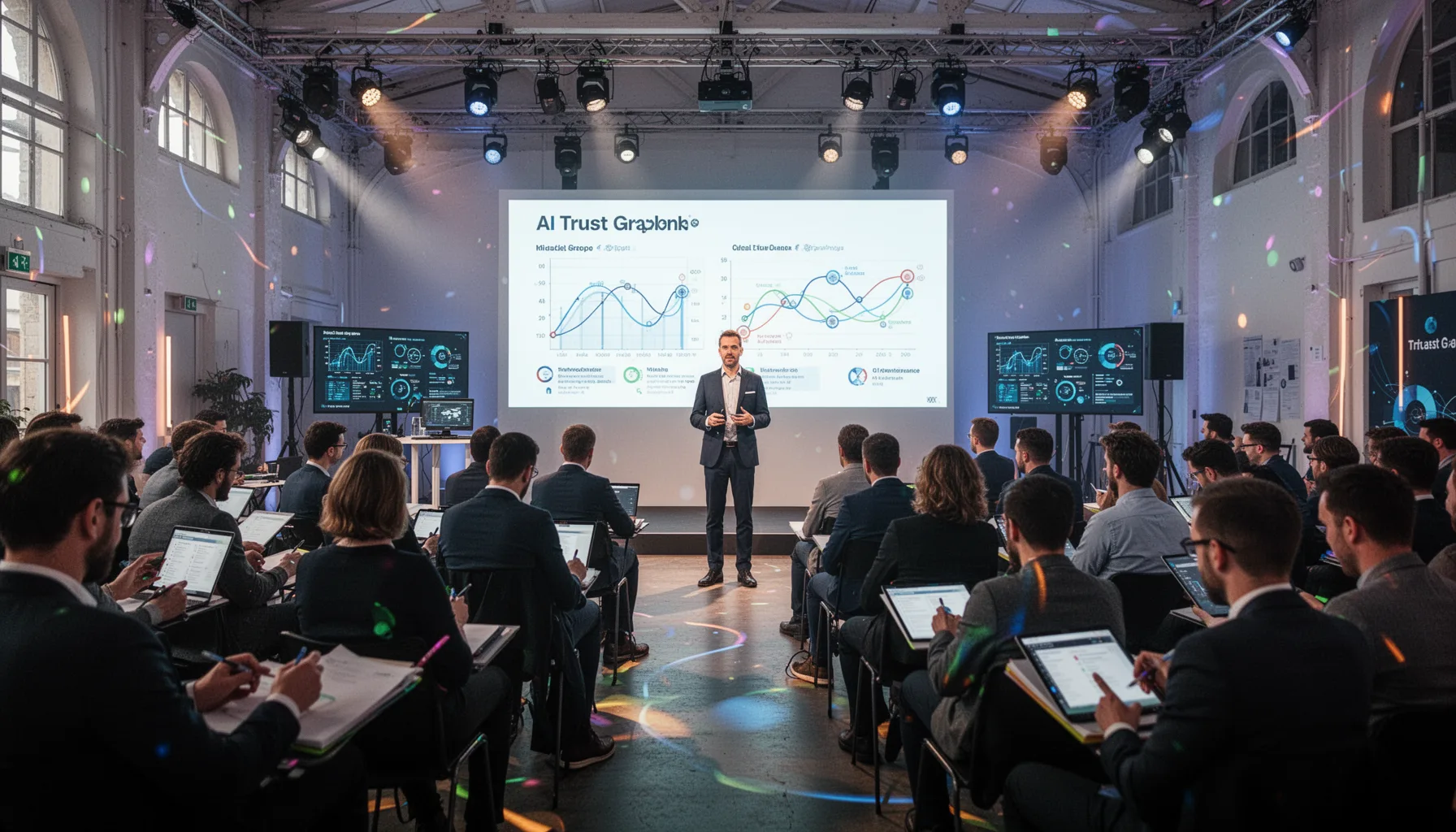
Public demos matter because trust systems nobody can inspect rarely earn trust themselves. People notice that. XAIP’s new public demo and refreshed live numbers give developers and buyers something concrete to evaluate instead of another whitepaper promise. Worth noting. That matters even more in the current agent market, where plenty of products talk up observability, lineage, or guardrails but stop short of portable proof across multiple tool-calling paths. We’ve watched this movie before in security and supply chain software. Simple enough. Standards usually gain real traction only after teams can compare outputs in the open and test them against actual workflows. A visible trust graph also gives integrators a cleaner way to explain value to legal, risk, and platform teams who aren't going to read orchestration code. Think of a buyer at Datadog or a hospital IT group. That’s a quiet edge. Sometimes the best technical feature is the one procurement can grasp in five minutes.
Key Statistics
Frequently Asked Questions
Key Takeaways
- ✓Receipts before AI tool calls give teams evidence, not just logs, after agent actions.
- ✓XAIP now points to MCP and OpenAI-style tool loops in one public trust graph.
- ✓That portability matters because agent stacks rarely stay with one framework for long.
- ✓Audit trails for tool calls are becoming a product requirement, not a nice extra.
- ✓If you can’t prove pre-call state, post-incident review gets messy very quickly.