
Anthropic 1-click pwn response: what the backlash means
Anthropic 1-click pwn response sparked debate over user consent and AI app security. Here's what happened and why it matters.
Table of Contents
Quick Answer
The Anthropic 1-click pwn response became controversial because critics saw it as dismissing a serious security design issue with a user-blame answer. The bigger lesson is simple: if one click can expose dangerous permissions, the product boundary is probably too weak.
Anthropic's 1-click pwn response landed badly for a reason. The line "shouldn't have clicked ok" came off blunt, maybe even a little glib, once people framed the issue as delegated power inside AI systems. And security folks catch that tone fast. They also inspect the plumbing. What first looked like a spicy quote on Hacker News quickly turned into a wider fight about permissions, product design, and whether AI companies are quietly making risky consent flows feel normal.
What happened in the Anthropic 1-click pwn response controversy?

The Anthropic 1-click pwn response controversy centers on a claim that one user approval could open the door to a serious compromise, followed by a reply critics boiled down to "shouldn't have clicked ok." That's why the story traveled so fast. Security researchers and developers usually react badly when a platform treats risky behavior as mostly user failure, especially when the product itself mediates powerful actions across tools and accounts. Not quite. The phrase "1-click pwn" carries real weight because it suggests the barrier to compromise sits absurdly low. And in security culture, low-friction compromise usually points to design first and user behavior second. Hacker News poured fuel on the backlash because its audience includes engineers who build permission systems and know how often consent screens mask dangerous authority. We'd argue the PR damage came from something larger than phrasing. The response seemed to downplay how AI agents compress lots of hidden actions behind one approval that looks simple on the surface. A concrete comparison is OAuth fatigue on the consumer web, where people click through prompts quickly even when apps ask for sweeping access to Google or Microsoft accounts. That's a bigger shift than it sounds.
Why is 'shouldn't have clicked ok' a weak security answer?

"Shouldn't have clicked ok" is a weak security answer because mature security design assumes users will tap prompts without fully grasping the downstream consequences, especially when the interface looks routine. That's basic reality. The National Institute of Standards and Technology has pushed risk-based design and usable security principles for years for exactly this reason. Consent by itself doesn't cancel out dangerous architecture. But many AI products still rely on permission screens that look ordinary while granting software broad agency across email, documents, code repositories, or internal systems. That's where the controversy really bites. If one approval lets an AI-connected app chain across multiple tools, then the system designer owns a big share of the risk whether or not the user technically consented. Apple offers a useful contrast here. On iOS, camera, microphone, photos, and location each get distinct controls because blanket access proved far too easy to abuse. In Claude security incident analysis, the real question isn't whether a user clicked. It's whether the permission model gave that click far too much power. Worth noting.
How serious are AI app permission security risks in agent workflows?
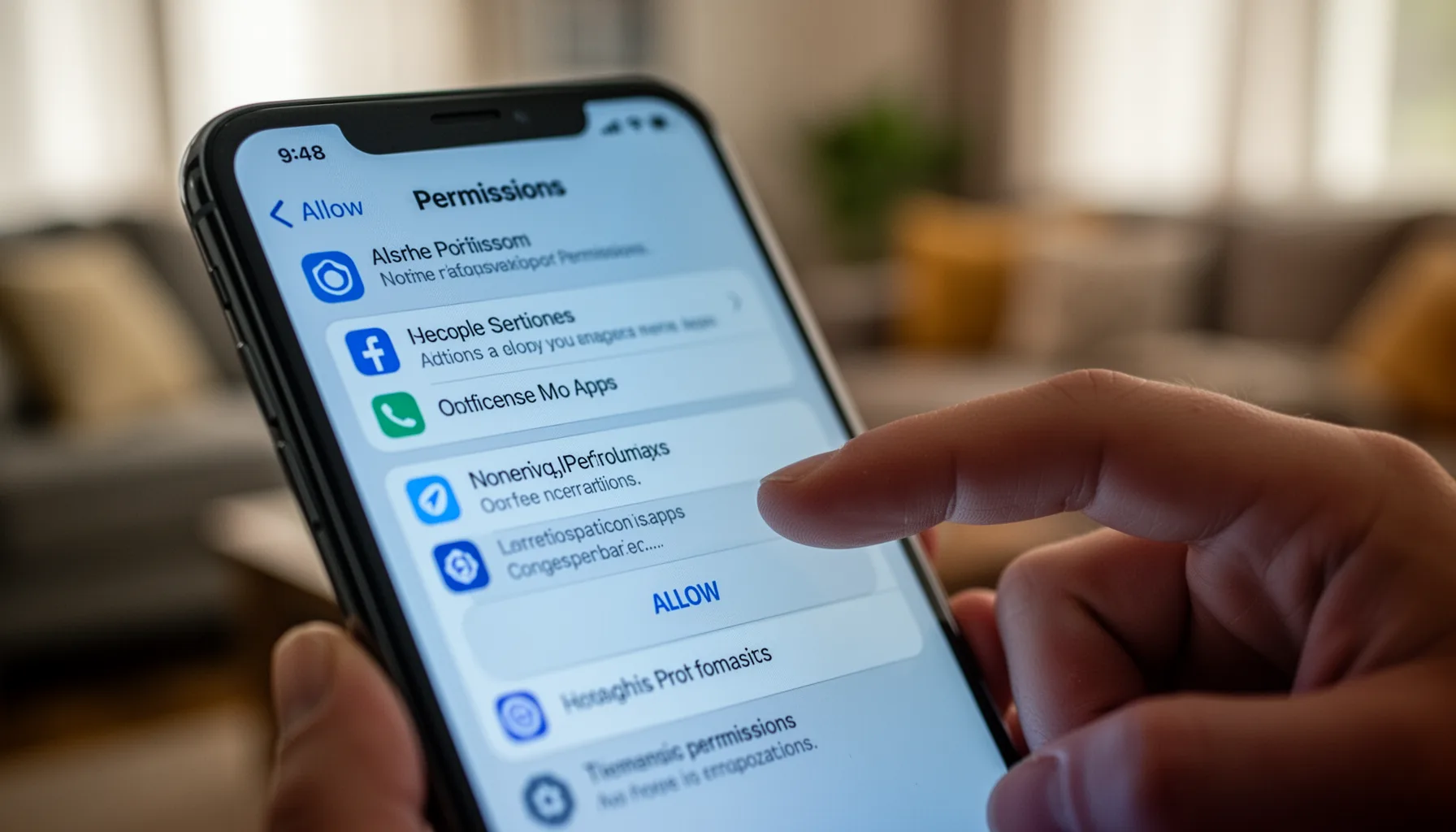
AI app permission security risks are serious because agent workflows bundle reasoning, tool access, and external actions into a single trust chain. That chain can snap fast. Once an agent can read email, open files, call APIs, and post into SaaS tools, one compromised permission can create lateral movement opportunities that look a lot like classic enterprise identity failures. According to Okta's 2024 Businesses at Work report, organizations now deploy hundreds of SaaS applications on average, which means connected AI tools often sit inside dense permission graphs. So this isn't just about one AI vendor. It's the collision between agents and sprawling software estates. We've seen the pattern before in cloud IAM, where overprovisioned roles created an outsized blast radius from small mistakes. Here's the thing. A travel-booking assistant with access to a calendar, inbox, payment method, and browser automation may feel handy, but if one confirmation grants all four at once, the attack surface gets hard to defend and even harder to explain to normal users. That's a bigger shift than it sounds.
What does Claude security incident analysis suggest about safer design?

Claude security incident analysis suggests safer design starts with narrower scopes, clearer prompts, and firmer technical boundaries between reading data and taking action. That's the practical path. An agent shouldn't get the same trust to summarize an email that it gets to send one. And reading a document shouldn't imply permission to buy a service or modify a production record. Yet some AI systems still collapse those layers because convenience drives adoption faster than careful access modeling. To be fair, every major platform wrestles with this tradeoff. Google, Microsoft, and Slack all spent years refining app scopes because developers ask for fewer prompts and users prefer speed. But security usually wins when the product forces friction at high-risk moments. Simple enough. We'd go further: if a permission screen doesn't tell a reasonable user what concrete actions an agent may take, the design has already failed before any exploit appears. Worth noting.
What the Anthropic 1-click pwn response means for AI vendors now

The Anthropic 1-click pwn response matters because it crystallizes a broader industry test: can AI vendors ship agent features without making fragile consent models feel acceptable? That's the question hanging over the sector. Regulators, enterprise buyers, and CISOs aren't judging model quality alone anymore; they're also judging operational safety, auditability, and whether product teams treat predictable misuse as a design problem. The 2024 OWASP Top 10 for LLM Applications flagged excessive agency and overreliance as core risk patterns, which maps directly to this debate. So even if this episode slips off the front page, the buying criteria won't. A vendor that answers permission risk with user blame will look less credible in enterprise procurement reviews. And one that tightens scopes, explains authority clearly, and publishes better guardrail patterns will probably gain trust quickly. Anthropic 1-click pwn response is more than a PR flare-up. It's a useful warning label for the whole AI app market. We'd argue that's the real takeaway.
Frequently Asked Questions
What is the Anthropic 1-click pwn response?
Why did 'shouldn't have clicked ok' upset security researchers?
How does a 1-click pwn AI vulnerability usually happen?
What are the biggest AI app permission security risks?
How should AI companies respond to security controversies like this?
Key Takeaways
- The Anthropic 1-click pwn response raised concerns far beyond one viral quote.
- Security teams dislike any model that treats one click as meaningful informed consent.
- AI app permission security risks grow when tools can act across many connected services.
- The real issue isn't PR style alone; it's how authority gets delegated to agents.
- Claude security incident analysis points to a wider design problem across AI tools.