
Automated personalized follow up emails AI: BizNode guide
See how automated personalized follow up emails AI works with BizNode, including ROI, safeguards, deliverability, and SMB sales use cases.

Table of Contents
Quick Answer
Automated personalized follow up emails AI can now move beyond rule-based sequences by drafting, timing, and adapting outreach from live lead context. BizNode's pitch is that an agent can handle lead nurture end to end, but the real value depends on email quality, deliverability controls, and clear human oversight.
Automated personalized follow up emails AI can sound like an old promise dressed up in fresh packaging. Sometimes that's exactly what it is. But BizNode is chasing something more ambitious: not just scheduled sequences, but lead nurture run more like a junior sales operator who never clocks out. That's a big swing. For small businesses buried under inbound forms, chatbot captures, and prospects that never got a real reply, that could unlock real revenue. Or spark spam complaints fast if it's handled badly.
How automated personalized follow up emails AI changes lead nurture

Automated personalized follow up emails AI changes lead nurture by moving teams away from fixed sequences and toward context-aware replies that shift with each lead's signals. Simple enough. Traditional marketing automation platforms such as Mailchimp, ActiveCampaign, and HubSpot usually rely on if-this-then-that logic, and that approach still works for broad campaigns. But when a prospect asks a question in a chat widget, visits a pricing page twice, or mentions a niche requirement, rigid templates often sound like they came from a robot circa 2018. BizNode points to a different model, closer to agentic sales ops: it captures the lead, reads the surrounding context, drafts a response, and keeps the exchange moving while the rep is asleep. We think that's the real upgrade. A local roofing company, say in Tampa, could answer a storm-damage repair inquiry very differently from a property manager asking for a long-term maintenance quote, even if both leads arrived through the same bot. And the commercial case is plain enough. Faster, more relevant follow-up tends to lift reply rates, and InsideSales research has long suggested steep drop-offs when teams wait too long. That's a bigger shift than it sounds.
Why BizNode lead follow up automation is different from classic drip software

BizNode lead follow up automation stands apart when it behaves like an operator rather than a timer. Not quite. Classic drip software sends message one on day one, message two on day three, and the rest after that. Useful, yes. But it usually can't reason through a lead's question, read urgency from behavior, or decide that a softer educational nudge makes more sense than a hard pitch. That's the bridge BizNode wants to build between marketing automation and a lightweight AI sales desk. We'd argue that framing matters. SMBs don't need another dashboard stuffed with branching logic if what they actually need is competent follow-through. Picture a boutique accounting firm in Denver. A visitor asks through a chatbot about back-tax help, uploads a brief description, and BizNode sends a tailored note with next steps, service fit, and a scheduling link instead of some generic newsletter-style sequence. That feels much closer to sales execution than plain email automation. And that distinction isn't trivial. Worth noting.
What good automated personalized follow up emails AI should actually sound like
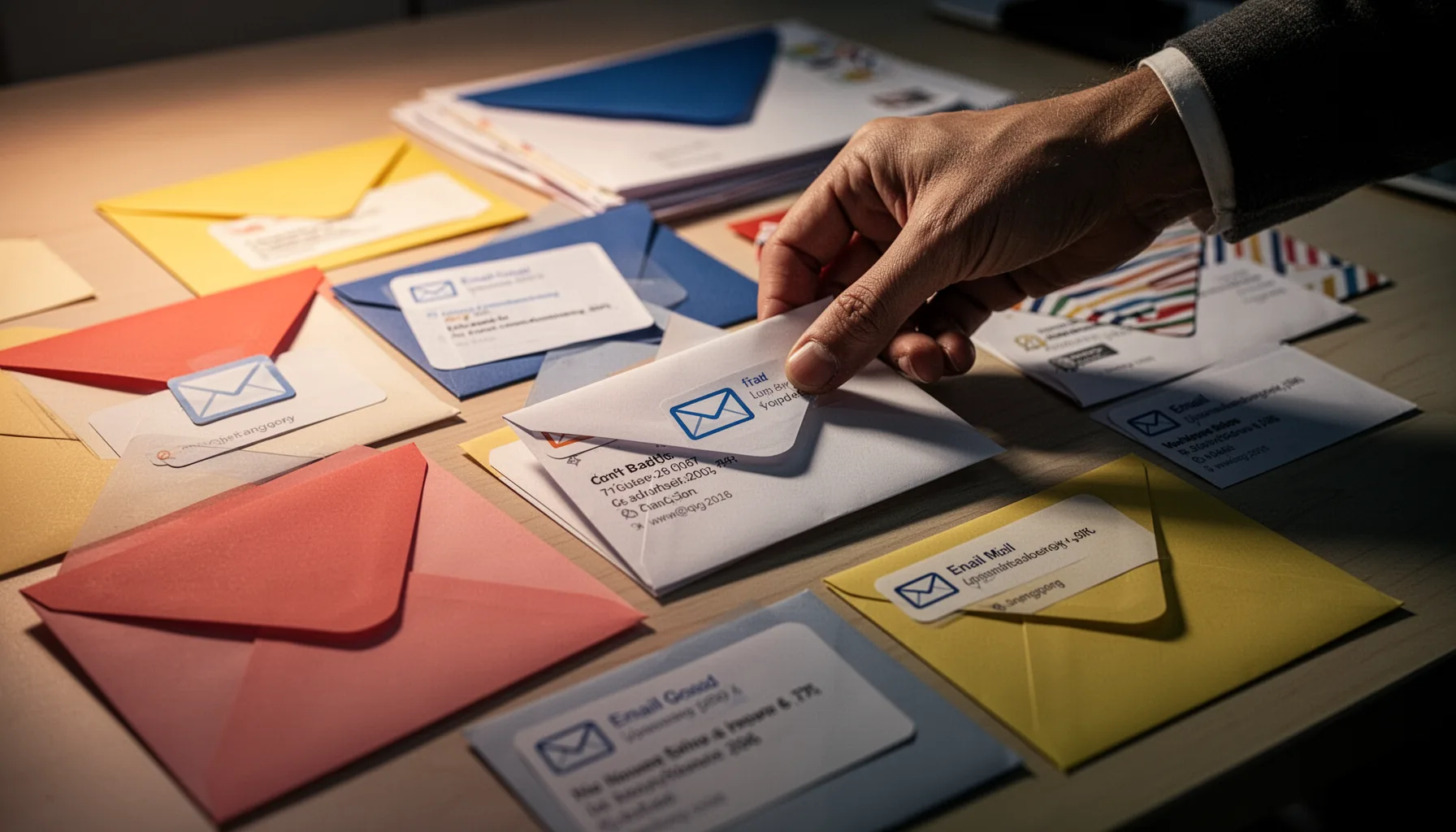
Good automated personalized follow up emails AI should sound specific, timely, and restrained, not overly polished or weirdly intimate. Here's the thing. A lot of tools miss this completely. They pile on fake warmth, overwork first names, and mirror details so aggressively that the recipient gets creeped out. A better email acknowledges where the lead came from, answers the stated need, and gives one clear next step. For example, after a chatbot capture from a managed IT services firm, a strong BizNode-style note might say: 'You mentioned Microsoft 365 security concerns for a 25-person team. We typically start with a 20-minute review of sign-in policies and device controls; if you'd like, here's a link to book a call this week.' That's useful. We think the best AI follow-up copy reads like a capable coordinator. Not a motivational speaker lunging for the close in email one. That's a smarter shift than many vendors admit.
How to protect deliverability and compliance when AI sends follow up emails automatically to leads

To protect deliverability and compliance, AI follow-up systems need suppression rules, domain hygiene, approval thresholds, and clear consent handling before anything goes out. That's where the glossy demos stop. Google's and Yahoo's 2024 bulk sender requirements tightened expectations around authentication, one-click unsubscribe, and spam complaint rates, and those rules influence smaller senders as well. If BizNode, or any similar system, sends too many weak emails, your domain reputation can crater before the revenue math even gets a shot. We strongly believe every SMB should put guardrails in place. Verify SPF, DKIM, and DMARC. Keep suppression lists current. Cap send volume. Route sensitive categories like finance, legal, or health inquiries through human review. A dental clinic in Phoenix makes the point clearly: appointment follow-up and general service information may work fine as automated drafts, but anything involving patient records or insurance specifics needs tighter handling. And yes, personalization without compliance is just polished risk. That's not trivial.
Best AI follow up email software for leads: where BizNode wins and where SMBs should be cautious

The best AI follow up email software for leads wins when it improves speed-to-lead, reply quality, and booked meetings without slipping hidden risk into the process. Simple enough. BizNode's likely edge for SMBs is simplicity: one agent handling capture, context, and response instead of forcing teams to stitch together forms, email tools, and manual outreach. That's appealing if the alternative is a pile of HubSpot workflows, Zapier zaps, and a founder's overworked inbox. But caution still matters. If the system can't explain why it chose a message, can't respect exclusions, or can't sync cleanly with your CRM, the labor savings may disappear into cleanup work. We'd also want hard proof on deliverability and editable guardrails before trusting any autonomous follow-up agent at scale. Take a real estate agency in Austin. If BizNode can triage buyer versus seller leads, personalize by neighborhood interest, and avoid duplicate outreach from human agents, that's genuine value. Not automation theater. Worth watching.
Step-by-Step Guide
Map your lead sources
List every place leads come from, including chatbots, forms, ads, referrals, and inbound email. Identify what context each source provides, because better follow-up depends on better input. If your lead data is thin or messy, AI will sound generic no matter how smart the model is.
Define message guardrails
Set rules for tone, prohibited claims, escalation triggers, and approved calls to action. Include compliance checks for consent, unsubscribe handling, and sensitive industries. This gives the agent a boundary, which is exactly what good automation needs.
Connect BizNode to your CRM
Sync BizNode with systems like HubSpot, Salesforce, or Pipedrive so it can read lead history and avoid duplicate contact. The goal is one source of truth. When context is split across inboxes and spreadsheets, personalization quality drops fast.
Review sample emails before launch
Generate a batch of likely follow-up emails across common scenarios and edge cases. Read them like a prospect would, not like a founder excited by automation. Look for awkward phrasing, invented details, and any message that pushes too hard too soon.
Set deliverability protections
Authenticate your domain with SPF, DKIM, and DMARC, and start with conservative sending limits. Track open rates, replies, bounce rates, and spam complaints by segment. If performance dips, fix the list quality and message logic before scaling volume.
Measure pipeline outcomes
Compare booked calls, reply rates, speed-to-first-response, and close rates before and after rollout. Use a 30- to 60-day test window for a fair read. The right AI follow-up setup should improve revenue efficiency, not just reduce manual email time.
Key Statistics
- InsideSales research found contacting a web lead within 5 minutes can make qualification far more likely than waiting 30 minutes or longer.The precise uplift varies by funnel, but the principle is consistent: speed-to-lead still matters. AI follow-up agents are attractive because they compress that delay dramatically.
- HubSpot has repeatedly reported that personalization can improve email engagement, though results vary heavily by list quality and relevance.This is why BizNode's promise hinges on context, not merely inserting names or company fields. Better relevance drives replies; fake personalization drives complaints.
- Google and Yahoo introduced stricter 2024 sender requirements around authentication and spam complaint thresholds for bulk senders.Any AI system sending follow-up emails at scale must respect deliverability fundamentals. Otherwise, automation gains can be erased by inbox placement problems.
- Salesforce's State of Sales reporting has shown that high-performing sales teams increasingly use AI and automation to support prospecting and follow-up.That trend gives BizNode a favorable market backdrop. Buyers now expect automation to handle routine outreach, but they also expect oversight and accountability.
Frequently Asked Questions
What is automated personalized follow up emails AI?
How is BizNode lead follow up automation different from email sequences?
Can AI bot lead nurturing tools hurt email deliverability?
Who should use a 24 7 AI sales follow up agent?
How do I know if AI follow-up software is worth the cost?
Key Takeaways
- BizNode aims to replace rigid drip rules with adaptive AI lead follow-up.
- Better personalization matters only when reply rates rise without hurting deliverability.
- SMBs should compare agent ROI against both labor cost and missed-lead revenue.
- Human approval rules still matter for compliance, brand voice, and awkward edge cases.
- The best setups connect AI follow-up to CRM data, scoring, and suppression lists.