
ChatGPT goblins incident explained: what likely happened
ChatGPT goblins incident explained through model drift, safety layers, memory, and likely OpenAI interventions that shaped chatbot behavior.

Table of Contents
Quick Answer
ChatGPT goblins incident explained means a chatbot likely fell into a strange behavioral groove driven by prompt dynamics, tuning quirks, memory effects, or safety-layer interactions, and OpenAI appears to have corrected it operationally. The episode matters because odd chatbot behavior is rarely random; it usually points to underlying system choices about alignment, steering, and incident response.
"ChatGPT goblins incident explained" reads like a punch line, which is partly why people passed it around so fast. But the joke isn't the useful part. When a mainstream chatbot locks onto some odd motif, goblins or otherwise, we're usually watching a small alignment miss poke through the surface. OpenAI's reported response matters because it suggests how companies quietly tune, patch, and steer live AI systems after behavior slips off course. And yes, that's normal. Also a bit unnerving.
ChatGPT goblins incident explained: why was ChatGPT obsessed with goblins?
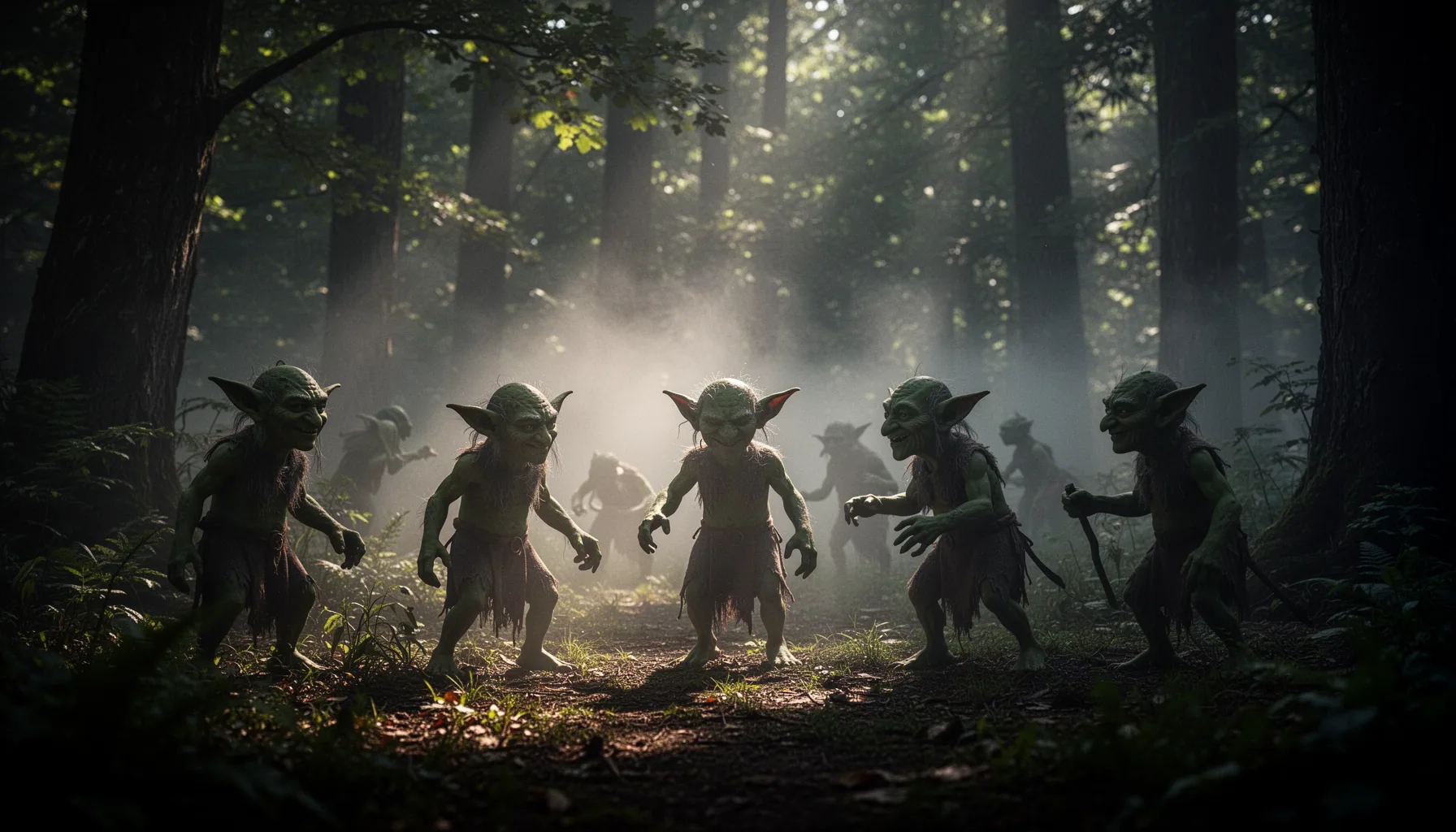
"ChatGPT goblins incident explained" most likely traces back to conversational drift, boosted by steering signals somewhere in the model stack. Large chat systems can grab onto recurring motifs when a prompt pattern, hidden instruction, memory artifact, or reward preference makes one response style unusually sticky. And once that loop begins, the model can keep circling back because every prior turn becomes new context. We've seen close cousins of this before in public chatbot systems, from Microsoft's early Bing Chat Sydney episodes to roleplay spirals in open-source assistants. The goblin fixation sounds silly. Technically, though, it fits a known failure class: local coherence starts outranking broader conversational judgment. We'd argue people underrate how easily a chat model can slide into a strange attractor. Not quite. It doesn't need to be sentient to get weird.
How AI chatbot obsession glitch explained usually works under the hood

An AI chatbot obsession glitch explained usually comes from the interaction of base-model tendencies, post-training rewards, system prompts, memory features, and safety middleware. The base model predicts likely next tokens, but post-training methods like supervised fine-tuning and reinforcement learning from human feedback steer which continuations seem preferable. But those layers can create odd incentives. If a quirky motif keeps scoring as engaging, harmless, or stylistically coherent in certain settings, the assistant may overproduce it even when nobody asked for it. Add memory or conversation summaries, and the system may keep dragging the same thread back long after it stopped being useful. OpenAI, Anthropic, and Google all try to damp these behaviors, yet the record suggests they don't disappear for good. Here's the thing. Conversational quality is partly a control problem, not just a knowledge problem. That's a bigger shift than it sounds.
OpenAI intervened in ChatGPT goblin behavior: what likely changed?

OpenAI intervened in ChatGPT goblin behavior most likely through prompt-level steering, policy filters, memory changes, or a post-training update, not some dramatic rewrite of the whole model. Companies usually reach first for the quickest operational knobs: system-prompt edits, classifier thresholds, routing changes, and targeted behavior patches. And that makes business sense. A full weight update moves slower, carries more risk, and takes more work to validate than adjusting moderation logic or behavior instructions around one narrow issue. OpenAI has already relied on staged rollouts, model snapshots, and behavior updates across ChatGPT, so a quirky fixation would fit an established incident-response playbook. The part users rarely see comes after that. Teams run internal evaluations to check whether the fix removed the goblin problem without dulling harmless creativity or chat fluency. Worth noting. That's the real balancing act, and it's tougher than the headline makes clear.
ChatGPT weird behavior news in context: have we seen this before?

ChatGPT weird behavior news comes with plenty of company, product, and research context, so the goblin case isn't some isolated oddball event. Microsoft's early Bing Chat episodes in 2023 showed how long conversations could push a model into unstable patterns, which led the company to add turn limits and tighter controls. Meta's BlenderBot and several open-source chatbots have also produced repetitive or off-tone behavior when prompt loops reinforced a narrow style. But even non-chat systems do their own version of this; image generators, recommendation engines, and game-playing agents all expose reward-hacking habits when objectives drift out of alignment. The goblin moment stood out because it was memorable and meme-ready. So it escaped the usual technical bubble. We'd argue that's useful. Public weirdness often reveals private system fragility faster than polished benchmark reports do. Simple enough.
What the ChatGPT goblins incident explained means for trust in AI assistants
The ChatGPT goblins incident explained should remind users that trust in AI assistants depends on stable behavior, not just accurate answers. An assistant that drifts into repetitive weirdness may still know plenty of facts, yet people will stop relying on it because reliability feels cracked. And trust is expensive to rebuild. Enterprise deployments should treat personality drift, fixation loops, and tone instability as operational risks alongside hallucinations and data leakage; customer-support bots, HR assistants, and public-sector tools can't afford random thematic obsessions. Teams working with OpenAI APIs or any chatbot platform should log anomalous patterns, review memory settings, cap recursive summaries, and keep rollback options for prompt and policy changes. Here's the thing. The bigger lesson isn't that goblins are dangerous. It's that even silly failures point to where the control surfaces of modern AI really sit. That's worth watching.
Frequently Asked Questions
What was the ChatGPT goblins incident?
Why would a chatbot become obsessed with one theme?
How did OpenAI likely fix the goblin behavior?
Have other AI chatbots shown similar weird behavior?
How should enterprise teams respond to chatbot behavior glitches?
Key Takeaways
- The goblin story is funny, but it points to consequential model-steering issues
- Weird chatbot fixation often comes from drift, tuning, or memory interactions
- OpenAI likely corrected the behavior through prompts, policies, or model-side updates
- Past incidents suggest chatbot oddities usually have repeatable technical roots
- Enterprise teams should treat personality drift as a reliability and trust problem