
ChatGPT Images 2.0 adoption by country: why India leads
ChatGPT Images 2.0 adoption by country reveals why India is surging first. See the cultural, creator, and pricing forces shaping global demand.
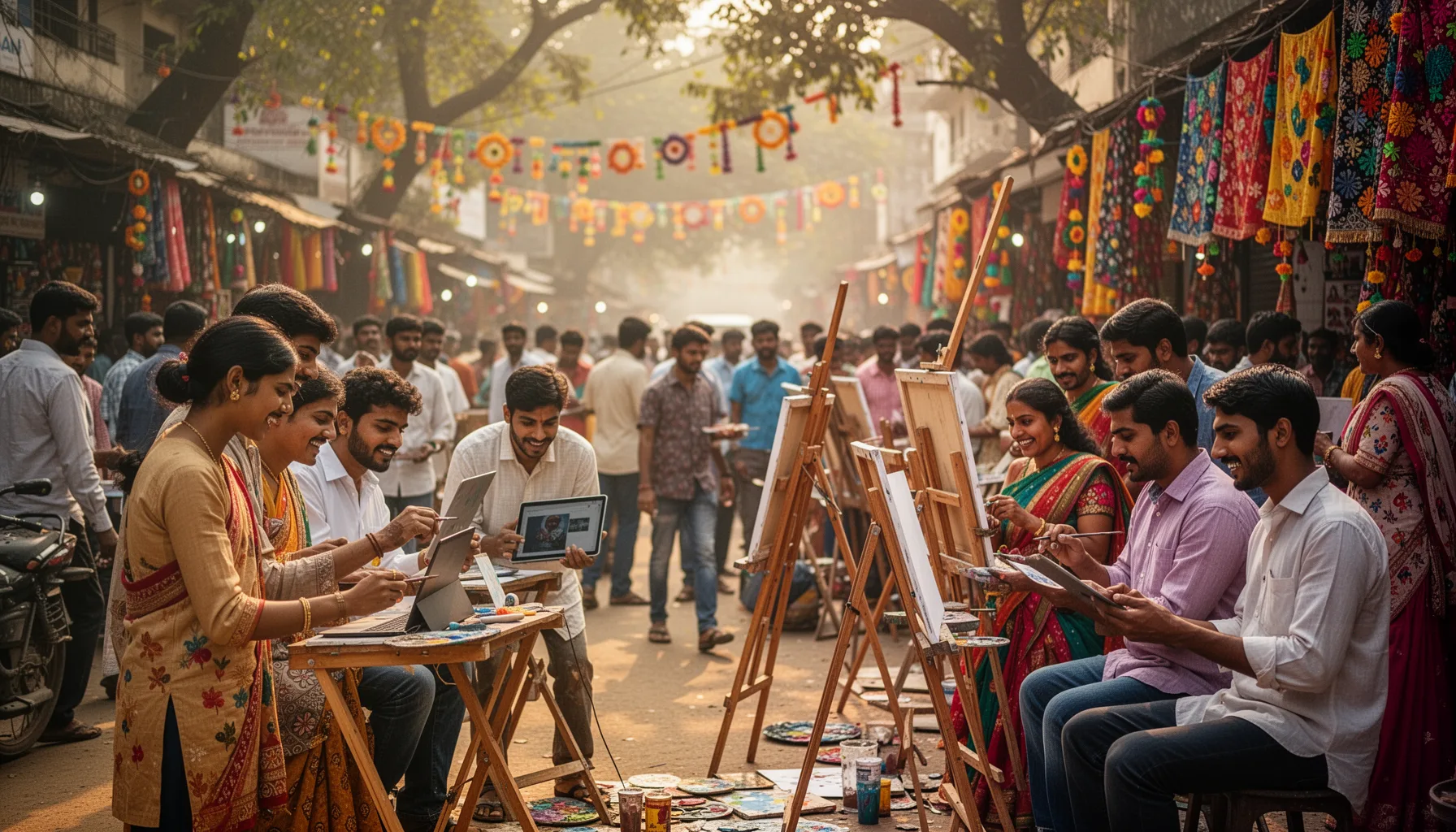
Table of Contents
Quick Answer
ChatGPT Images 2.0 adoption by country looks strongest in India because the feature aligns with local creator behavior, social sharing habits, and demand for affordable high-style visuals. In many other markets, especially enterprise-heavy ones, users seem slower to adopt because image generation solves a less urgent everyday problem.
ChatGPT Images 2.0 adoption by country tells a richer story than the lazy “India loves it” angle. That's too thin. India may be the clearest early signal. Users there seem to be flocking to cinematic portraits, avatars, and distinct personal visual styles at a pace that stands apart from the softer pickup in other places. But that doesn't make India an outlier in the shrug-it-off sense. We'd argue it may make India the first market where OpenAI's image product truly clicks with everyday consumer habits.
Why is ChatGPT Images 2.0 adoption by country strongest in India?
ChatGPT Images 2.0 adoption by country appears strongest in India because the product lines up neatly with how many people already create and share identity-heavy content online. Think profile photos, festive edits, cinematic portraits, fan-made visuals, and creator-first social posts that don't need agency-sized budgets. That's a wide runway. India has a massive mobile-first internet base, thick creator ecosystems on Instagram and YouTube, and a user culture that often mixes entertainment, aspiration, and self-branding in public feeds. That mix gives AI imaging a very obvious home. Worth noting. OpenAI wins when a tool can turn a text prompt into something socially legible in seconds, and ChatGPT cinematic portraits in India fit that pattern almost perfectly. By comparison, in markets where people reach for ChatGPT mainly for work summaries, coding, or enterprise writing, image generation can feel secondary. So we'd argue India isn't just enthusiastic; it's pointing to what happens when an AI feature meets an existing visual culture instead of trying to manufacture one from scratch.
What makes ChatGPT cinematic portraits India users want so shareable?
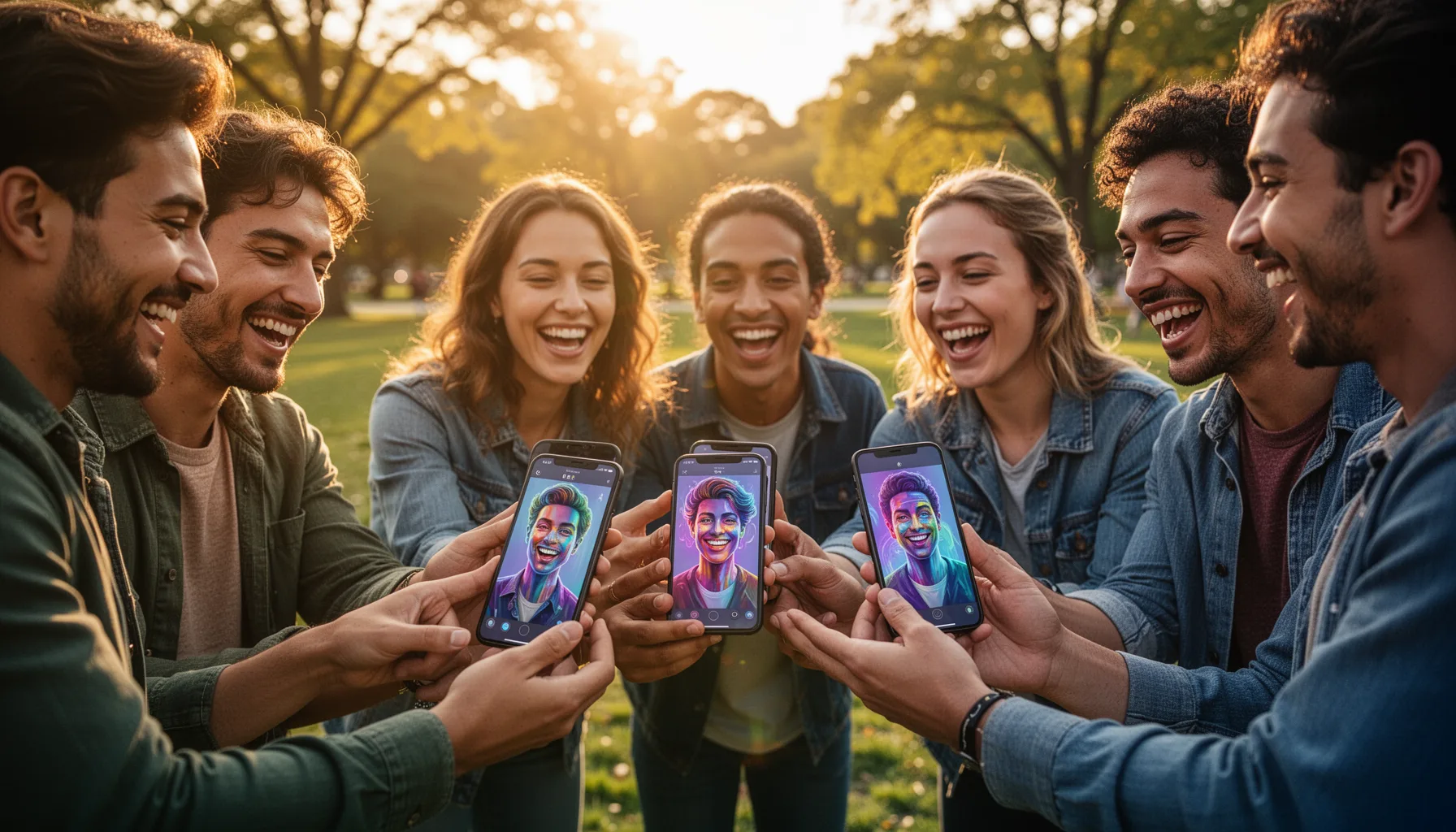
ChatGPT cinematic portraits India users make travel well because they compress status, creativity, and entertainment into one low-cost artifact. That's a potent mix. A polished AI portrait can work as a profile refresh, a conversation starter, or a lightweight creator asset without the expense of a studio shoot or advanced editing chops. In India's digital culture, where weddings, festivals, fandom, travel, and aspirational self-presentation already drive huge visual traffic, that makes the difference. Instagram Reels and WhatsApp matter here too. They spread image trends quickly through friend groups, not only through public influencer channels. That's a bigger shift than it sounds. The product economics matter as well: if people can get striking visuals inside a familiar ChatGPT setting, the friction falls fast compared with learning a specialized design app like Canva. So when people ask why ChatGPT image generation is popular in India, the short version is simple: it makes high-style self-expression cheap, fast, and easy to pass around.
Why is ChatGPT Images 2.0 not popular elsewhere, yet?
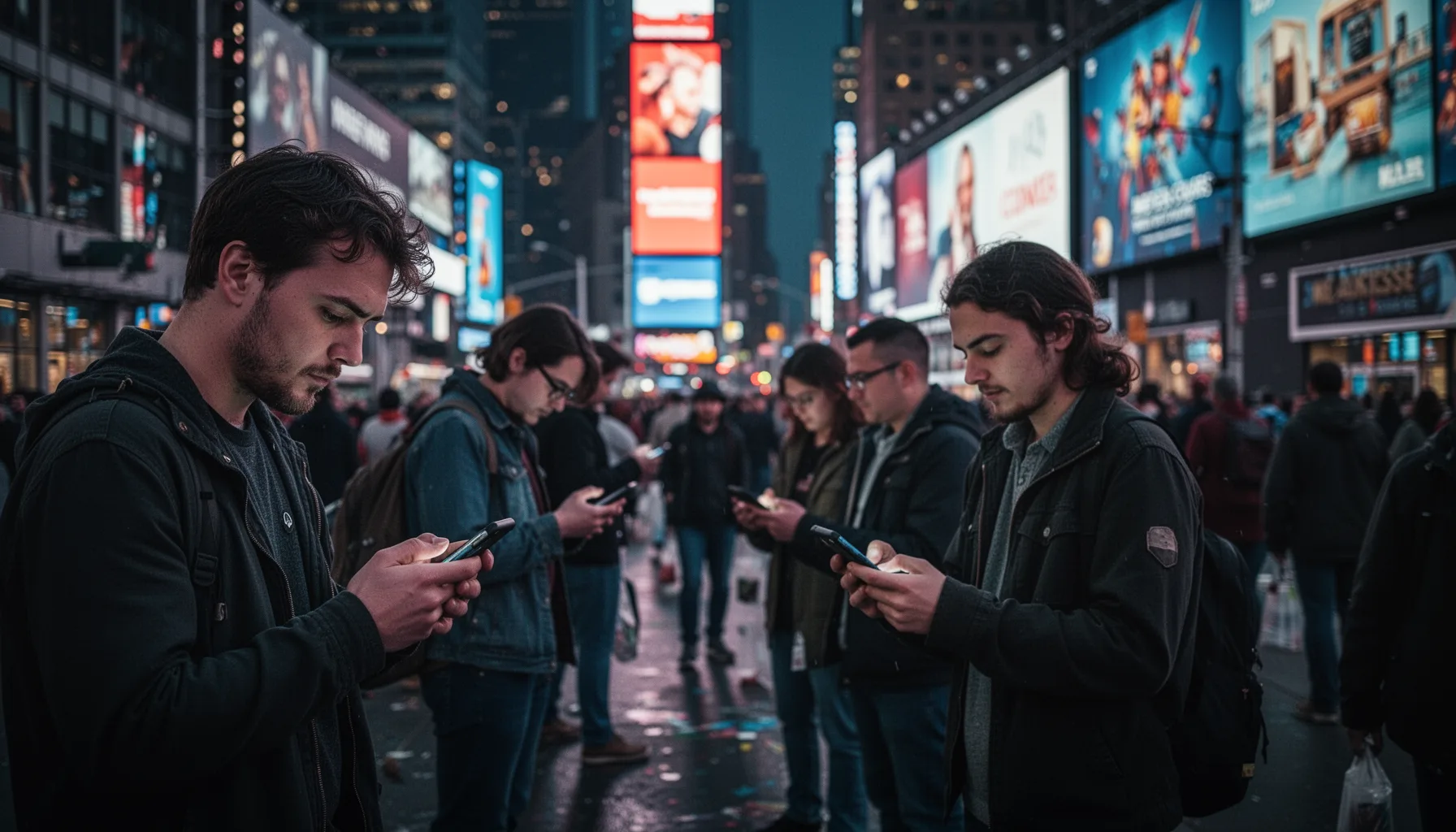
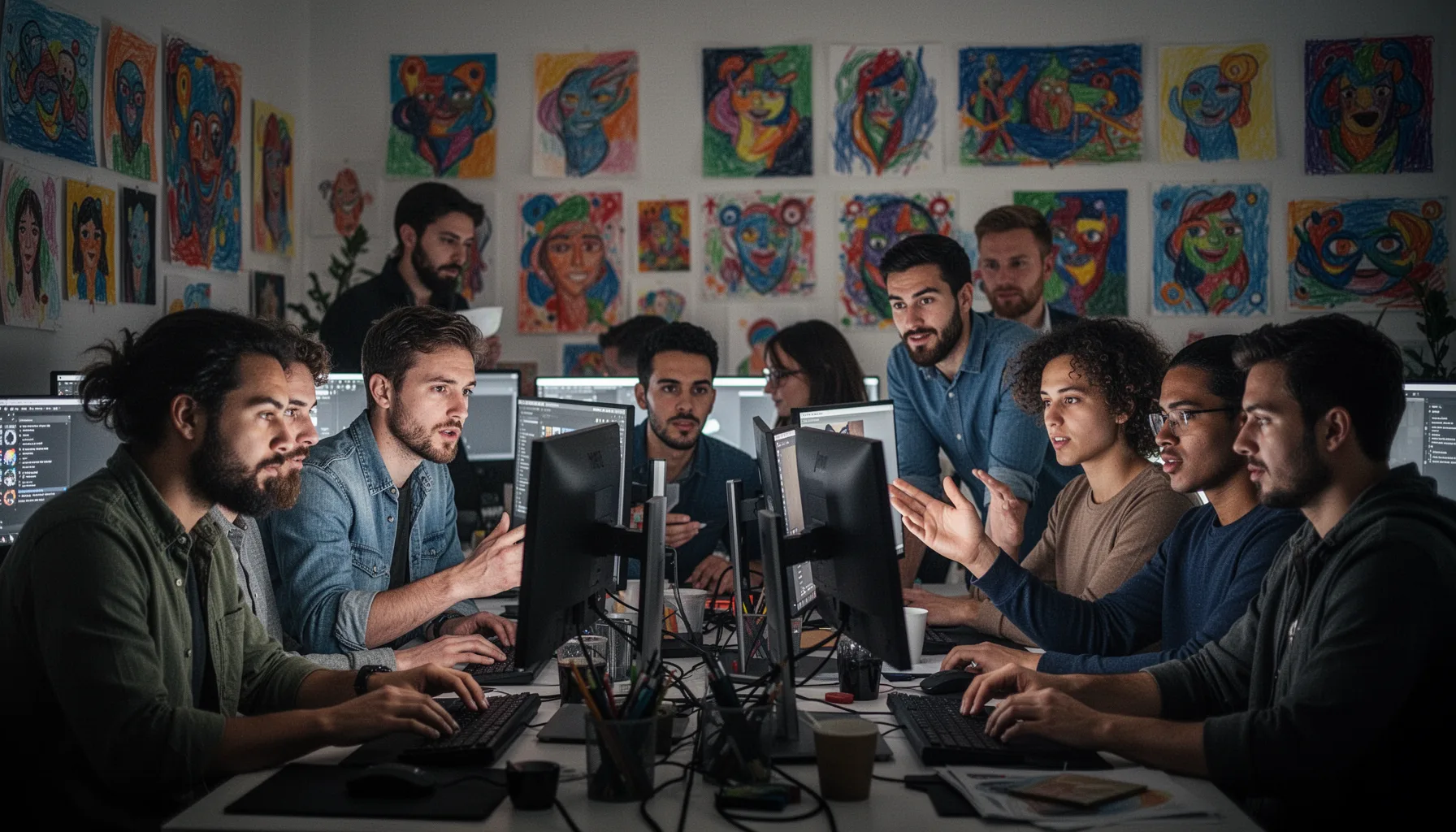
ChatGPT Images 2.0 isn't popular elsewhere yet because many markets come with different usage habits, stronger rival tools, or weaker social incentives for AI portrait creation. Not quite universal. In Western enterprise-heavy audiences, ChatGPT often arrives through productivity budgets, workplace subscriptions, and knowledge-work tasks. That shapes perception. If users mostly associate the app with writing, research, or coding, image generation can feel like a novelty tab rather than a core reason to pay. Some regions also rely on entrenched alternatives such as Midjourney, Adobe Firefly, Canva, or local mobile editing apps that already do the creator job well enough. And social norms differ. Not every market values hyper-stylized portraits or avatar play in the same way, at the same time. We'd argue low adoption doesn't point to poor product quality. It usually suggests the use case hasn't attached itself to a daily habit strong enough to trigger repeat behavior.
What ChatGPT Images 2.0 adoption by country says about product economics
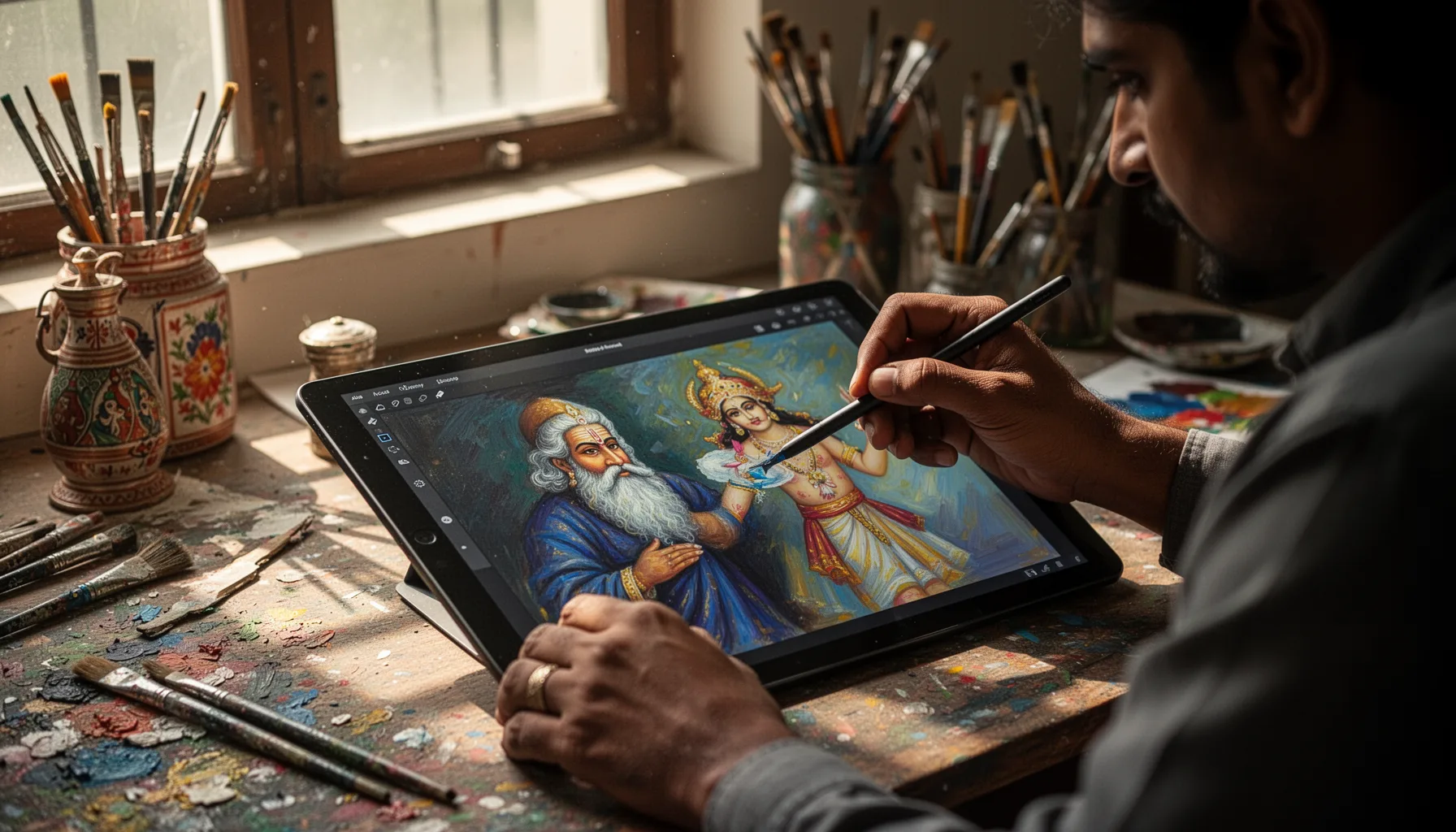
ChatGPT Images 2.0 adoption by country offers a useful window into product economics because high usage only matters if it lifts retention, subscription value, or downstream engagement. Viral image creation looks great on timelines. But OpenAI needs more than screenshots bouncing around X or Instagram; it needs people to come back, generate again, and maybe justify paying for Plus or higher tiers. India is a fascinating test bed here because consumer users often show strong engagement even when price sensitivity stays real. Here's the thing. That creates a sharper question: are people making one cinematic portrait for fun, or building repeat habits around birthdays, festivals, profile refreshes, and creator content? If the second pattern holds, India could become a model for how AI image features drive monetization without leaning only on enterprise spend. We'd watch conversion, repeat generation frequency, and sharing loops much more closely than raw download chatter. Worth watching.
How India may predict the next phase of global AI image behavior
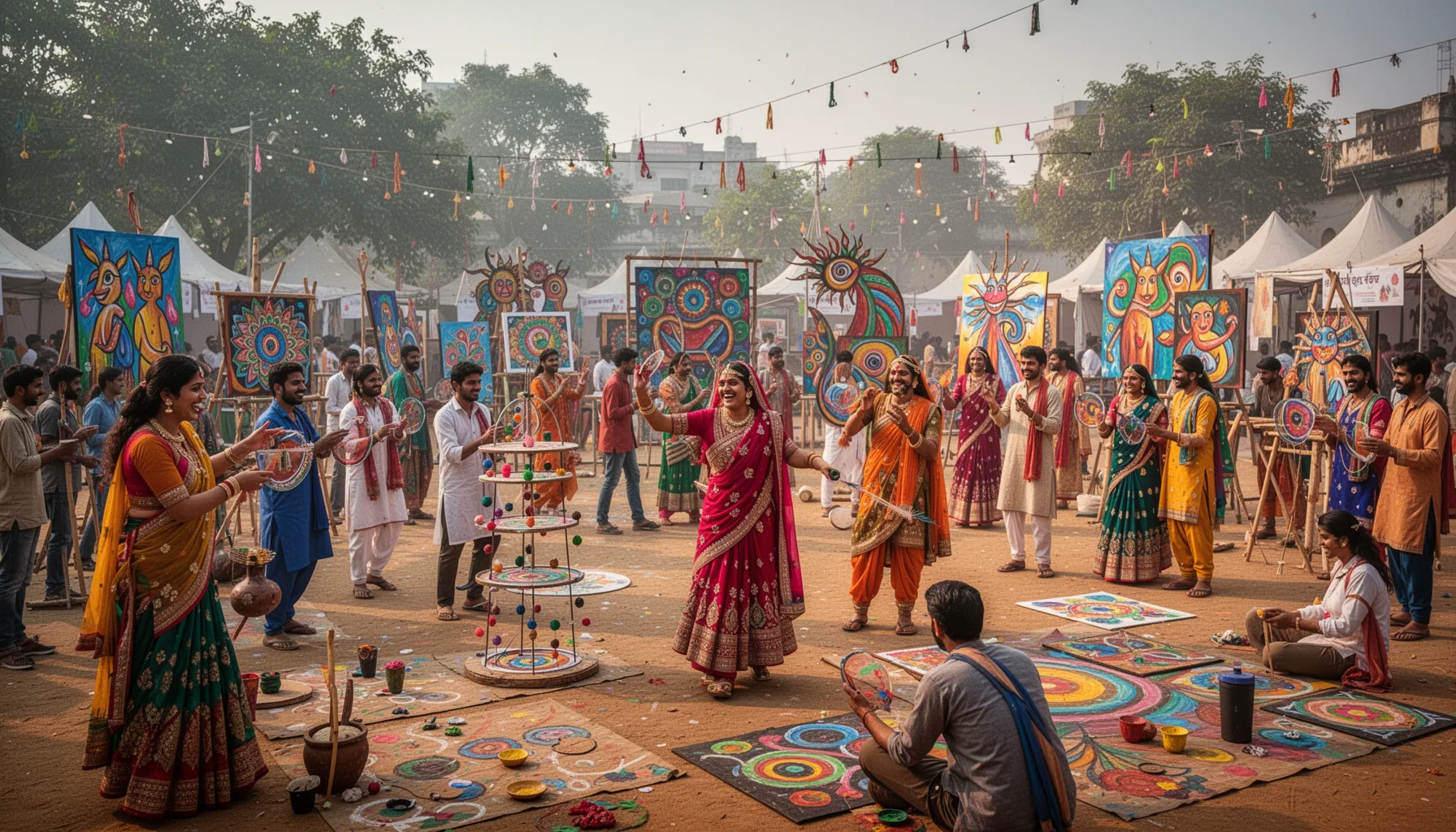
India may point to the next phase of global AI image behavior because early-adopting markets often reveal the use cases that later get packaged for everyone else. We've seen this before with short video, mobile payments, and creator tools, where dense usage in one market exposed habits that global platforms later copied or formalized. The same may happen here. If OpenAI sees strong demand in India for avatars, cinematic portraits, festive edits, and lightweight branded visuals, it may tune prompts, templates, onboarding, and pricing around those behaviors. That's not trivial. That would make ChatGPT Images 2.0 adoption by country more than a curiosity metric; it would turn it into a roadmap input. And if that happens, the rest of the market may follow once the product gets easier, cheaper, and more socially native. So India may be early, not exceptional. We'd argue that's the smarter read.
Key Statistics
- India had more than 750 million smartphone users by 2024, according to estimates from Statista and local telecom analyses.That scale matters because AI image features thrive on mobile sharing and quick social feedback loops. A product like ChatGPT Images 2.0 gains reach faster in markets where smartphone creativity is already mainstream.
- A 2024 Adobe survey found that Indian creators and marketers reported some of the world’s highest enthusiasm levels for generative AI in content creation tasks.This supports the idea that India is not simply reacting to novelty. The market already had strong readiness for AI-assisted creative production.
- Meta said in 2024 that India remains one of its largest user markets across Instagram, Facebook, and WhatsApp, giving visual content immense distribution power.That distribution layer explains why AI portraits can spread quickly. Even a lightweight image trend can compound fast when users share across multiple social surfaces.
- OpenAI has repeatedly cited image generation as one of ChatGPT’s most heavily used feature categories after major visual updates, based on company product announcements in 2024 and 2025.That matters because OpenAI is clearly treating visual generation as a major consumer retention feature. Country-level adoption differences could shape where it invests next.
Frequently Asked Questions
Why is ChatGPT Images 2.0 popular in India?
What does ChatGPT Images 2.0 adoption by country reveal?
How are people using ChatGPT cinematic portraits in India?
Why is ChatGPT Images 2.0 not popular elsewhere yet?
What should OpenAI watch in India next?
Key Takeaways
- India may be the early signal market for consumer AI imaging behavior
- ChatGPT Images 2.0 fits avatar, portrait, and social-sharing use cases especially well
- Low-adoption regions often reflect different audience habits and weaker visual urgency
- The consequential question is retention, not just one-off viral image creation
- India's uptake could preview how OpenAI tunes future consumer image products