
⚡ Quick Answer
Claude Managed Agents are Anthropic's approach to running agentic AI workflows without forcing developers to hand-build every orchestration layer. They package model reasoning, tool use, state handling, and workflow management into a more controlled system for production tasks.
Claude managed agents explained properly starts by clearing out two kinds of hype. Not every AI agent earns its keep. And not every team wants to assemble one from scratch. Anthropic is aiming at that middle ground: developers get a way to build agentic workflows without owning every brittle bit of orchestration, memory, tool routing, and execution logic themselves. That's a sharp bet. And the timing looks pretty good too.
Claude managed agents explained: what they are and why Anthropic built them
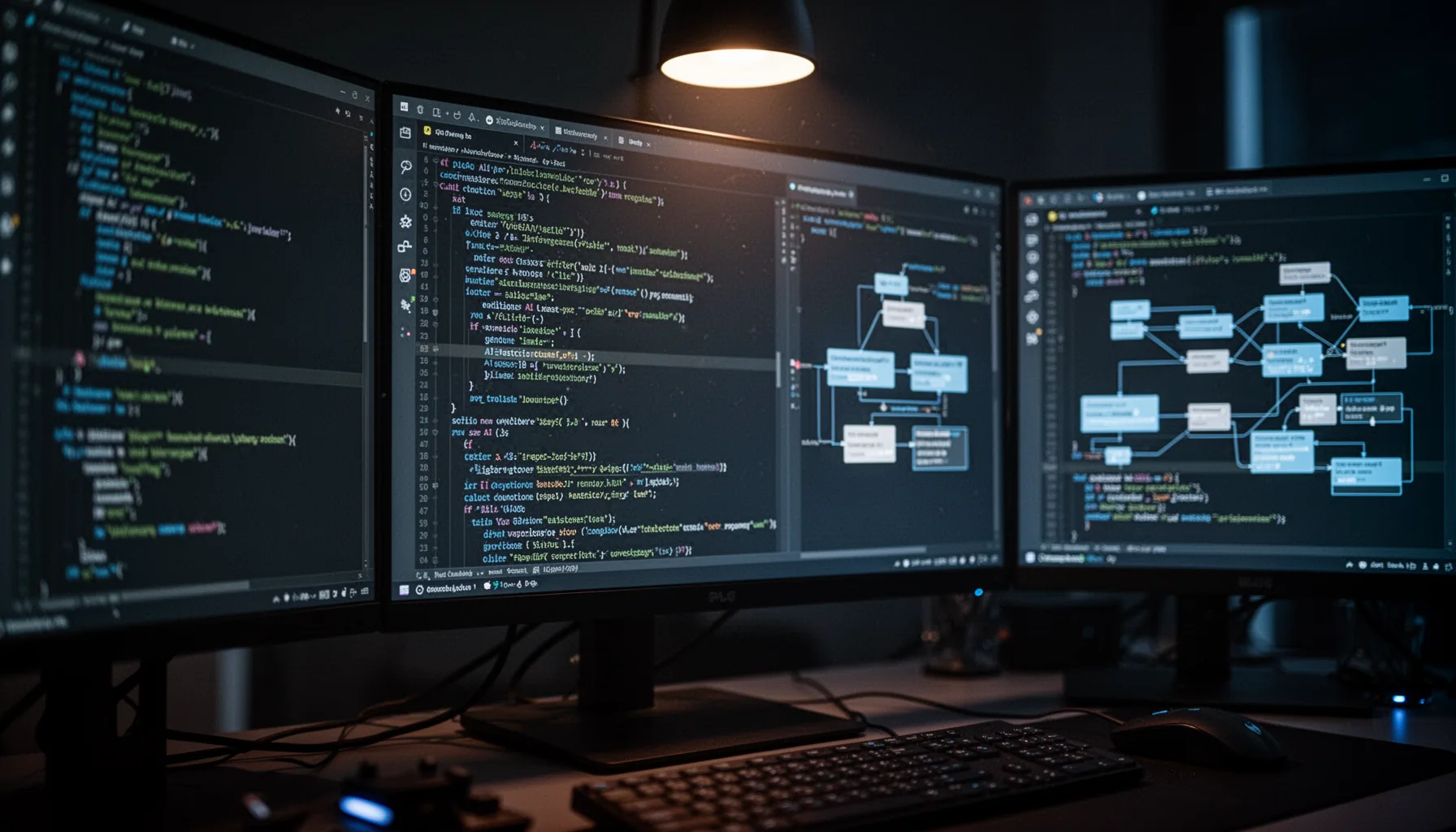
Claude managed agents explained, at a high level, means seeing them as hosted agent workflows Anthropic runs on a developer's behalf. Simple enough. Instead of forcing teams to stitch prompts, state stores, tool wrappers, retries, and monitoring together from zero, Anthropic offers a managed layer that takes on much of that operational load. The point isn't convenience alone. It's production reliability, where plenty of home-built agents wobble on long tasks, fuzzy tool calls, or messy real-world inputs. Over the past year, Anthropic has pushed Claude beyond chatbot territory and toward dependable work systems, and Managed Agents sit right beside tool use, prompt caching, and enterprise controls in that push. That's a bigger shift than it sounds. We'd argue Anthropic is admitting something many teams learn the hard way: companies usually don't stumble because the model is weak, but because the workflow plumbing snaps first. Not quite. So Claude managed agents explained is less about machine autonomy and more about operational sanity.
How Claude managed agents work inside production AI workflows

How Claude managed agents work comes down to managed orchestration around the model, not raw model access by itself. A developer typically defines the task, grants tool access, sets guardrails, and spells out success conditions or output formats. Then the managed agent plans steps, calls tools, tracks state, and iterates toward completion while Anthropic handles much of the runtime behavior behind the curtain. That's the draw. Instead of building custom loops for search, retrieval, API calls, retries, and summarization, teams can rely on a hosted execution model meant to keep long-running work coherent. Similar patterns show up in LangChain, LlamaIndex, and OpenAI's Assistants-era tooling, but Anthropic's version tries to cut down the infrastructure teams must operate themselves. Worth noting. In practice, that might look like a support workflow where Claude reads a Zendesk ticket, checks internal docs, queries Salesforce, drafts a resolution, and sends the result for human review. The agent isn't magical. But Anthropic takes on more responsibility for keeping the loop dependable.
Claude managed agents use cases that make the most sense

Claude managed agents use cases make the most sense when work stretches across multiple steps, tools, and approval points. Good candidates include internal research agents, customer support triage, sales ops assistants, compliance prep, software issue investigation, and back-office knowledge workflows. These jobs have structure. They benefit from planning, retrieval, and tool calling, yet they still need oversight because a wrong action can get expensive fast. A company like Ramp, for example, might ask an agent to gather transaction context, summarize policy exceptions, and prepare a finance review packet instead of auto-approving decisions end to end. That's the sweet spot. We think managed agents are strongest in semi-autonomous work, where the system does the legwork and a person handles sign-off or correction. Here's the thing. Early enterprise AI wins often come from trimming ten minutes off repeated internal processes, not from pretending one model can run the whole company alone. That's worth watching.
Claude managed agents vs custom agents: which approach is better
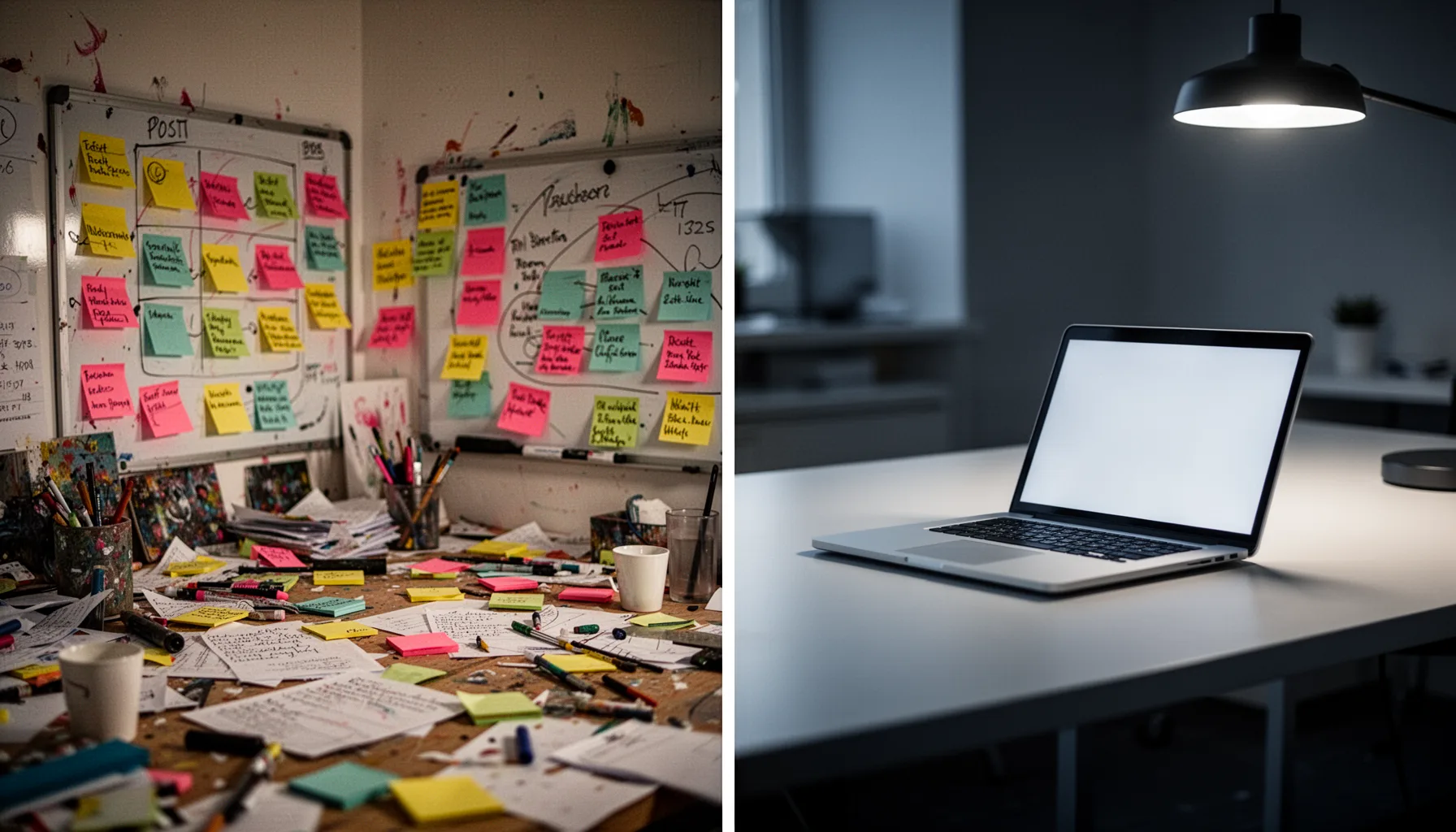
Claude managed agents vs custom agents is really about trade-offs, not ideology. Managed agents usually win on speed, simplicity, and lower operations overhead because Anthropic carries more of the orchestration stack. Custom agents win when a team needs unusual control over memory design, execution logic, observability, cost routing, or model switching across vendors. That's a real divide. If you're a startup shipping a research assistant in six weeks, managed infrastructure may be the sensible choice. But if you're a bank with strict audit trails, bespoke policy engines, and a multi-model stack that spans Anthropic, OpenAI, and internal retrieval systems, a custom route may fit better. Gartner said in 2024 that many agent projects fail because organizations underestimate orchestration and governance complexity, and that warning belongs on every architecture whiteboard. We'd say that's not trivial. Our view is blunt: unless differentiated orchestration is the product, building every agent layer yourself is often a vanity project.
Build with Claude managed agents: what teams should do first

Build with Claude managed agents by starting with one constrained workflow that already has a clear manual process. Pick a task with repeatable inputs, known tools, and measurable outcomes, then define what the agent may do alone and where humans must review. That boundary matters. Next, map the required systems, whether that's Slack, Zendesk, Salesforce, Jira, or an internal knowledge base, and decide which actions stay read-only versus write-capable. Then create evaluation cases before broad rollout, including edge cases, policy traps, and failure-recovery paths, because agent demos rarely expose the weak spots that show up later in production. Anthropic's enterprise posture has leaned hard into safety and control, and teams should treat Managed Agents as workflow software, not sentient coworkers. Simple enough. The smartest early adopters will probably use them to reduce toil, collect better data, and tighten process quality before chasing fully autonomous execution. We'd argue that's the sane way to start.
Step-by-Step Guide
- 1
Choose a bounded workflow
Start with a workflow that already exists, has clear inputs, and causes real friction for a team. Good examples include support triage, internal research prep, or ticket summarization. If the process is chaotic even for humans, the agent won't fix that. It will amplify it.
- 2
Define tool permissions
List every system the agent needs to read from or write to, then assign the narrowest permission set possible. Read-only access is often the right first move. And if a tool can trigger money movement, account changes, or customer messaging, require human approval before execution.
- 3
Set explicit success criteria
Write down what a successful run looks like in operational terms, not just model terms. That may include correct routing, source-backed summaries, response time targets, or completion rates on known tasks. Vague goals produce vague agents. Clear targets give teams something they can actually test.
- 4
Create evaluation cases
Build a test set with normal examples, edge cases, adversarial prompts, and policy-sensitive scenarios. Run the agent repeatedly and track consistency, not just best-case output. Production systems fail in the tails. So your test set has to live there too.
- 5
Insert human review gates
Add checkpoints where a person approves, edits, or rejects high-impact actions before they go out. This is especially useful in legal, finance, HR, and customer support workflows. Human review isn't a sign of weakness. It's often the difference between a useful agent and a liability.
- 6
Monitor and refine the loop
Once live, track errors, retries, time to completion, tool failures, and override rates from human reviewers. Use those signals to tighten prompts, tool access, workflow rules, and evaluation standards. Agent systems improve through operations discipline. Not wishful thinking.
Key Statistics
Frequently Asked Questions
Key Takeaways
- ✓Claude managed agents explained simply: Anthropic manages orchestration so teams can ship faster.
- ✓They fit workflows where reliability and oversight matter more than agent improvisation.
- ✓The main draw is less glue code, fewer moving parts, and stronger production discipline.
- ✓Claude managed agents vs custom agents comes down to control, speed, and operating burden.
- ✓Teams can build research, support, and operations workflows with far less plumbing.