
Daily Intelligence Recap AI Signals: March 23, 2026
Daily intelligence recap AI signals March 23 2026: top 9 signals, scoring logic, and what matters for builders and investors.
Table of Contents
Quick Answer
The daily intelligence recap AI signals March 23 2026 point to rising momentum for affaan-m and everything-claude-code, but the bigger story is how signal quality compounds across categories. The most useful recap isn't a list of winners; it's a readable scoring model that tells builders, investors, and operators which trends are likely to persist.
The daily intelligence recap AI signals March 23 2026 gives us more than a scoreboard. It works as a stress test for how people interpret AI momentum. A 69 out of 100 for affaan-m looks strong at first glance, and everything-claude-code still carries real weight. But a lone number doesn't say much unless the scoring logic is easy to read. So the better question isn't just who finished first today. It's why those signals could matter tomorrow.
What does the daily intelligence recap AI signals March 23 2026 actually measure?
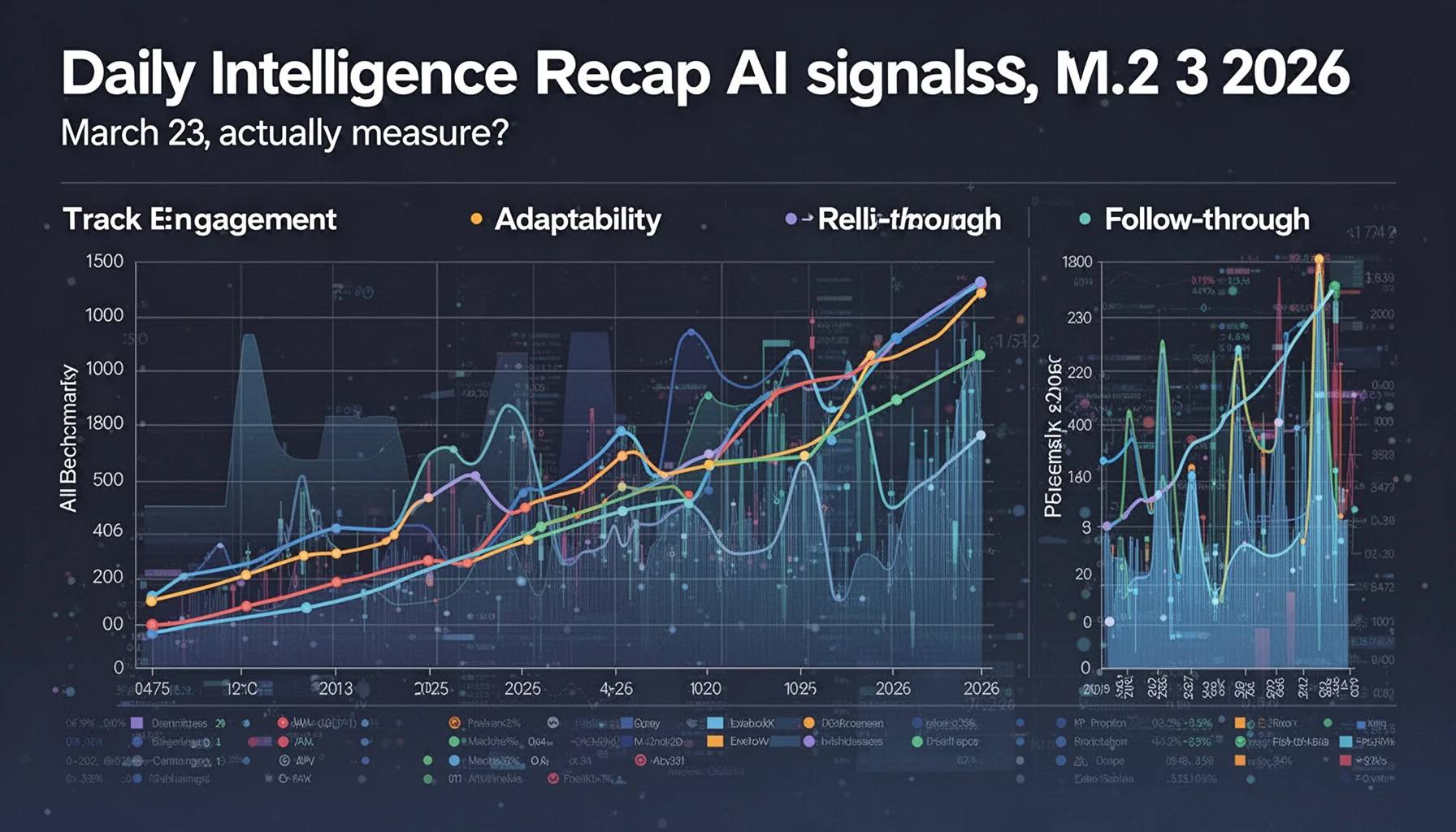
The daily intelligence recap AI signals March 23 2026 should track momentum across engagement, adaptability, relevance, and follow-through, not simple visibility. That's where plenty of recap formats go sideways. They turn signal tracking into a vanity board, even though good intelligence work depends on weighting event quality, source variety, and persistence over time. Not quite. If affaan-m scored 69 out of 100 across nine signals, we should ask which signals acted as leading indicators and which merely echoed current attention. We'd argue the rule is simple: a signal system becomes genuinely useful only when readers can tell what it will reward before the ranking lands. CB Insights and Similarweb offer a concrete comparison here. Both make their analytics products stickier by laying out methodology categories instead of tossing users a black-box rank. And in AI markets, that kind of clarity matters even more because one viral post can warp apparent momentum for 24 hours without changing actual product position. That's a bigger shift than it sounds.
Why did affaan m daily intelligence recap momentum stand out today?
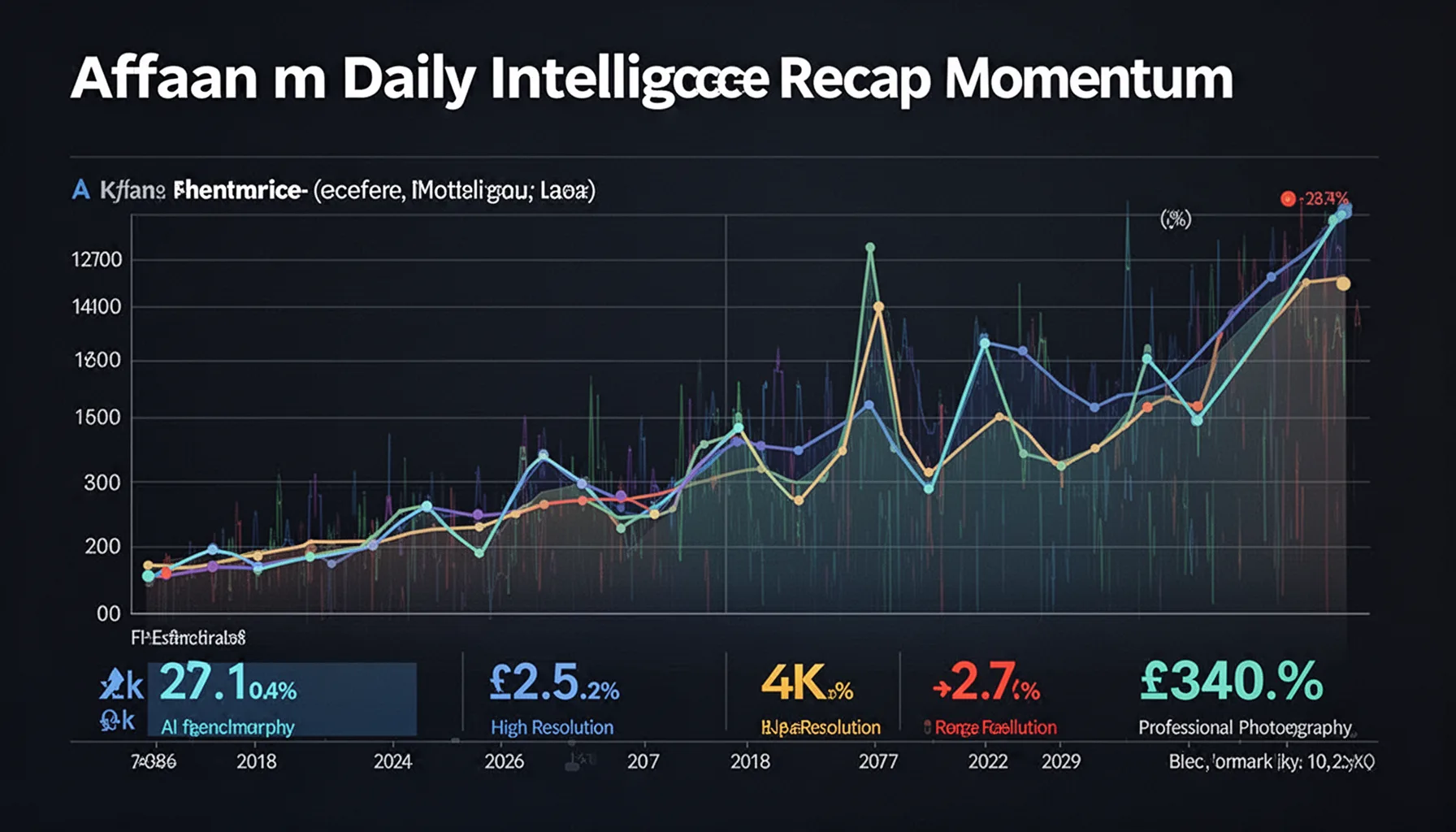
Affaan m daily intelligence recap momentum stood out because today's score seems to reflect consistency across several signals, not one breakout mention. That's a stronger sign. When an entity performs well across engagement, cross-community relevance, and adaptability, the effect tends to compound instead of disappearing by the next cycle. We think that's the right way to read a 69 score. Not as domination. More as evidence of broad traction with room to build. A one-day lead is cheap; cross-signal persistence is the harder feat. Hugging Face offers the clearest real-world analogy. It often keeps attention longer than flashier launches because its relevance stretches across builders, researchers, and enterprise users at the same time. If affaan-m is showing that kind of pull across multiple surfaces, readers should care less about the badge and more about the score's composition. Worth noting.
How should readers interpret everything claude code daily recap signals?
Everything claude code daily recap signals matter because adaptability often predicts staying power better than pure hype. That's the hidden variable. If a project keeps appearing across tool workflows, developer chatter, and adjacent product discussions, it usually carries more durable momentum than a project tied to one narrow event. We'd argue adaptability deserves extra weight. Simple enough. It hints at ecosystem fit, not just audience excitement. Anthropic's Claude ecosystem has benefited from this pattern more than once, especially when developer tooling, coding assistants, and workflow automation all show up in the same conversation. A project like everything-claude-code can stay near the top without always taking first place if it keeps turning up where practical use is actually happening. And that often tells operators more than a headline-grabbing launch ever will. That's a bigger shift than it sounds.
Top 9 AI signals today: which ones actually compound into trends?
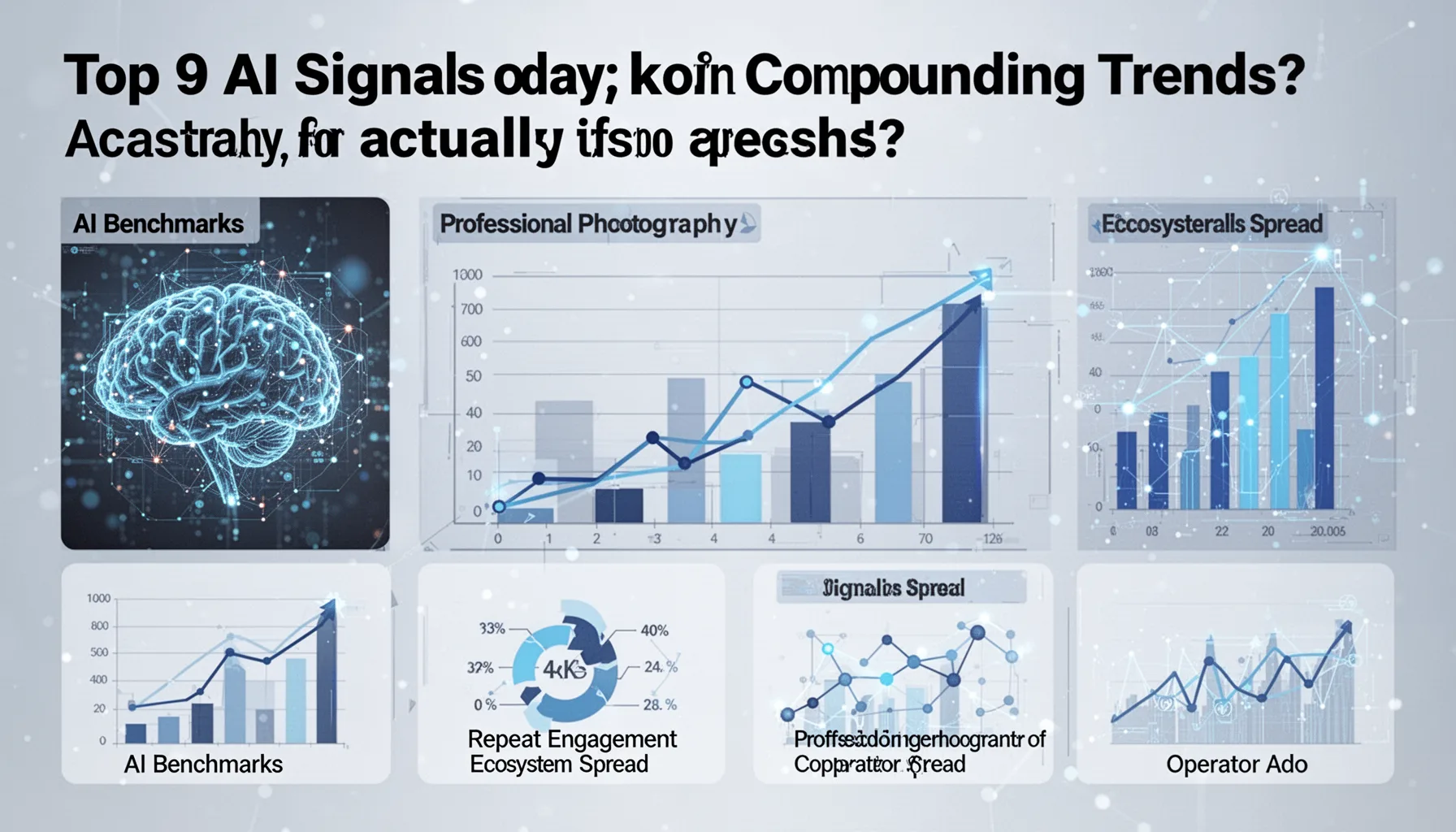
Top 9 AI signals today only become useful when you separate fleeting buzz from compounding indicators like repeat engagement, ecosystem spread, and operator adoption. Here's the thing: not all signals age the same way. Mentions can burn off in hours, while workflow integration, repeated citation, and downstream product adoption tend to snowball over weeks. We think compounding signals deserve a heavier multiplier because they point to future market shape rather than present noise. For example, when OpenAI's developer ecosystem or Nvidia's enterprise AI stack gains traction, the real clue isn't the first announcement. It's the spread that follows. Tutorials. Integrations. Procurement talk. That's where the signal gets serious. So a modern recap should group signals into immediate, trailing, and compounding buckets. And once readers see that frame, today's top nine stop looking like disconnected bullets and start reading like a market map. Worth noting.
AI news recap 2026 03 23: what should builders, investors, and operators do with it?
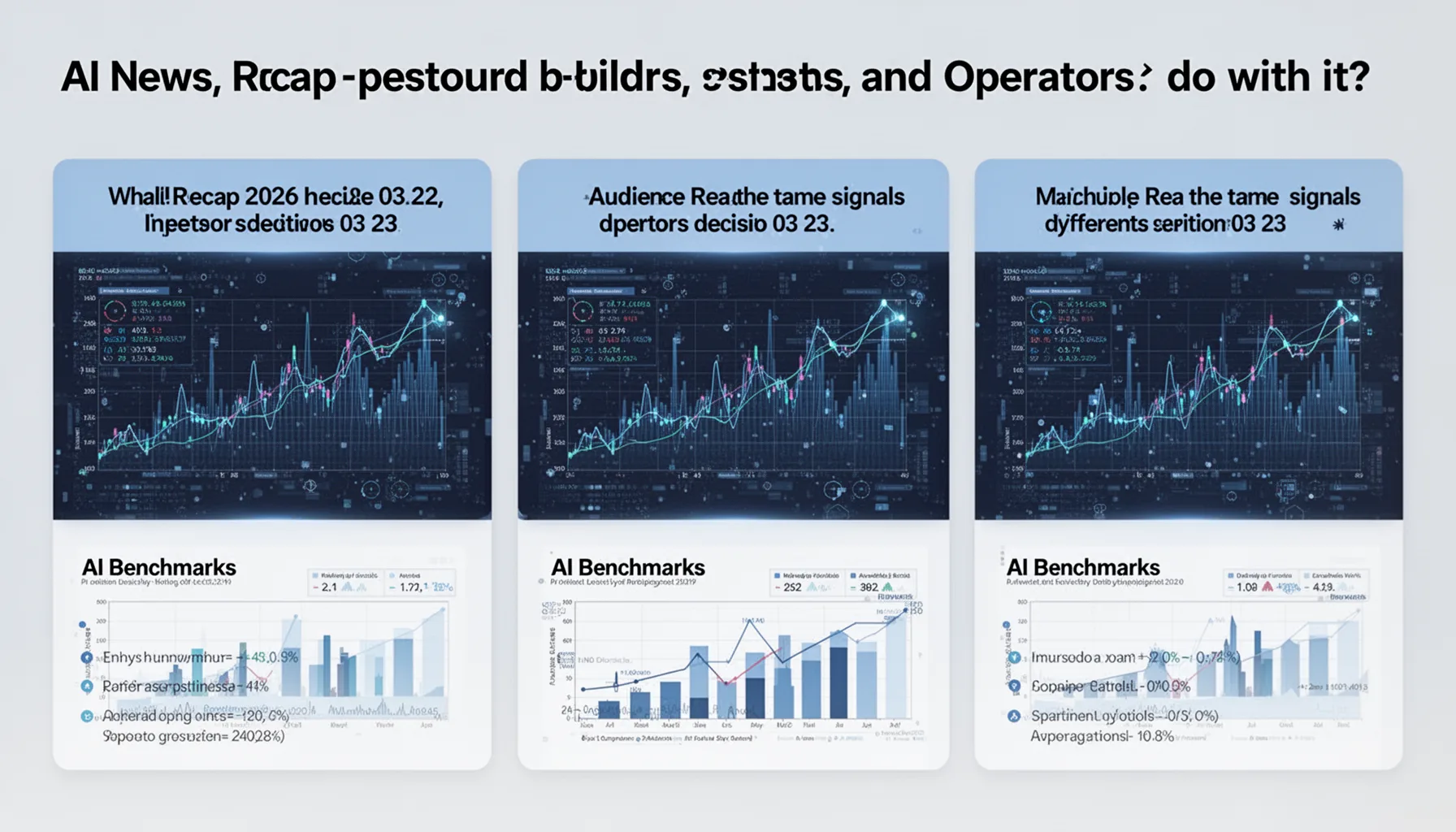
AI news recap 2026 03 23 becomes actionable when each audience reads the same signals through a different decision lens. Builders should ask where attention is turning into workflow adoption, because that usually points to APIs, agent tools, and distribution channels worth testing. Investors should look for cross-signal persistence and adjacency effects, since repeated relevance across categories often comes before stronger narrative durability. Operators should care most about execution signals such as integration readiness, support burden, and ecosystem compatibility. Our view is blunt: a recap that doesn't translate scores into decisions is just decorative analytics. Gartner offers a useful example. Its enterprise technology work stays influential because it ties trends to budget and operating consequences, not just awareness levels. If today's recap places affaan-m and everything-claude-code near the top, each audience should walk away with a different next move rather than the same generic takeaway. That's a bigger shift than it sounds.
Frequently Asked Questions
What is the daily intelligence recap AI signals March 23 2026?
Who topped the top 9 AI signals today?
Why does everything claude code daily recap keep showing up?
How should I use an AI news recap 2026 03 23 as a builder or investor?
What makes tech momentum signals daily intelligence recap credible?
Key Takeaways
- Affaan-m led today’s board, but the scoring logic matters more than the leaderboard
- Signal compounding beats one-day spikes when you’re tracking durable AI market momentum
- Everything-claude-code stayed relevant because adaptability scored across several distinct categories
- Builders, investors, and operators should read the same recap very differently
- A useful AI news recap 2026 03 23 needs methodology, context, and clear next actions