
⚡ Quick Answer
The Elon Musk 100 billion lawsuit against OpenAI centers on whether OpenAI abandoned the nonprofit mission that originally justified its creation and governance structure. OpenAI argues in California that Musk’s legal attack could disrupt fundraising, board duties, and the nonprofit entity’s ability to direct AI development for public benefit.
The Elon Musk 100 billion lawsuit against OpenAI sounds like a giant money brawl. It is. But that isn't the full picture. The tougher issue is whether a nonprofit can still claim public-interest control while steering one of the most commercially valuable AI companies on Earth. That's where the case turns legally knotty. And if you want to know whether the suit could really cripple OpenAI, you have to look past the headline and into governance mechanics, fiduciary duties, and the strange corporate setup OpenAI built to balance mission with money.
What is the Elon Musk 100 billion lawsuit against OpenAI really about?

The Elon Musk 100 billion lawsuit against OpenAI is really about control, mission, and whether OpenAI changed the deal it originally offered. Musk has said OpenAI drifted from its founding public-interest commitments as it chased commercial scale, while OpenAI has answered that its structure still leaves the nonprofit in charge. That split matters because nonprofit directors don't just pursue enterprise value; they owe duties tied to the organization's stated purpose. In OpenAI's case, that purpose has long been framed around making sure artificial general intelligence benefits humanity, not just investors or one strategic partner. We'd argue that's a bigger shift than it sounds. The legal question reaches into how the OpenAI nonprofit controls the for-profit arms, including the capped-profit model created in 2019. And once a court starts testing whether the structure reflects real mission governance or mere window dressing, every board decision can come under the lamp. Not quite.
How OpenAI nonprofit mission lawsuit claims hinge on nonprofit control
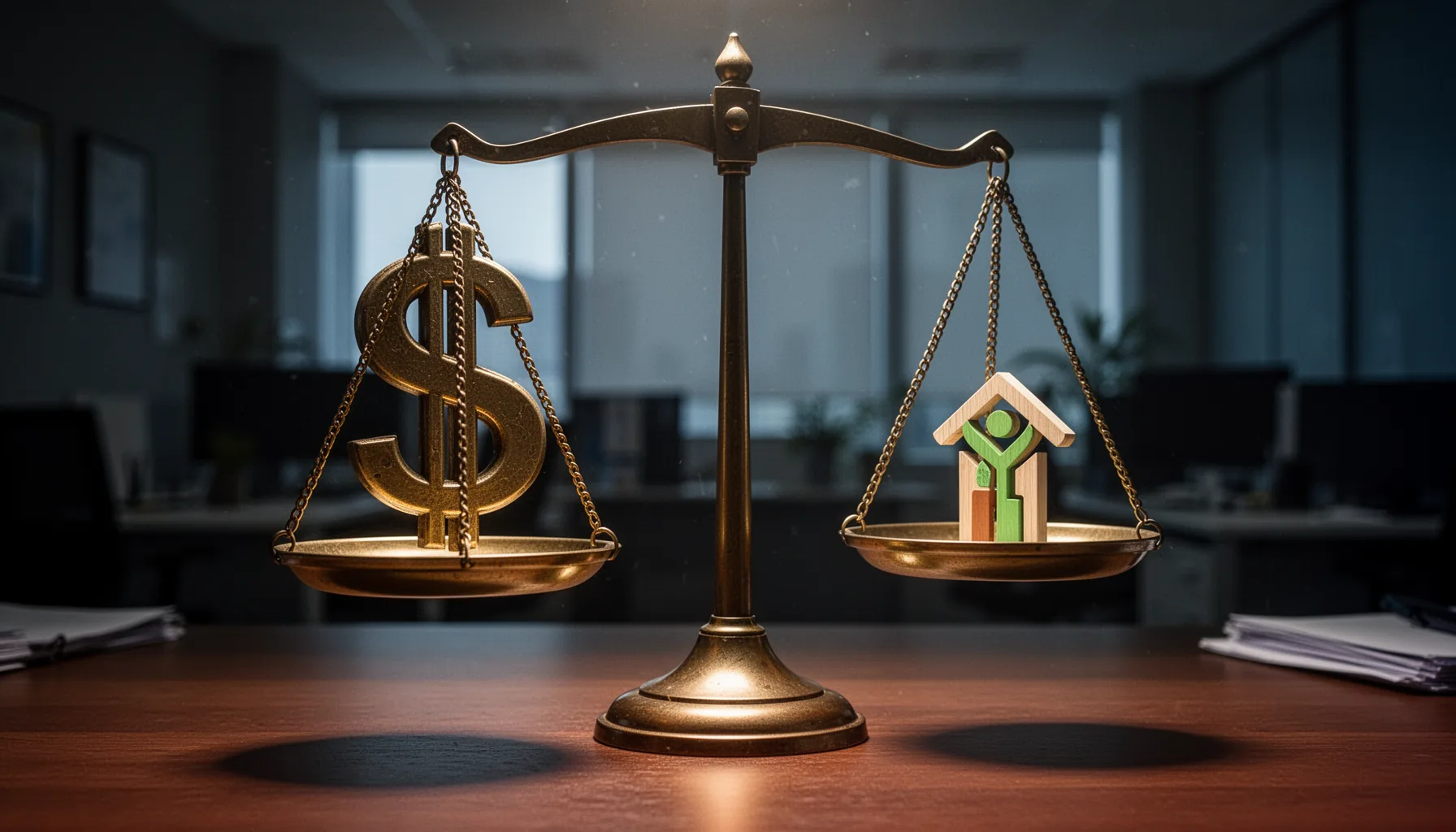
The OpenAI nonprofit mission lawsuit turns on whether the nonprofit parent actually exerts meaningful control consistent with charitable obligations. Under California nonprofit law, a board must act in line with the entity's mission, and regulators can inspect transactions that appear to move value or control away from that mission. That's the plain-English version. OpenAI's unusual design put a nonprofit at the top, with a for-profit subsidiary built to raise capital while capping investor returns; the setup tried to square an expensive research agenda with public-benefit claims. But as the commercial side grows through products like ChatGPT and enterprise APIs, critics can say the money engine starts steering the mission rather than serving it. Similar governance fights have surfaced elsewhere, though rarely at this scale. Think Patagonia for the mission angle, though OpenAI's structure is stranger. And the OpenAI-Microsoft relationship sharpens the scrutiny because Microsoft has committed billions and supplies key cloud infrastructure through Azure. Because of that, a court or the California Attorney General may focus less on rhetoric and more on board records, conflict procedures, transfer pricing, and who really shapes strategic choices. Worth noting. Nonprofit control isn't symbolic if regulators decide to test it. Simple enough.
Could Elon Musk lawsuit cripple OpenAI through fundraising and restructuring pressure?

Could Elon Musk lawsuit cripple OpenAI? Probably not overnight. But it could make fundraising, restructuring, and governance far harder. Litigation this large can spook counterparties before any judgment arrives, because investors hate uncertainty around who controls assets and how future profits might get split. That's especially relevant if OpenAI wants to change its structure again, pursue a broader capital raise, or adjust how the nonprofit and commercial entities relate to each other. In our view, the biggest risk isn't a dramatic court order stopping ChatGPT tomorrow. It's a slower squeeze. If major backers or strategic partners think the nonprofit mission lawsuit could unwind parts of the current setup, they may demand stronger protections, revised economics, or governance concessions before writing larger checks. We saw a version of that logic in 2023, when board turmoil briefly raised existential questions about OpenAI's leadership stability and Microsoft moved quickly to protect continuity. So yes, the suit could cripple momentum indirectly by making every strategic move pricier, slower, and more contested. Here's the thing.
What does the OpenAI California filing Elon Musk case mean in practical terms?
The OpenAI California filing Elon Musk case means OpenAI wants regulators and the court to see the dispute as a threat to its charitable mission, not merely a private commercial fight. That framing is smart because nonprofit oversight in California can turn on public-interest concerns, director duties, and whether organizational assets remain dedicated to the stated purpose. Here's the thing: once you invoke mission, you invite evidence. OpenAI likely has to show that its board processes, subsidiary oversight, and commercial partnerships still align with the nonprofit charter in a concrete way. If internal documents point the other way, Musk gains oxygen. If they show repeated efforts to manage conflicts, ring-fence mission decisions, and preserve nonprofit authority, OpenAI's position looks stronger. We'd say that's worth watching. A realistic scenario is that the filing doesn't decide the case by itself but shapes settlement pressure, public perception, and how closely California authorities inspect any future restructuring. And that could matter more than one flashy damages claim. Not quite.
OpenAI nonprofit vs for profit legal dispute scenarios that matter most
The OpenAI nonprofit vs for profit legal dispute comes down to a few realistic scenarios, and each one carries different operational consequences. Scenario one: OpenAI mostly wins early, preserving the current arrangement while absorbing legal cost and some reputation damage; that outcome would reassure partners, though it wouldn't erase scrutiny. Scenario two: the court allows broad discovery and key claims survive, which could expose internal governance debates and complicate financing for months or years. Scenario three is the one executives probably fear most. A regulator or court could press for changes to governance, conflict controls, or restructuring terms, forcing OpenAI to prove that nonprofit oversight is real in board composition, approval rights, and economic flows. That wouldn't necessarily break ChatGPT or halt model releases. But it could slow product decisions, partnership negotiations, and any move toward a more conventional corporate structure. Scenario four, less likely but still worth watching, is a settlement that tightens governance guardrails while letting both sides claim a partial win. We saw something adjacent in the Sam Altman board crisis, even if the facts weren't the same. And for readers asking whether the Elon Musk 100 billion lawsuit against OpenAI could truly cripple the organization, the answer is that governance friction and capital hesitation are the most credible paths. Worth noting. Simple enough.
Key Statistics
Frequently Asked Questions
Key Takeaways
- ✓OpenAI's nonprofit control is the legal hinge, not just a branding footnote
- ✓Musk's claims matter because they could affect governance, fundraising, and board incentives
- ✓California filings frame the dispute as mission protection, not only corporate self-defense
- ✓The real risk isn't one ruling alone, but long litigation plus structural uncertainty
- ✓OpenAI's capped-profit history makes the case more complex than standard startup litigation