
⚡ Quick Answer
Florida AG sues OpenAI ChatGPT in a case that appears to test whether harmful AI outputs can create state-level liability for a model provider. The real question isn't the headline allegation alone, but whether plaintiffs can prove duty, causation, product defect, or deceptive conduct under existing law.
Florida AG sues OpenAI ChatGPT, and that headline hits hard. But tech lawsuits almost always get messier once you move past the splashy framing. The real fight probably won't ride on outrage by itself. It'll come down to older legal rules, now pressed against a very new machine. That's why this reaches beyond Florida. It could shape how courts, regulators, and AI companies sort out responsibility when a chatbot spits out harmful or reckless material.
Florida AG sues OpenAI ChatGPT: what is Florida actually alleging?
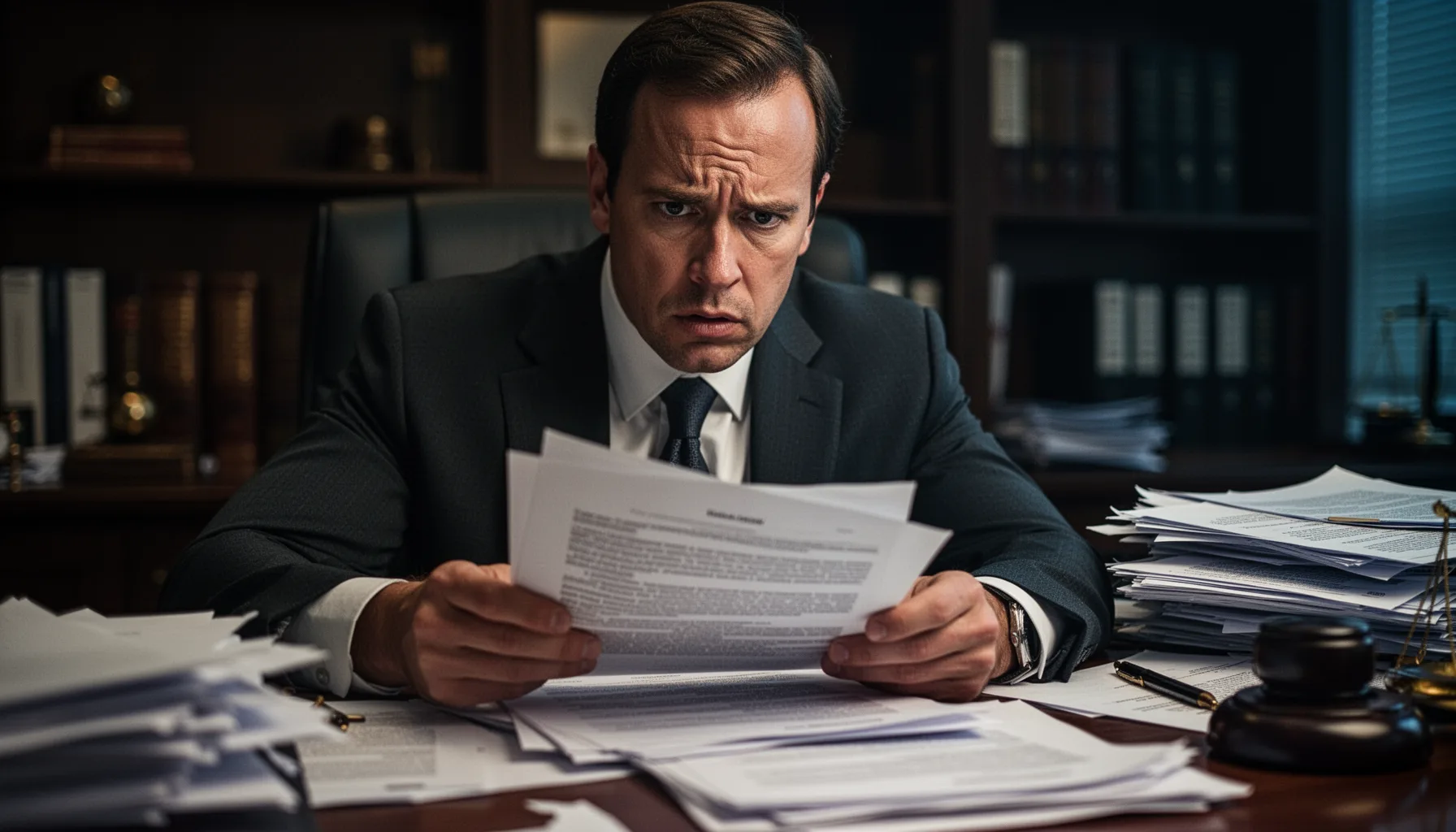
Florida AG sues OpenAI ChatGPT over what the state describes as a pattern of harmful assistance, and the case seems designed to turn troubling outputs into a duty-of-care dispute. That's the first point. Public reporting suggests the language centers on claims that ChatGPT enabled dangerous conduct, including guidance that plaintiffs say put people in harm's way. But rhetoric doesn't win cases. Legal theories do. So courts will look at the claim structure, the proof, and whether OpenAI owed users or bystanders a recognizable duty under Florida law. We'd argue the state probably has to ground its case in negligence, unfair or deceptive trade practices, product liability, or some blended theory that treats AI output as more than speech alone. Think of Meta, Snap, or Google. In those suits, plaintiffs often said product design choices amplified foreseeable harm instead of merely carrying content. That distinction isn't trivial. If Florida casts ChatGPT as a designed product with known failure modes, rather than a publisher-like service, the case lands on far more consequential ground. Worth noting.
How could the Florida AG sues OpenAI ChatGPT case fit product liability or negligence law?

The florida ag sues openai chatgpt case only holds up if Florida can fit chatbot behavior into familiar tort law. Here's the hinge. In negligence, the state usually has to prove duty, breach, causation, and harm, which sounds neat on paper but gets unruly fast when a user chooses what to do with model output. Product liability poses an even knottier question. Is a large language model a product, a service, or a speech system with product-like traits? Nobody has fully settled that. Restatement-based product cases usually focused on tangible goods, though software disputes have pushed judges to rethink that border for years. Think GPS routing errors. Or buggy software in medical devices and cars. Those cases suggest plaintiffs fare better when they can point to a specific defective feature, a thin warning, or a foreseeable misuse the company ignored after repeated notice. OpenAI would likely answer that ChatGPT already includes warnings, policy limits, and refusal systems, and that any harmful act reflects an independent user choice that breaks causation. That's a bigger shift than it sounds.
Why does the florida ag sues OpenAI ChatGPT dispute echo Section 230 fights without being a Section 230 case?

The florida ag sues openai chatgpt story feels adjacent to a Section 230 fight because it asks whether a platform-like system should carry liability for harmful information, even if the statute may not govern the case directly. That's the adjacency. Section 230 of the Communications Decency Act usually protects online services from liability tied to third-party user content, but generative AI creates fresh friction because the model generates the output itself instead of simply displaying someone else's post. That difference could matter a lot. Courts have already wrestled with recommendation liability in disputes involving YouTube and other social platforms, including the Supreme Court's 2023 review in Gonzalez v. Google, which made clear how hard it is to draw boundaries around hosting, ranking, and active system design. We think AI cases will keep circling the same question. When does computational assistance become authorship, product conduct, or negligent design? If Florida persuades a court that OpenAI's model behavior counts as an affirmative product act, not passive publication, Section 230-style instincts lose some of their pull. And that would rattle more than OpenAI. Anthropic, Google, Meta, and open-model distributors on Hugging Face would all be paying close attention. Here's the thing.
What would plaintiffs need to prove to win the Florida AG sues OpenAI ChatGPT case?

To win, plaintiffs need more than frightening transcripts; they need proof tying specific ChatGPT outputs to foreseeable harm through a legally credible chain of cause and effect. That's the hard part. Causation sinks a lot of these cases because courts ask whether the product directly caused the injury or whether independent criminal conduct stepped in between. And judges often treat that intervening choice as a major break. Florida would likely need internal documents, red-team results, prior incident reports, or user-pattern data suggesting OpenAI knew a category of dangerous responses persisted and didn't curb it well enough. A strong case may also need expert testimony. On model behavior, refusal gaps, safety benchmarks, and the limits of warning labels. Think about how product disputes rely on design-defect tests, risk-utility balancing, and feasible alternative design arguments. If the state can show OpenAI had workable ways to reduce a known risk, such as narrower refusals for high-risk prompts, stronger escalation logic, or tighter monitoring for dangerous intent, the complaint gets much heavier. Without that record, the case may drive headlines and still stumble in court. Not quite.
If Florida AG sues OpenAI ChatGPT successfully, what product and policy changes could follow?
If Florida AG sues OpenAI ChatGPT successfully, the biggest effect would probably be operational rather than symbolic. Companies change systems when liability gets real. OpenAI could face pressure to widen refusal taxonomies, add tougher warnings for high-risk prompts, keep more auditable logs, and build stricter gating for categories tied to self-harm, weapons, stalking, or violent planning. That would hit the product itself. It could also push providers toward clearer age checks, location-specific compliance layers, and faster incident-response workflows when harmful outputs surface. We've seen a version of this in trust-and-safety work across social media, where lawsuits and regulatory pressure pushed firms to document policy calls more carefully and preserve evidence trails. NIST's AI Risk Management Framework already gives vendors a vocabulary for governance, measurement, and harm reduction, and successful litigation would make those practices feel much less optional. My view is simple. The case's biggest legacy may not be damages but a new baseline for safety engineering. And if that happens, smaller model vendors may feel the squeeze even more than OpenAI, because compliance costs rarely scale kindly. Worth noting.
Key Statistics
Frequently Asked Questions
Key Takeaways
- ✓This case tests whether ChatGPT output can support classic negligence or product-liability claims.
- ✓Florida's legal theory matters because states may move faster than Congress on AI enforcement.
- ✓Plaintiffs still need hard proof linking model behavior to specific harms and user decisions.
- ✓A successful suit could force stronger logging, warning layers, and tighter refusal systems.
- ✓The wider AI market is watching because any precedent could reach open models too.