
⚡ Quick Answer
Florida becomes first state to sue OpenAI in a move that could act as a template for state-level AI enforcement, not just a single political flashpoint. The case matters because if one attorney general finds a workable legal theory, other states may copy the playbook and force new safety norms across the model market.
Florida is the first state to sue OpenAI, and that line by itself tells you why this case matters. First state. That's the signal. We may be staring at an early draft of a wider enforcement playbook, where attorneys general reach for existing consumer-protection and public-safety law to police AI before Washington gets its act together. So the bigger story isn't just what Florida says ChatGPT did. It's whether other states borrow the template, tweak a few sections, and file their own versions.
Florida becomes first state to sue OpenAI: why this may matter beyond one case
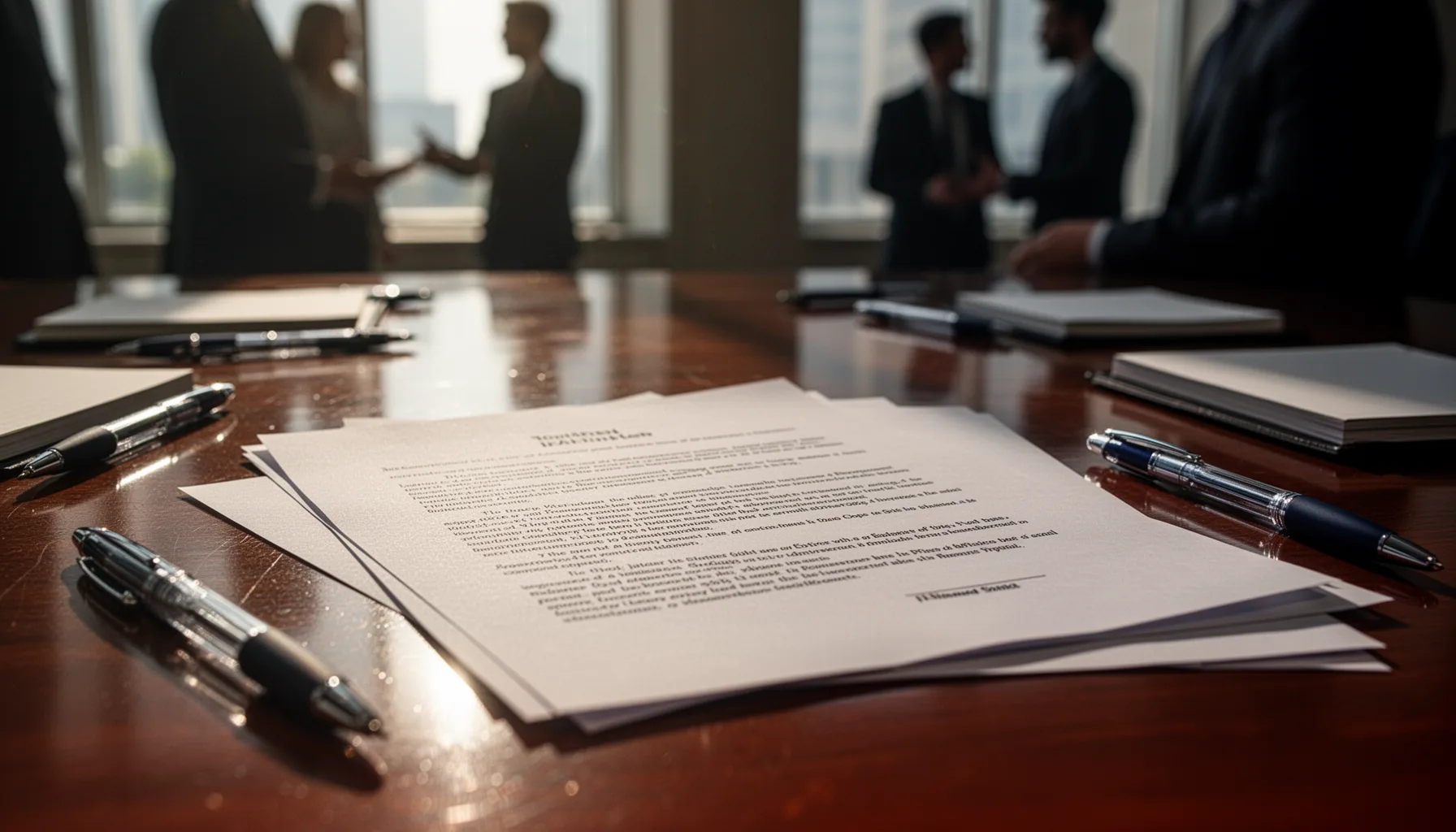
Florida is the first state to sue OpenAI, and that alone gives the case weight beyond the specific accusations in the complaint. First movers write the script. State attorneys general often try fresh legal theories on large tech companies before Congress settles on anything durable, and we've watched that happen in privacy, antitrust, youth-safety, and opioid cases. The same pattern may now reach foundation models. If Florida puts forward a complaint that survives an early motion to dismiss, other states may not need to build their own theory from zero. They'll copy it. We'd argue that's the not-trivial part of the story, because a lawsuit that gets replicated can change company behavior long before any final ruling lands. For OpenAI, Anthropic, Google DeepMind, and Meta, the risk isn't one courtroom in Florida. It's fifty variations of the same pressure campaign. That's a bigger shift than it sounds.
How should readers separate legal fact from political rhetoric in the Florida becomes first state to sue OpenAI story?
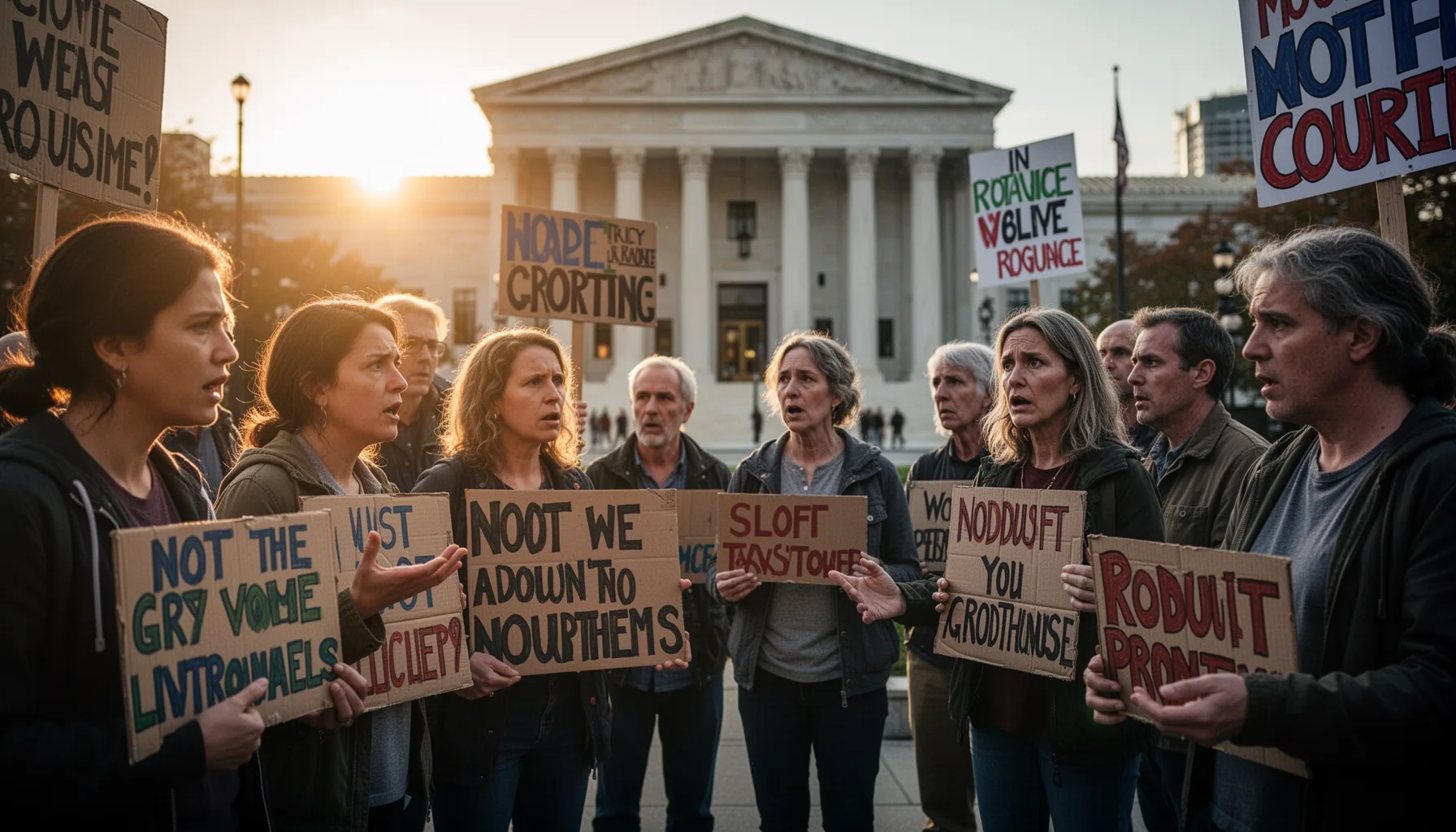
Readers should handle the splashier claims with care, because saying ChatGPT helped criminals isn't the same thing as proving legal causation in court. That's a real divide. Public officials often use vivid language to frame risk in high-visibility tech fights, but judges want evidence that connects a product's conduct to a specific injury through a clear chain. And that chain can get messy fast. Especially when a user independently commits a crime. We think a lot of headlines collapse three different questions into one: what the model allegedly produced, what the user chose to do, and whether the provider should legally answer for that leap. A decent comparison comes from earlier suits against social platforms like Meta, where plaintiffs pointed to recommendation systems or design choices but still had trouble proving proximate cause. The political language pulls attention. The evidentiary standard decides the case. Worth noting.
Why could Florida becomes first state to sue OpenAI spark more state action against AI companies?

Florida is suing OpenAI first at a moment when states face a federal policy gap, and that kind of gap usually invites local enforcement. Nature hates a vacuum. Congress has spent plenty of time debating AI governance, but the U.S. still doesn't have one comprehensive federal AI law that clearly assigns duties, audit rules, or liability lines for general-purpose models. So states can work with the tools already on the shelf. Consumer-protection statutes, unfair-trade-practice law, and public-nuisance-style arguments. California, Texas, New York, and Illinois already play oversized roles in tech enforcement because of market size, political incentives, and active AG offices. So if Florida gets traction, others will notice quickly. My read is that this kind of suit also gives elected officials a visible way to say they're acting on AI risk without waiting on Washington. And companies know that. Legal teams usually prepare for copycat theories long before complaint number two appears.
What does Florida becomes first state to sue OpenAI mean for Anthropic, Google, and open-model providers?

Florida may be the first state to sue OpenAI, but the compliance shock could hit the whole model market within months. Rivals don't need to appear in the caption to feel it. Anthropic, Google, Microsoft, Meta, and open-model hosts such as Hugging Face will study this case for clues about what prosecutors or regulators might call negligent safety practice. If the state argues providers should block certain harmful-intent categories more aggressively, competitors will likely review refusal tuning, red-team protocols, logging, and human escalation paths. And some of them may overcorrect. That's especially likely for smaller providers that don't have OpenAI's legal budget and may choose tighter product limits rather than risk becoming the next example. We should also watch procurement teams at banks, hospitals, and school systems. Enterprise buyers often toughen vendor questionnaires after a headline lawsuit, and that can shift competition just as much as any courtroom ruling. Here's the thing: legal pressure rarely stays in one lane.
How could Florida becomes first state to sue OpenAI reshape AI safety disclosures and market norms?

This case could push the industry toward clearer safety disclosures, better incident records, and firmer statements about what chatbots should refuse. Litigation tends to formalize norms. When companies face accusations that a model enabled harmful conduct, they usually answer by documenting how safety systems work, which categories trigger refusals, how quickly incidents get escalated, and what testing happened before deployment. Not abstract. OpenAI, Anthropic, and Google already publish selective safety reports, and groups like the Frontier Model Forum have tried to create a shared vocabulary for frontier-model risk management. But the reports still vary a lot. A state-led enforcement wave could turn voluntary disclosure into something close to a required market expectation, especially in enterprise sales and public-sector contracts. My view is that disclosure quality will become a consequential signal. Providers that explain safeguards plainly and back them up with evaluations will look safer to customers, regulators, and courts. We'd argue that's worth watching.
Key Statistics
Frequently Asked Questions
Key Takeaways
- ✓This lawsuit could become a state-by-state enforcement template for generative AI.
- ✓The headline allegations still need proof on causation, product design, and foreseeability.
- ✓Other AGs may move faster than Washington if political pressure keeps rising.
- ✓OpenAI isn't the only company exposed; rivals may tighten safeguards before they're forced to.
- ✓State action could reshape disclosure rules, audit practices, and incident logging.