
⚡ Quick Answer
The IREN Nvidia AI infrastructure partnership signals a major shift from bitcoin mining toward high-margin AI data center services. The reported $3.4 billion arrangement, including up to $2.1 billion from Nvidia, shows how power-rich crypto operators are becoming serious AI infrastructure players.
The IREN Nvidia AI infrastructure partnership may turn out to be one of the clearest signals yet that the AI compute race is rearranging the data center map. Not a small call. A company most people pegged as a bitcoin miner is reportedly linking up with Nvidia in a $3.4 billion arrangement, with terms that could let the chip giant put in as much as $2.1 billion. And that matters because power, land, and cooling now count almost as much as the chips themselves. We're watching a former crypto specialist try to become an AI infrastructure landlord right as hyperscale demand blows past the old supply playbook.
What is the IREN Nvidia AI infrastructure partnership?

The IREN Nvidia AI infrastructure partnership amounts to a large build-and-finance plan for AI-ready capacity, pairing IREN’s power and data center assets with Nvidia-backed hardware demand. Big number. Based on the deal summary, the arrangement totals $3.4 billion and includes terms for Nvidia to invest up to $2.1 billion, which would put it among the larger crossovers yet between crypto infrastructure and AI compute. That's the headline. IREN, still known to plenty of investors as a bitcoin mining operator, already controls energy-hungry sites built for dense compute, so the move into AI hosting isn't coming out of nowhere. And Nvidia has spent the last two years pushing beyond chips into full-stack infrastructure, including DGX systems, Mellanox networking, and reference designs for AI factories. We'd argue this looks less like a quirky side wager and more like a practical supply-chain move. When GPU demand outruns standard colocation buildouts, companies with grid access start to look far more useful than their crypto roots once suggested. That's a bigger shift than it sounds. Think of CoreWeave here.
Why a bitcoin miner pivots to AI infrastructure now
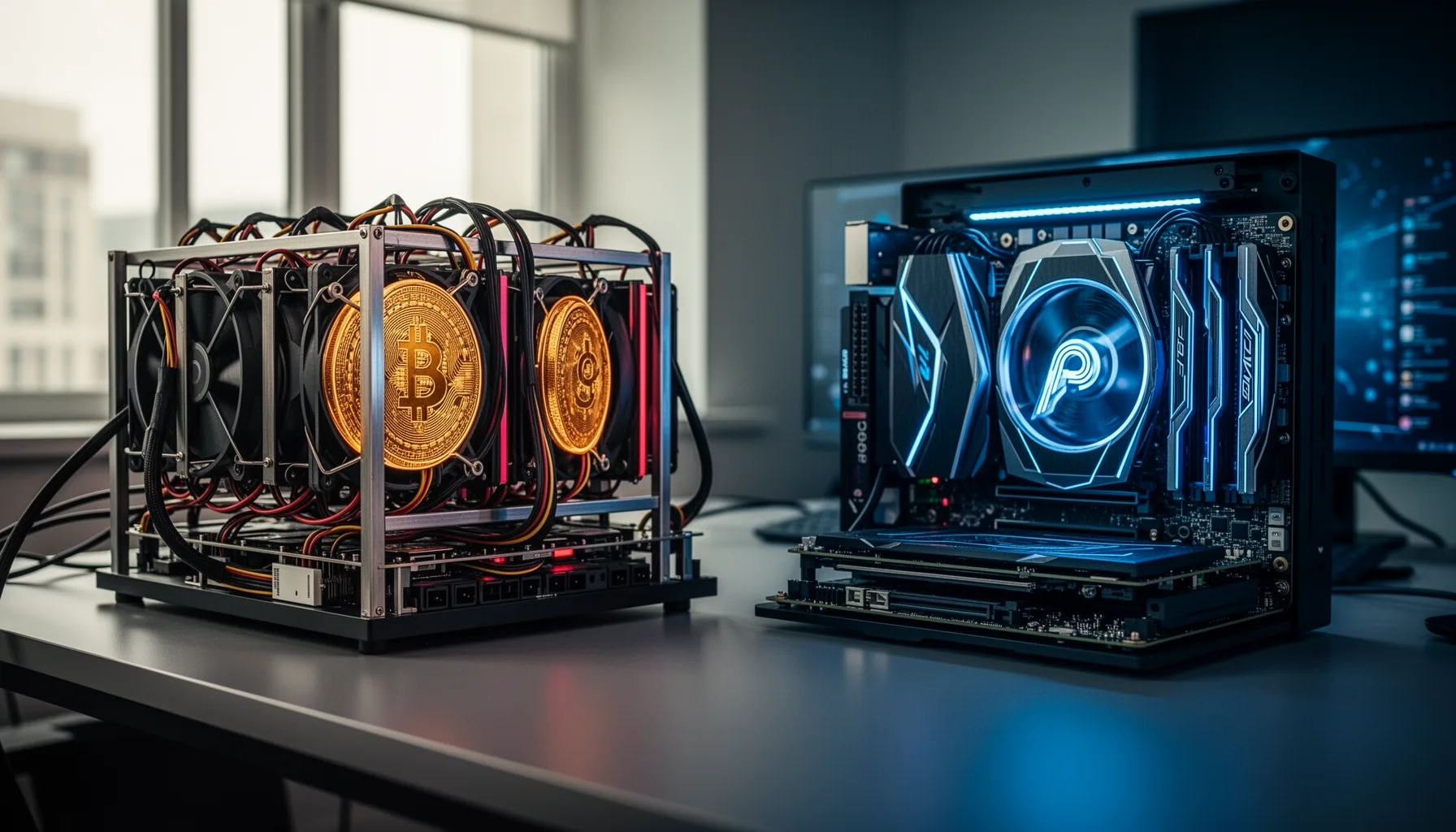
A bitcoin miner pivots to AI infrastructure now for a simple reason: AI capacity can land richer contracts, while bitcoin mining still swings with token prices and halving cycles. That's the core math. That case got stronger after the April 2024 bitcoin halving cut block rewards from 6.25 BTC to 3.125 BTC, squeezing operators that don't have cheap power or another revenue stream. Here's the thing. Both businesses need electricity, cooling, network connectivity, and teams that understand 24/7 uptime. The overlap is real. Core Scientific has already signed AI-related hosting agreements, and Crusoe turned stranded-energy know-how into GPU cloud infrastructure, which gives the market hard proof that adjacent models can work. But not every mining site suits AI workloads, because low-latency networking, liquid cooling, and enterprise service standards require a lot more than sliding in fresh racks. Our view is simple. The miners best positioned to win are the ones that can fund upgrades quickly, not just the ones sitting on spare megawatts. Worth noting. Crusoe didn't get there by accident.
How the IREN 3.4 billion Nvidia deal explained reshapes the AI data center boom
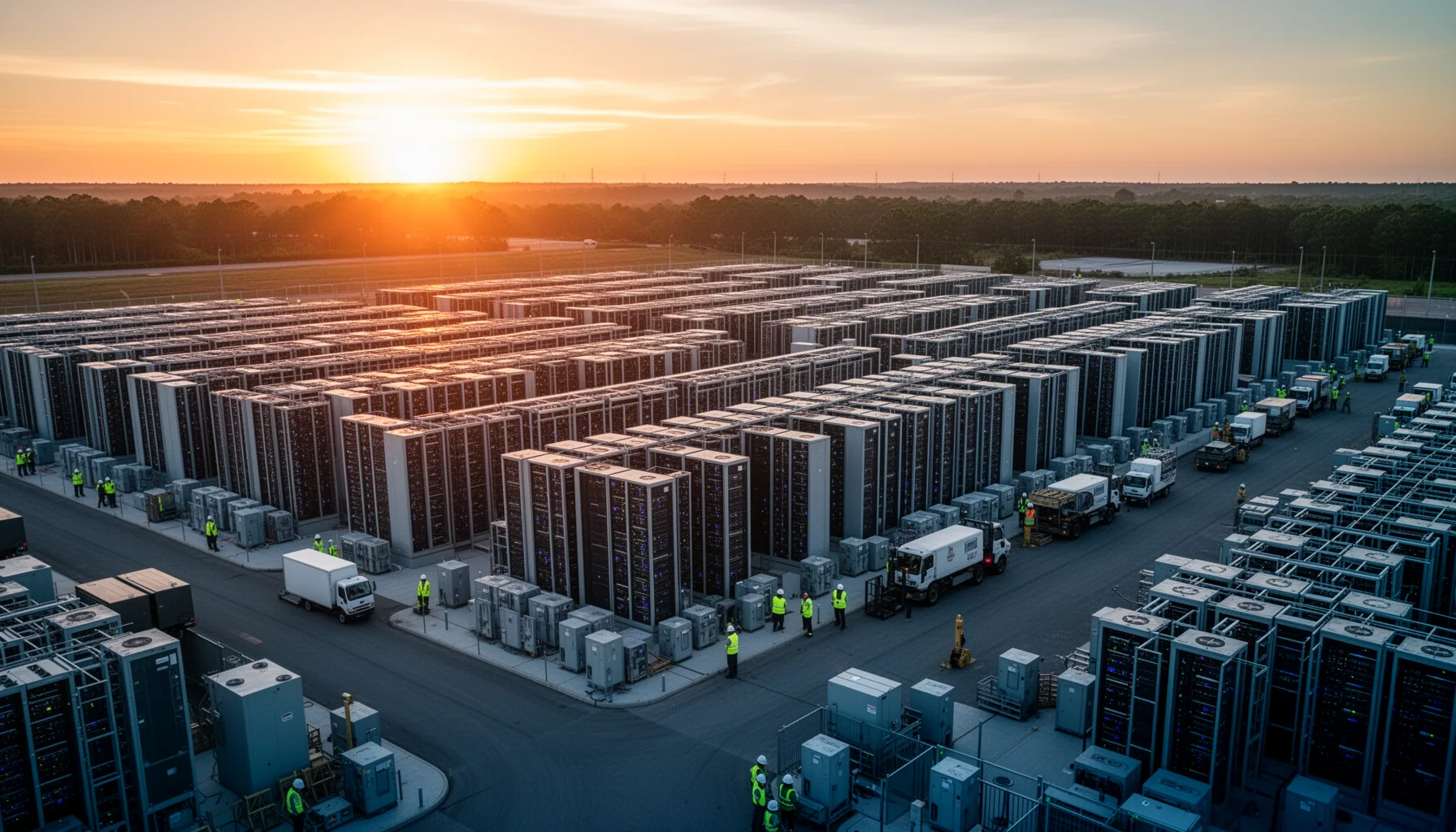
The IREN 3.4 billion Nvidia deal explained in plain terms comes down to this: turn existing power-heavy infrastructure into AI compute supply at a moment when the market can't build fast enough. Simple enough. McKinsey estimated in 2024 that global data center demand tied to AI could require a sharp acceleration in capacity through the decade, and utilities across North America already face interconnection bottlenecks. So timing matters. IREN can offer a path to capacity that may move faster than greenfield construction, especially if permits, land control, and transmission access are already secured. Nvidia benefits too, because every delayed facility means delayed GPU deployment and slower recognition of system revenue beyond silicon alone. Think about Lambda, CoreWeave, and xAI. Each points to the same reality: whoever locks down power and rack space can capture value well above commodity hosting margins. My read is that this partnership reflects a harder truth in AI infrastructure: chips sell the story, but power closes the deal. That's a bigger shift than it sounds. And xAI's Memphis push makes the point plainly.
Can crypto mining companies entering the AI market really compete?

Crypto mining companies entering the AI market can compete, but only if they satisfy enterprise expectations around reliability, networking, security, and capital discipline. That's the hurdle. The appeal is obvious, since many miners already run large electrical loads and control sites in energy-rich regions, yet AI customers buy service-level agreements, not crypto swagger. That's where the real test sits. Enterprises and model builders want InfiniBand or high-speed Ethernet fabrics, audited physical security, serious orchestration, and support teams that understand GPU cluster failures at scale. Applied Digital, Hut 8, and Core Scientific all come up in this discussion because investors now see AI hosting as a possible second act for mining-era assets. But some firms will overstate how easy the pivot is, and markets usually punish that fast. We'd argue the winners won't be the loudest former miners. They'll be the operators that look boring, bankable, and deeply competent to Nvidia and enterprise buyers alike. Worth noting. Equinix built its name on that kind of trust.
What the Nvidia partnership with bitcoin mining company means for investors
The Nvidia partnership with bitcoin mining company IREN means investors need to value the business less like a pure miner and more like a speculative AI infrastructure platform. That's a real reset. That shift changes revenue visibility, capex assumptions, and the whole timing of returns, because AI hosting contracts can run for years while facility buildouts demand heavy spending up front. And public markets love the story when the pieces line up. Nvidia’s brand gives outside validation too, which matters in a sector where plenty of companies announce ambitious AI plans but only a few land flagship counterparties. Still, investors should look past the headline number and examine utilization targets, financing terms, power pricing, customer concentration, and whether Nvidia’s possible investment arrives in tranches tied to milestones. One data point matters here. In recent quarters, major GPU cloud providers have commanded much higher valuation multiples than traditional mining peers because the market prizes recurring AI demand. So the bet on IREN isn't just about bitcoin anymore; it's about whether the company can turn infrastructure optionality into contracted AI cash flow. We'd argue that's the whole ballgame. CoreWeave offers a useful benchmark.
Key Statistics
Frequently Asked Questions
Key Takeaways
- ✓IREN is using its power and data center footprint to chase AI demand.
- ✓Nvidia’s involvement gives the deal unusual weight and strategic credibility.
- ✓Bitcoin miners see AI hosting as steadier revenue than pure mining cycles.
- ✓This deal reflects the wider AI data center boom and miner repositioning.
- ✓Investors should watch execution, power contracts, and customer demand closely.