
⚡ Quick Answer
Maude.ai is a parody AI launch that mimics the tone and mechanics of startup marketing to make the whole category look a little ridiculous. It works because the joke lands on familiar AI launch tropes: turbo model names, waitlists, vague playbooks, and overcooked branding.
Maude ai, in plain English, is a joke with teeth. And that's why it gets around. The parody borrows Claude-style branding, startup launch clichés, and that breathless social-post voice we keep seeing every week. Then it tosses in Dorothy-4 Turbo, a closed waitlist, and a “free playbook” that's actually jello recipes. Not quite random. It starts to feel a little too accurate, and that's exactly why the satire bites.
What is Maude ai explained for people seeing it cold

Maude ai, explained simply, is a Claude parody AI idea dressed up as a startup launch campaign. It follows a script people know by heart. Confident product naming, fake urgency, absurd model branding, a giveaway hook. Then it pushes each part just far enough to expose the formula. That's smart comedy. The line about being trained on 38 years of lived experience and an unlimited cheesecake budget tells you the bit almost immediately. And “waitlist closed” makes fun of the scarcity theater plenty of AI founders still reach for. You can spot similar mechanics in viral software satire accounts on X and LinkedIn. The joke only lands if people recognize the template. Here's the thing. Maude doesn't just mock AI itself; it points straight at AI marketing habits. We'd argue that's a bigger shift than it sounds.
Why Claude parody AI and fake waitlists spread so fast

Claude parody AI posts move fast because they ride on patterns people already feel worn out by. Audiences have seen endless launches with names like Pro, Turbo, Max, Ultra, and 4.1. They've seen the same urgency hooks, comment bait, and downloadable playbooks too. So when Maude ai waitlist jokes appear, people get the punchline almost instantly. That's not trivial. Quick recognition fuels viral AI parody campaigns, especially on platforms where users skim hundreds of posts a day. And we'd argue the funniest part isn't even the Claude reference. It's how precisely the campaign captures AI's current marketing accent. Worth noting. On LinkedIn, especially, that tone has become easy to spot and even easier to parody.
How viral AI parody campaigns expose tired launch tactics
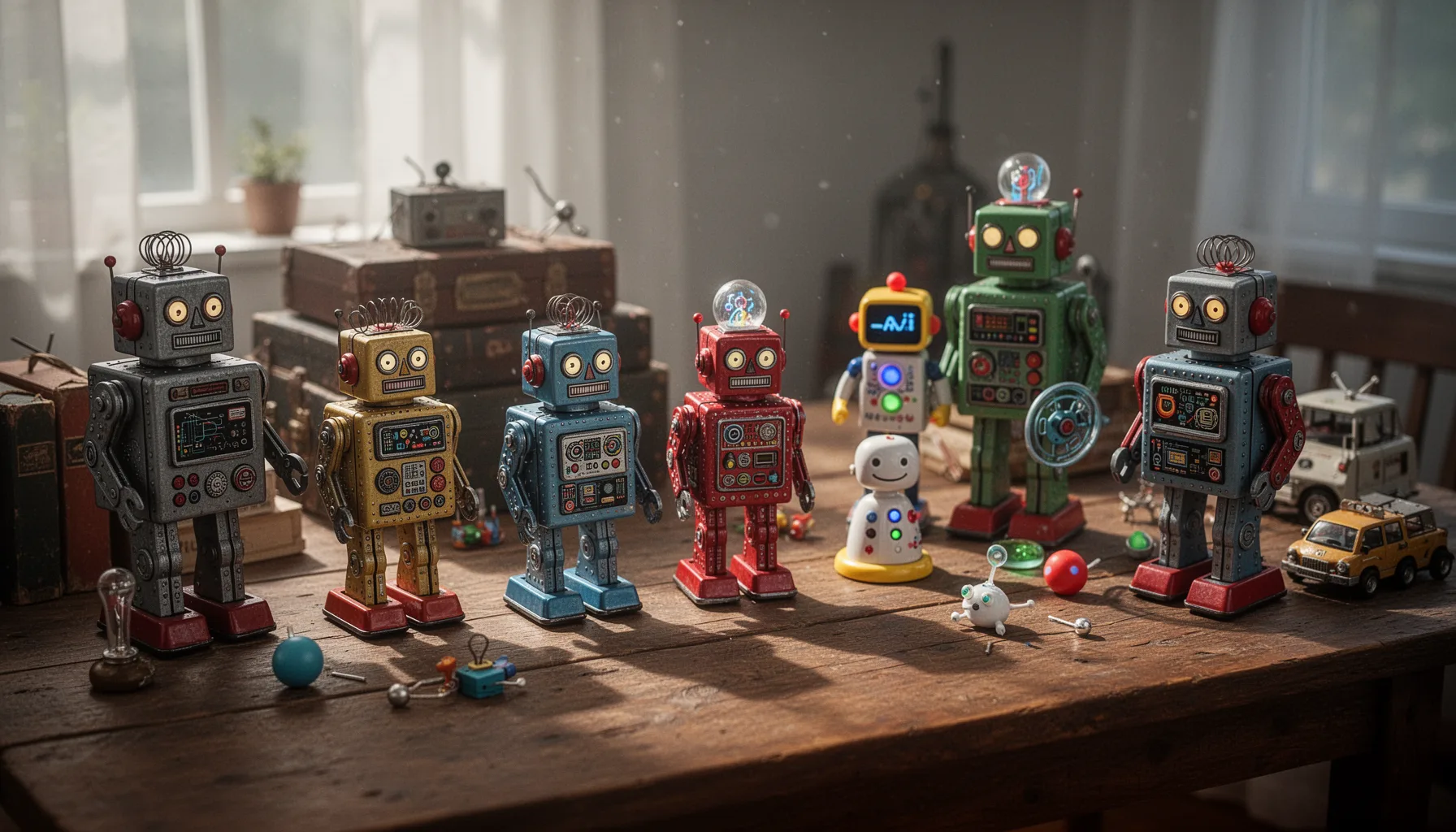
Viral AI parody campaigns expose tired launch tactics by stretching them just enough to make them impossible to ignore. A fake playbook nobody asked for but everyone needed sounds ridiculous. But it also sounds uncomfortably close to a real LinkedIn launch post. That's the mirror. Brands like Duolingo and Notion have already shown that internet-native humor can beat polished corporate messaging when the tone fits the audience. Still, parody needs precision. If the reference points get too vague, the joke falls flat; if they get too niche, only insiders laugh. Simple enough. Maude hits the sweet spot by targeting startup sameness, not merely one vendor. We'd say that's why the bit travels beyond AI people.
What AI branding with humor can learn from Maude
AI branding with humor works when the joke uncovers something real about the market. Maude lands because AI buyers and builders already suspect many launches sound interchangeable, and the parody gives that suspicion a face. That's useful. A strong funny AI product launch example doesn't just entertain. It teaches marketers which patterns have turned into self-parody, from inflated model naming to manufactured exclusivity. Companies like Anthropic, OpenAI, and Perplexity work in a category where every word choice gets picked apart, so distinct tone matters more than many teams admit. And if your launch can be parodied in one sentence, your messaging probably needs work. Here's the thing. That's not a small warning.
Key Statistics
Frequently Asked Questions
Key Takeaways
- ✓Maude.ai works because it parodies startup AI marketing with uncanny accuracy.
- ✓The joke targets waitlists, model naming, and fake exclusivity more than Claude itself.
- ✓Funny AI product launch examples spread when audiences recognize the format immediately.
- ✓Humor in AI branding can cut through sameness faster than another serious launch post.
- ✓A sharp parody also shows marketers what audiences are tired of seeing.