
⚡ Quick Answer
Netflix VOID model explained in plain terms: it appears to be a video editing AI system focused on manipulating existing footage, including object or person removal, rather than just generating clips from scratch. If the public claims hold up, VOID matters because it pushes video models toward practical post-production workflows, not only text-to-video demos.
Searches for "Netflix VOID model explained" spiked for a reason: the pitch sounds almost absurd. Remove people from video. Rewrite the shot. That grabs attention in a hurry. But the real story isn't sci-fi theater. It's whether Netflix has built a video system that suits actual post-production work better than headline-hunting text-to-video tools do. That's a bigger shift than it sounds.
Netflix VOID model explained: what is Netflix’s first video LLM?
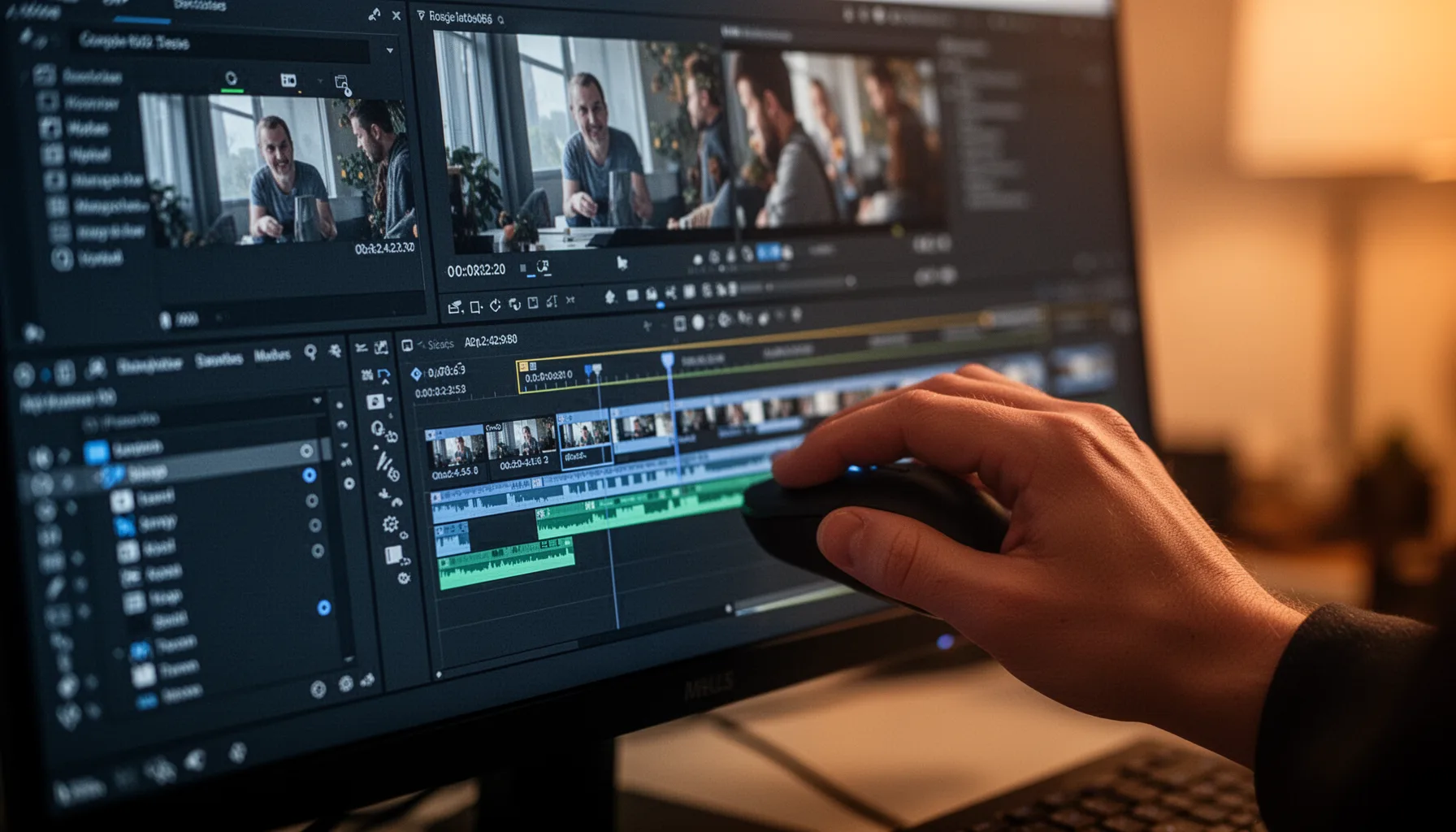
The short version: if current reporting holds up, Netflix’s first video LLM looks more like a system for understanding and editing video sequences than a tool that only generates them from zero. That distinction matters. A studio-ready setup has to follow motion, identity, camera movement, scene geometry, and consistency across time, or the edit falls apart the second the footage plays back. Simple enough. Removing someone from a still image is one task. Removing that same person from a moving shot while keeping the background believable is much tougher. Netflix has spent years working with machine learning for compression, recommendations, and content operations, so a move into video foundation models fits the company's broader R&D habits. Worth noting. Still, calling VOID a "video LLM" may say more about marketing than architecture. We'd describe it as a multimodal video model until Netflix spells out the design more clearly.
How does the VOID model video editing AI remove a person from video?
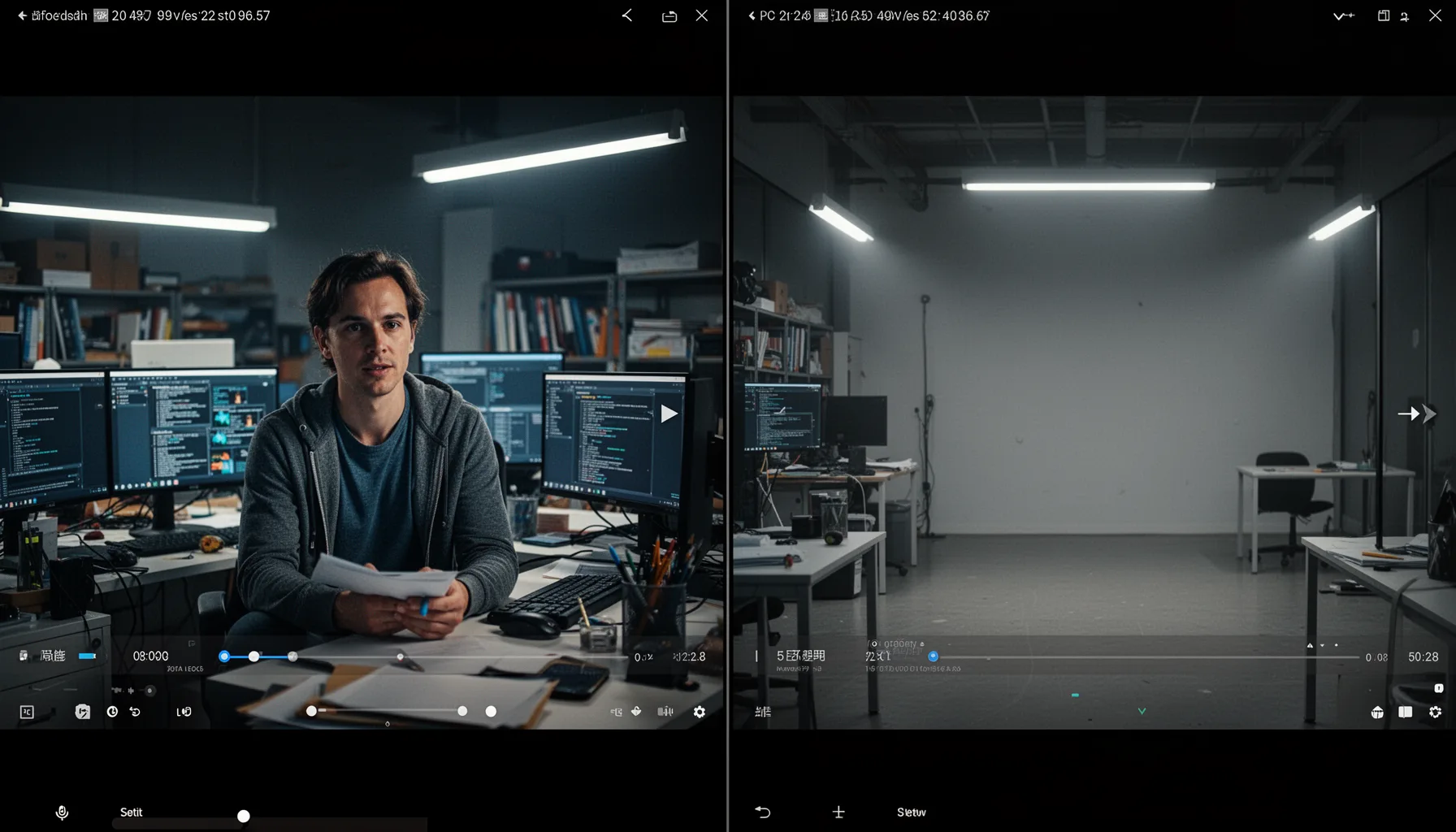
The direct answer is that a remove person from video AI model has to find the subject, infer the hidden background, and keep everything coherent from frame to frame. That's the hard part. Traditional visual effects pipelines rely on rotoscoping, segmentation, tracking, and inpainting across tightly managed shots, often with a lot of artist oversight. A model like VOID would likely fuse those ideas with learned temporal prediction so the replacement pixels stay steady as the camera shifts. Here's the thing. Picture an actor walking across textured scenery with reflections, shadows, and other people in the frame. If the model slips on even a handful of frames, viewers spot flicker or warping almost at once. Adobe, Runway, and university teams at Stanford and CMU have spent years on nearby video inpainting and tracking problems, which points to how technically demanding this category really is. So if VOID works well on production-grade footage, that's not trivial.
Netflix AI video generation model or editing model: what can we infer?

The better read is that Netflix AI video generation model coverage may lean too hard on the generation angle if VOID mostly functions as an editing and reconstruction tool. Not every strong video model fits the Sora mold. Some tools matter more when they clean plates, erase objects, extend scenes, swap backgrounds, or patch continuity issues inside footage you already have. Studios often prize that kind of capability more than pure text-to-video because it maps directly to budgets, schedules, and revision cycles. Worth noting. Runway offers a concrete example: its rise in film and creative workflows didn't come only from flashy generation demos, but from edit-focused tools teams could drop into existing pipelines. Netflix would know that. If VOID is tuned for post-production utility, its commercial weight could outstrip its viral-demo appeal.
VOID model vs Sora video AI: what’s the real difference?

The short answer is that VOID model vs Sora video AI probably comes down to editing-first control versus generative range. OpenAI's Sora became famous for text-to-video generation and convincing world simulation in short clips, while a system like VOID appears aimed at manipulating captured footage. Those are related. But they solve different problems. A studio trying to remove a boom mic, erase a passerby, or repair a continuity mistake may care far less about inventing a new scene than about preserving the original shot convincingly. That's a bigger shift than it sounds. That said, the line will blur. The strongest video systems increasingly mix generation, inpainting, segmentation, object persistence, and instruction following in one stack. We're probably watching the market split into two lanes: spectacle tools for creation and precision tools for production. VOID, if it's real in the form described so far, sits firmly in the second lane.
Key Statistics
Frequently Asked Questions
Key Takeaways
- ✓Netflix's VOID story matters because editing workflows may beat flashy demo clips.
- ✓Removing a person from video is harder than image inpainting because consistency across time matters.
- ✓VOID likely sits closer to production tooling than consumer video generators do.
- ✓The biggest question isn't magic. It's how stable the results stay across long scenes.
- ✓Compared with Sora, VOID seems more about editing control than pure generation.