
OpenAI acquires TBPN: what the surprise media deal means
OpenAI acquires TBPN in a surprise move. Here's what the media deal means for distribution, developer mindshare, and AI influence.
Table of Contents
Quick Answer
OpenAI acquires TBPN as a distribution move that gives the company more control over how its products, policies, and developer story reach the market. The deal matters less as entertainment news and more as a sign that AI labs now want to own audience channels, not just build models.
OpenAI acquires TBPN, and yes, that lands a little oddly at first. But the strange part isn't that ChatGPT's parent bought a tech talk show. It's that OpenAI seems to be securing a direct line into the conversations that steer developer taste, startup buzz, and even policy framing. That's a bigger move than it sounds. And it hints at a future where top AI labs don't just ship products. They also own some of the pipes that tell everyone why those products count.
Why does OpenAI acquires TBPN matter beyond a quirky media headline?
OpenAI acquires TBPN because owning media can matter more than simply paying to appear in it. A sponsored segment buys a brief slot. A full acquisition buys cadence, guest picks, audience data, and the slow, compounding power to steer the agenda over time. That's the real prize. In plain terms, a tech talk show can shape what developers discuss, which founders get seen, and which product stories start to feel preordained. We've watched nearby versions of this already: Salesforce built a media engine around Dreamforce, and Nvidia turned GTC into one of tech's sharpest narrative machines. According to Edison Research's 2024 Infinite Dial, 47% of Americans age 12 and older listen to podcasts each month, which matters because repeat audio-video formats build habit, not just recognition. We'd argue this looks far less like a vanity purchase and much more like attention infrastructure. Worth noting.
OpenAI TBPN acquisition meaning for developer mindshare and ecosystem control

The OpenAI TBPN acquisition meaning gets clearer when you view it through developer ecosystems, not entertainment tactics. OpenAI isn't competing only on model quality. It's also fighting for mindshare among builders who pick APIs, suggest tools, show up at events, and set startup defaults. And that compounds quickly. A media property gives OpenAI a way to feature partner apps, elevate preferred workflows, and make its platform choices feel normal to the exact audience that matters most for long-term adoption. Think about GitHub inside Microsoft after the 2018 deal: the platform stayed distinct, yet it also became a strong surface for distribution, developer trust, and product adjacency. Not identical. But close enough. If TBPN turns into an AI-native media arm, OpenAI can shrink the gap between a product launch, the community's reaction, and the next wave of framing in a way rivals like Google DeepMind or xAI may find hard to match without similar holdings. That's a bigger shift than it sounds.
How ChatGPT owner OpenAI buys TBPN to shape the tech conversation pipeline
ChatGPT owner OpenAI buys TBPN at a moment when controlling the conversation pipeline may matter nearly as much as controlling the model stack. Media doesn't just report events. It decides which topics keep getting repeated, which founders become familiar voices, and which policy worries seem urgent or fringe. That's why this deal deserves a tougher read. A company already sitting near the center of AI regulation fights, developer tooling, copyright battles, and consumer trust now appears to have another route to shape who gets heard and how debates get framed. For example, OpenAI CEO Sam Altman already draws outsized attention at developer conferences, Senate hearings, and product launches, and a house-owned media channel could amplify those appearances before and after they happen. According to Pew Research Center's 2024 work on news consumption, digital personalities and creator-led formats now sit alongside traditional outlets for a growing slice of tech-savvy audiences. We'd argue this is narrative vertical integration. Silicon Valley should treat it that way. Worth noting.
What does the TBPN tech talk show OpenAI deal mean for creator independence?
The TBPN tech talk show OpenAI deal raises obvious questions about editorial independence, and polished messaging won't make those vanish. When a platform company owns a media outlet, people naturally ask whether coverage of competitors, safety disputes, benchmark claims, or policy fights will stay credible. And that's fair. OpenAI could try to preserve trust with a public editorial charter, outside contributors, and clear labels on sponsored or internal segments, much like legacy publishers separate church and state. Still, ownership changes incentives. Even when a newsroom says otherwise. A concrete example sits outside AI: after Amazon founder Jeff Bezos bought The Washington Post, readers and critics kept scrutinizing whether ownership affected coverage, even when the reporting stayed aggressive. The larger point is simple. AI labs increasingly want to be both source and storyteller, and that double role turns independence into a product feature rather than a fuzzy ethical extra. Here's the thing. That's worth watching.
How OpenAI media strategy acquisition fits its consumer brand and policy play
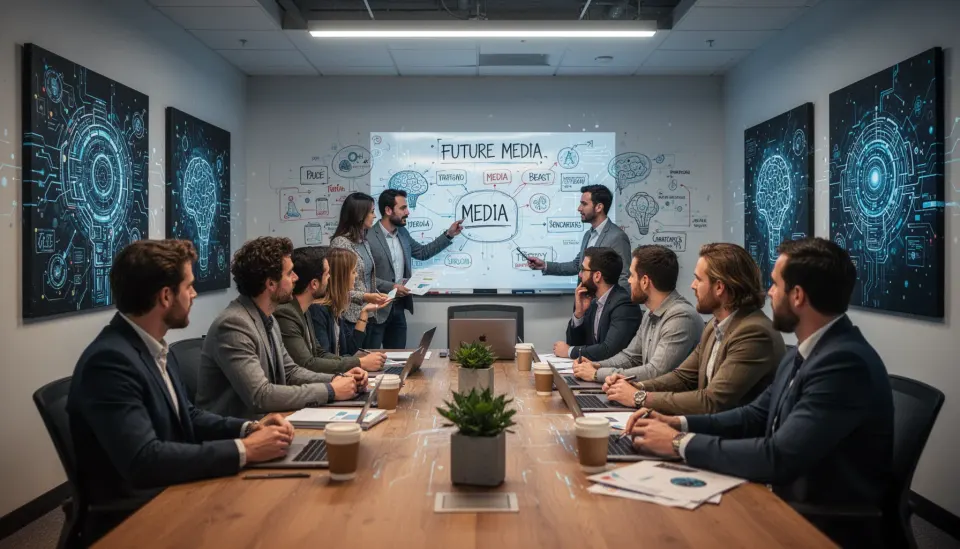
OpenAI media strategy acquisition logic fits neatly into the company's broader push to become both a consumer brand and a policy actor. ChatGPT already works as a mass-market product, while OpenAI's enterprise tools, API business, education push, and government outreach all depend on steady public trust and constant explanation. So it needs more than launch-day headlines. It needs ongoing context. Owning a media outlet could support founder interviews, customer stories, product explainers, developer tutorials, and policy framing in one place, which cuts reliance on outside gatekeepers. Consider Apple: it uses keynotes, newsroom posts, and tightly managed review access to shape its public story. OpenAI doesn't have Apple's hardware moat. So direct media distribution could serve a similar strategic role. OpenAI acquires TBPN, then, not just to make content but to tighten the loop between product, audience, and influence. We'd say that's not trivial.
Frequently Asked Questions
Why did OpenAI acquire TBPN?
What is the OpenAI TBPN acquisition meaning for developers?
How could the TBPN tech talk show OpenAI deal affect media independence?
Is ChatGPT owner OpenAI buys TBPN part of a bigger media strategy?
Could other AI companies copy OpenAI's media acquisition strategy?
Key Takeaways
- OpenAI isn't just buying content; it's buying recurring attention and distribution.
- The TBPN deal could tighten OpenAI's hold on developer and founder mindshare.
- Owning media creates real questions about editorial independence and source trust.
- This fits OpenAI's broader push into consumer brand power and policy influence.
- Expect more AI labs to treat media assets as strategic infrastructure, not side projects.