
⚡ Quick Answer
The OpenAI ChatGPT 26 program looks like both a student opportunity and a calculated ecosystem play. OpenAI is investing early to win developer loyalty, shape future builders, and keep ChatGPT central in academic AI workflows.
The OpenAI ChatGPT 26 program reads as more than a campus initiative. It's a play for loyalty. OpenAI seems to be courting the next wave of founders, researchers, and power users just as universities turn into contested ground for AI platform adoption. And that makes this bigger than the headline implies. Worth noting. If you track the wider OpenAI, ChatGPT & Generative AI Product Ecosystem cluster, this companion piece sits beside the main pillar on topic ID 293.
What is the OpenAI ChatGPT 26 program really trying to achieve?
The OpenAI ChatGPT 26 program makes the most sense as an ecosystem play, not merely a student outreach push. OpenAI has solid reasons to win over early-career users now, because the tools students rely on in school often become the defaults they carry into startups and enterprise teams later. According to the 2024 EDUCAUSE AI Landscape Study, generative AI in higher education shifted from experimental interest to mainstream discussion across most surveyed institutions, which makes campus presence commercially consequential. That's the backdrop. We'd argue OpenAI is after three things at once: usage growth, future developer loyalty, and a visible stream of talent that makes clear ChatGPT is where serious young builders begin. Microsoft has played this card for years with student developer programs tied to Azure credits and GitHub access. And OpenAI appears to be borrowing that script while dressing it up with community branding. For readers following the topic 293 pillar, this is a familiar ecosystem move: distribution first, monetization later, with talent acting as the bridge. That's a bigger shift than it sounds.
Why is OpenAI investing in student AI talent now?
OpenAI is putting money and attention into student AI talent now because the fight for model dominance increasingly rests on habits formed before people enter the workforce. University students don't just consume AI products. They become interns, startup founders, researchers, and technical buyers who shape which APIs, coding assistants, and safety practices spread. A 2024 Stanford Institute for Human-Centered AI report pointed to broad generative AI adoption among younger, digitally native users, and that gives platforms a real reason to build affinity early. Here's the thing. Model quality alone probably won't settle this market. Distribution, community, and familiarity matter just as much, especially when Anthropic, Google DeepMind, and Meta all want students building on their stacks. Google's student programs often tie AI learning to Google Cloud and TensorFlow pathways, while Anthropic has leaned into university partnerships and safety-centered research visibility. So OpenAI's timing looks less like generosity and more like competitive urgency. We'd say that's rational, not cynical. Worth watching.
What do students actually get from the OpenAI ChatGPT 26 program?
Students only get real value from the OpenAI ChatGPT 26 program if it delivers skills, access, and believable career paths beyond simple brand association. Prestige opens doors, sure. But students should ask harder questions: do participants get API credits, direct mentorship, product feedback channels, hiring exposure, or chances to ship something visible? That's the dividing line. In our view, the best talent programs produce artifacts students can point to later, such as demos, research contributions, workshops, or community leadership roles. Google's Summer of Code mattered because it tied students to actual open-source work, not just a badge. And Microsoft Learn student tracks gained traction because they mapped to certifications and cloud usage. If OpenAI keeps the ChatGPT 26 effort at the ambassador-promo level, the upside drops fast. Not quite enough. But if it gives students access to model evaluation workflows, prompt testing, GPT building, and safety review practices, then the OpenAI student AI talent program could become a serious launchpad instead of a glossy recruiting signal. We'd argue that's the standard that counts.
How does the OpenAI ChatGPT 26 program compare with Google, Anthropic, and Microsoft?
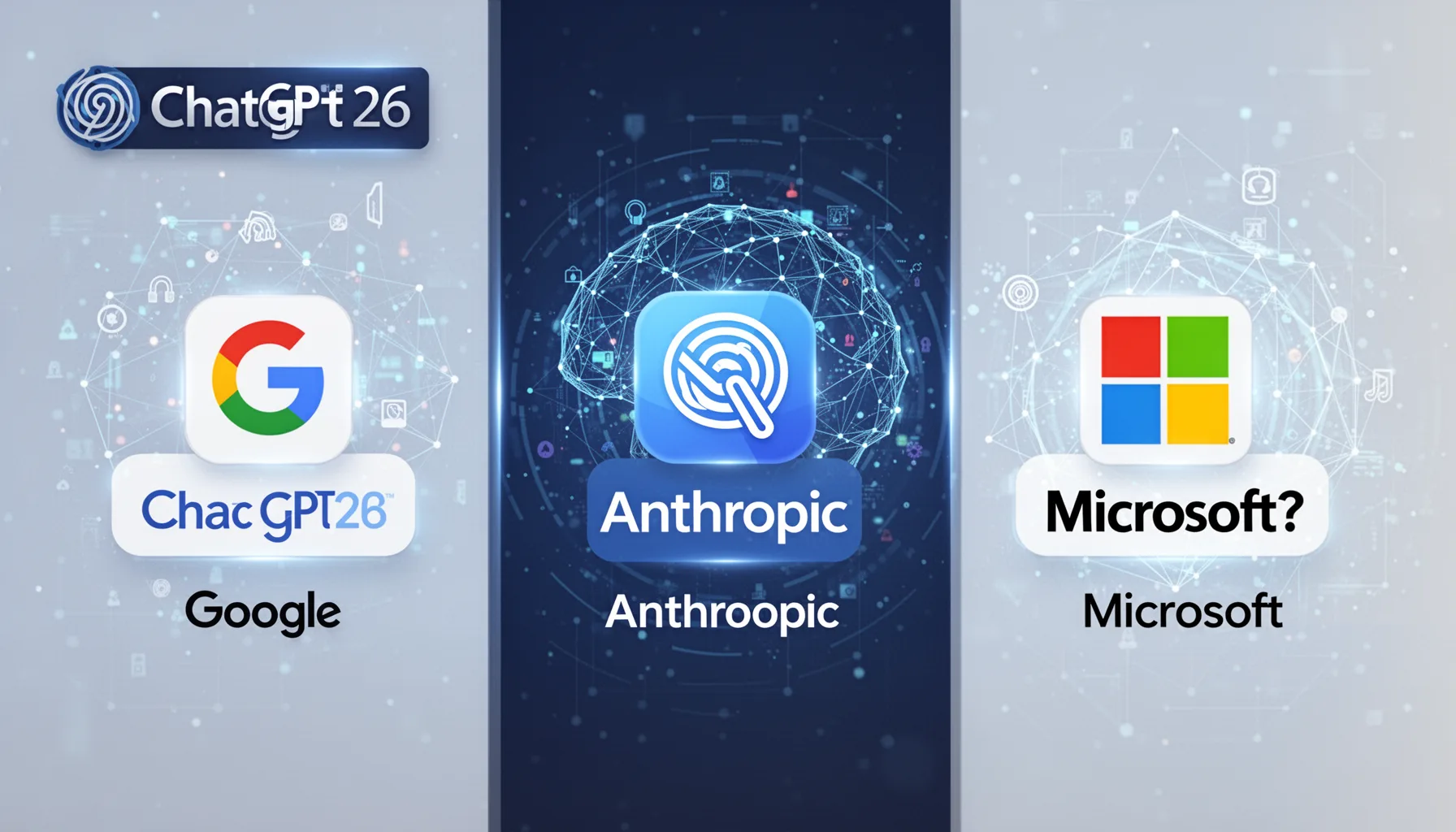
The OpenAI ChatGPT 26 program probably sits somewhere between a community ambassador setup and a future hiring funnel, while rivals each lean on different strengths. Google usually anchors student programs in infrastructure and research adjacency. Microsoft pulls students into enterprise tooling through GitHub, Azure, and Copilot. And Anthropic often earns credibility with safety-minded researchers and policy-aware developers. According to GitHub’s 2024 developer research, AI-assisted coding now touches a large share of professional and student workflows, which means these talent pipelines affect both education and later tool purchasing. That pressure is real. OpenAI's edge is cultural relevance: ChatGPT remains the consumer-facing AI brand many students already know by name, and that lowers acquisition friction. Yet brand familiarity won't be enough if students want depth, because Microsoft can offer clearer enterprise routes and Google can offer broader technical infrastructure. So for anyone tracking sibling topics in this cluster, the sharper question isn't who has the flashiest student program. It's which company turns student participation into durable product fluency and actual career mobility. That's the part that sticks.
Step-by-Step Guide
- 1
Audit the program benefits
Start by listing the concrete benefits attached to the OpenAI ChatGPT 26 student program application. Look for credits, mentorship hours, project opportunities, hiring visibility, and access to internal events. If the page mostly highlights community status without deliverables, treat that as a warning sign.
- 2
Match the program to your goals
Decide whether you want research exposure, startup-building support, technical training, or plain résumé value. Different student programs optimize for different outcomes, and confusion here leads to disappointment. A student aiming for ML engineering should judge the offer very differently from a campus creator or policy student.
- 3
Compare rival talent pipelines
Put OpenAI side by side with Google, Anthropic, and Microsoft before applying. Compare application effort, expected outputs, technical depth, and downstream career pathways. This takes twenty minutes, and it can save you months of joining the wrong ecosystem.
- 4
Ask for proof of access
Look for evidence that participants get real contact with builders, researchers, or product teams. Public AMAs are nice, but direct feedback loops matter more. If a program says it values student insight, it should show where that insight goes.
- 5
Build a portfolio during participation
Use the program to create something you can point to later, such as a chatbot, evaluation framework, campus workshop, or AI policy brief. Names fade fast. Tangible work lasts, and recruiters care far more about proof than association.
- 6
Stay ecosystem-flexible
Join the program if it fits, but don't lock yourself into one vendor too early. Learn model comparison, API abstraction, safety basics, and prompting skills that travel across platforms. Students who stay portable usually end up with more options.
Key Statistics
Frequently Asked Questions
Key Takeaways
- ✓OpenAI wants student mindshare before graduates choose tools, clouds, and model vendors.
- ✓The real value hinges on mentorship, product access, and chances to build portfolio-worthy work.
- ✓Google, Anthropic, and Microsoft already run parallel talent-pipeline plays.
- ✓Students should judge the program by outcomes, not logo prestige alone.
- ✓This companion guide links back to the broader OpenAI ecosystem pillar.