
⚡ Quick Answer
A personal AI agent 2026 setup works best as an open harness that combines voice, memory, permissions, tool routing, and local control instead of acting like a single all-knowing app. The goal isn't flashy autonomy; it's dependable help with clear boundaries, low-latency interaction, and trust you can maintain over time.
Personal ai agent 2026 sounds simple, but people pack all sorts of ideas into it. Some mean a voice bot. Others picture a cloud service that shadows your day and, now and then, books a flight. We see it a bit differently. A real personal agent should feel steady in everyday life, stay in your hands, and keep doing its job when the internet drops or a vendor plan gets weird. That's a bigger shift than it sounds. That's why the Maven idea matters as an open agent harness, not merely a slick demo of a jarvis style ai assistant setup.
What makes a personal AI agent 2026 feel personal instead of gimmicky?

A personal AI agent 2026 feels personal when it carries context forward, respects your preferences, and knows when silence beats interruption. Not quite easy. Most assistant demos chase spectacle. But daily value usually comes from tiny behaviors: remembering your writing tone, recognizing which calendar events actually count, and asking before it touches sensitive files. Apple, OpenAI, and Anthropic all suggest a move toward more context-aware assistants, yet the products that last usually win through restraint, not theatrical autonomy. Worth noting. We think that's the real fault line. An agent that barges into every task gets irritating fast, while one that quietly handles repeat chores starts to earn trust. JARVIS wasn't memorable because it talked. It landed because it seemed to grasp timing, intent, and boundaries.
How should an open agent harness 2026 be architected for voice, memory, and tools?

An open agent harness 2026 should break the system into plain layers: input, memory, planning, tool routing, and action approval. Keep it modular. In practice, that means a speech layer like Whisper or faster local ASR, a dialogue model that runs through OpenAI, Anthropic, or a local stack such as Ollama, a memory service with short-term and long-term stores, and a tool gateway that exposes only approved actions. Home Assistant, Open Interpreter, and Open WebUI already point to pieces of this pattern. Here's the thing. The missing part is discipline. We'd argue for event-based memory writes, retrieval filtered by recency and relevance, and a policy engine that classifies actions as read-only, low-risk write, or high-risk write. If your architecture can't explain why the agent acted, it won't feel personal for long. It'll feel nosy. And brittle.
Why local personal AI assistant setups win on privacy and control
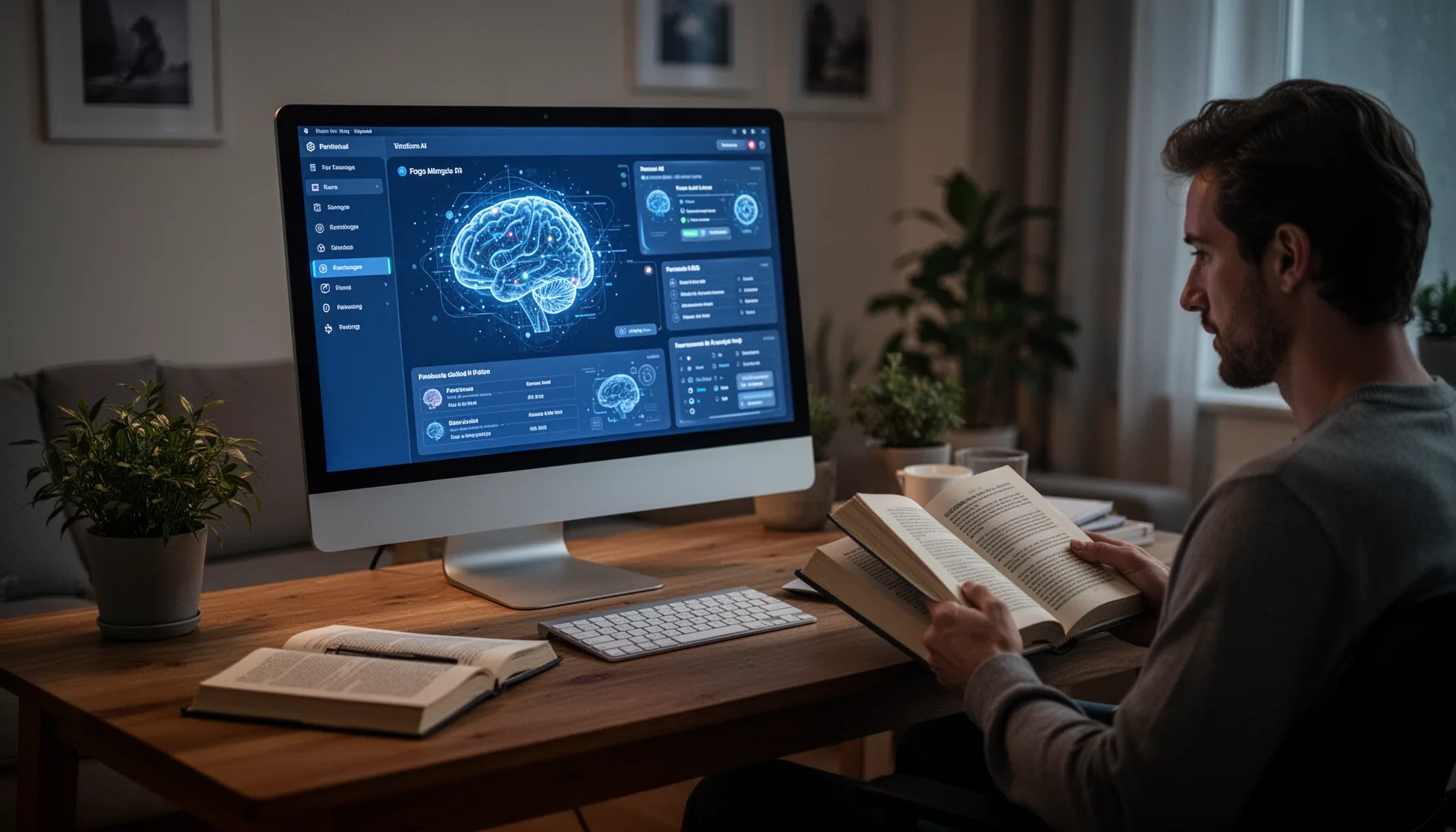
A local personal AI assistant setup wins on privacy and control because it keeps sensitive context, device integrations, and usage logs closer to the user. That's the appeal. Running parts locally on a Mac mini, Framework Desktop, or an RTX-equipped workstation gives you predictable latency for some tasks, offline access, and a cleaner data boundary than a fully cloud-first assistant. But let's be honest. Local isn't automatically better. If the system turns fragile to maintain, too slow for voice turn-taking, or too power-hungry for everyday use, the trade sours fast. That's worth watching. The strongest builds lean hybrid: local speech, local memory, selective cloud reasoning, and tight control over what leaves the machine. That's where many serious self hosted ai agent for daily tasks projects are heading in 2026. Privacy isn't a checkbox. It's an architecture call repeated at every layer.
How do memory systems make or break a personal AI agent with voice and memory?
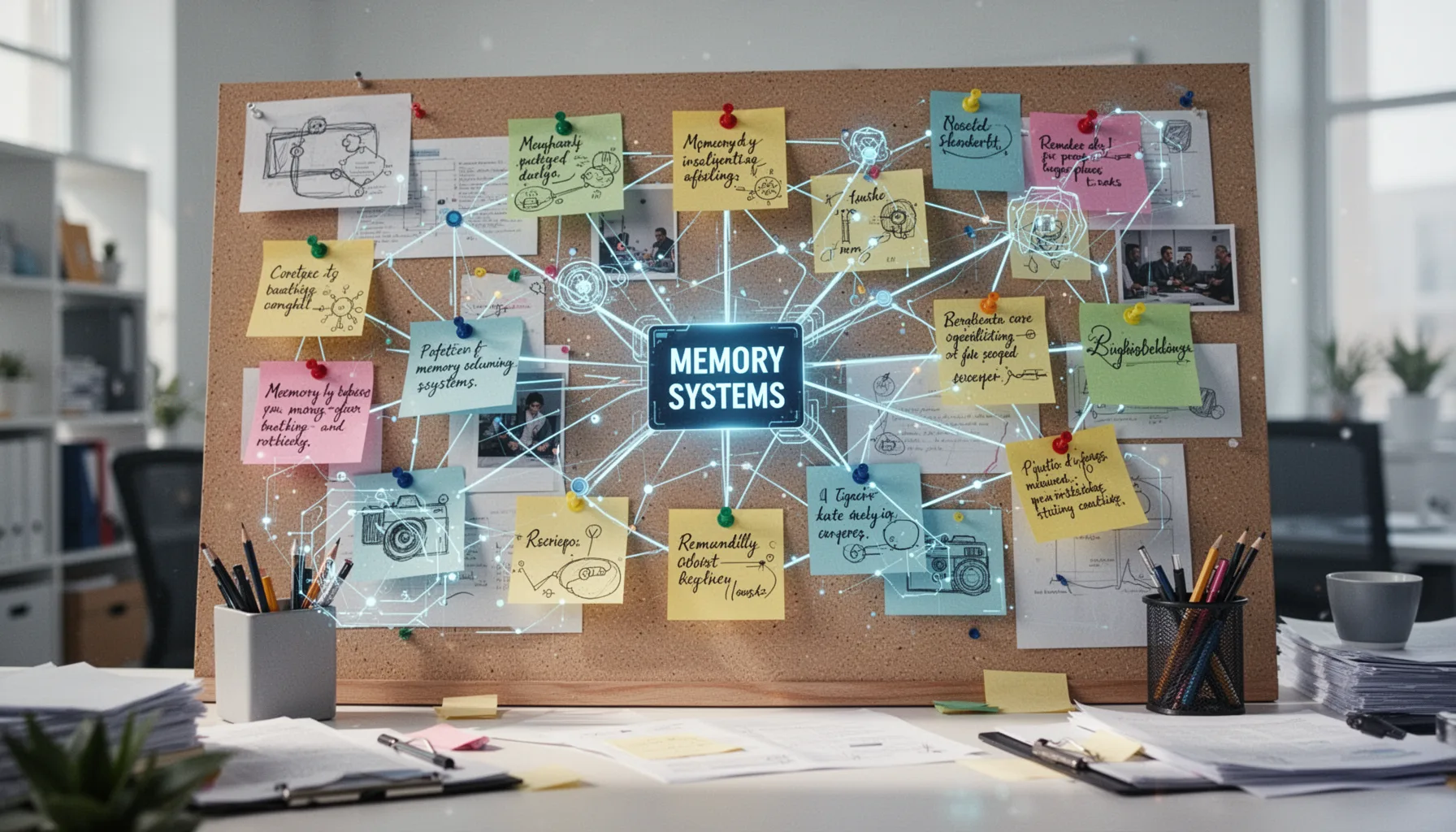
Memory systems make or break a personal ai agent with voice and memory because they decide whether the assistant recalls the right detail at the right moment without feeling creepy. Memory is where a lot of projects drift off course. Developers often dump everything into a vector database and hope retrieval will sort it out, but unfiltered persistence creates stale, intrusive, and sometimes risky behavior. A better pattern uses four memory classes: session memory, preference memory, task memory, and verified facts about the user. MemGPT pushed some of this thinking forward, while enterprise systems from Microsoft and Salesforce have shown that retrieval quality improves when metadata and recency carry weight. Simple enough. We strongly favor selective memory over total recall. If your agent remembers every stray thought but forgets your standing meeting and your pronoun preference, it doesn't feel intelligent. It feels careless.
How should permissions and control surfaces work in a Maven personal AI agent?
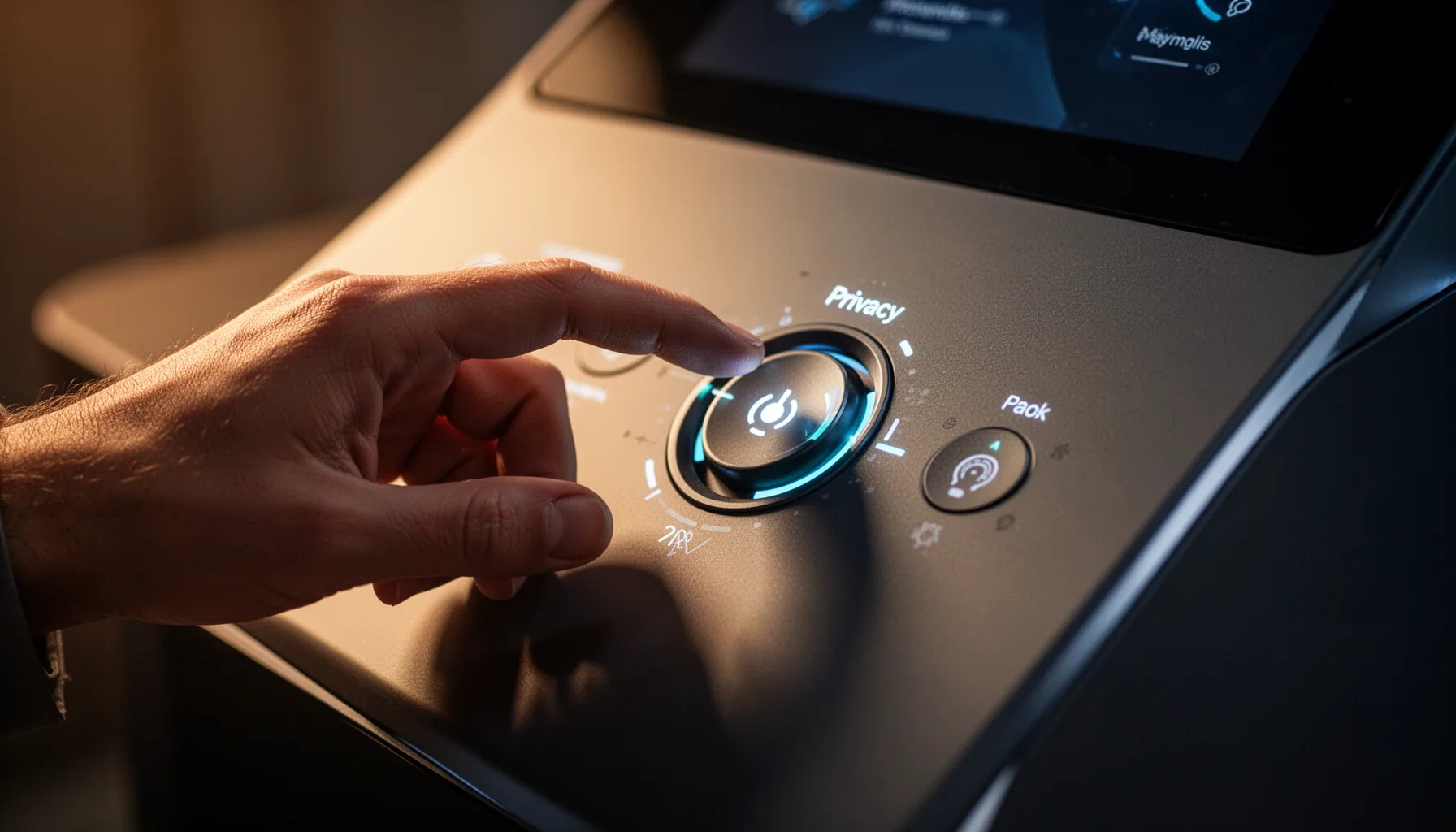
Permissions and control surfaces should make a Maven personal ai agent act within clear authority limits, visible logs, and reversible actions. That's non-negotiable. The agent needs separate modes for suggest, draft, read, and act, with default behavior tilted toward suggestion unless the user explicitly upgrades trust for a domain like home automation or calendar cleanup. Think about how 1Password handles sensitive vault access or how GitHub asks for scoped permissions for apps. Those cues matter. We'd argue every personal agent should show an action card before high-risk operations, keep an editable memory ledger, and support a dead-simple kill switch in voice and UI. That's not trivial. Fancy autonomy without obvious control surfaces is a bad product decision. People will forgive a slower agent. But they won't forgive one that quietly sent a message, bought something, or stored the wrong private detail.
How does a personal AI agent 2026 compare with ChatGPT, Claude, Gemini, and Siri?
A personal AI agent 2026 compares well with ChatGPT, Claude, Gemini, and Siri on privacy, customization, and cross-tool persistence, but it usually gives up some convenience. That's the trade. Mainstream assistants benefit from polished mobile apps, large cloud models, and easier onboarding, which is why most people still begin there. Yet they often stop short of deep user-controlled memory, self-hosted deployment, and durable task state across your own tools unless you accept a lot of platform lock-in. Anthropic's Claude tends to feel strong for writing and careful reasoning, ChatGPT often wins on ecosystem breadth, Gemini fits neatly inside Google's stack, and Siri remains the most embedded on Apple devices but the least ambitious in open tool routing. Here's the thing. If you want something that feels like your system rather than a rented interface, open agent harnesses have a real edge. They just ask for more setup. And more honesty about maintenance.
What are the hard lessons from building a jarvis style ai assistant setup at home?
The hard lesson from building a jarvis style ai assistant setup is that the messy UX details matter more than the demo reel. That's where most builders get humbled. Voice interruption handling, microphone wake reliability, notification timing, and deciding when the agent should stay silent all turn out to be more consequential than adding one more tool or one more model. Teams at Humane, Rabbit, and even Amazon's Alexa overhaul learned this the hard way: users judge agents on friction and trust, not on how many APIs they can technically call. Worth noting. We agree. A personal agent should probably do fewer things, but do them predictably, explainably, and with low false confidence. The fastest way to make a "JARVIS" feel fake is to make it omnipresent before it has earned that right.
How do you decide whether to build or buy a personal AI agent 2026 stack?
You should build or buy a personal AI agent 2026 stack based on your privacy needs, hardware tolerance, and willingness to maintain a living system. That's the honest filter. If you want instant value, minimal setup, and broad general chat quality, buying into ChatGPT, Claude, or Gemini will usually get you there faster. If you need local control, offline capability, home-lab integrations, or highly specific automations, an open harness can be worth the extra work. We think that's consequential. Our rule of thumb is simple. Buy if your goal is convenience; build if your goal is ownership, auditability, and custom behavior that mainstream apps won't offer. And if you do build, keep the first version boring enough to survive month three, when the novelty fades and maintenance becomes the real product.
Step-by-Step Guide
- 1
Define the agent's job
Pick five recurring tasks you actually want help with, such as calendar triage, note capture, email drafting, smart home control, or daily planning. Avoid vague goals like "be my assistant." A narrow starting scope creates better trust and faster iteration.
- 2
Choose a hybrid model stack
Use local speech and memory where possible, then route harder reasoning to a cloud model only when needed. This keeps private data closer to home and controls cost. It also gives you fallback options when one provider changes pricing or quotas.
- 3
Build a memory policy first
Decide what the agent may remember, for how long, and how you will review or delete that memory. Separate preferences from sensitive facts and temporary task state. Memory discipline beats memory quantity every time.
- 4
Gate every action by permission level
Create explicit levels for read, suggest, draft, and act. Require visible confirmation for any external communication, financial move, or destructive file change. Users trust agents that ask at the right moments.
- 5
Design voice and interruption rules
Set clear behavior for wake words, barge-in, quiet hours, and when the agent may speak proactively. Test this in real rooms, not only at a desk with a perfect microphone. A voice agent lives or dies on turn-taking comfort.
- 6
Log, review, and trim the system monthly
Keep action logs, error summaries, and memory audits in one place. Remove tools no one uses and fix the flows that create confusion. Personal agents improve when you prune them like software, not when you worship them like pets.
Key Statistics
Frequently Asked Questions
Key Takeaways
- ✓The best personal agents feel dependable because they respect permissions, timing, and context.
- ✓Local or self-hosted setups trade convenience for privacy, latency control, and maintainability.
- ✓Voice, memory, and tool routing matter, but UX discipline matters even more.
- ✓You should match architecture choices to your tolerance for cost, risk, and tinkering.
- ✓A JARVIS-style agent becomes useful when it remembers selectively and acts cautiously.