
Student discount verification alternatives to buying edu emails
Student discount verification alternatives that are legal, trusted, and safer than buying .edu emails for offers and student discounts.

Table of Contents
Quick Answer
Student discount verification alternatives are the safe, legal way to access student offers without buying .edu email accounts. Services such as SheerID, UNiDAYS, Student Beans, and direct school enrollment checks give merchants and students a compliant path that doesn't invite fraud or account bans.
Student discount verification alternatives matter for a simple reason: buying .edu emails is a bad idea legally, ethically, and in practice. Full stop. A college email address doesn't prove someone's currently enrolled, and merchants know that now more than ever. So the better question isn't where to buy access. It's how to get student discounts legally, without tripping fraud systems, losing accounts, or inviting bigger problems.
What are the best student discount verification alternatives today?
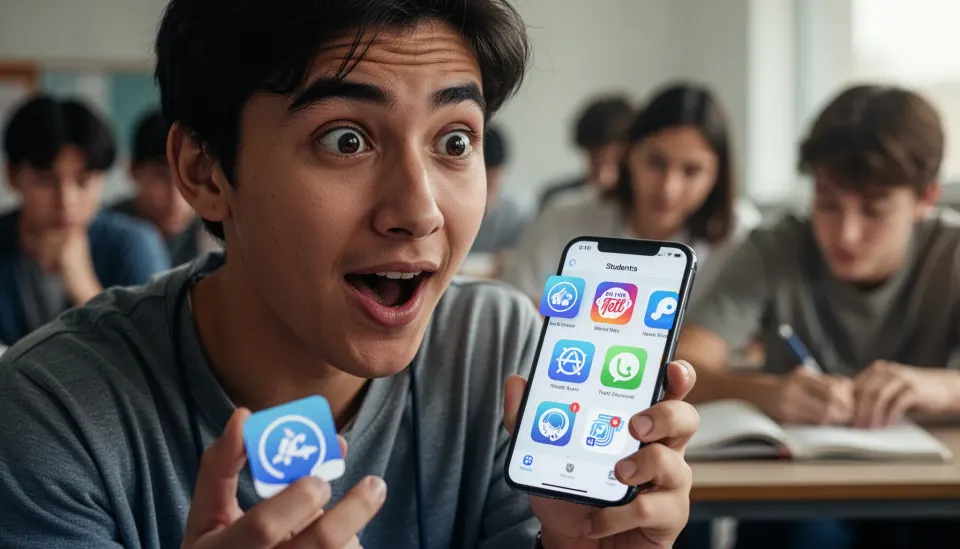
The short answer: the best student discount verification alternatives are services like SheerID, UNiDAYS, Student Beans, and direct institution-based checks. These tools confirm student status through enrollment records, school-issued credentials, or approved documents instead of leaning on some random .edu inbox. That's not a small difference. We think merchants should stop treating a college email as real proof, because alumni, employees, and bad actors can all end up with similar addresses. SheerID is common with brands that want direct eligibility checks, while UNiDAYS and Student Beans often add a shopper-facing offer hub too. Apple is a useful example here; for years, its education pricing in many markets has tied access to actual eligibility rules rather than blind faith in an email domain. And from a fraud-prevention angle, tougher verification also protects legitimate students when abuse spikes and brands start pulling offers. Worth noting.
How to get student discounts legally without buying edu emails

The direct fix is simple: rely on approved verification services, your school's enrollment documents, or merchant-supported academic programs. Many retailers accept checks through UNiDAYS or SheerID, while others will review a current student ID, tuition record, or class schedule. Much safer. We'd argue the appeal of buying .edu emails rests on a bogus shortcut, because merchants now cross-check identity, enrollment status, device patterns, and prior abuse signals. The U.S. Federal Trade Commission has repeatedly warned consumers about identity misuse and deceptive online offers, and those warnings fit this situation more closely than many buyers think. Adobe and Microsoft make the point in plain terms, since academic software licensing commonly ties discounts to verified status rather than email alone. So if you want the discount to last, legal verification makes the difference every time. Here's the thing.
SheerID vs UNiDAYS student verification: which works better?

The direct answer is that SheerID vs UNiDAYS student verification usually comes down to verification method, merchant goals, and the user's experience. SheerID often puts more weight on direct eligibility checks through authoritative data sources and document review, which enterprise merchants tend to like for compliance and tighter control. UNiDAYS, by contrast, is widely known for a broad student-offer ecosystem and a familiar sign-up flow. Both can work. But we'd argue merchants choosing between them should care less about name recognition and more about false positives, regional coverage, support for nontraditional students, and checkout friction. Picture a global retailer selling in the U.S. and U.K.; differences in student records and buying habits can make one provider a better fit than the other. And the right answer for a merchant may not suit a student at all, so comparisons should start with use case, not hype. That's a bigger shift than it sounds.
What are the risks of buying edu emails for student offers?
The direct answer is that the risks of buying edu emails include fraud exposure, account bans, payment disputes, and possible identity misuse. Merchants can revoke discounts, suspend accounts, or block future purchases when verification details don't match enrollment records. That's the obvious part. The less obvious problem is that many marketplaces selling access to school domains sit in a gray zone, or an openly deceptive one, which means buyers may hand payment details to unreliable operators. We think this is one of those internet schemes that looks cheap right up until it gets expensive. Streaming and software promotions offer a concrete example, because they often require re-verification later; once that happens, a purchased address usually falls apart as proof and the account gets flagged. And if a platform decides the behavior looks like credential fraud, you're no longer dealing with a minor coupon issue. Not quite. Worth noting.
Step-by-Step Guide
Check the merchant's official verification path
Go to the brand's own student discount page and see which verification methods it accepts. Many list UNiDAYS, SheerID, Student Beans, or document upload options directly. Start there. Third-party shortcuts create most of the risk.
Use a recognized student verification service
Create an account with the provider the merchant supports and complete the eligibility check honestly. You may need a school login, enrollment status, or identity document. That's normal. Verified access is meant to prove current status, not just email possession.
Gather current enrollment proof
Keep a recent class schedule, tuition receipt, student ID, or registrar letter ready in case automated checks fail. Nontraditional students often need this step. It isn't unusual. Merchants know school data can be messy.
Compare provider acceptance before signing up
If you shop across many brands, see whether those merchants tend to use SheerID, UNiDAYS, or another platform. This saves time and reduces duplicated account setup. Convenience matters. But legality and accuracy matter more.
Read offer terms carefully
Check whether the discount applies to new customers only, specific products, or one purchase per year. Many student deals carry renewal or re-verification rules. Those details matter later. Plenty of disputes come from skipped fine print, not bad intent.
Avoid marketplaces selling edu emails
Skip any site or contact promising instant .edu addresses for discounts. Those offers often involve account abuse, stolen access, or fake credentials. The risk isn't theoretical. A cheap shortcut can trigger bans, chargebacks, or identity headaches fast.
Key Statistics
- SheerID says it works with hundreds of brands globally to verify eligibility for gated offers and services.That scale matters because it shows merchants increasingly prefer formal eligibility systems over basic email checks.
- UNiDAYS has built a large student membership base across major consumer markets, making it one of the most recognized offer platforms in the segment.Its reach helps explain why many students encounter UNiDAYS first when looking for verified discounts.
- The FTC continues to warn consumers about deceptive online schemes and credential-related fraud, especially where identity or account misuse is involved.That guidance fits the .edu email resale market, where buyers often deal with untrusted sellers and dubious claims.
- Many major software and retail student programs now require direct verification or periodic re-validation instead of trusting school email alone.This shift means a purchased .edu address is less useful than it once may have seemed, even for short-term access.
Frequently Asked Questions
What are student discount verification alternatives to a .edu email?
How can I get student discounts legally if I don't have a college email?
Why is buying edu emails risky?
What is the difference between SheerID and UNiDAYS?
When do merchants re-verify student status?
Key Takeaways
- Buying edu emails is risky, often fraudulent, and easy for merchants to flag.
- Student discount verification alternatives give students legal access to real offers.
- SheerID vs UNiDAYS depends on merchant needs, geography, and onboarding flow.
- Merchants should verify status instead of trusting a college email alone.
- Students can get discounts legally through verified programs and school records.