
⚡ Quick Answer
A UFC fight prediction model can produce useful forecasts when it combines historical fight data, division-specific patterns, and explainable AI outputs. The most credible projects don't just predict winners; they show which features pushed the prediction and where the model can fail.
This UFC fight prediction model stands out for one reason more than any other: it doesn't just name a winner. It tries to say why. That's a bigger shift than it sounds. In sports analytics, black-box picks look clever right up until they whiff on three bouts straight. Then people bail. Here, the builder reports about 71.6% accuracy and adjusts the algorithm around how different divisions actually fight. That's not trivial. We'd call that the kind of practical choice that separates a toy demo from a project with real teeth.
What makes a UFC fight prediction model credible?

A credible UFC fight prediction model begins with disciplined data, clean validation, and features that match how fights are truly won. That's the floor. Too many sports projects toss records, age, and height into a classifier and then act shocked when the model latches onto flimsy signals. MMA doesn't behave that neatly. Style matchups, pace, reach, takedown defense, and opponent quality all push and pull on each other. The reported 71.6% accuracy here is strong enough to draw attention, especially for a personal build, but we'd still want the split strategy, class balance, and proof that the test set mirrors newer bouts. Worth noting. UFC Stats supplies much of the raw fight data people reach for, but those numbers can send you in the wrong direction if they miss era shifts or late replacements. If the app accounts for those wrinkles, this ufc fight prediction model deserves more than a quick glance.
Why AI predicts UFC fights better when it understands divisions
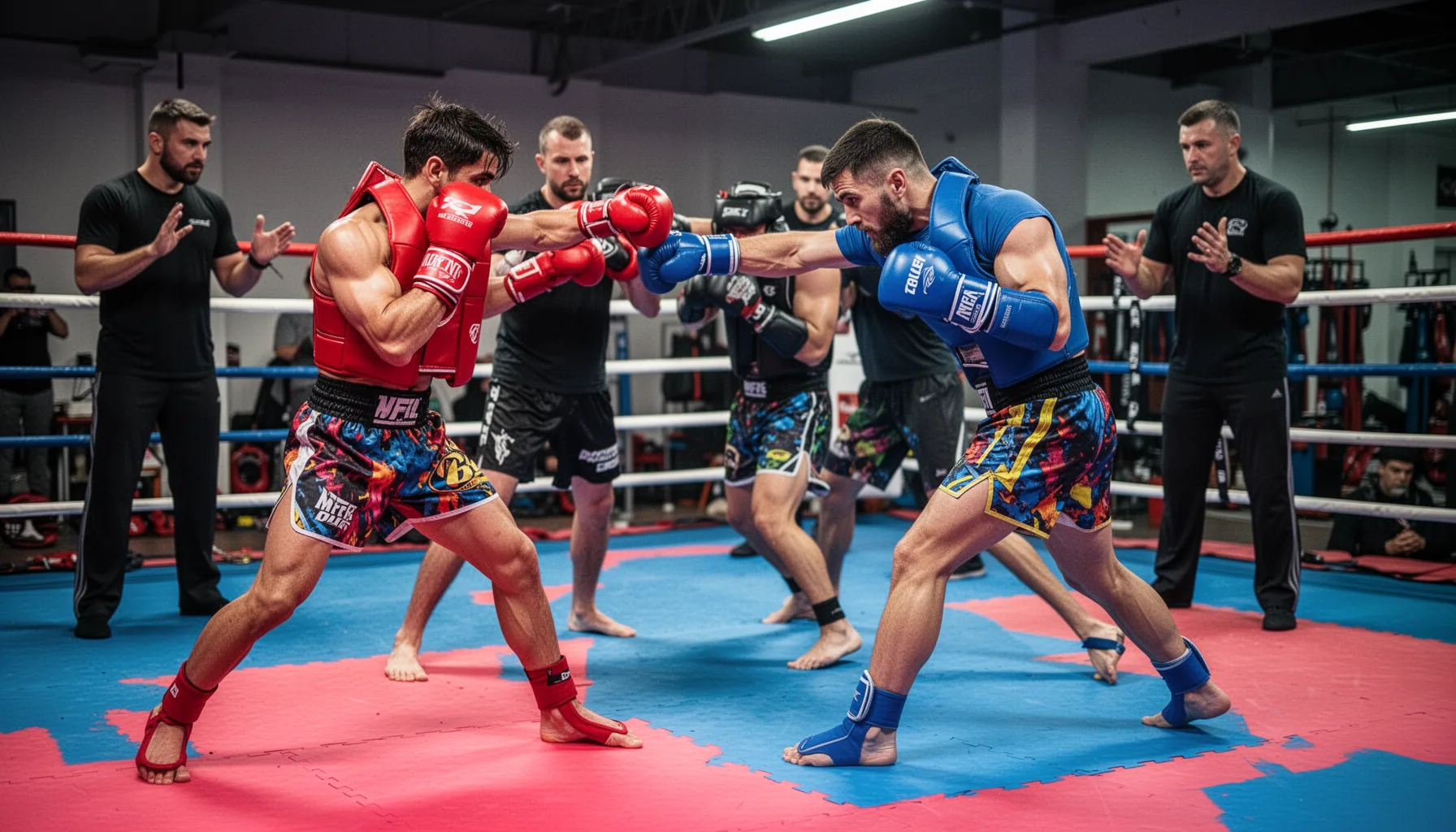
AI predicts UFC fights better when it accounts for divisions, because heavyweight, lightweight, and women's strawweight bouts run on different rhythms with measurable differences. That's just common sense. But plenty of hobby models skip that step anyway. Heavyweights bring more volatility and a higher chance of finishes, while lighter divisions often produce longer exchanges with denser striking volume data. So one global model can wash out useful signals. The project summary says the algorithm was adjusted to reflect each division's dominant fighting habits, and that's the right call. We'd argue that's worth watching. A concrete example: Merab Dvalishvili's pressure wrestling creates a wildly different statistical footprint from Alex Pereira's striking-first danger. When a model respects that gap, the predictions tend to feel more believable. And the explanations stop sounding canned.
How explainable AI for fight predictions changes the product
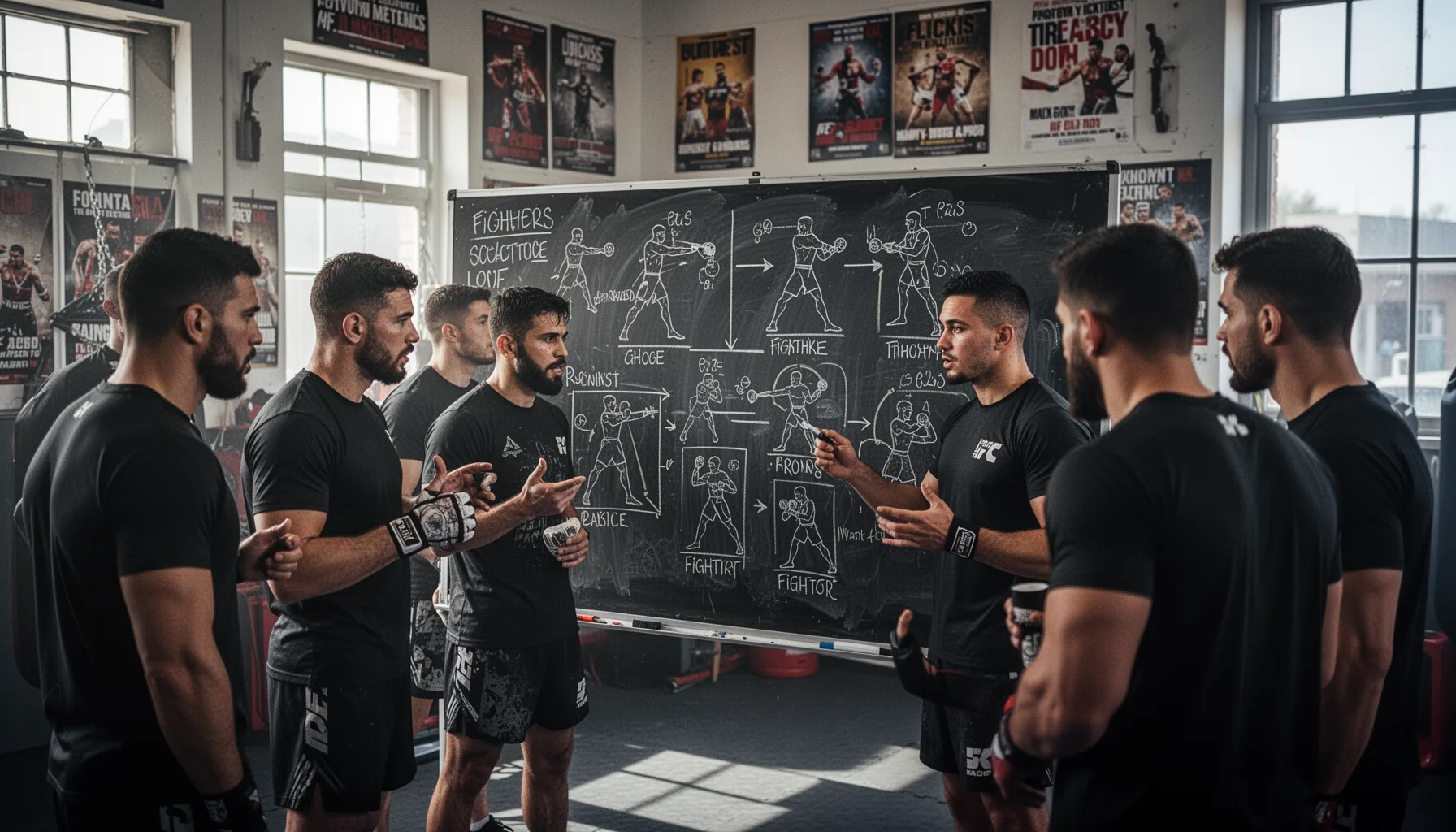
Explainable AI for fight predictions changes the product because it turns a win probability into an argument a user can actually inspect. That's what brings people back. A lone probability doesn't say whether the model leaned on reach, recent striking differential, takedown control, age curve, or strength of schedule. Explainability tools like SHAP, feature importance rankings, or local contribution plots can point to the variables that pushed a specific pick. Simple enough. We'd argue this matters even more in combat sports than in major team sports, because casual fans don't trust models that blow past matchup context. Imagine the app picks Islam Makhachev over an opponent and then points to control-time trends, submission threat, and the opponent's takedown defense under pressure. That won't make the forecast infallible. But it does make the model legible, and legibility is half the product. Worth noting.
How to build a sports prediction model without fooling yourself

To build a sports prediction model without fooling yourself, you need to treat validation with the same seriousness as feature engineering. Here's the hard part. Sports data leaks all over the place through ranking updates, post-fight metrics, and records that quietly bake in future outcomes. A sound machine learning for MMA predictions workflow should rely on time-based splits, stable preprocessing, and retraining windows that mirror real deployment. The best builders also test simple baselines like logistic regression against heavier models such as XGBoost or random forests. If the fancy model barely edges out the baseline, that extra complexity probably isn't doing much. Not quite enough, anyway. This project stands out because it pairs prediction with explanation, and that combo usually points to better habits than pure accuracy chasing. That's a bigger shift than it sounds.
Step-by-Step Guide
- 1
Collect fight data carefully
Pull structured data from trustworthy sources such as UFC Stats, Kaggle fight datasets, or your own scraped archive with clear versioning. Keep fighter-level and bout-level records separate so you don't accidentally duplicate context. And remove fields that reveal future outcomes, even indirectly.
- 2
Engineer matchup-specific features
Create features that compare the two fighters rather than only storing each profile in isolation. Reach difference, age gap, recent striking differential, takedown success, and finish rate often carry more signal than raw totals. Because divisions matter, add weight-class-aware features or separate model paths.
- 3
Split data by time
Train on older fights and test on newer ones so the model faces conditions closer to real forecasting. Random splits often inflate performance because the distribution leaks across eras and fighter careers. This one choice can save you from publishing fantasy accuracy.
- 4
Train simple baselines first
Start with logistic regression or a shallow tree model before moving to XGBoost, LightGBM, or ensembles. Baselines tell you whether your features carry real signal or whether the fancy model is just memorizing quirks. If the baseline performs well, your pipeline is probably on the right track.
- 5
Add explainability outputs
Use SHAP values, permutation importance, or local explanations for each prediction in the app. Show users the top drivers behind a pick instead of only the win percentage. That makes the product more honest and more useful.
- 6
Monitor drift after every event
Track performance by division, card type, and recency after each UFC event. Fighters change camps, age suddenly, and take short-notice fights, so the data distribution moves fast. Retrain often and audit features that stop pulling their weight.
Key Statistics
Frequently Asked Questions
Key Takeaways
- ✓A UFC fight prediction model only becomes useful when the data pipeline stays disciplined.
- ✓71.6% accuracy is impressive, but the surrounding context and validation matter a great deal.
- ✓Division-specific tuning makes sense because heavyweight fights don't behave like flyweight bouts.
- ✓Explainable AI turns a fun predictor into a tool people can actually inspect.
- ✓Sports models drift quickly, so retraining and feature reviews aren't optional.