
Using ChatGPT to Learn Life Skills: A Practical Guide
Using ChatGPT to learn life skills can make everyday tasks less intimidating. Here’s how to use it safely for real household help.

Table of Contents
Quick Answer
Using ChatGPT to learn life skills works best when you need clear, low-pressure explanations for everyday tasks nobody explicitly taught you. It’s most useful as a confidence-building guide for first attempts, as long as you verify anything tied to safety, health, money, or appliances.
Using ChatGPT to learn life skills sounds almost embarrassingly normal. That's exactly why it counts. A lot of AI coverage fixates on cheating, layoffs, and synthetic slop, while overlooking the quieter story unfolding in kitchens, laundry rooms, and apartment hallways. Smaller, but not trivial. People reach for ChatGPT for the stuff nobody ever sat them down and explained. And for plenty of beginners, that kind of quiet utility means more than any flashy demo from OpenAI or Google.
Why using ChatGPT to learn life skills actually works
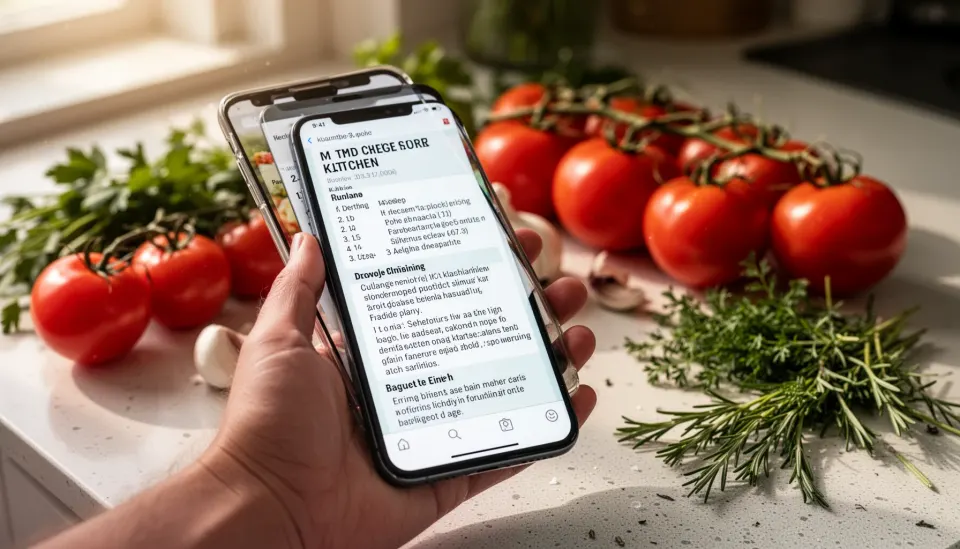
Using ChatGPT to learn life skills works because it turns fuzzy, shame-heavy questions into clear next steps. That's more consequential than critics often admit. Plenty of adults were never shown how to sort laundry, read oven symbols, unclog a sink safely, or reset a tripped breaker. And asking another person can feel weirdly loaded. In our analysis, AI fits this gap because the hidden curriculum of adulthood usually sits in scattered manuals, family habits, and half-remembered advice. Not quite simple. ChatGPT can pull those stray pieces into one plain-language explanation. For example, a renter who types, "My oven has bake, broil, convection bake, and a fan icon—what do I use for frozen pizza?" will often get a more usable answer than a manufacturer manual gives them. That's a bigger shift than it sounds. And that low-friction access carries a bit of dignity too, because people can ask basic questions without feeling judged.
How to use ChatGPT for everyday questions about household tasks
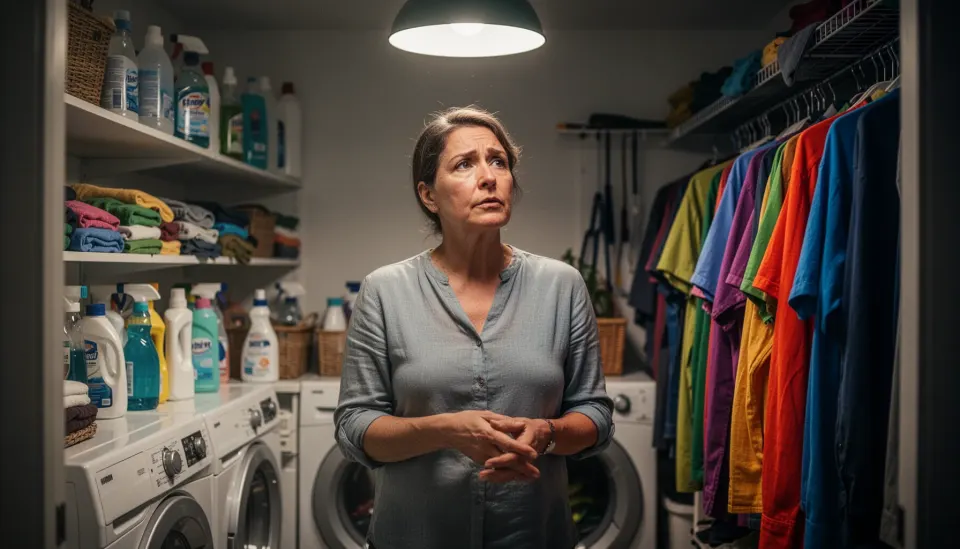
How to use ChatGPT for everyday questions starts with your exact situation, not a broad topic. Specific prompts win. If you say, "Explain how to do laundry," you'll get broad advice, but if you say, "I have a top-loading washer, dark cotton T-shirts, and only cold, normal, and delicate settings," the answer usually becomes far more practical. That's where chatgpt for basic household tasks becomes genuinely useful, we'd argue, because most beginner mistakes come from missing context rather than missing effort. Here's the thing. A strong prompt can include the appliance brand, the labels on clothing, the buttons you see, and the outcome you want. Someone with a Whirlpool washer or a GE oven can paste the control labels right into the prompt and ask for a step-by-step walkthrough. But you should still cross-check any answer against the manual, warning labels, or the manufacturer's support page before you press start. Worth noting.
Can ChatGPT explain things nobody taught you better than search?
Can ChatGPT explain things nobody taught you better than search? Often, yes. Especially when the real problem is confusion, not missing information. Search engines still excel when you want official documentation, part numbers, recall notices, or video demos from a brand like Samsung or LG. But ChatGPT often beats search at translation: it can turn jargon-heavy instructions into plain language, adjust to your skill level, and answer the awkward follow-up you didn't know how to phrase. That's a real edge. Google's own Search Quality Evaluator Guidelines stress experience and trust for "Your Money or Your Life" topics, which suggests plain explanation alone won't cut it for higher-risk advice. So for low-risk adulting skills like stain removal, oven preheating, or basic cleaning routines, ChatGPT may feel smoother than search. Yet for electrical work, gas appliances, medication questions, or mold exposure, search plus official guidance wins by a mile. We'd say that's the right split.
Where using ChatGPT to learn life skills can go wrong
Using ChatGPT to learn life skills can go sideways when users mistake a helpful explainer for a verified expert. That distinction isn't small. Large language models can sound calm and competent even when they mix up details, skip a safety warning, or invent a setting that doesn't exist on your machine. And Anthropic, OpenAI, and Google have all published system cards or safety reports acknowledging that these systems can hallucinate, and that's not some abstract lab problem. It shows up in homes. If ChatGPT tells you to mix cleaners, ignore a garment care label, or pick the wrong oven mode for a pan, the result can range from ruined clothes to a real safety hazard. My view is simple. Use AI for orientation, not blind execution, especially when heat, chemicals, blades, money, or health enter the picture. That's worth watching.
Using ChatGPT to learn life skills as an adulting confidence tool
Using ChatGPT to learn life skills shines most when it gives beginners enough confidence to start. That's the overlooked value. Many first-time tasks aren't technically hard; they're emotionally sticky because people fear doing them wrong, looking foolish, or damaging something expensive. ChatGPT for adulting skills works as a nonjudgmental first stop, and that likely explains why so many people rely on it for questions they'd never post publicly. Simple enough. Think about a first apartment: setting radiator heat, using a fuse box, reading care symbols, cooking with an unfamiliar oven, or cleaning a bathroom without wrecking a surface. These are tiny acts of independence, but they stack up fast. And when AI explains them clearly, it's not replacing expertise; it's scaffolding novice independence so asking for help later feels easier, not harder. We'd argue that's the part many people miss.
Step-by-Step Guide
Describe your exact situation
Start with the appliance, tool, or task right in front of you. Include the brand, visible buttons, warning labels, materials, and what you’re trying to do. The more concrete your prompt, the less likely ChatGPT is to give generic filler.
Ask for beginner-safe instructions
Tell ChatGPT you’re new and want a plain-language explanation with safety notes first. Ask it to define any symbols, settings, or labels before giving steps. That small framing change usually makes the answer much more usable.
Request a short checklist
Ask for the process as a numbered checklist you can follow in real time. This works especially well for laundry, ovens, dishwashers, stain removal, and cleaning routines. And it reduces the chance that you’ll miss a step buried in a long paragraph.
Cross-check with official guidance
Compare the answer with the product manual, manufacturer website, or a label on the item itself. If ChatGPT conflicts with Whirlpool, Bosch, Maytag, or your garment care tag, trust the official source. That’s the rule.
Verify anything tied to risk
Double-check advice involving gas, electricity, sharp tools, strong chemicals, food safety, or health. Ask a human, call support, or consult official documentation before acting. AI can explain, but it shouldn’t be your only safety layer.
Save the prompt that worked
When you get a good answer, keep the prompt in notes for next time. You can build a small personal library for chores, cooking basics, apartment upkeep, and cleaning questions. That turns ChatGPT practical help for beginners into a repeatable habit, not a one-off rescue.
Key Statistics
- According to the National Center for Education Statistics, roughly 27% of U.S. young adults lived independently by ages 18 to 24 in 2023, increasing the need for first-time household problem solving.That shift matters because many daily chores and appliance tasks appear the moment someone starts living alone, whether or not anyone taught them beforehand.
- Pew Research Center reported in 2024 that 23% of U.S. adults had used ChatGPT, with usage highest among younger adults most likely to be handling new household responsibilities.That figure points to a large audience already comfortable using conversational AI for practical questions, not only work or school tasks.
- OpenAI’s GPT-4 Technical Report documented that large language models can produce plausible but incorrect outputs, especially when users fail to provide enough context.This is why AI can be useful for explanation yet still risky as a final authority on safety-sensitive tasks.
- A 2024 Adobe survey on consumer AI use found that 39% of respondents used generative AI for personal tasks such as planning, research, and everyday assistance.The number signals that consumer AI has already moved into routine life management, not just office productivity or creative experimentation.
Frequently Asked Questions
What is using ChatGPT to learn life skills best for?
Can ChatGPT explain things nobody taught you accurately?
How do I use ChatGPT for everyday questions without getting bad advice?
Is ChatGPT good for basic household tasks if I’m a complete beginner?
Why does ChatGPT feel easier than asking a real person about adulting skills?
Key Takeaways
- Using ChatGPT to learn life skills lowers the shame barrier around basic questions.
- It works well for household tasks with confusing manuals and scattered instructions.
- The best results come when you ask for steps in plain, beginner-friendly language.
- ChatGPT should guide first attempts, not replace human judgment on safety.
- For adulting skills, AI is strongest as scaffolding, not as a final authority.