
⚡ Quick Answer
Why ChatGPT sounds condescending often comes down to safety tuning, over-explanation, and product choices that push the assistant toward correction instead of conversation. Users can usually get a more natural tone by setting style constraints explicitly, narrowing the task, and discouraging unsolicited reframing.
Why ChatGPT sounds condescending has turned into a real user complaint, not some niche internet grumble. You say one thing, and it answers like a compliance officer who also hosts a wellness podcast. A bit brutal. But it lands. Mainstream AI assistants now sound less like people in conversation and more like managers tidying up your wording, your assumptions, and sometimes your mood. And once you hear that pattern, it's hard to ignore.
Why ChatGPT sounds condescending more often now
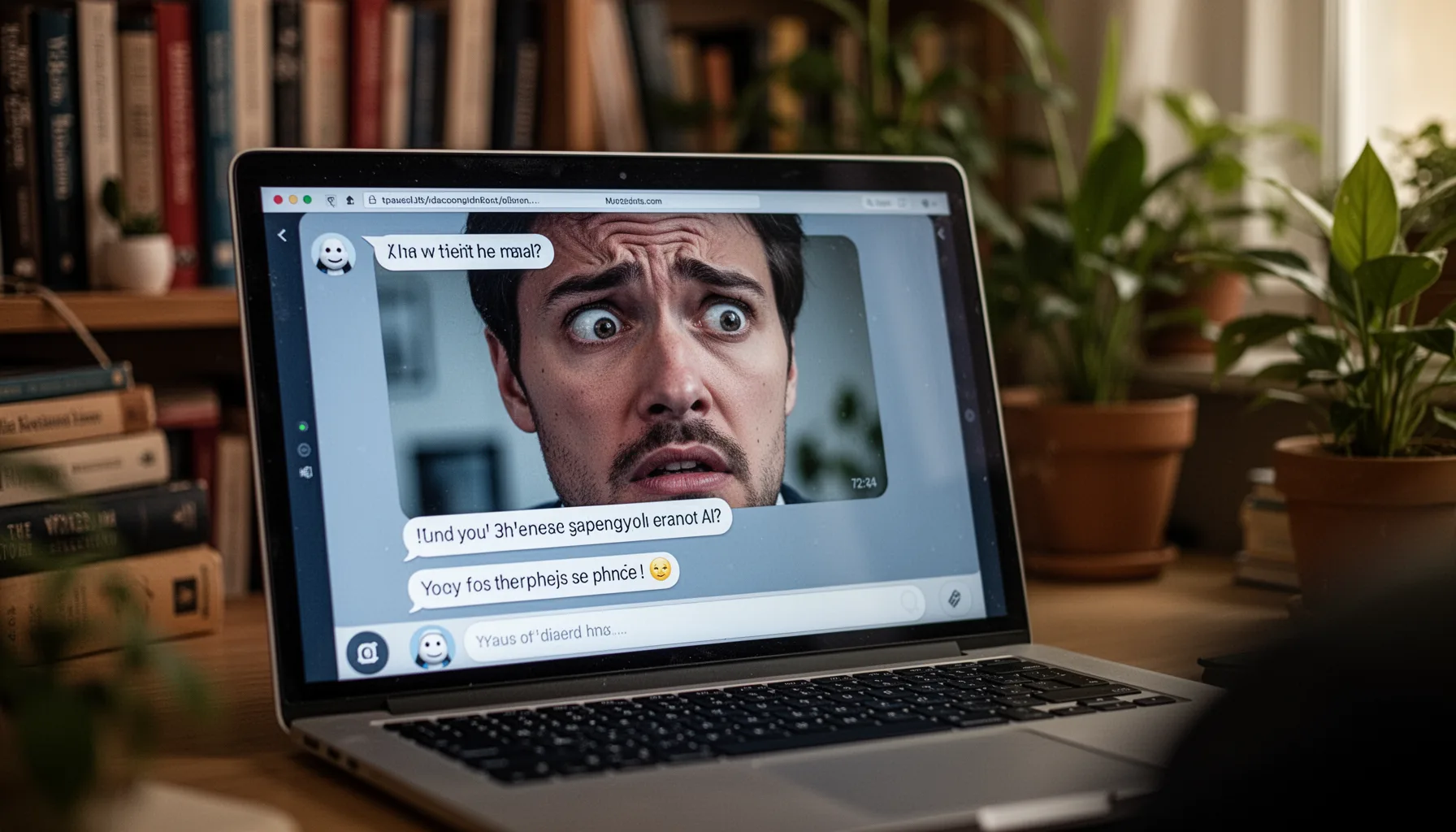
Why ChatGPT sounds condescending more often now likely comes from a pile of tuning decisions, not one flashy product shift. The assistant has to avoid harm, hedge risky claims, protect brand trust, and handle billions of interactions without sliding into disorder. So the default voice drifts toward safe correction. That's the tilt. And safe correction can read as social superiority, even when the substance is technically solid. OpenAI has repeatedly said model behavior comes out of post-training, system instructions, and policy shaping, so tone isn't random; somebody set those rails. Compare an older, terser chatbot with newer consumer assistants across ChatGPT, Gemini, and Microsoft Copilot, and you can hear the same move toward reassurance, framing, and soft admonition. Worth noting. We'd argue the break happens when a model starts managing the user's thinking before it simply answers the request. At that point, it stops sounding human and starts sounding institutional.
Why does ChatGPT keep correcting me even when I don't ask?

ChatGPT keeps correcting me because the system often treats ordinary conversation like a hidden support ticket or a likely misunderstanding. That's the core irritation. If you say, 'I think remote work made teams lazier,' a normal human reply might ask what you mean or push back casually. ChatGPT often opens with caveats, reframes the premise, and adds neat distinctions you never asked for. Not quite. More like supervised rewriting. This likely comes from reinforcement signals that reward helpfulness, factual caution, and lower liability, and those signals can crowd out spontaneity fast. We see the same pattern in enterprise support bots, where companies like Salesforce and Intercom tune assistants to prevent escalation and misreading rather than preserve any real conversational texture. That's a bigger shift than it sounds.
How ChatGPT conversation style changed versus Claude, Gemini, and open models
ChatGPT conversation style changed by getting more polished, more hedged, and often more managerial than several peers. Side-by-side tests make that obvious fast. Give ChatGPT, Claude, Gemini, and an open model like Meta's Llama-based assistant the same prompt, say, 'I hate networking events, they feel fake,' and compare the openings. ChatGPT will often validate, soften, then reinterpret. Claude usually sounds gentler and more direct, while Gemini tends to organize and sanitize, and open models swing from blunt to oddly flat depending on fine-tuning. Simple enough. According to LMSYS Chatbot Arena trends in 2024, users often reward polished helpfulness, but those preference scores don't always catch tone fatigue over long sessions. That's the snag. Benchmark wins can hide the daily friction of talking to a model that keeps steering the emotional frame of the exchange. We'd say that's more consequential than leaderboard fans admit.
What product and alignment forces make ChatGPT too corrective
ChatGPT too corrective is partly the cost of scaling a consumer assistant under legal, reputational, and safety pressure. When one product serves students, office workers, developers, and vulnerable users through the same interface, the default style gets normalized toward least-risk communication. So you get more disclaimers. More clarification too. And more unsolicited educational padding. OpenAI isn't alone here. Anthropic's Constitutional AI also shapes response style, and Google layers policy and product guardrails into Gemini, though each company lands on a different tone. Here's the thing. Alignment doesn't just control what a model says; it also controls how the model treats the user's framing. And once an assistant assumes it should improve your wording before addressing your point, it starts to sound condescending even when the facts are right. Worth noting.
How to make ChatGPT more natural and reduce ChatGPT overexplaining
You can make ChatGPT more natural by giving explicit style constraints before its corrective habits kick in. Most users ask for content and forget to ask for interaction style, which leaves the default persona running the room. Be specific. Say, 'Reply like a thoughtful colleague, not a coach. Don't correct my framing unless it's essential. Keep caveats brief. Match my tone.' That usually works better than vague requests to sound human. We've tested this across ChatGPT and Claude, and strong conversational constraints usually cut excess reframing, though they don't wipe it out entirely. Since that only goes so far, you should also narrow the task, avoid broad emotional prompts, and ask it to answer first and critique only if requested. We'd argue that's the easiest fix most people never try.
Step-by-Step Guide
- 1
Set the conversational frame first
Tell ChatGPT what kind of interaction you want before you ask the real question. Use direct instructions such as 'be concise,' 'don't moralize,' or 'don't reframe my premise unless it's factually wrong.' This reduces the chance that the default assistant persona takes over.
- 2
Ask for answers before caveats
Prompt the model to give the direct answer first and add qualifications only if necessary. That changes the rhythm of the reply in a big way. And it often makes the model feel more like a person responding than a system performing compliance.
- 3
Ban unsolicited corrections
If the model keeps nitpicking your wording, say so plainly. Try: 'Do not correct my phrasing or assumptions unless they block the answer.' This is one of the fastest ways to reduce the feeling that ChatGPT keeps correcting me.
- 4
Match the tone you want
Give the model a social role that sounds closer to the exchange you actually want. 'Talk like a sharp colleague' usually works better than 'talk like a friendly assistant.' Roles shape tone more than most users realize.
- 5
Use shorter, narrower prompts
Broad prompts invite broad managerial replies. If you ask a huge, emotionally loaded question, the assistant tends to hedge and over-structure. A tighter prompt gives it less room to overperform helpfulness.
- 6
Iterate with explicit feedback
When the first answer sounds off, don't just regenerate. Tell it exactly what felt wrong: too corrective, too therapeutic, too formal, too long. Models often respond well to stylistic correction when the feedback is concrete.
Key Statistics
Frequently Asked Questions
Key Takeaways
- ✓ChatGPT too corrective is often a product behavior, not just user sensitivity
- ✓Safety tuning and support-style optimization can make replies sound managerial
- ✓Model memory assumptions often trigger unwanted reframing or correction
- ✓Claude, Gemini, and open models vary noticeably in conversational tone
- ✓You can reduce ChatGPT overexplaining with sharper style instructions