
AI voice agent blueprint for home services that works
AI voice agent blueprint for home services built for HVAC, plumbing, and dispatch reality—not hype or empty agency promises.

Table of Contents
Quick Answer
The AI voice agent blueprint for home services works only when it mirrors real call flows, books jobs after hours, and connects cleanly to CRM and dispatch systems. The viral “AI guy” model is wrong because contractors don't buy demos or personal brands—they buy booked jobs, fewer missed calls, and cleaner operations.
The AI voice agent blueprint for home services keeps getting drowned out by social-media chatter. That's the issue. A viral clip can make AI call handling look almost effortless. Real HVAC, plumbing, and electrical shops don't operate inside highlight reels. They deal with missed calls, emergency jobs, dispatch snarls, and wild seasonal swings. And if an AI system can't hold up inside that chaos, it isn't a business tool.
Why the viral AI agency model is wrong for home services

The viral AI agency model misses the mark because home services buyers care about operational fit, not internet charisma. Most of the hype sells the same old fantasy: copy a polished demo, pitch every local business, and promise an AI receptionist by Friday. Fine for content. Not for contractors. ServiceTitan, Housecall Pro, and Jobber users need systems that can read job types, route urgent calls, capture addresses, and trigger follow-up workflows without derailing dispatch. According to BrightLocal's 2024 Local Consumer Review Survey, 49% of consumers prefer to call local businesses directly. That makes phone handling a revenue lane, not some side feature. We'd argue the personal-brand “AI guy” pitch falls apart because it treats call answering like a novelty. Owners see it as front-desk labor and booked revenue. A vertical-specific solution partner usually wins because they know a no-heat call in January isn't the same animal as a duct-cleaning quote request. That's a bigger shift than it sounds. Think of a Denver HVAC shop in a cold snap.
What does an AI voice agent blueprint for home services actually include?
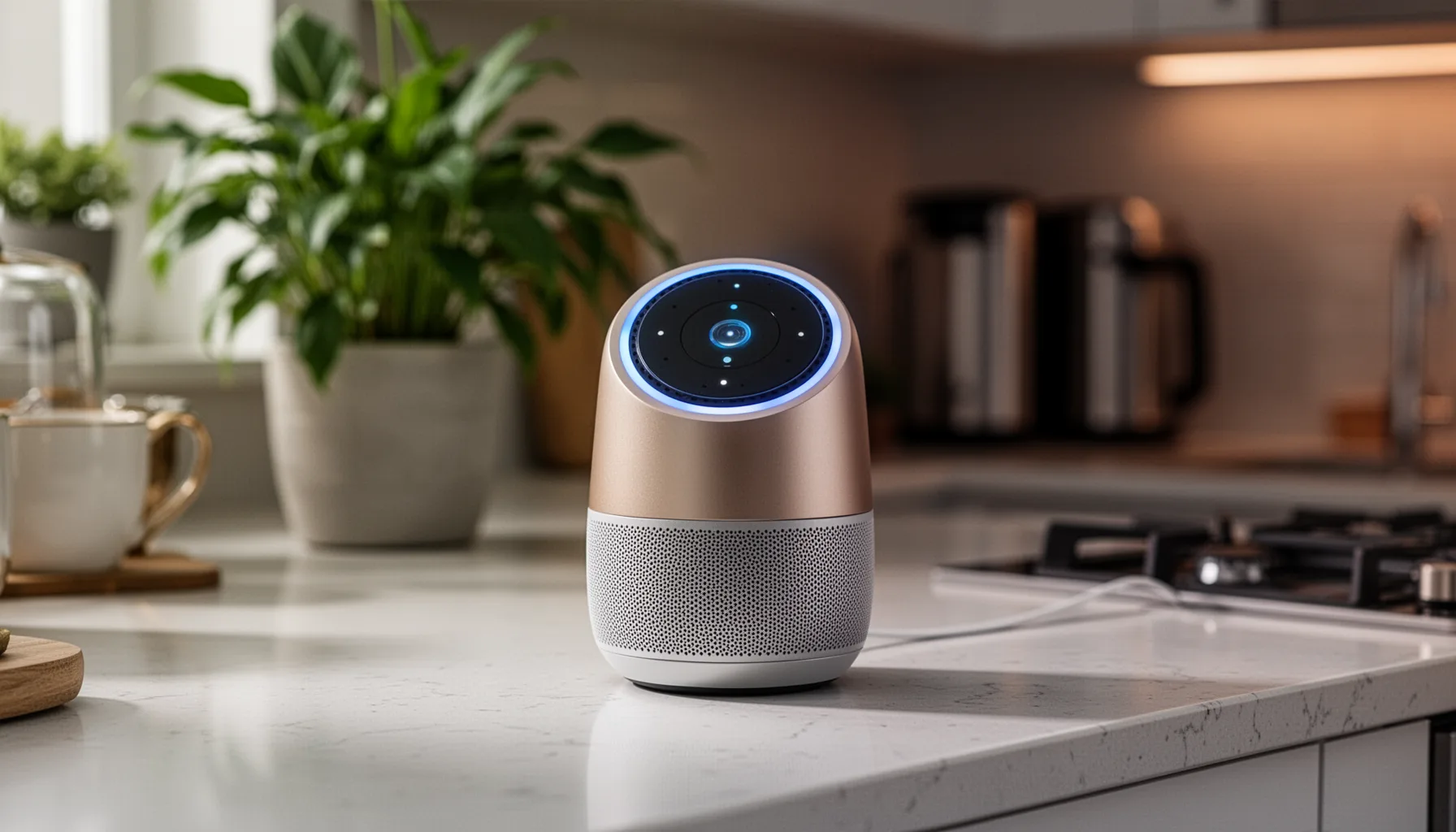
A real AI voice agent blueprint for home services needs call intake logic, after-hours booking, lead qualification, CRM sync, and dispatch-aware escalation. Here's the thing. A contractor doesn't need a bot that sounds clever. They need one that asks the right next question. For an HVAC shop, that means spotting emergency versus routine issues, checking service-area coverage, collecting equipment details, and pushing booked jobs into ServiceTitan or Housecall Pro with minimal human cleanup. For plumbers, the script has to catch high-intent situations like burst pipes, sewer backups, and water heater failures, then escalate based on urgency and technician availability. Gartner estimated in 2024 that conversational AI could cut routine customer-service labor volume by up to 30% in well-scoped workflows. Home services fits that pattern unusually well because so many calls follow repeatable paths. The best AI receptionist for HVAC companies isn't the one with the flashiest voice. It's the one that knows when to stop talking and transfer fast. Worth noting. A failed handoff does more damage than merely average voice quality ever will. Ask anyone who's handled an after-hours Bryant furnace call.
How should AI voice agents for plumbers and HVAC firms handle real call flows?
AI voice agents for plumbers and HVAC firms should follow strict workflow trees built around intent, urgency, geography, and booking eligibility. A no-cool call at 8 p.m. should take a different path than a request for a spring tune-up. Miss that split, and trust drops fast. We keep seeing vendors ignore basic constraints like zip-code coverage, existing-customer priority, membership status, and whether the caller wants same-day service or just an estimate. Not small details. A home services AI call answering system should also recover abandoned and missed calls with SMS follow-up. CallRail has long reported that local businesses lose a meaningful share of leads from unanswered phone traffic, especially after hours. A concrete example: a plumbing company using Jobber might want the AI to ask whether water is actively leaking, whether the main shutoff has been used, and whether the customer is a homeowner or tenant before it offers a booking window. That's a sharper application of AI lead qualification for local service businesses than a generic “How can I help?” script that dumps the work on the caller. We'd argue that's not trivial. And if the AI can't pronounce local street names or capture address details accurately, it probably isn't ready for production. Think Peachtree in Atlanta. Easy to botch.
What ROI math proves a home services AI call answering system works?
The ROI for a home services AI call answering system comes from missed-call recovery, booking conversion, lower admin load, and faster response speed. Most agencies talk about “automation” in the abstract. Contractors buy against a simpler baseline: how many inbound opportunities are getting lost today. Suppose an HVAC company misses 18% of 1,200 monthly calls during peak summer volume, and 35% of those recovered calls become booked jobs with an average gross profit of $240. The math turns persuasive in a hurry. Even after software, telephony, and setup costs, that workflow can beat a generic marketing campaign because it captures demand that's already knocking. According to Invoca's 2024 buyer-behavior reporting, phone leads often convert at materially higher rates than web leads in high-consideration service categories. That tracks with what dispatch-heavy operators already know. Our view is blunt. If a vendor can't model seasonality, no-answer rate, call-to-book rate, and average ticket economics, they don't have a blueprint. They have a pitch deck. Worth watching. A Phoenix AC company in July feels this immediately.
Why a vertical solution partner beats the “AI guy” blueprint
A vertical solution partner beats the “AI guy” blueprint because deployment in home services mostly comes down to edge cases, integrations, and accountability. But here's where the hype market still gets it wrong. A contractor doesn't want a freelancer who learned prompting on X last month. They want someone who understands call dispositions, dispatch boards, financing offers, maintenance plans, and weekend overflow routing. Companies like ServiceTitan have built entire ecosystems around field-service workflows, and any AI layer that ignores that operational gravity will create more rework than value. McKinsey's 2024 state-of-AI reporting found that organizations with domain-specific implementation plans report stronger value capture than firms chasing broad experiments. That maps neatly to local service trades. So the winning playbook isn't “be the loudest AI creator.” It's become the partner who can improve booking rate, cleanly tag leads, sync outcomes back to the CRM, and show the owner where margin improved. That's the real shift. The AI voice agent blueprint for home services works only when the tech fades into the workflow and the numbers start talking. We'd argue a Dallas electrical shop cares about that more than any demo reel.
Frequently Asked Questions
What is the best AI voice agent blueprint for home services?
Why is the viral AI agency model wrong for HVAC and plumbing companies?
How do AI voice agents for plumbers qualify leads?
What should the best AI receptionist for HVAC companies integrate with?
How do local service businesses measure AI call answering ROI?
Key Takeaways
- Generic AI agency playbooks miss the messy reality of contractor call handling.
- The best AI receptionist for HVAC companies must book, route, and recover missed calls.
- AI voice agents for plumbers need dispatch logic, urgency detection, and CRM sync.
- Unit economics matter more than demos: booking rate, recovery rate, and margin decide ROI.
- Vertical specialists beat personal-brand operators because home services runs on workflow detail.