
⚡ Quick Answer
Amazon cloud business surging capital spending reflects a simple reality: AWS demand, especially for AI workloads, is rising fast enough that Amazon is willing to spend heavily to expand capacity. Investors like the revenue momentum, but the bigger story is whether those investments translate into durable margins and AI leadership.
Amazon cloud business surging capital spending isn't a contradiction. It's the model. AWS is pulling in more money, AI infrastructure demand keeps climbing, and Amazon is reacting the way hyperscalers usually do when they sense a capacity squeeze: spend early, tune later. That can sound a little jarring on an earnings call. Still, in cloud, building too little often costs more than building too much. Worth noting.
Why is the amazon cloud business surging capital spending at the same time?

Amazon cloud business surging capital spending at the same time makes sense because AWS growth now rides on supply expansion, not only sales execution. That's the real story. Enterprises want more compute for foundation models, fine-tuning, inference, and data pipelines. Those jobs need pricey servers, networking gear, and power-hungry facilities. On recent earnings commentary, Amazon executives suggested AWS demand remains healthy while capital expenditure will stay elevated as the company adds infrastructure. Not quite a side note. And unlike older cloud growth cycles, the AI wave puts pressure on specialized assets such as Nvidia GPUs, custom silicon like Trainium, and data center designs built for liquid cooling. We'd argue investors should stop treating capex like background noise. For Amazon, capex now acts as a forward indicator of how hard it plans to defend AWS against Microsoft Azure and Google Cloud over the next two to four years. That's a bigger shift than it sounds.
What does aws growth and amazon capex explained actually reveal about demand?
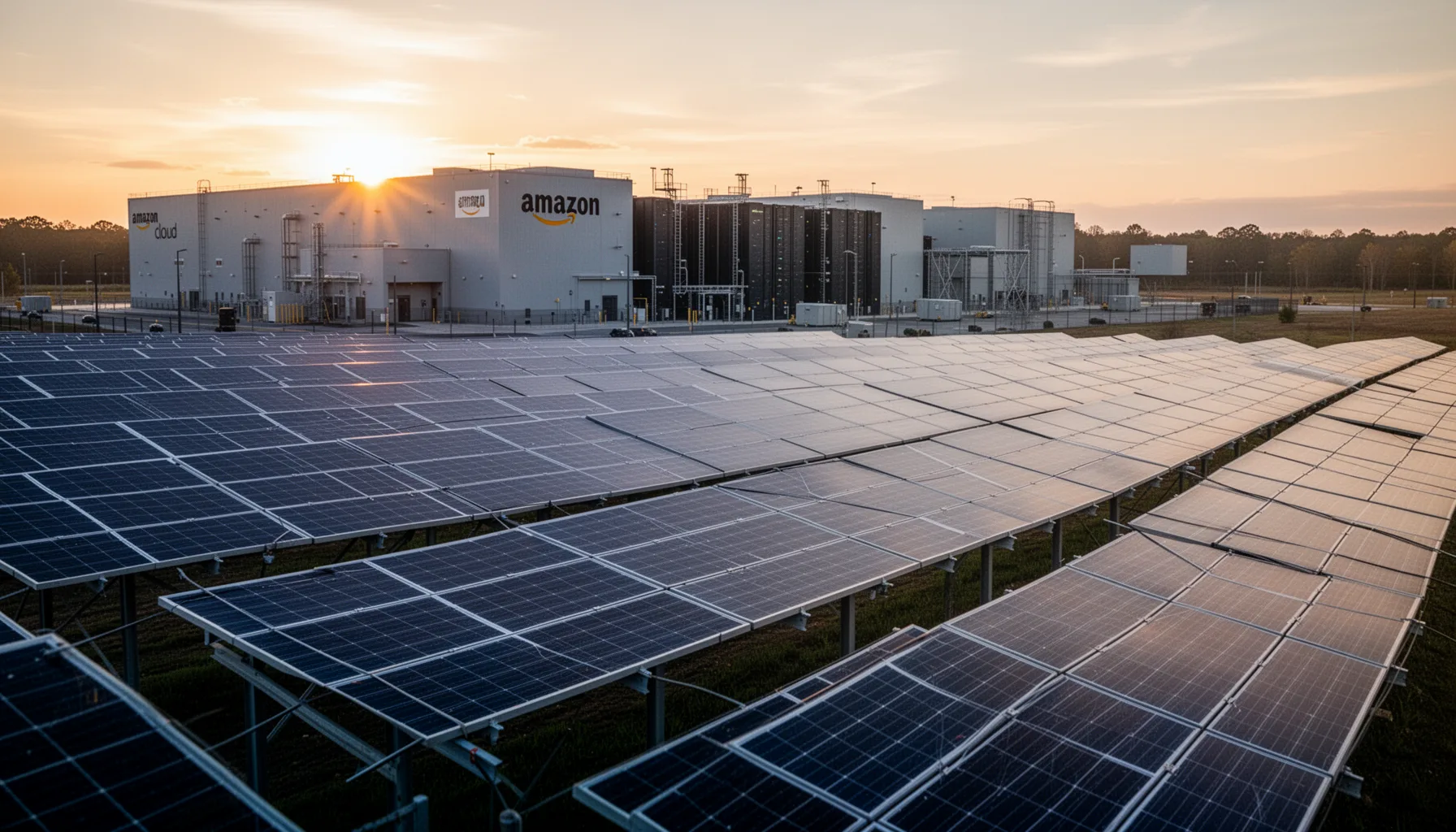
AWS growth and Amazon capex explained together point to demand broadening from classic cloud migration into AI-heavy workloads with tighter performance and availability needs. That's an expensive shift. Traditional compute and storage growth already called for large investments. But generative AI puts extra strain on every layer of the stack, from networking fabric to backup power to long-term chip supply agreements. CEO Andy Jassy has been unusually direct that Amazon sees strong demand and expects capital spending to remain high in the near term, which suggests customers aren't stopping after proof-of-concept work. They're moving into production. A concrete example is Amazon Bedrock, now one of AWS's centerpieces for enterprise generative AI adoption, and it naturally pulls more infrastructure demand behind it. Simple enough. So when the company spends more, it isn't just chasing vanity scale; it's trying to avoid a supply shortfall that could send customers to rivals. Worth watching.
Why is amazon spending more on data centers and AI infrastructure?
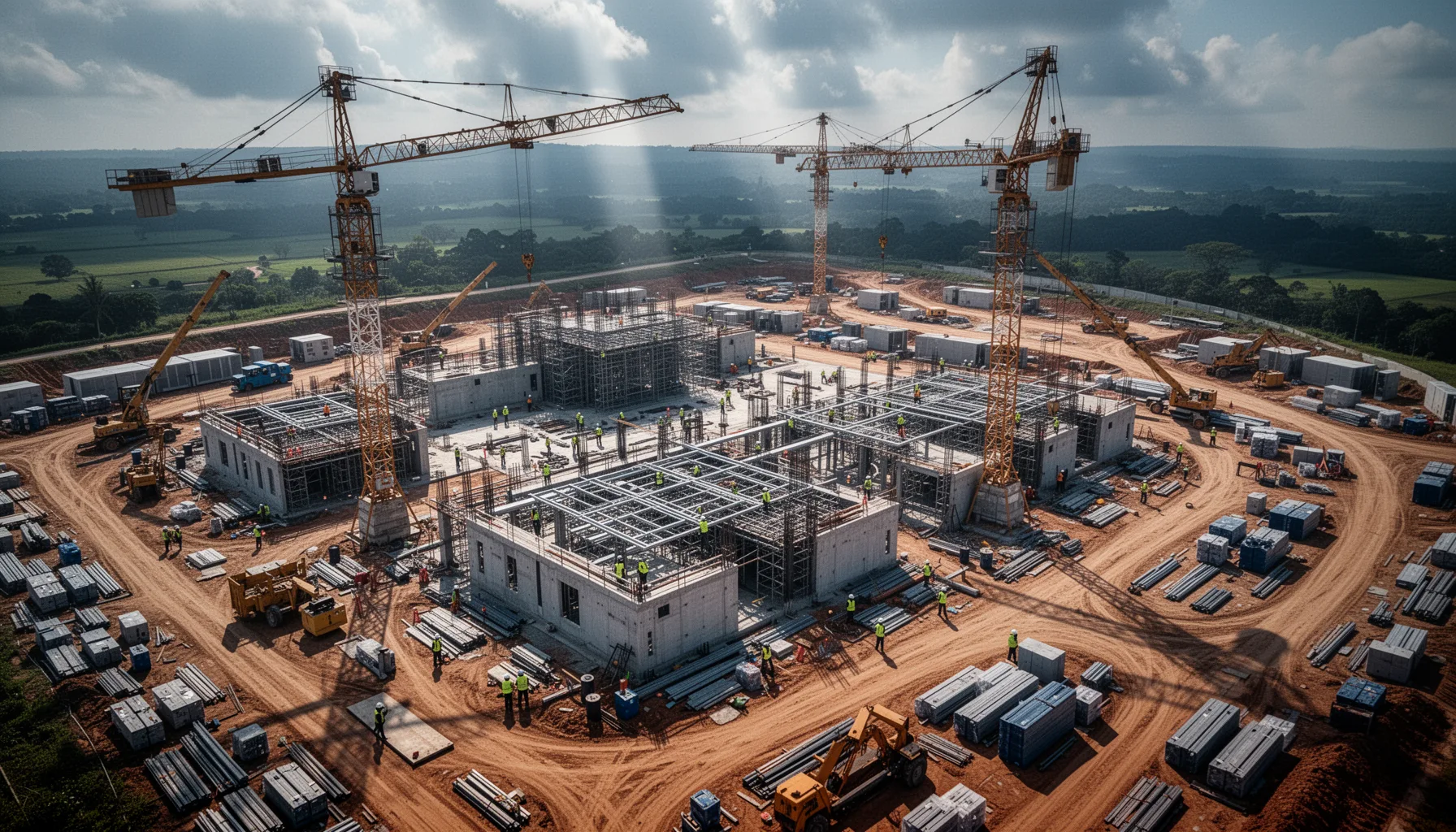
Amazon is spending more on data centers and AI infrastructure because cloud competition now turns on who can secure capacity, power, and silicon at industrial scale. Speed matters here. A customer choosing where to run training jobs or inference fleets cares about model access, yes, but also instance availability, regional footprint, networking performance, and procurement confidence over the next year. That pushes AWS to spend ahead of booked revenue. Standard hyperscaler behavior. Though it can look aggressive, that's usually how these companies act when demand spikes. Synergy Research Group has repeatedly shown that the global cloud market remains concentrated among AWS, Microsoft, and Google, and each one is now racing to add AI-ready capacity. Amazon also has an internal chip strategy through Trainium and Inferentia, which could improve economics if adoption rises, though custom silicon takes time to prove itself at scale. Here's the thing. Our view is simple: the capex isn't optional if Amazon wants to keep AWS in the front rank of AI platforms. That's not trivial.
How should investors read amazon earnings aws capital expenditure analysis now?

Amazon earnings AWS capital expenditure analysis makes more sense through return on invested capital, utilization timing, and customer mix than through raw spending totals alone. Big numbers grab headlines. But the real question is whether today's data center, networking, and chip investments turn into higher-margin service revenue over the next several quarters. If AWS fills new capacity quickly with sticky enterprise AI demand, the heavy spending will look smart in hindsight. If utilization lags, the story gets less flattering fast. Alphabet and Microsoft are facing versions of the same investor scrutiny, which is why hyperscaler capex has become one of the market's most closely watched signals in 2025 and 2026 reporting cycles. And because Amazon still throws off substantial cash from retail, advertising, and cloud, it can absorb near-term pressure better than many smaller infrastructure players. That's a strategic weapon, not just accounting comfort. We'd say that's worth watching.
Key Statistics
Frequently Asked Questions
Key Takeaways
- ✓AWS is growing well, but Amazon is spending heavily to keep capacity expanding.
- ✓Much of the spending story comes back to AI chips, data centers, and power.
- ✓Capex looks heavy now because cloud demand has shifted from steady to urgent.
- ✓Amazon can afford the spending, though investors will watch returns closely.
- ✓The market isn't asking whether Amazon will spend, only whether it spends wisely.