
SoftBank robotics company builds data centers: why now
SoftBank robotics company builds data centers as AI demand spikes. Here's why the strategy could support a future $100B IPO.
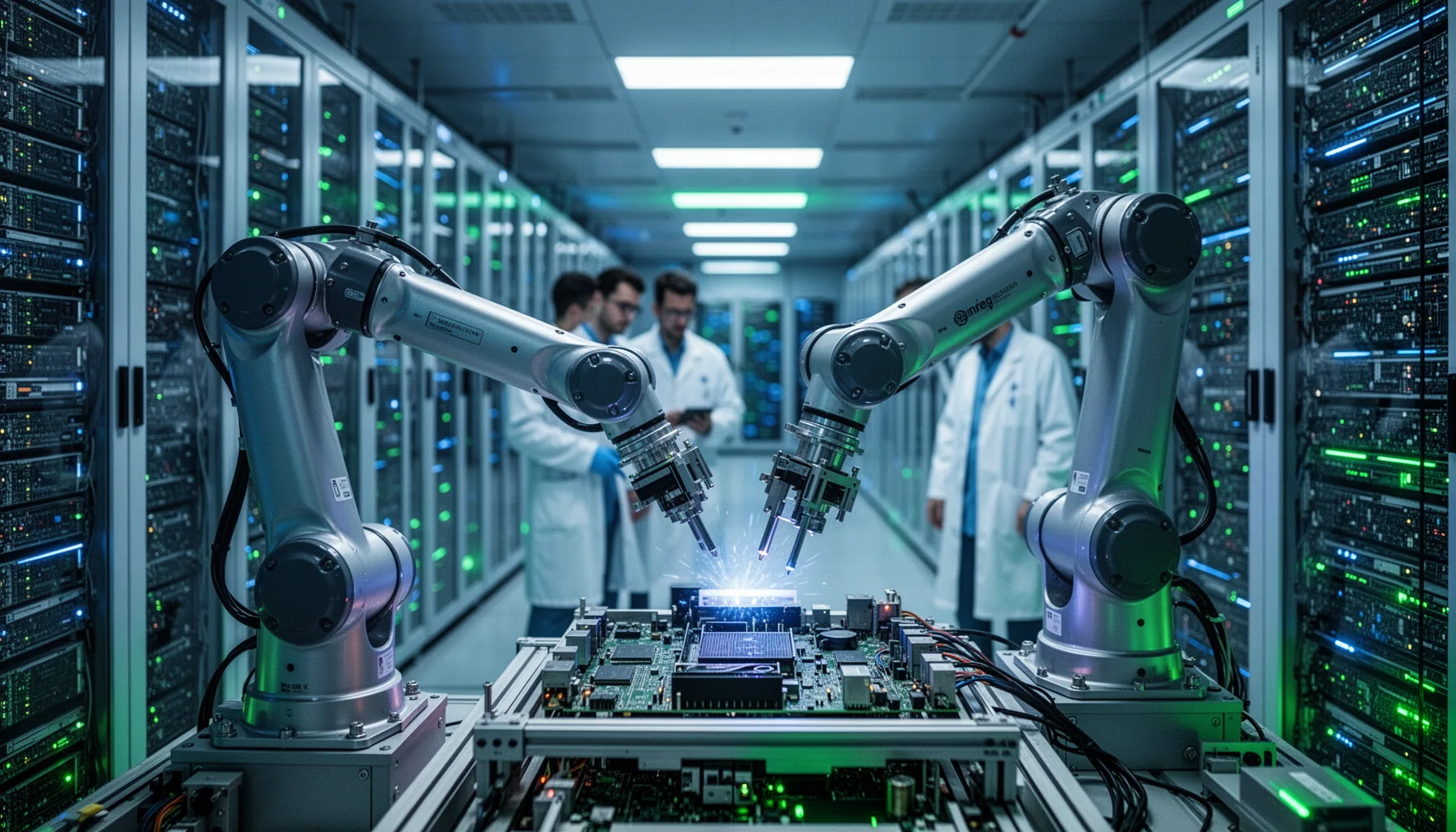
Table of Contents
Quick Answer
SoftBank is reportedly building a robotics company focused on data center construction because AI demand now depends on physical infrastructure as much as software. If it can automate enough of the build cycle, the business could command huge valuation expectations tied to AI power demand.
A SoftBank robotics company building data centers sounds like a headline pulled from a VC daydream. Yet it tracks. AI demand has slammed into a sturdier, less glamorous reality: chips need buildings, buildings need power, and construction still crawls through slow, messy processes. That's the snag. So SoftBank seems to be making a blunt, high-conviction wager. If AI is infrastructure, the companies that automate how that infrastructure gets built may control a very profitable choke point.
Why is SoftBank creating a robotics company that builds data centers?
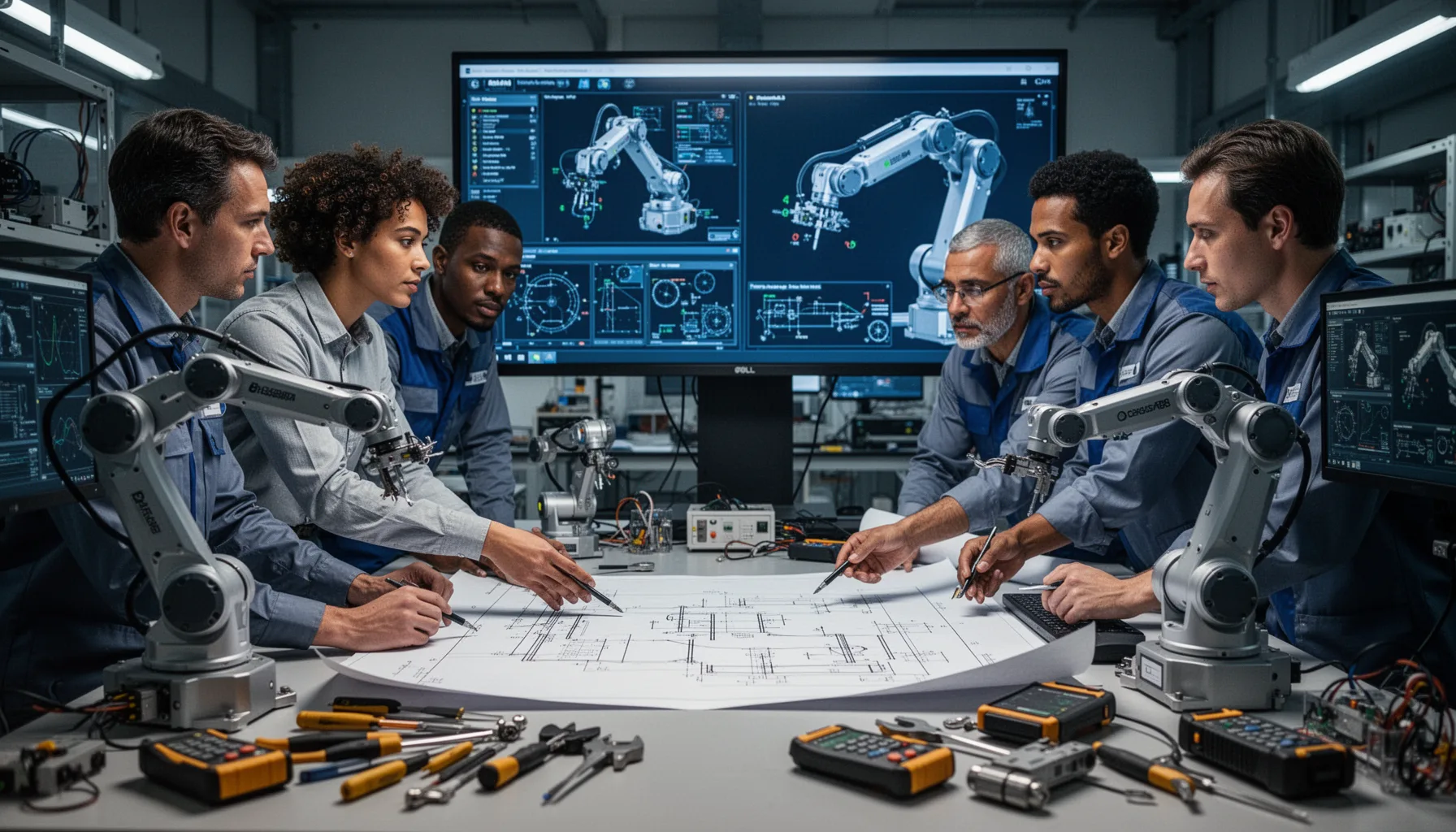
SoftBank is setting up a robotics company to build data centers because AI growth now hinges on construction speed almost as much as model quality. That's the hidden brake. Nvidia can ship accelerators, and AWS can line up customers, but if developers and hyperscalers can't bring fresh capacity online quickly, demand turns into waitlists and margin squeeze. That's a bigger shift than it sounds. SoftBank has spent years circling AI infrastructure through Arm, telecom holdings, and big, risky capital bets, so moving into construction robotics fits its broader pattern better than it first seems. Reuters reported that SoftBank is eyeing a company that could build data centers with robotics and eventually chase a valuation near $100 billion. Big ambition. We'd argue this isn't really about robots as spectacle. It's about shrinking project timelines. Built Robotics offers a useful reference point here, because it has suggested that automating heavy equipment can turn labor-starved tasks into software-directed workflows, though data center construction is a far tougher patch of ground.
How does the softbank ai infrastructure strategy connect robots and compute?
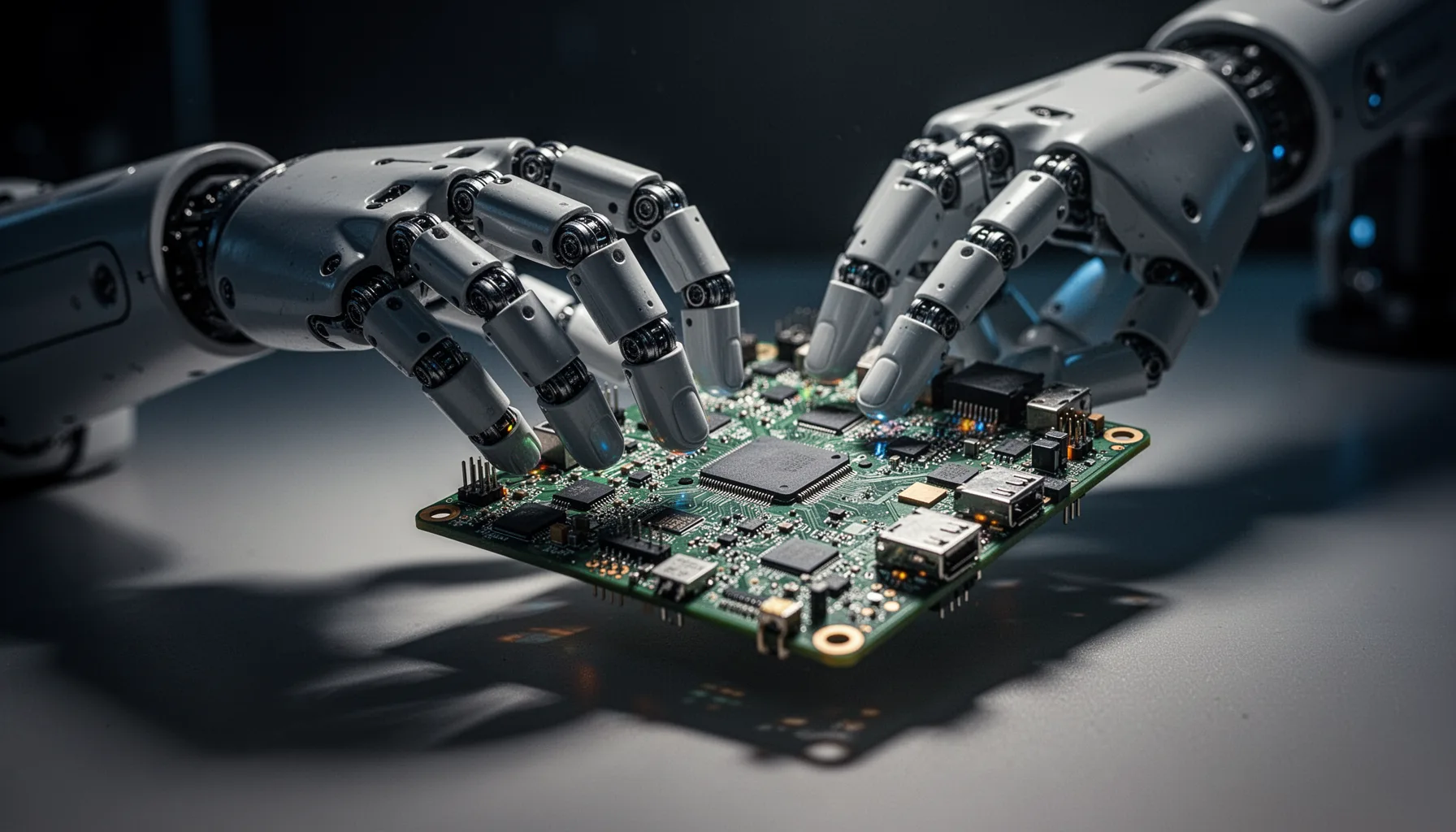
The SoftBank AI infrastructure strategy links robots and compute by treating data center construction as an upstream bottleneck in AI economics. That's the core idea. Every major AI vendor now talks about capacity, but capacity doesn't just mean GPUs; it means land, substations, cooling, concrete, and crews that finish on schedule. Not glamorous. Masayoshi Son has repeatedly described AI as a civilization-scale platform shift, and this move matches that worldview, even if the execution risk looks enormous. And because labor shortages and permitting delays already drag on data center projects across the US and parts of Asia, robotics could standardize repetitive work and possibly cut schedule slippage. Worth noting. McKinsey has estimated that large capital projects often run over budget and behind schedule, which is exactly the kind of waste an automation-first entrant wants to go after. If SoftBank can combine robotics, project software, and financing, it won't just build facilities faster. It could influence who gets AI capacity first.
Can robots building AI data centers become a real market?
Robots building AI data centers could become a real market, but only if they solve narrow, expensive construction problems better than conventional contractors do. The hype almost writes itself. The tougher question is which work packages actually suit automation: grading, materials movement, site inspection, prefabrication handling, and some repetitive interior tasks look plausible, while bespoke electrical work and systems integration remain much trickier. Not quite a full takeover. That's why the opening looks real but not magical. Boston Dynamics, Built Robotics, and Dusty Robotics have already made clear that construction automation can work in bounded settings, yet no one has turned that into a dominant end-to-end data center build platform. We'd argue that's the real gap. SoftBank appears to be betting that AI-era demand is big enough to support a new category leader instead of just another niche robotics vendor. And if it can connect robotics to modular data center designs, the economics improve because repetition is where machines really earn their keep. Think about it this way. Standardization creates the market, not just the robot.
Is a softbank 100b ipo robotics data centers plan realistic?
A SoftBank 100B IPO robotics data centers plan is imaginable in narrative terms, but it looks aggressive unless the company proves repeatable deployment economics. Public markets pay for infrastructure stories. They pay even more for infrastructure stories tied to AI, especially when growth looks supply-constrained rather than demand-constrained. That's the hook. Still, a $100 billion target would put this venture in the same valuation conversation as major industrial and software names, which means investors would expect more than prototypes; they'd want booked projects, margin visibility, and a serious moat. Simple enough. That said, recent AI infrastructure deals have pushed valuation expectations higher across chips, cloud, and power-adjacent assets. CoreWeave's rise gave the market a fresh example of how quickly capital can reward AI capacity providers, even when the business carries heavy spending needs and concentration risk. So the number isn't impossible. But SoftBank will need to prove that robotics materially changes build times, safety metrics, and unit economics, rather than just dressing up a capital-heavy business with an AI label.
Frequently Asked Questions
Why is SoftBank betting on robotics for data centers?
What problem do robots solve in data center construction?
How big is the data center construction robotics market?
Who are SoftBank's likely competitors in construction robotics?
When could a SoftBank robotics data center IPO happen?
Key Takeaways
- SoftBank sees robotics and data centers as one infrastructure business rather than two separate bets.
- The wager is really about speed, labor bottlenecks, and AI capacity constraints.
- A $100B IPO target sounds aggressive, but infrastructure stories tied to AI now command rich pricing.
- Construction robotics may matter more for delivery speed than for flashy labor-cut headlines.
- The real test is whether SoftBank can make this work at industrial scale.