
Can AI identify location from photos? Privacy guide
Can AI identify location from photos? Learn how image models infer places, routines, and identity, plus steps to make old photos less stalkable.
Table of Contents
Quick Answer
Yes, AI can identify location from photos by combining visible clues, metadata, reverse image search, and public profile details. Multimodal tools like ChatGPT and Claude lower the skill barrier, which means casual oversharing now creates sharper privacy risks.
Can AI identify location from photos? Yes. And the unnerving part is how little skill someone needs now. A few years back, figuring out a stranger's location from casual posts took OSINT chops, patience, and a small pile of tools. Now a multimodal model can spot landmarks, read signs, infer neighborhoods from architecture, and suggest the next search in plain English. That's not sci-fi. It's a real personal security issue, especially when your social profiles, old albums, and public routines are easy to piece together.
Can AI identify location from photos using ordinary social posts?
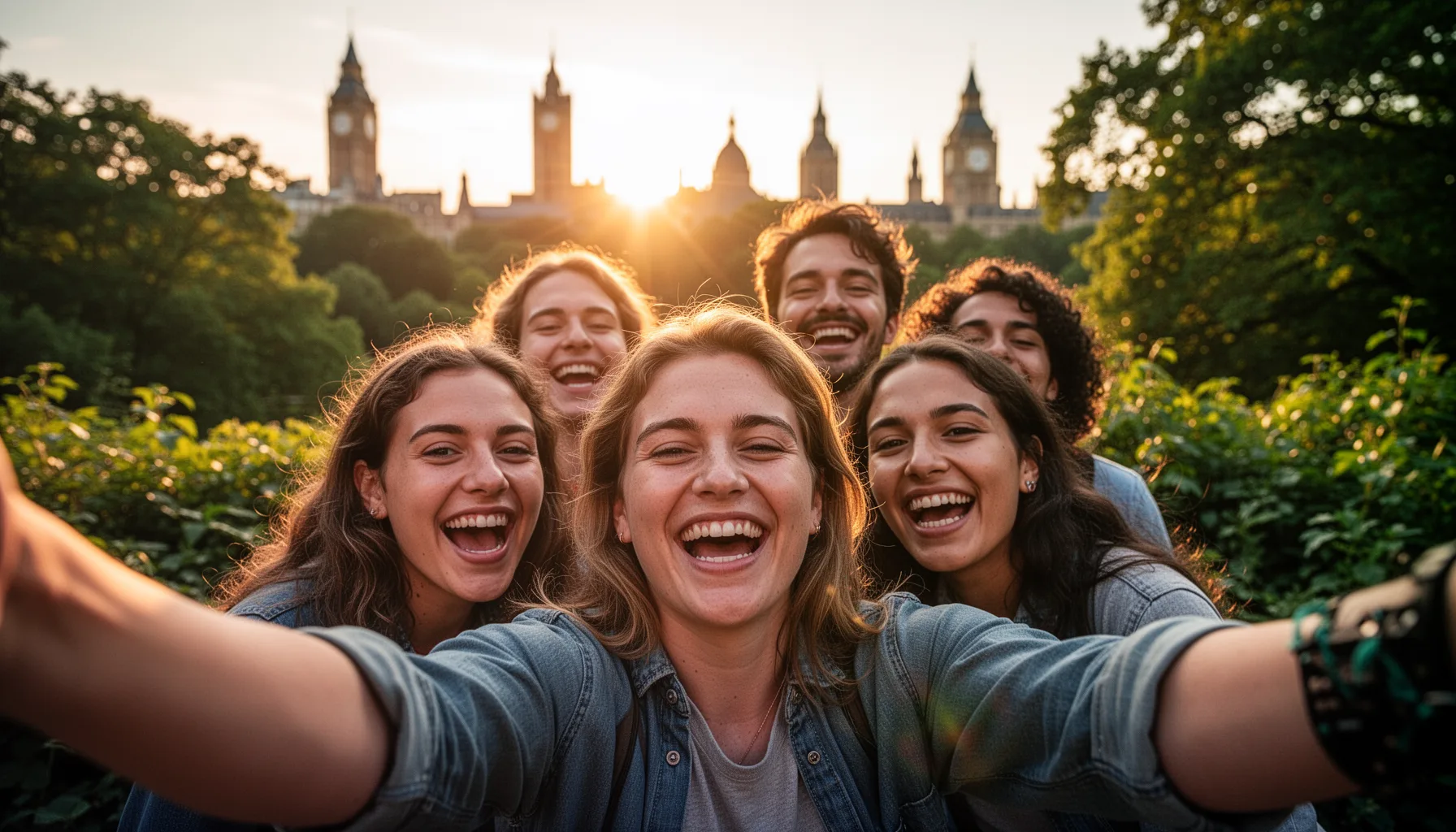
Can AI identify location from photos pulled from ordinary social posts? In plenty of cases, yes. Modern multimodal systems can inspect architecture, vegetation, weather, road markings, business names, transit maps, skyline fragments, and even packaging designs that point to a region or, sometimes, a single block. OpenAI and Anthropic both sell image-understanding features that read and reason over visual detail, which drops the barrier for people who don't know classic OSINT. That's a bigger shift than it sounds. A person doesn't need to hang around geolocation forums or master specialist tools to start narrowing down a place. We’d argue public discussion often misses this by obsessing over explicit GPS metadata. In real life, visual context does a lot of the heavy lifting. Think of a Chicago street corner with a CTA sign in frame. Simple enough.
How ChatGPT photo privacy risks and Claude image analysis privacy concerns actually play out

ChatGPT photo privacy risks and Claude image analysis privacy concerns get real when someone relies on them as guided inference engines, not magic crystal balls. A stalker doesn't need the model to name the exact address on the first pass; they need it to pull clues, suggest the next search, and connect one post to the next. For example, a balcony photo might reveal part of a street sign, a distinctive church tower, and a branded coffee cup from a local roaster. Then that person checks your public Instagram captions, LinkedIn office city, Strava routes, or tagged friends to tighten the radius. That's how triangulation works. Here's the thing. Multimodal LLMs don't replace old stalking tactics, but they make those tactics much easier for amateurs to work with. We'd say that's the part people underrate. Think about a Seattle post with a Lighthouse Roasters cup and a partial view of Capitol Hill. Not quite.
How to make photos less stalkable online by auditing hidden and visible clues
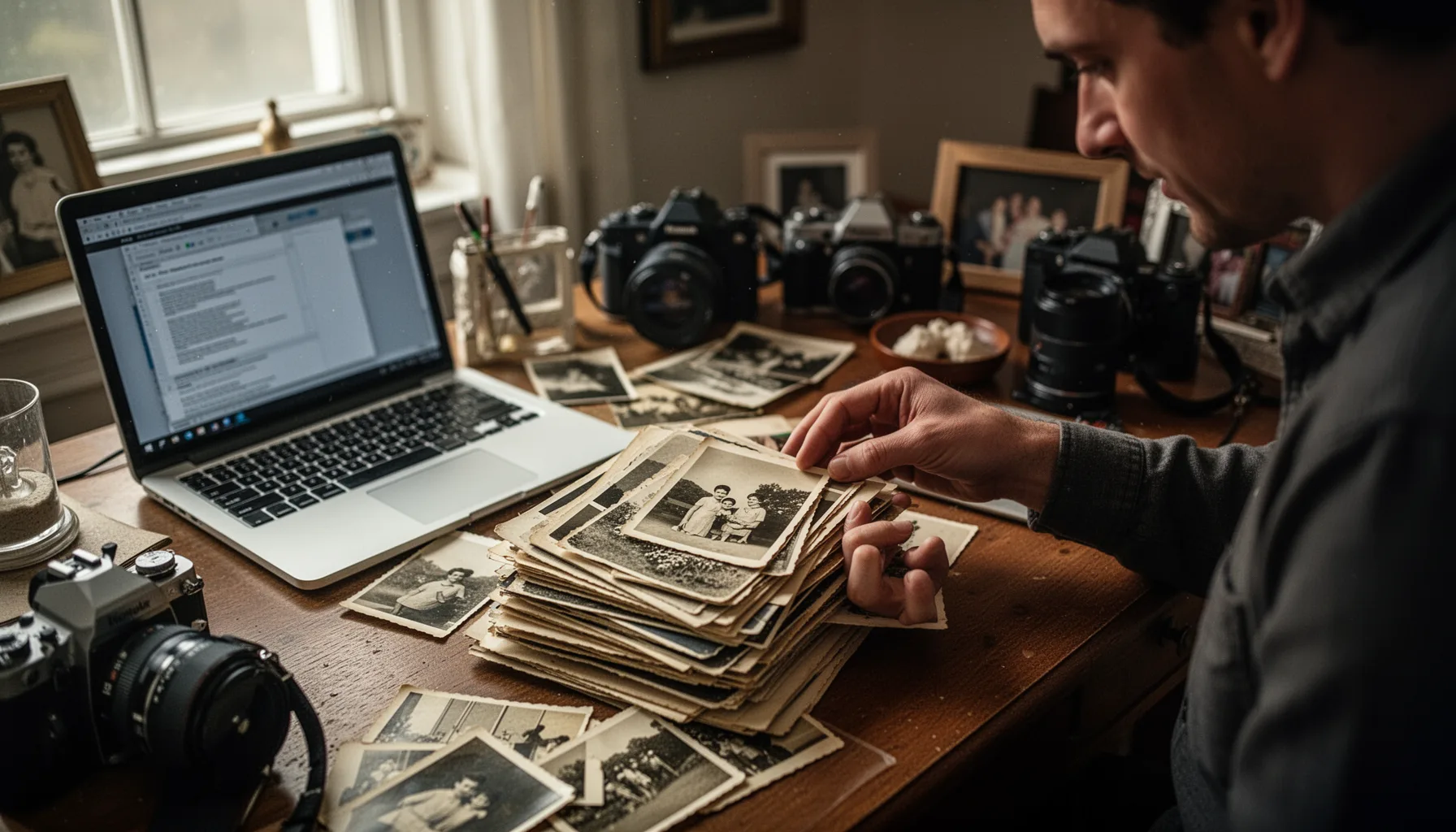
How to make photos less stalkable online starts with treating every image as a bundle of clues, not just a frozen moment. Visible risks include street numbers, school logos, car plates, reflections in windows, badges, mail labels, laptop stickers, store receipts, and recognizable views from home or work. Hidden risks include EXIF metadata such as GPS coordinates, timestamps, device details, and app-side location tags, though many major platforms strip some metadata on upload. Still, don't bet on that. Google Photos, Apple Photos, and many messaging apps preserve rich context somewhere in your own library, and the original file may still live in backups, shared links, or cloud folders. We recommend auditing old posts by category: home, commute, children, gym, school, favorite café, and recurring weekend spots. Worth noting. The dangerous pattern isn't one photo. It's repeated context over time. A front-door selfie in Brooklyn today and the same bodega in three older posts can make the picture very clear. Simple enough.
Step-by-Step Guide
Audit your public photo footprint
Search your own name, handles, and profile photos across social platforms, image search, and old blogs. Look for albums, tagged posts, marketplace listings, and forgotten event galleries. You're trying to see your profile the way a stranger would.
Strip location metadata from originals
Remove EXIF data before posting or sharing original files, especially from phones that embed GPS coordinates. Both iPhone and Android offer ways to limit or remove location before sharing. If you use cloud links, check whether the original metadata still travels with the file.
Blur or crop revealing background details
Edit out street signs, house numbers, license plates, school crests, kid uniforms, mail, and reflections. Pay extra attention to windows, mirrors, glossy tables, and sunglasses because they often reveal more than the main subject. A small crop can remove a huge amount of risk.
Break routine patterns in what you post
Avoid posting the same walking route, pickup spot, gym time, or café seat in real time. Delay uploads until after you leave, and don't create easy weekly patterns. Repetition is what turns vague context into a map.
Lock down profile linkage points
Review whether your Instagram, LinkedIn, Strava, TikTok, Facebook, and personal site all point to the same city, employer, and daily habits. A geolocation guess becomes much stronger when public profiles confirm work location or family details. Reduce what a stranger can cross-reference in minutes.
Delete or archive high-risk legacy posts
Remove old photos that reveal home exteriors, regular routes, school names, or apartment views. Legacy content is often the easiest source for pattern analysis because people posted it with fewer privacy instincts years ago. If deleting feels extreme, archive first and review what still needs to stay public.
Key Statistics
- The U.S. National Center for Victims of Crime has long reported that stalking frequently includes technology-enabled tracking and online information gathering.That matters here because multimodal AI lowers the skill needed to turn public images into actionable personal clues.
- Pew Research reported in 2023 that 46% of U.S. teens said they were online almost constantly, while social sharing remained deeply routine across age groups.High posting volume creates more raw material for pattern analysis, especially when older images remain public for years.
- OpenAI and Anthropic both expanded mainstream multimodal image analysis capabilities in 2024, bringing visual reasoning to ordinary chat users.The shift means location inference techniques are no longer limited to hobbyist geolocation communities or specialist investigators.
- Major platforms often strip some metadata on upload, but original files shared through cloud links, backups, or direct messages can still retain EXIF details.Users who rely on platform defaults may miss the bigger risk: the same image often exists in several formats and sharing paths.
Frequently Asked Questions
Can AI identify location from photos without GPS metadata?
How do I remove location data from photos?
Why are ChatGPT photo privacy risks worse than older reverse image tools?
What kinds of photos are most stalkable online?
How can I make photos less stalkable online today?
Key Takeaways
- A single casual photo can reveal more than the person posting it realizes.
- AI lowers the skill barrier for location inference and amateur stalking.
- Metadata is only one risk; reflections, signs, and routines matter too.
- Old posts are often more dangerous because they reveal repeated patterns.
- You can reduce exposure today by auditing, blurring, deleting, and limiting context.