
⚡ Quick Answer
An on device vision LLM for personal data could turn screenshots, notes, files, and email into a private intelligence layer without shipping your life to the cloud. To work in practice, it needs disciplined local indexing, retrieval, storage, and trust controls far beyond a flashy chat demo.
An on-device vision LLM for personal data points to something much larger than a nicer-looking assistant. If Sentient OS lands, it won't just reply to prompts. It could quietly assemble a working memory from your screenshots, notes, files, email threads, and all the random digital debris that piles up while your phone or laptop charges overnight. That's the sales pitch. But the real work doesn't live in the demo chat box. It lives in indexing, storage, retrieval, and the trust rules underneath. Get that wrong, and the whole thing feels invasive fast.
What is an on device vision LLM for personal data really building?
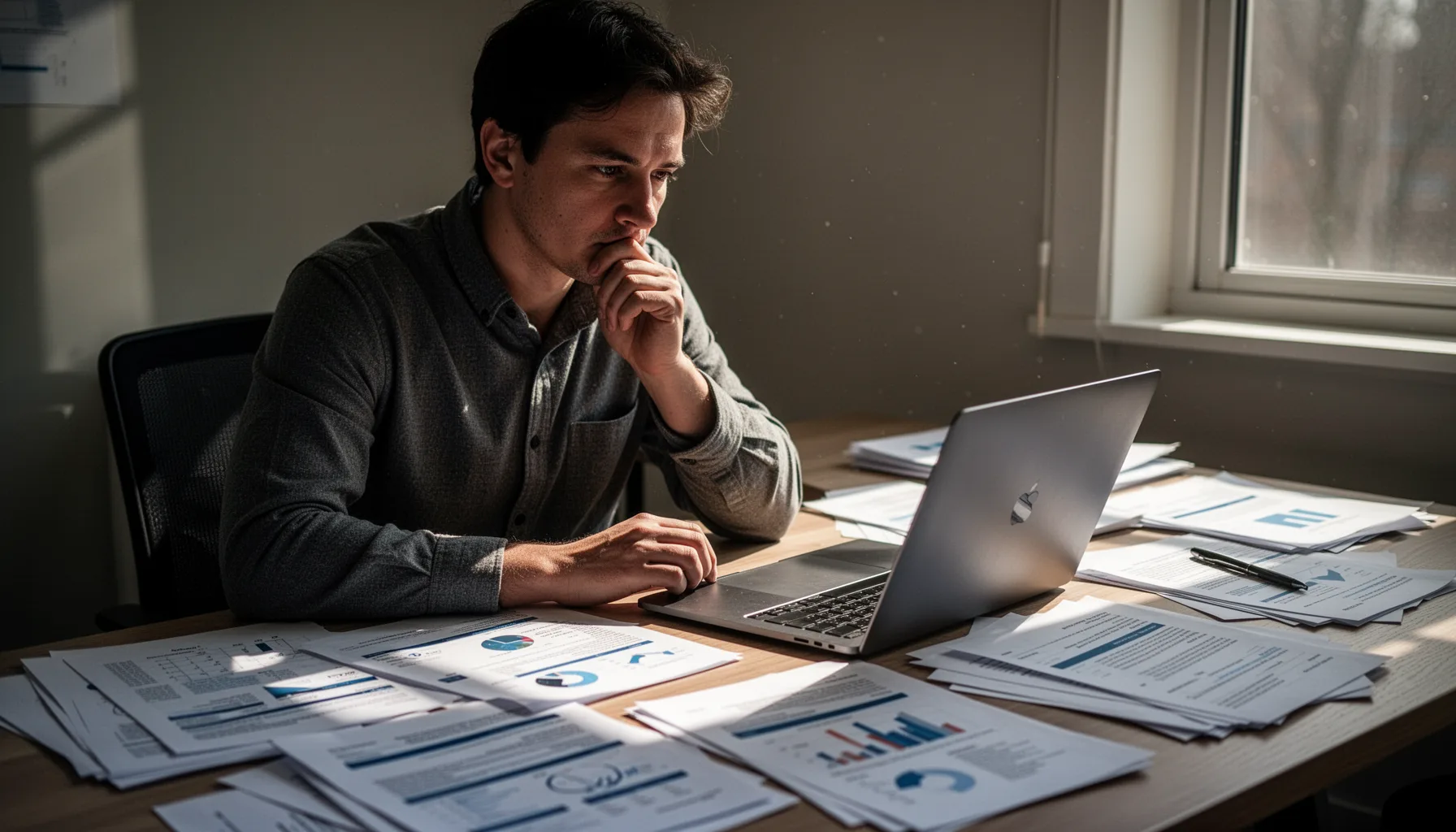
An on-device vision LLM for personal data is really an attempt to build a private intelligence layer above your operating system. That's a bigger swing than most AI assistants take. Most of them behave like cloud Q&A tools with light app connections. Sentient OS seems to be aiming lower in the stack, where the hard stuff sits. It wants to understand the artifacts of ordinary digital life, from screenshots and PDFs to notes and inboxes, then make them searchable in plain language. Apple has pitched a similar privacy-first angle with on-device intelligence for selected jobs, and Microsoft has explored memory and recall from a different direction. Worth noting. The distinction here looks like scope. Instead of one app tracking one stream, the system tries to connect your full digital exhaust into something more like a usable graph. We'd argue that's the only route that gives this category a real shot at becoming an OS feature rather than yet another GPT wrapper. Not quite.
How overnight local AI indexing while charging would need to work
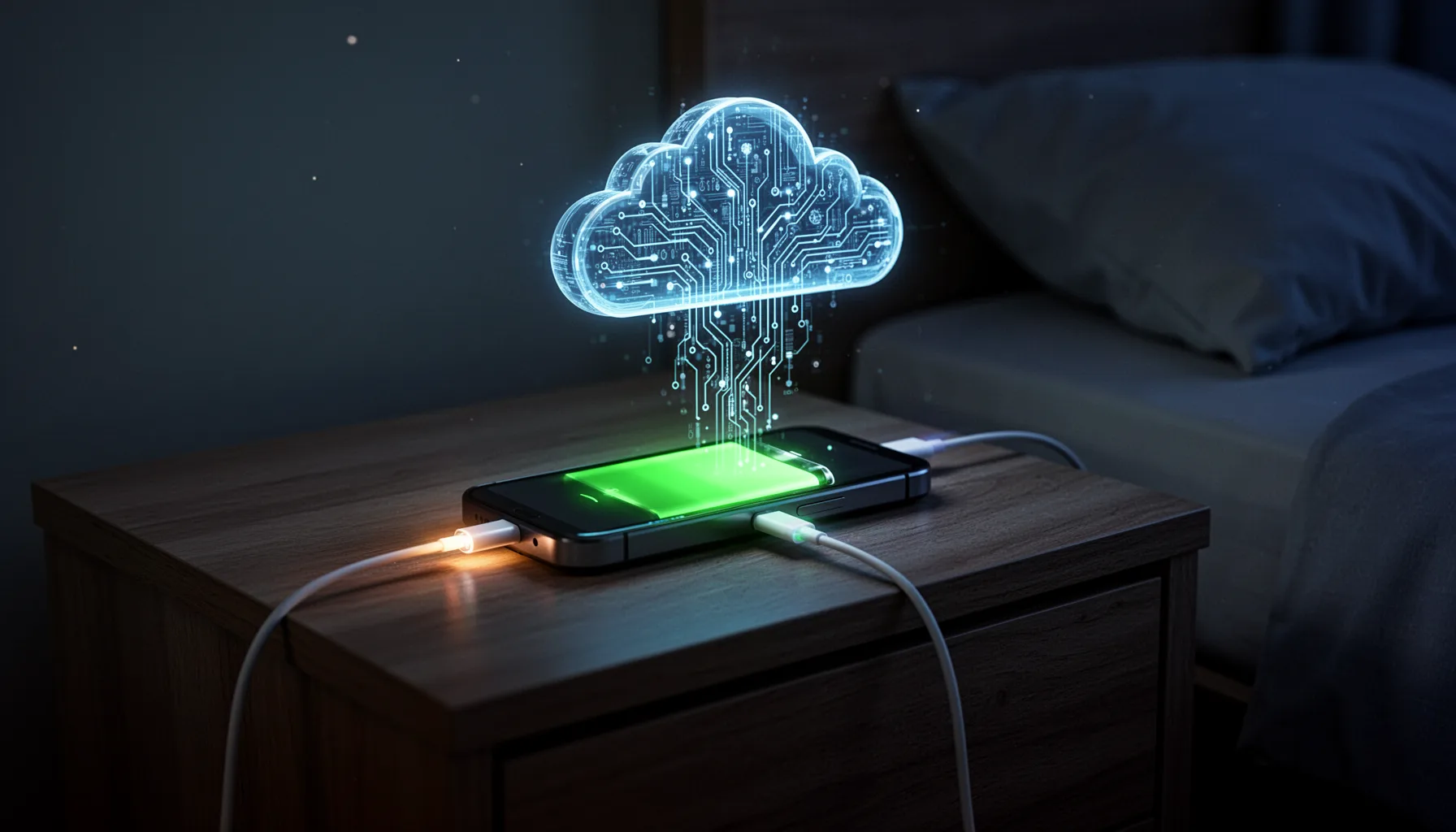
Overnight local AI indexing while charging is probably the only sensible way to process someone's digital life without chewing through battery or spooking them on privacy. During the day, the device would need to watch for new artifacts, queue them up, and save the heavier work for later. Then, once power is available, it can run embeddings, OCR, vision parsing, entity extraction, and graph updates. That's practical. Google Photos and Apple's Spotlight already rely on background scheduling, thermal limits, and charge-aware jobs for indexing work, so the operating-system pattern isn't new. But scale is the hard part. A heavy user can generate thousands of screenshots, notifications, PDFs, and email fragments every month. So the system can't keep starting from zero. It needs incremental indexing, deduplication, salience scoring, and compact vector storage. We'd say any team calling that simple is skimming past the real engineering. Here's the thing. The overnight window isn't some cute product flourish. It's the constraint that makes the whole setup viable.
Why a private AI assistant on device needs more than a local model
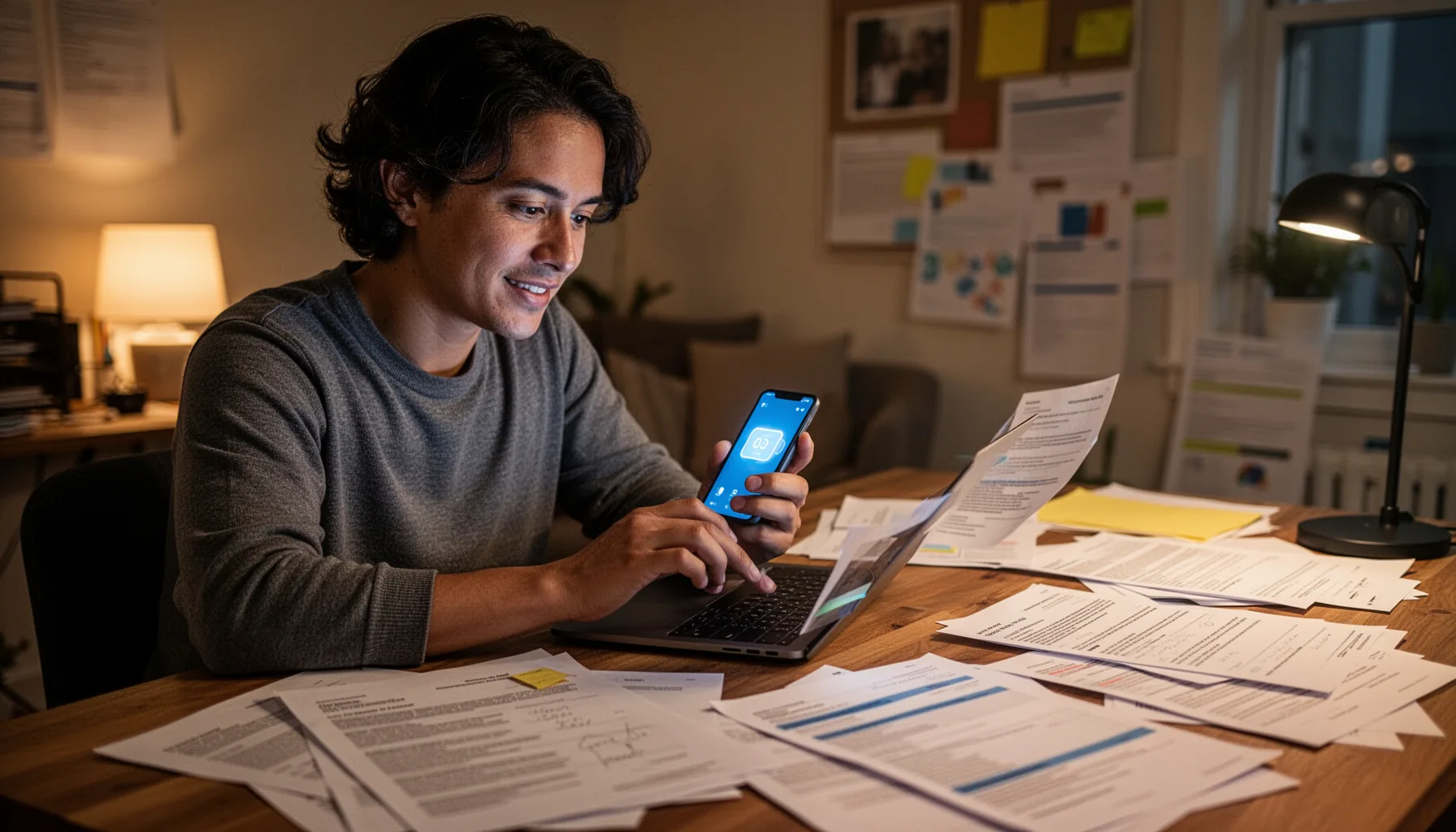
A private AI assistant on-device needs more than a local model, because model quality by itself doesn't create dependable memory. The system also has to maintain document parsers, permission maps, metadata stores, vector indexes, symbolic links between entities, and retrieval policies that decide which context should show up for a given query. That's the dull machinery. But it's also the machinery that turns 'find that screenshot of a boarding pass from March' into a quick answer instead of a polished hallucination. Meta's work on retrieval-augmented generation and open-weight multimodal models has made local inference feel more plausible than it did even a year ago. Still, retrieval quality decides whether a personal assistant feels sharp or messy. And trust evaporates quickly when the assistant misses obvious files or drags private material into the wrong exchange. We think the winning design pairs small on-device models for indexing and ranking with a tighter reasoning layer for higher-stakes synthesis. That's a bigger shift than it sounds. In personal AI, recall matters. But precision matters more. Simple enough.
Sentient OS on device AI vs cloud copilots: what are the real tradeoffs?
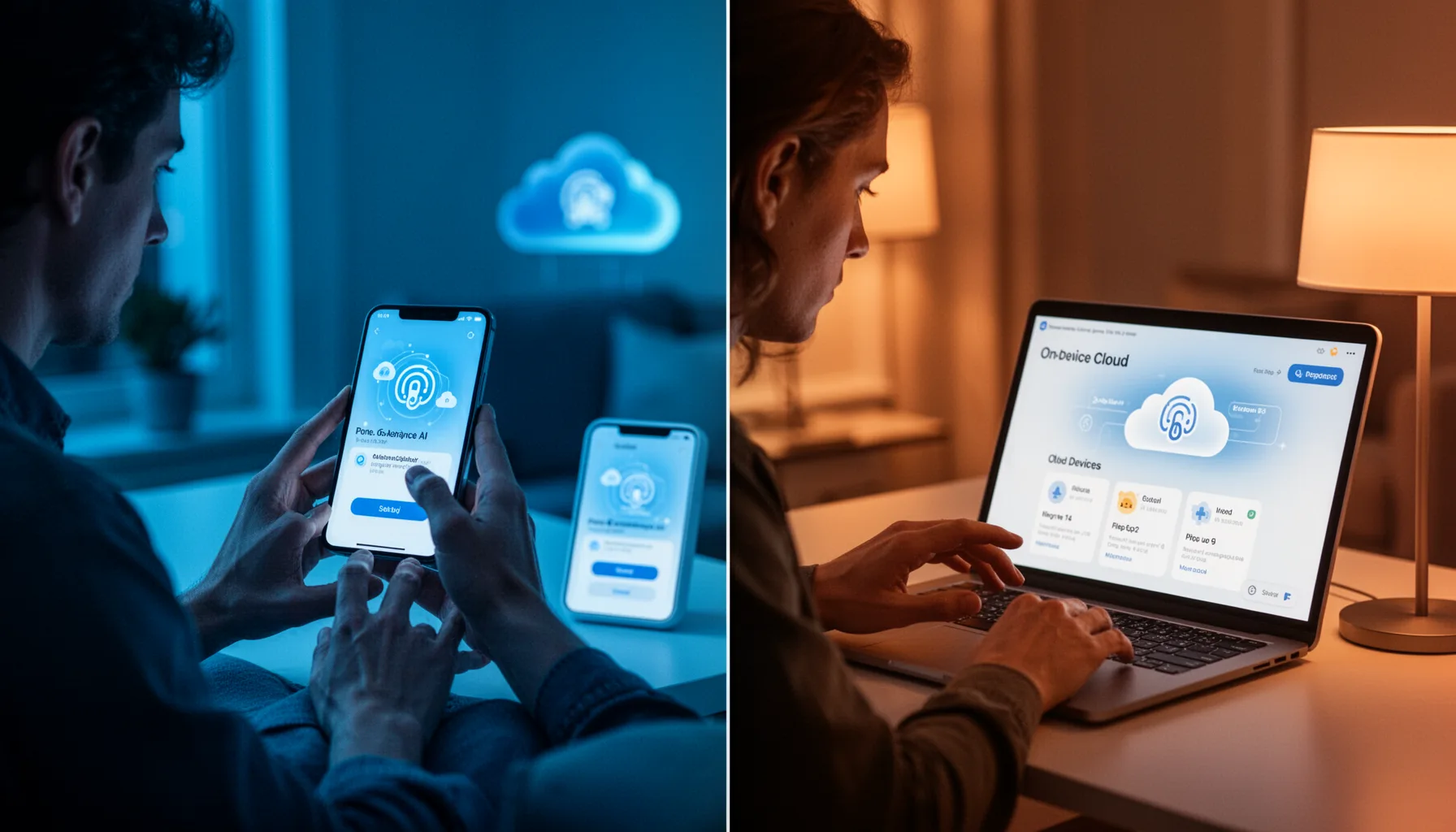
Sentient OS running on-device would beat cloud copilots on privacy and latency for some jobs, but it will run into real quality limits and real hardware ceilings. A local system can answer certain questions almost instantly, keep sensitive files on the device, and avoid the transfer risks that come with shipping screenshots, inboxes, and notes off to remote servers. That's a real edge when the material includes health details, legal paperwork, or intimate conversations. Think of a scanned lab result or a divorce filing. But cloud systems from OpenAI, Anthropic, Google, and Microsoft still hold the upper hand on many complex reasoning tasks, because they can run larger models and pricier serving infrastructure. So the honest architecture probably ends up hybrid in capability, even if the trust model stays local-first. Qualcomm, Apple Silicon, and NVIDIA laptop NPUs are improving the hardware side fast, yet consumer devices still live inside memory and thermal limits. Worth noting. Most personal retrieval tasks don't need giant models anyway. They need quick indexing, strong ranking, and careful permission handling.
How AI knowledge graph from screenshots notes and files becomes actually useful
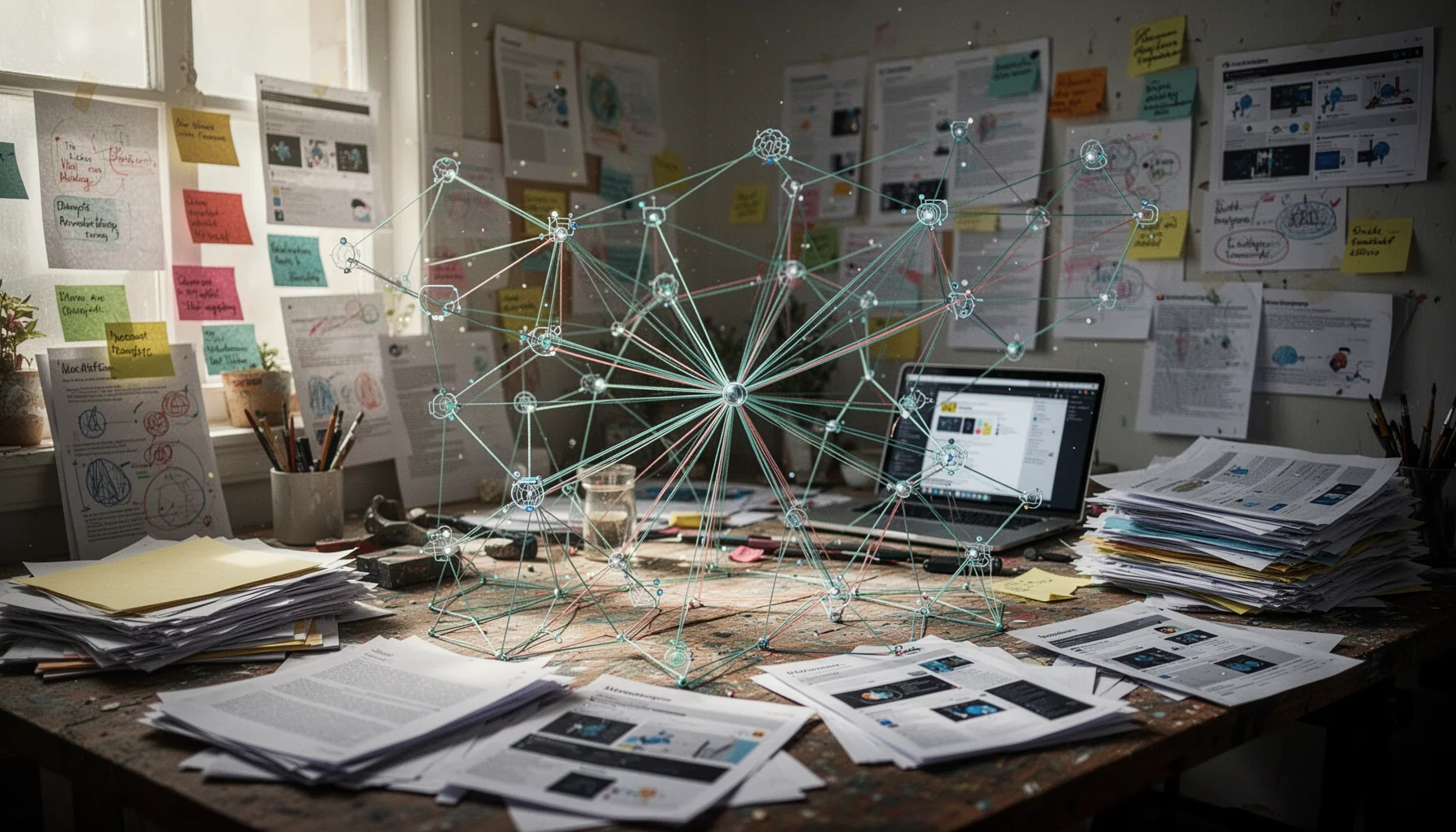
An AI knowledge graph built from screenshots, notes, and files becomes useful only when it drives actions instead of just producing pretty node maps. The graph should connect people, projects, places, purchases, deadlines, and recurring intentions across apps, then turn those links into prompts like 'you screenshotted this conference hotel, do you want it added to your travel plan?' That's the real product test. Roam Research and Obsidian already showed that people like linked knowledge. But they also showed something else. Manual graph-building mostly attracts a niche unless the system does actual work for you. So for Sentient OS, that means reminder timing, duplicate detection, task suggestion, document clustering, and contradiction spotting across sources. The system should also make clear why it suggested something by citing the screenshot, message, or note that triggered it. We'd argue explainability isn't just a nice add-on here. It's the line between a trusted memory layer and software that feels like it's freelancing with your life. Not quite. That's a sharper distinction than many demos admit.
Key Statistics
Frequently Asked Questions
Key Takeaways
- ✓The real product is a private personal operating system, not just another chatbot.
- ✓Overnight local AI indexing while charging makes the battery and latency tradeoff workable.
- ✓Useful personal AI needs retrieval, memory, and ranking, not just multimodal generation.
- ✓Privacy claims hold up only if storage, embeddings, and search stay local by default.
- ✓Knowledge graphs matter only when they trigger reminders, links, and next actions.