
ChatGPT AI Agent Wallet: Shop and Check Out With Dots
ChatGPT AI agent wallet lets eligible users shop with Dots and review tokenized-card checkout. Learn who can use it and how purchase approval works.
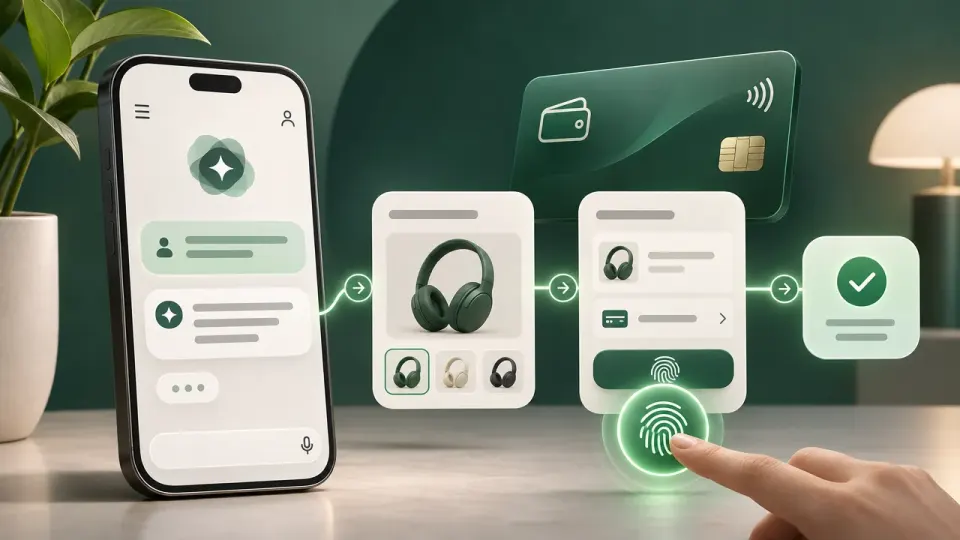
Table of Contents
Quick Answer
ChatGPT Wallet lets eligible users ask Dots to find products and prepare checkout using a payment card stored in ChatGPT. Users review the items and total, then approve each purchase with biometric verification.
The wallet combines shopping assistance with a payment method stored in ChatGPT. OpenAI is starting with a limited group of eligible U.S. ChatGPT Pro subscribers, rather than opening the feature to everyone at launch.
What the ChatGPT AI Agent Wallet Does
The ChatGPT AI agent wallet lets a Dot help with shopping and carry a selected purchase through checkout. A user can ask an agent to look for a product, then review the options it finds and move a chosen item toward purchase.
That makes the wallet more than a place to store payment details: it connects an AI shopping conversation to a transaction. But the agent does not get open-ended authority to spend. The current experience keeps the user involved at the point of payment.
Who Can Use It and How Checkout Works
Initial access is limited to some U.S. ChatGPT Pro subscribers who are at least 18 and have an eligible U.S.-issued Visa, Mastercard, or American Express card. Availability is not yet universal, even for Pro subscribers.
The reported checkout process is straightforward:
The review step matters. Users can see what they are buying and which card will be charged before confirming the transaction. If Wallet is available on your account, check the items and total carefully before approving a purchase.
Biometric Approval and Tokenized Card Security
Each purchase requires biometric verification, such as Face ID or a fingerprint. That adds a confirmation step before money changes hands and helps ensure a user, rather than an agent acting alone, authorizes the payment.
The wallet also uses a payment token instead of giving the Dot the user’s actual card details. Tokenized card payments are designed to let a transaction proceed without exposing the underlying card number to the agent. The safeguards do not remove the need to review a purchase, but they limit what the agent can do and what payment information it can access.
What Users Still Control - and What Could Change
For now, users approve purchases individually. OpenAI says it expects to support pre-approved purchases in the future, with user-defined limits such as spending caps, product categories, or time periods. Those controls could let people delegate more of the process while setting boundaries in advance, but they are not part of the current checkout flow.
Wallet is also distinct from ChatGPT’s verified Business Agents, a separate feature designed for interactions with company representatives, including tasks such as comparison shopping. The two features may both touch shopping, but Wallet is focused on payment and purchase approval.
The launch follows an earlier attempt by OpenAI to build shopping and checkout around commissions, an effort reported as retired in March after it failed to gain traction. ChatGPT Wallet takes a different approach by connecting an assistant’s shopping help to a user-approved payment.
For now, the key change is convenience, not fully autonomous spending. Eligible subscribers can let Dots help find products and prepare checkout, while the user retains the final say. Others will need to wait for OpenAI to expand access and announce whether its planned purchase controls become available.
Frequently Asked Questions
Who can use ChatGPT Wallet?
How does ChatGPT Wallet checkout work?
Does ChatGPT Wallet let AI agents spend money without approval?
How does ChatGPT Wallet protect card details?
Key Takeaways
- ChatGPT Wallet connects Dots shopping assistance to a payment method stored in ChatGPT.
- Launch access is limited to some U.S. ChatGPT Pro subscribers who are at least 18 and have an eligible U.S.-issued card.
- Users review the selected items, purchase total, and payment card before approving checkout.
- Each purchase requires biometric verification, and the agent uses a payment token rather than receiving the underlying card number.
- Pre-approved purchases with user-defined limits are planned, but are not part of the current checkout flow.