
⚡ Quick Answer
The Yanolja Claude Code Meetup points to a Claude Code developer community that is forming around practical coding workflows, not just model fandom. Korea’s developer interest matters because it suggests Anthropic’s coding tool is gaining traction beyond Silicon Valley and inside real regional engineering teams.
The Claude Code developer community no longer looks like a tiny internet subculture. It's starting to feel regional, even organized. That's the real thread under this event recap. Yanolja’s Claude Code Meetup in Korea wasn't just another sponsor-backed get-together; it gave us a live look at how developers are testing, arguing over, and folding Anthropic's coding workflow into actual work. Worth noting. And when that kind of activity shows up outside Silicon Valley, we should pay attention. Regional demand often points to things product dashboards miss.
Why the Claude Code developer community matters beyond one meetup

The Claude Code developer community matters because developer platforms rarely spread worldwide unless local groups turn curiosity into repeat habits and peer-to-peer learning. That's the hinge. A meetup at Yanolja, one of Korea’s best-known travel tech companies, carries more weight than a generic marketing event because people usually arrive with real engineering headaches. They want to ship faster. And Korea is a useful market to watch because its software teams sit where startup urgency, enterprise expectations, and a tightly networked developer culture all collide. That mix can reveal whether a coding agent has staying power or just a brief novelty bump. We've watched similar patterns with Docker, Kubernetes, and GitHub Copilot, where local meetups became early clues for broader adoption. We'd argue the Yanolja Claude Code Meetup matters less because of who stood on stage and more because it suggests bottom-up demand for agentic development tools in Asia. That's a bigger shift than it sounds.
What Korean developers are actually using Claude Code for
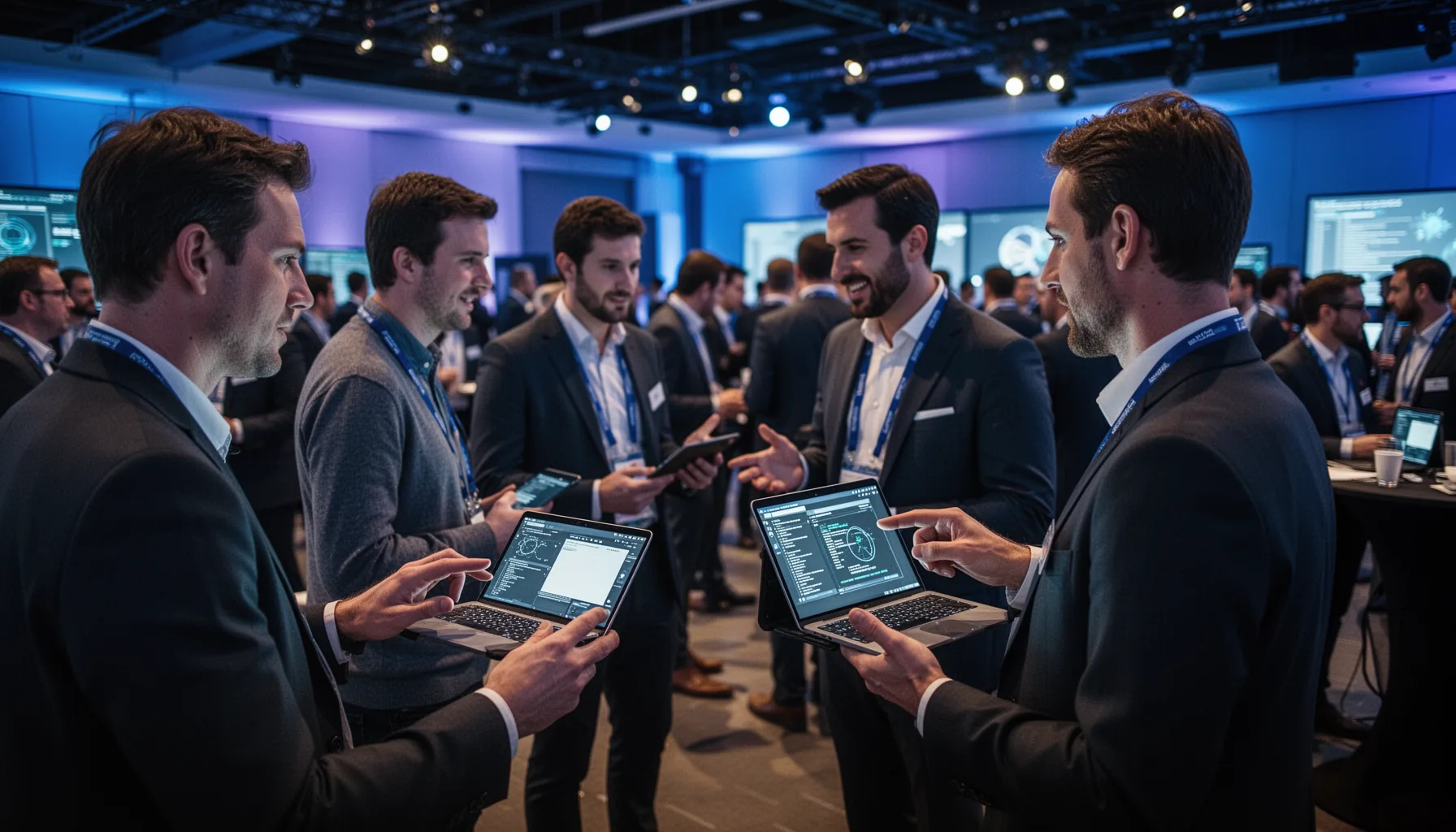
Korean developers seem to be reaching for Claude Code for hands-on work like code generation, refactoring, debugging, and repository navigation, not just vague experimentation. That's a good sign. Tools stick when they slide into an existing workflow. Simple enough. Claude Code's appeal seems tied to practical habits: asking for test coverage, cleaning up legacy functions, tracing logic across files, and sketching implementation plans before coding begins. In meetup conversations, those use cases surface fast because engineers compare time saved, failure modes, and prompt patterns that either paid off or burned an afternoon. Anthropic has framed Claude and Claude Code around long-context reasoning and coding support, which gives it a natural opening in larger codebases where teams don't want shallow autocomplete. And a Korea-based meetup adds another layer because local teams often juggle Korean-language communication with English-heavy code and documentation, so a model that handles both cleanly has an edge. We'd argue that's why the Claude Code event Korea story matters. It's about workflow fit, not brand curiosity. Worth noting. A team at Naver would likely recognize that tradeoff immediately.
How Yanolja Claude Code Meetup reflects Asia-Pacific developer adoption
The Yanolja Claude Code Meetup reflects a broader Asia-Pacific pattern in which AI coding tools spread through practitioner circles before they dominate procurement talk. Here's the thing. In many APAC markets, developer communities and technical meetups still carry outsized influence over tool adoption. Engineers trust peers. So a company like Yanolja hosting a Claude Code meetup gives Anthropic social proof in a region where GitHub Copilot, local coding assistants, and open-source alternatives already compete for attention. That makes the event a market signal. Korea matters here because it often works as a fast-feedback environment for consumer and developer software, thanks to strong broadband infrastructure, dense urban tech networks, and a culture of early product testing. If developers there are building a Claude Code developer community around real use cases, that suggests Anthropic has room to grow in Asia without leaning only on US enterprise narratives. That's not trivial. And it shifts the frame from interesting meetup to watch this ecosystem. We'd say that's the more consequential read. Samsung's developer circles have played this sort of signaling role before.
Why Claude Code is resonating now with regional engineering teams
Claude Code is landing now because engineering teams want more than autocomplete. They want an agent that can reason across tasks, files, and development intent. That timing isn't accidental. Since 2023, developers have moved from curiosity about AI coding tools into a more sober phase, where they measure code quality, review burden, context handling, and integration friction. Not quite the old hype cycle. Claude Code seems to resonate with teams that want planning and explanation alongside code output, especially for debugging or refactoring work that stretches across multiple files. And in markets like Korea, where software organizations often combine rapid product cycles with high expectations for execution, those gains feel concrete. A meetup makes that shift easy to spot because attendees talk about whether the tool cuts toil, not whether AI feels exciting. My take is simple. The Anthropic Claude Code meetup recap angle misses the bigger point unless it explains that developers now choose coding assistants based on trust, context depth, and fit with team habits. That's the real story. Kakao engineers, for example, would likely judge it on exactly those terms.
Key Statistics
Frequently Asked Questions
Key Takeaways
- ✓The meetup pointed to real Korean demand for Claude Code in day-to-day development work
- ✓Regional communities often reveal product-market fit earlier than headline coverage does
- ✓Developers seem drawn to Claude Code for agentic coding, review, and refactoring
- ✓Korea’s startup and platform ecosystem gives AI coding tools a fast proving ground
- ✓The bigger story is community formation, not one branded meetup