
FPT Agentic AI Award 2026: What It Really Signals
FPT agentic AI award 2026 coverage with a reality check on the product, enterprise maturity, governance, and what the recognition truly means.
Table of Contents
Quick Answer
The FPT agentic AI award 2026 signals that FPT has gained real visibility in the enterprise agent market, but an award alone does not prove deep deployment maturity. To judge the news properly, buyers need to examine the product’s autonomy, governance controls, measurable outcomes, and customer-scale evidence.
The FPT agentic AI award 2026 grabs attention fast. But headlines can charm before they explain much. If you run enterprise AI programs, the real issue isn't whether FPT picked up recognition at the Artificial Intelligence Excellence Awards. It's whether the product behind that nod works like a true production-grade agentic system. That's where things get interesting. Worth noting.
What does the FPT agentic AI award 2026 actually recognize?
The FPT agentic AI award 2026 may point to real enterprise progress in agent-based AI, but buyers still need to split marketing copy from technical substance. Awards like the Business Intelligence Group’s Artificial Intelligence Excellence Awards usually reward innovation, business impact, and product vision. Useful signals. Not full technical audits. So the headline matters. Yet it doesn't answer the questions procurement teams actually care about: what work the system automates, how much autonomy it really has, and how often people step in. FPT has spent the last few years broadening its AI portfolio across enterprise transformation, and this award likely reflects that wider push as much as any single feature set. That's a bigger shift than it sounds. We'd argue recognition matters when it points to customer traction, not just polished demos. A buyer weighing FPT against ServiceNow, Microsoft, or IBM should treat the award as a starting line for due diligence, not the final call.
How mature is FPT recognized for agentic AI in real enterprise deployment?
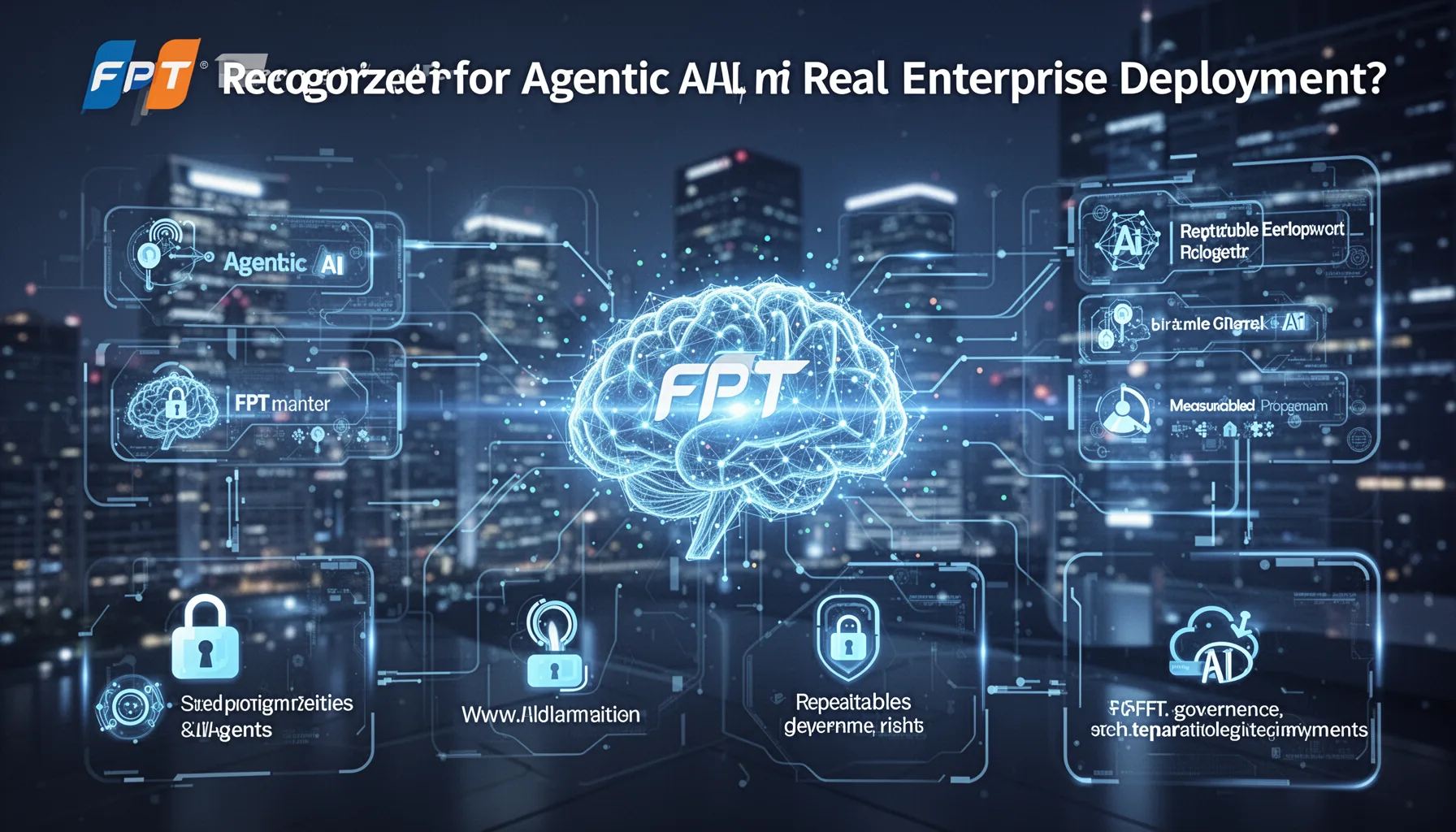
FPT recognized for agentic AI means more if the company can point to repeatable deployments with governance, integrations, and measurable task completion. A mature agentic system does more than chat. It plans multi-step work, calls tools, keeps state, handles exceptions, and sends uncertain cases to humans under clear rules. That's the bar. Since Gartner’s 2025 agentic AI coverage pushed plenty of vendors to label copilots and automations as agents, even when those products still rely on heavy user steering, the market now has a fair bit of inflation around the term. Here's the thing. If FPT’s platform can support enterprise workflows like claims processing, IT service triage, or document-heavy operations with audit logs and approval gates, the recognition carries more weight. My take: maturity starts when the product survives messy inputs and policy limits, not when it nails a scripted demo. A bank or telecom rolling out agentic AI needs proof of uptime, guardrails, and override paths before any award badge means much. Worth noting. Think of JPMorgan or Vodafone. They won't buy on vibes.
What product capabilities matter behind Artificial Intelligence Excellence Awards agentic AI news?
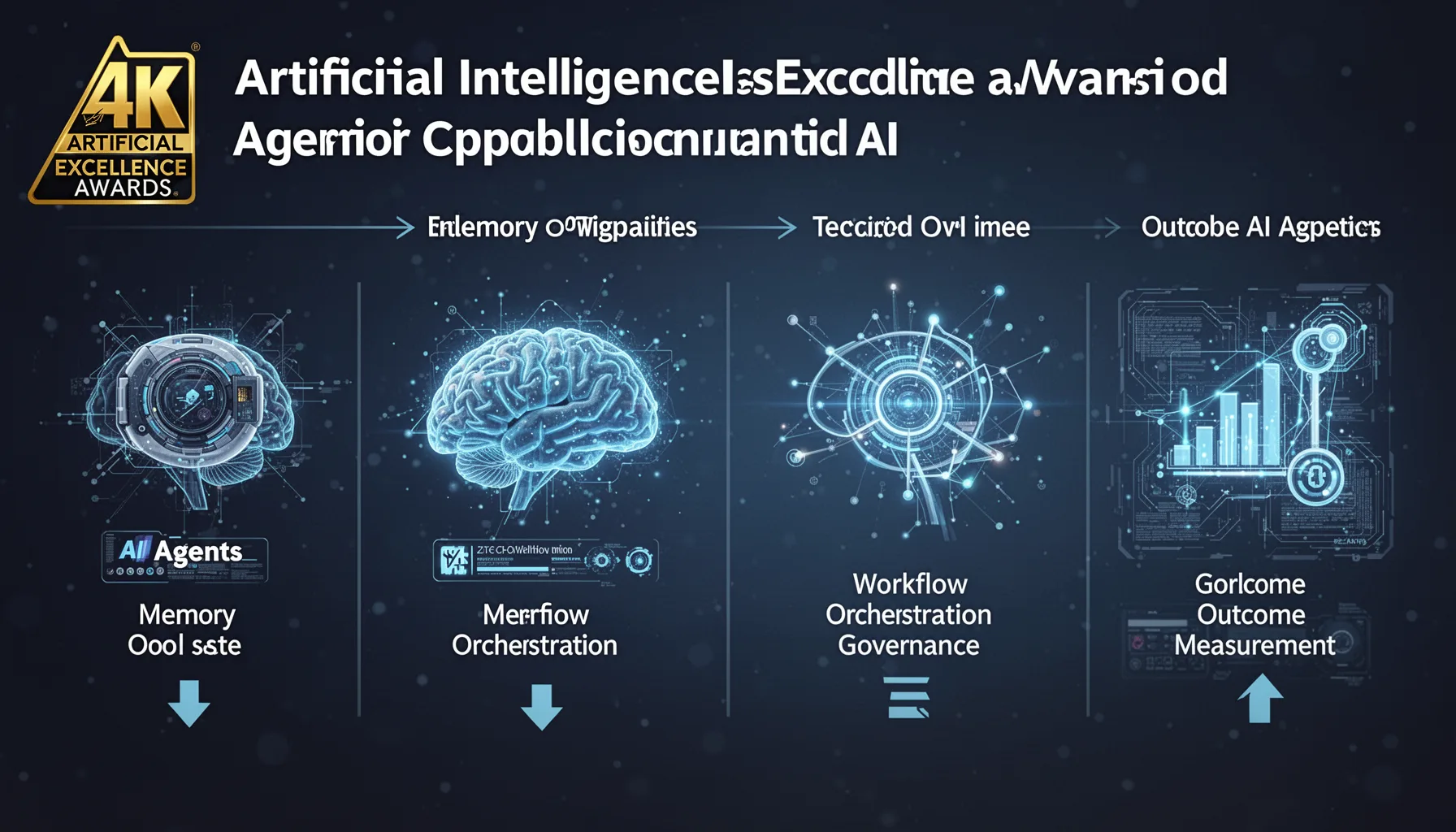
The product capabilities that matter most are tool use, memory or state handling, workflow orchestration, governance, and outcome measurement. Miss those pieces, and agentic AI turns into a fancy label for prompt chaining. Enterprise teams should ask whether FPT’s system can connect to CRM, ERP, knowledge bases, ticketing systems, or internal APIs. Because agents create value when they act across systems rather than summarize inside a chat box. Microsoft’s Copilot Studio and Salesforce Agentforce have both pushed that systems-level framing, and that's the standard FPT should face. Not quite every award story explains that. We'd also want proof on completion rates, escalation patterns, and average time saved per workflow, since those numbers say more than any vendor phrase about intelligence. In my view, the best agent products look almost boring from the outside: they complete constrained work reliably, log each step, and make human review easy. That's enterprise-grade behavior. Worth noting. Simple enough.
Does galvnews FPT agentic AI news point to real market momentum or branding momentum?
The galvnews FPT agentic AI news probably points to both real market momentum and branding momentum, which isn't unusual in enterprise software. Public recognition gives vendors a real leg up with trust, recruiting, partnerships, and sales conversations, and FPT can plainly work with this award for all four. But branding lift only turns into durable market standing when customers can verify business results after deployment. According to IDC’s enterprise AI research in 2024 and 2025, buyers increasingly favor vendors that tie AI claims to workflow metrics, governance, and integration depth rather than broad innovation messaging. That trend cuts against empty hype. A company like UiPath built credibility not because analysts praised automation in the abstract, but because customers could count throughput, labor savings, and exception rates. We'd say FPT now has a brighter spotlight, not automatic proof. That's worth watching. For readers tracking the AI Agents and Production AI Systems cluster, this supporting piece should connect back to pillar topic 388 and sit beside sibling topics on orchestration, evaluation, and agent governance.
Frequently Asked Questions
What is the FPT agentic AI award 2026?
Why was FPT recognized for agentic AI?
How can enterprises evaluate agentic AI enterprise recognition claims?
What makes an enterprise AI system truly agentic?
How does this news fit into the broader AI agents market?
Key Takeaways
- The FPT agentic AI award 2026 is meaningful, but it isn't proof on its own.
- Enterprise buyers should ask what the agents actually do across real business workflows.
- Governance, human review, and measurable outcomes matter more than award copy.
- Recognition boosts branding, yet deployment maturity comes from scale and reliability.
- For the bigger picture, connect this article back to pillar topic 388.